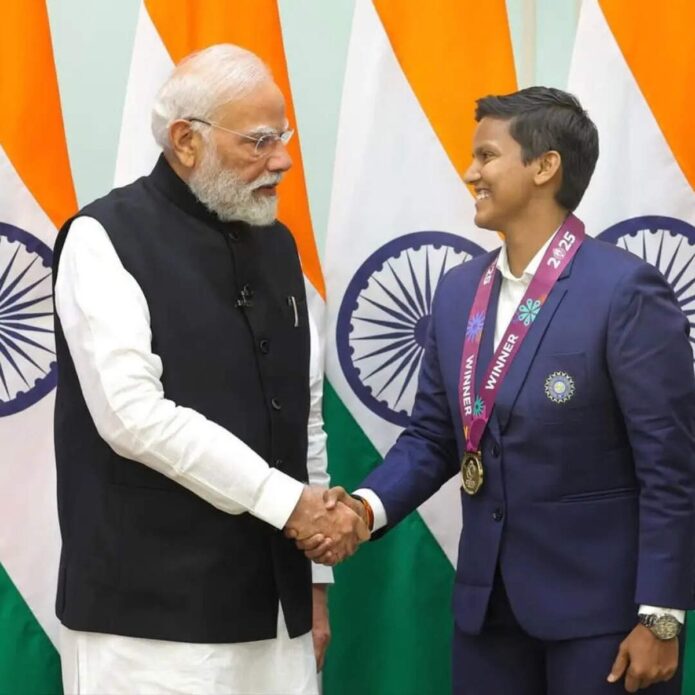
Deepti Sharma’s Lord Hanuman tattoo drew public attention during celebrations after India’s women’s World Cup win. India Today reported that Prime Minister Narendra Modi noticed the tattoo on her left arm; Times Now Hindi also published photos of the exchange. The reports identify the image and its placement, but don’t give the tattoo date, artist or a fuller account of its meaning.
Sharma’s left-arm tattoo is documented in a specific moment, not as a complete catalogue of her body art. The other match and celebration portraits here help identify her and show the settings around that exchange; they aren’t all close-ups of the tattoo.
The Hanuman Ji tattoo carries a clear personal story
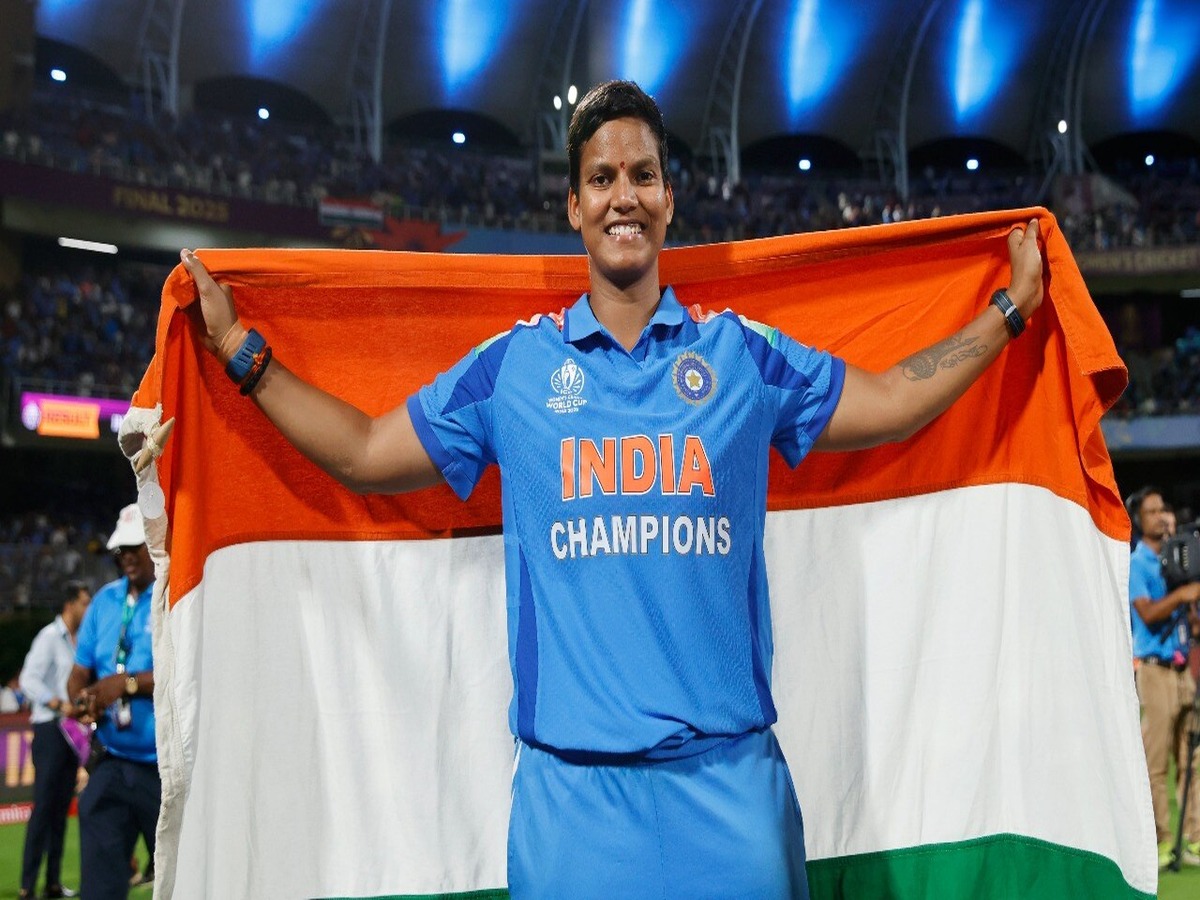
India Today identified the image as Lord Hanuman and described Modi noticing it during a meeting with India’s world champion team. That gives the tattoo a clear public context. The reports don’t establish the private reason Sharma chose it, so the article should leave that part to her.
In Hindu tradition, Hanuman is widely associated with strength, devotion, courage and service. Those associations help explain the image’s cultural context, but they don’t tell us which meaning Sharma personally attaches to it.
The left arm is visible in some short-sleeved cricket and celebration photos. It offers room for a recognizable figure and can be covered by clothing when needed; the images show how its visibility changes with the setting.
A calm visual language in match-day photographs
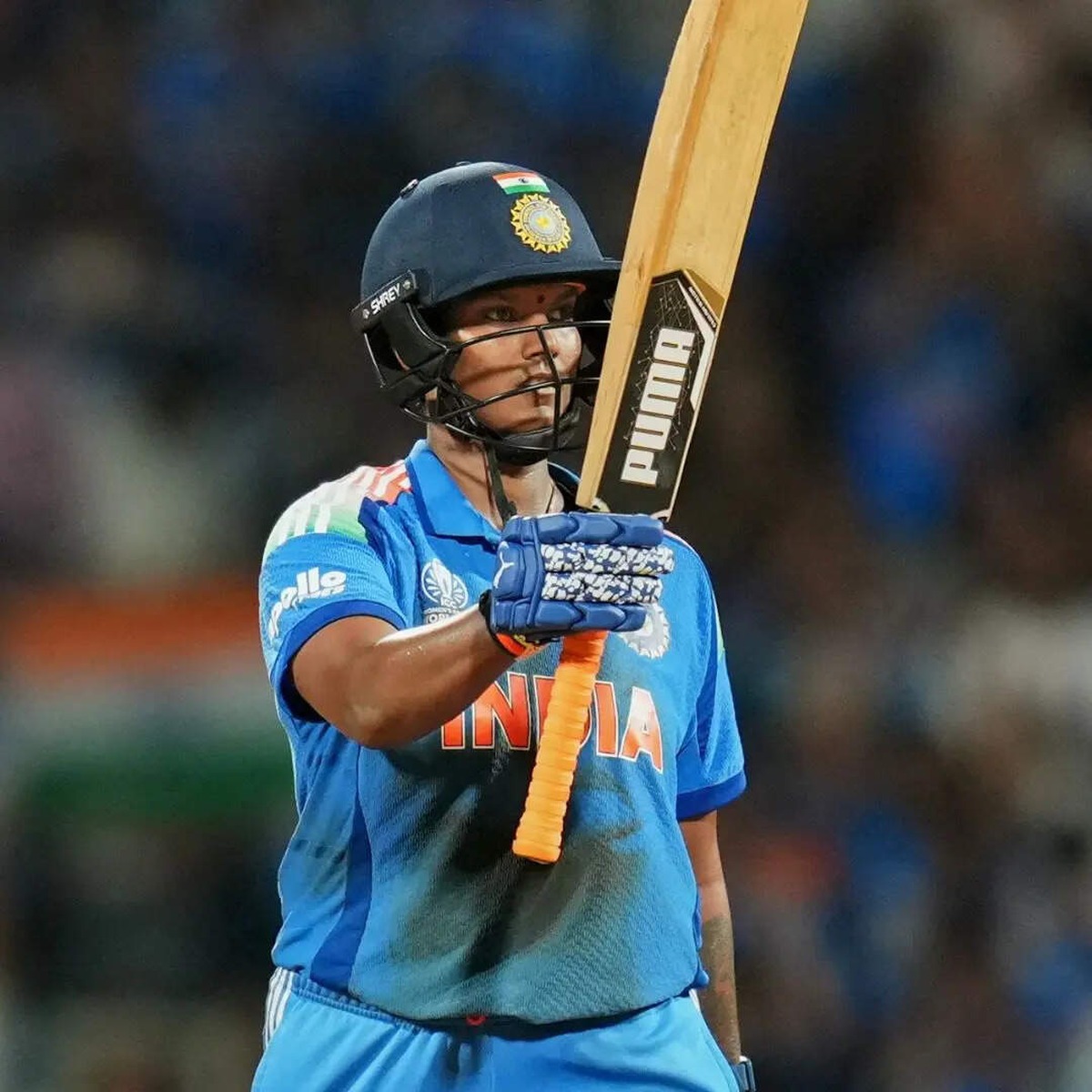
This match portrait identifies Sharma in her India kit, with her helmet and bat in frame. It is useful for recognizing the athlete and the cricket setting, but it isn’t evidence of a particular tattoo.
For a design reference, the useful detail is how a small image can sit within a busy sports scene. The kit, equipment and stadium already fill the frame, so the tattoo doesn’t need to dominate the composition to remain part of it.
Her public image stays grounded
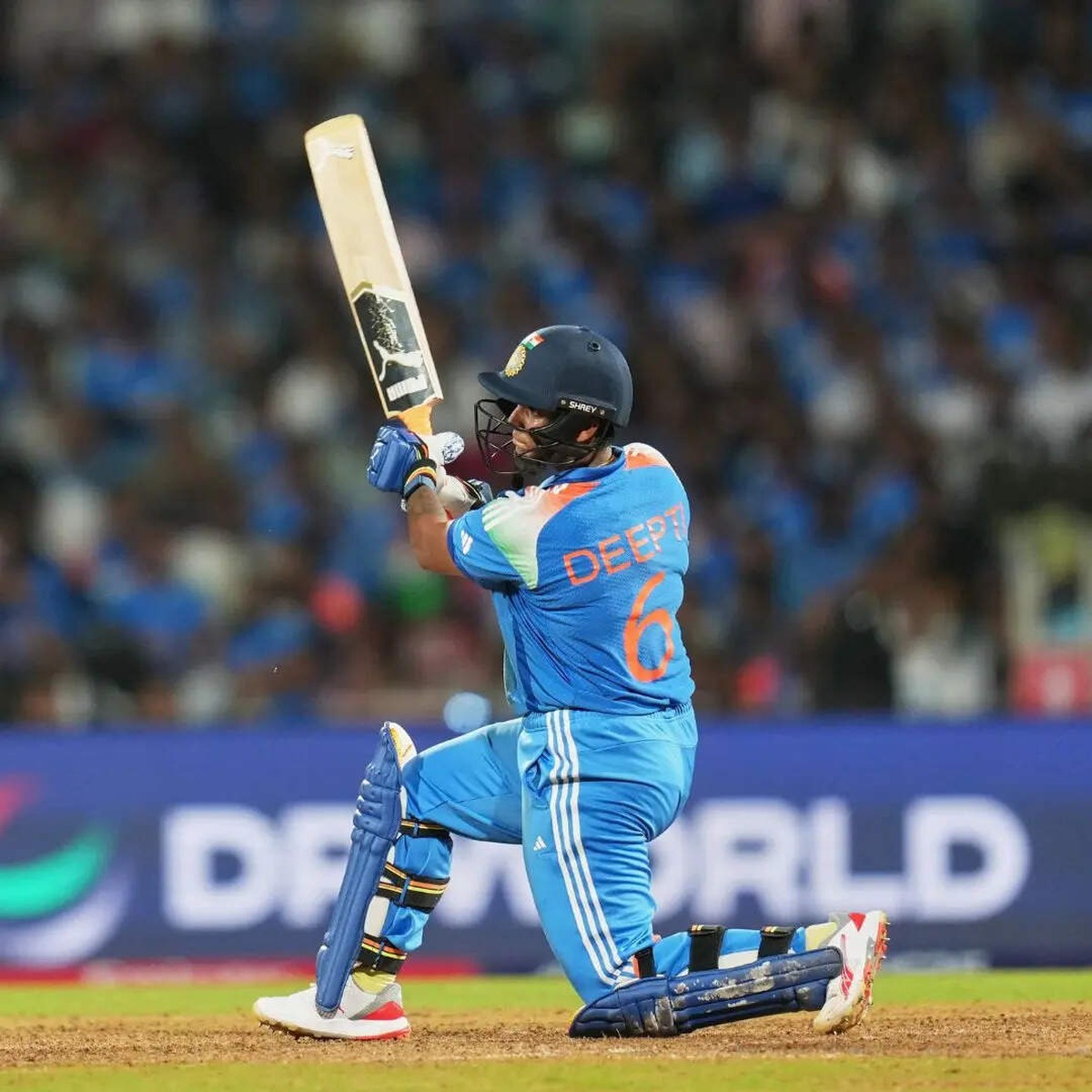
Sharma appears in public images as a batter, teammate and national representative. This portrait helps establish who is pictured; the reported exchange, rather than this image, supports the tattoo details.
Keeping those roles separate matters. A face-visible photo can identify a person without showing a tattoo, while a tattoo close-up can document placement without explaining the wearer’s reasons. Each image has a different job, and the caption should say which one it does.
A tournament memory beyond the scoreboard
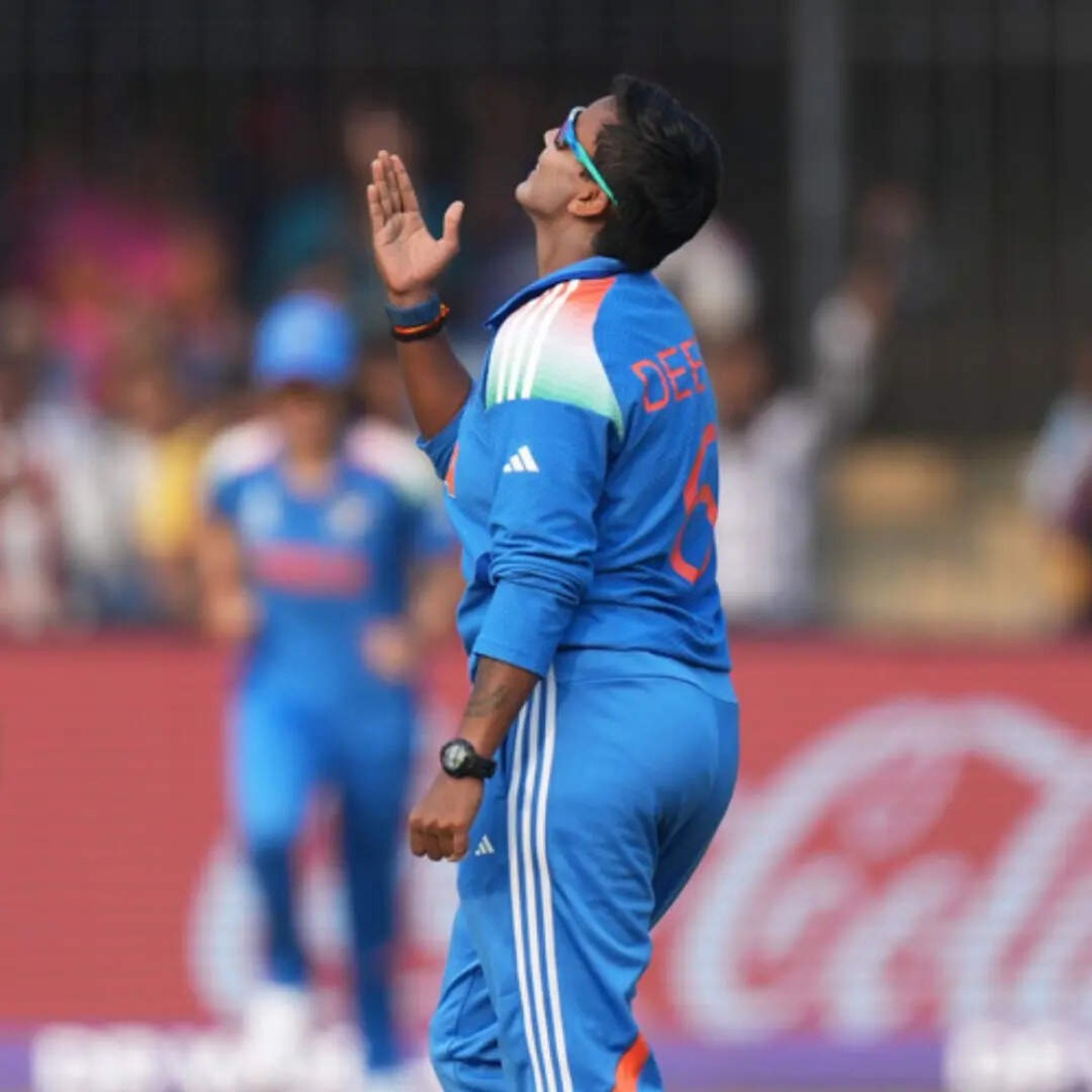
The celebration setting places Sharma among teammates, flags and official recognition after the World Cup. It gives the tattoo’s public appearance a career context, but it doesn’t show that the design was made for the tournament.
A later photograph can connect an older tattoo to a new public moment. The mark stays the same; the event around it changes how viewers encounter it. There’s no need to add a literal sports emblem to make that connection.
The wider frame keeps the moment open
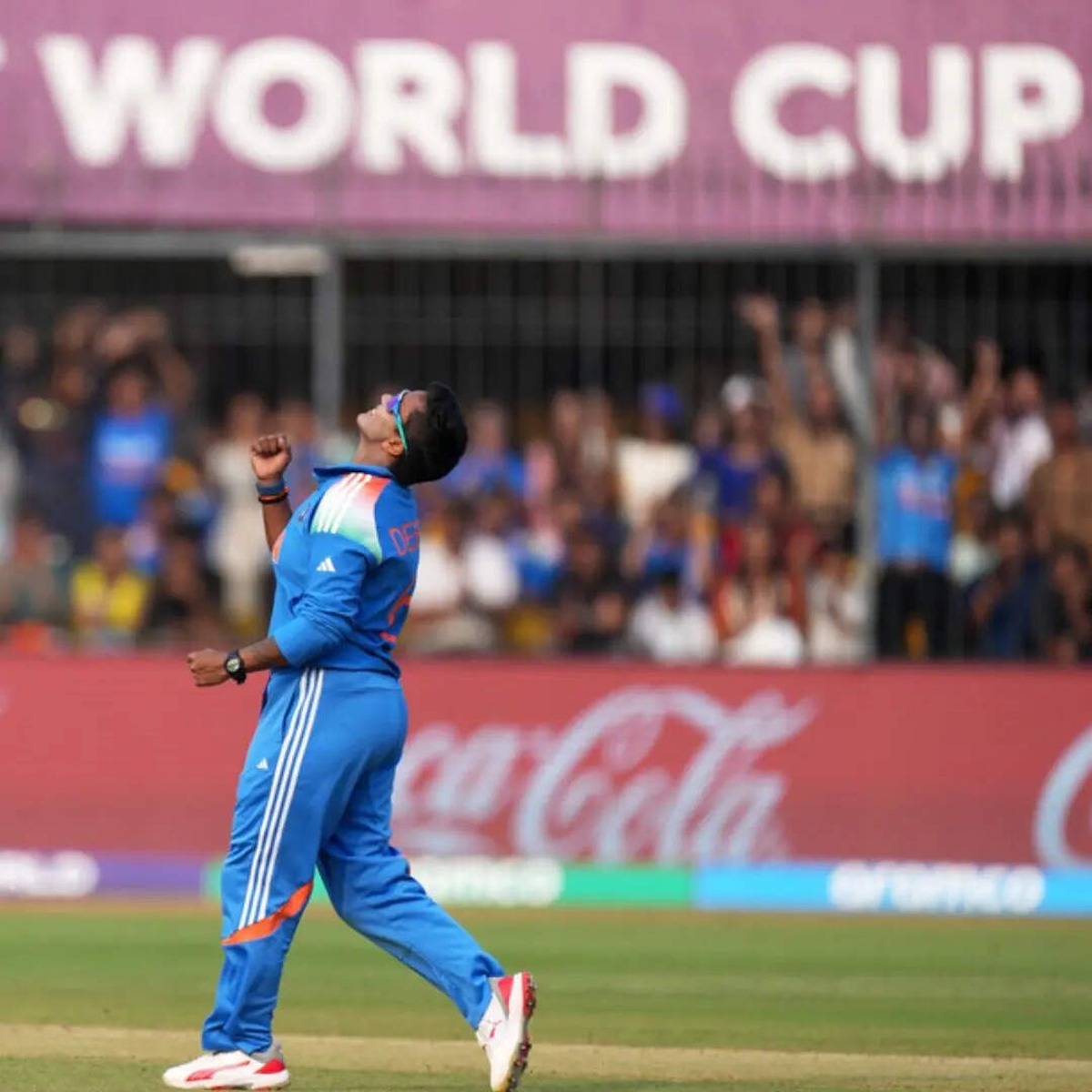
The available images are different kinds of references. The India Today report and celebration portrait provide the tattoo context; the supplemental sports portraits show Sharma in other public settings. They should not be presented as if each one reveals the design.
For anyone studying the tattoo, keep the visual anchor simple: one documented Hanuman figure on the left arm. The sources don’t establish a larger collection, so there’s no reason to build a complete “tattoo map” from unrelated portraits.
The quiet centre of the collection
The article documents one tattoo, not a full collection or a single style shared across Sharma’s body. The left-arm image is the clear reference. Its size, position and cultural subject are visible; its personal meaning beyond the reported Hanuman identification is not.
That boundary still leaves practical details to study. Notice the arm placement and how the mark appears with different sleeves and poses, without copying the figure or assigning Sharma a story she hasn’t told publicly.
How context changes the way a mark is read
The same tattoo can appear in a formal meeting, a match photo or a celebration portrait. Clothing, posture and the occasion change what draws the eye, even when the design itself hasn’t changed.
A useful photo set can combine images that answer separate questions: one source for the confirmed tattoo, another for the athlete’s face and setting. Supplemental portraits can add context, as long as they aren’t captioned as tattoo evidence.
What the documented photographs actually show
India Today reported that Deepti Sharma has a Lord Hanuman tattoo on her left arm and that Modi noticed it during a meeting after India’s women’s World Cup success. Times Now Hindi’s gallery adds photographs of the exchange. The other images here show Sharma in match and public settings.
These sources don’t name the tattoo artist, give an appointment date or explain every personal meaning. The confirmed detail is enough to describe the tattoo and its placement without filling the gaps with guesses. A respectful account leaves the private story with the person wearing it.