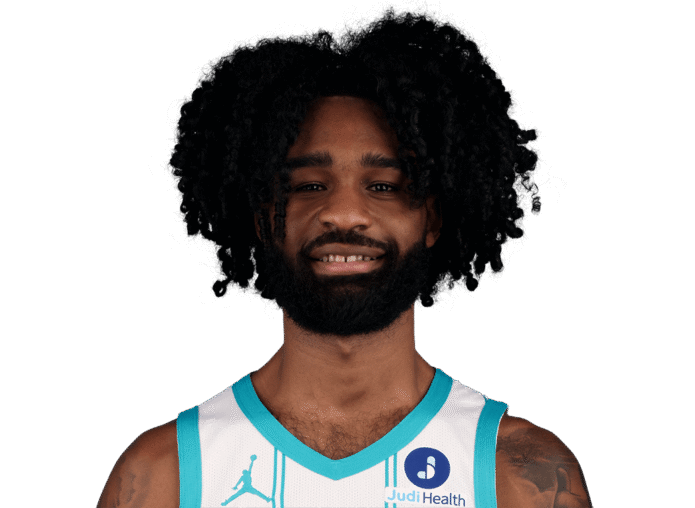
Coby White’s tattoos began with a memorial on his right upper arm and later grew into black-and-grey coverage across both arms. He has explained the first piece himself; photos and later reports show how the surrounding sleeve developed, though not every design has a public meaning.
Coby White’s “FMF” tattoo keeps his father at the center
White’s first tattoo is the script “FMF,” short for “For My Father,” on the inside of his right biceps. In a Players’ Tribune account written before the 2019 NBA Draft, he connected the phrase to his father, Donald White, who died of liver cancer in 2017. He had also used “For My Father” at the end of social-media posts.
The lettering is compact and flowing. Early Bulls portraits show it high on the inner arm, where it becomes more visible when White lifts or flexes his arm.
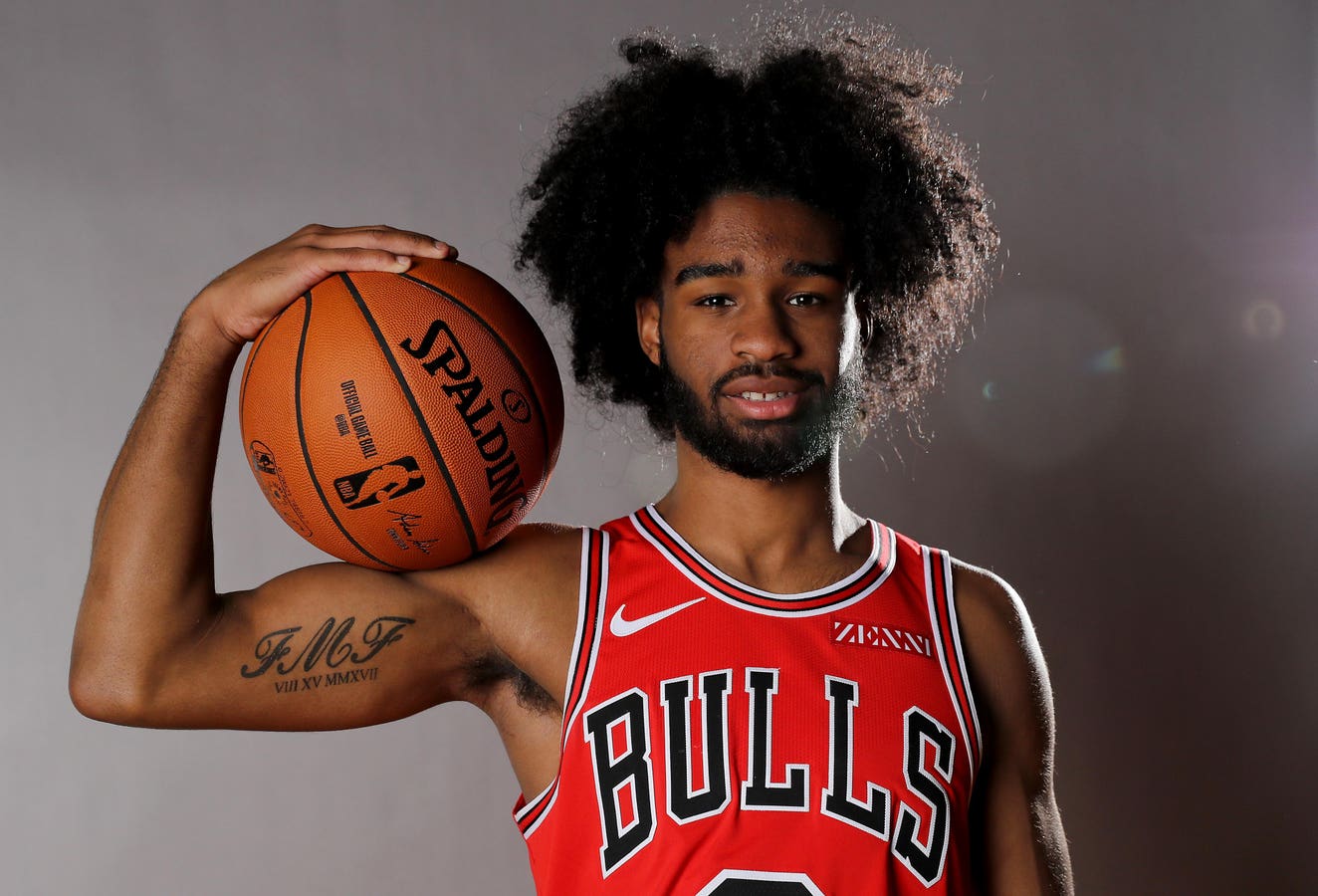
White’s account makes the initials a documented memorial rather than a meaning inferred from a photo.
The Roman numerals and dates around the tribute
The Roman numerals sit beneath FMF as a separate line. In early studio photos, both parts form a small, readable tribute on the upper arm.
Later sleeve photos show additional ink around it, but the original lettering and date remain visible. The open space around the first design in early pictures makes its two lines especially clear.
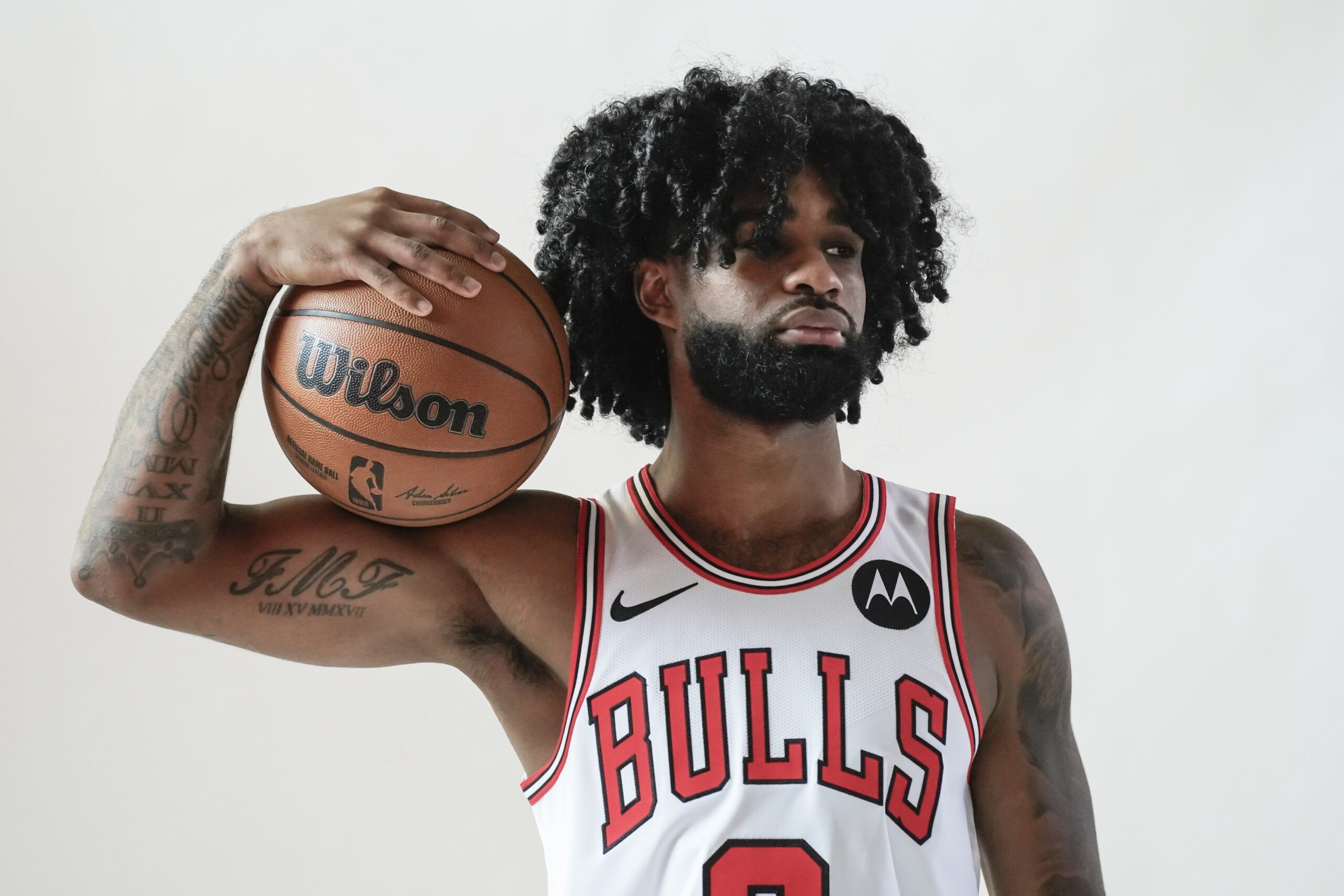
Coby White’s chest and arm lettering
Later photographs show lettering and shaded illustrations across White’s forearms and upper arms. The work is mostly black and grey. Some marks follow the length of the forearm, while FMF remains the easiest text to read on the right arm.
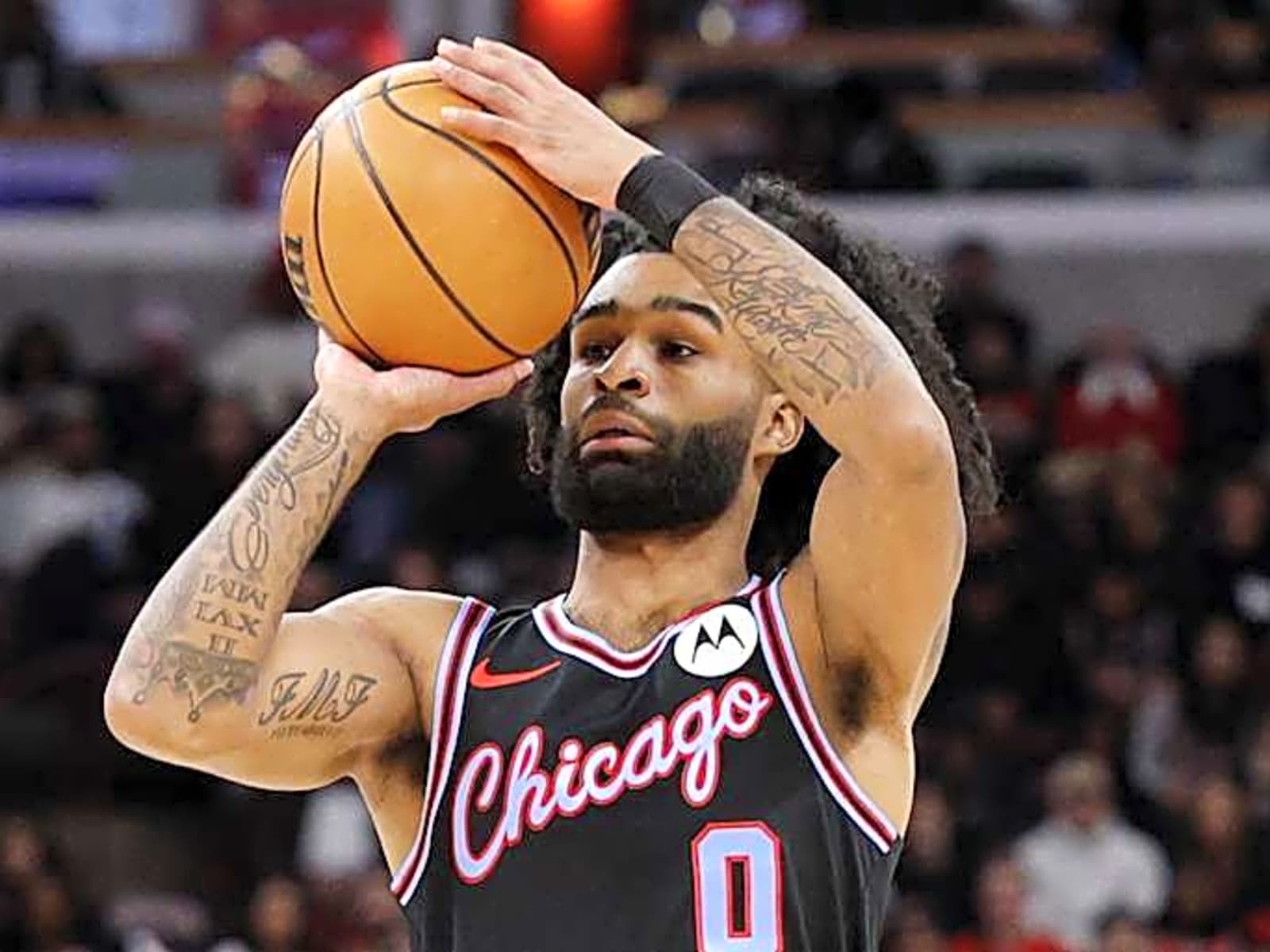
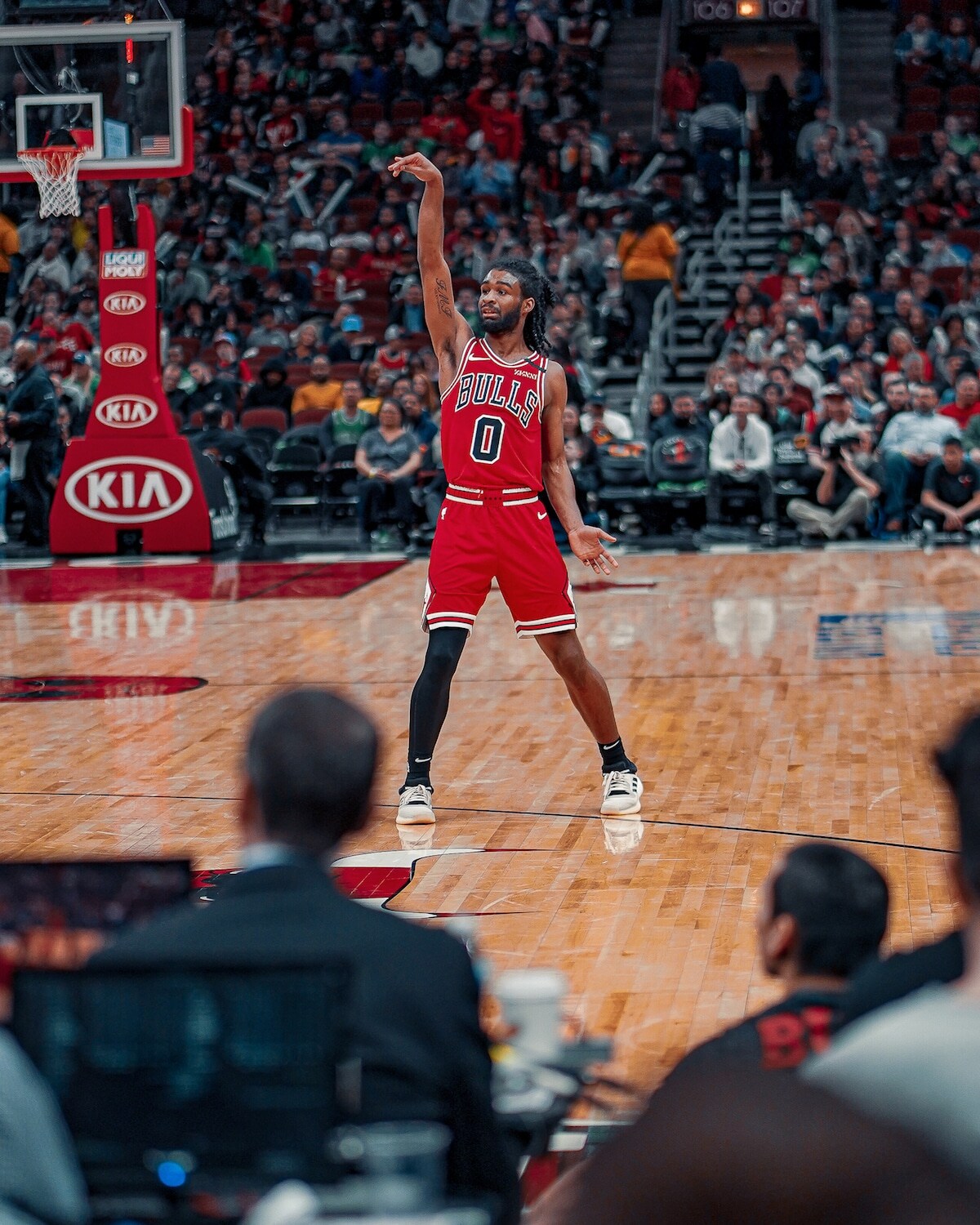
Game photos catch different sections as White raises the ball or follows through on a shot. They show the extent of the coverage, but the available sources don’t identify the meaning of every later design.
How the sleeve grew around the original tribute
Reports place the expansion beyond the FMF tribute around 2020 and name North Carolina tattoo artist Zackell Perry. They describe prayer imagery above the shoulder, including folded hands and a reference to Philippians 4:6–7.
The new work filled in areas around the memorial rather than covering it. Photos show prayer hands and text higher on the arm, with darker shading extending toward the forearm. The two arms aren’t identical: the left appears denser in some portraits, while the right keeps the FMF lettering as a clear focal point.
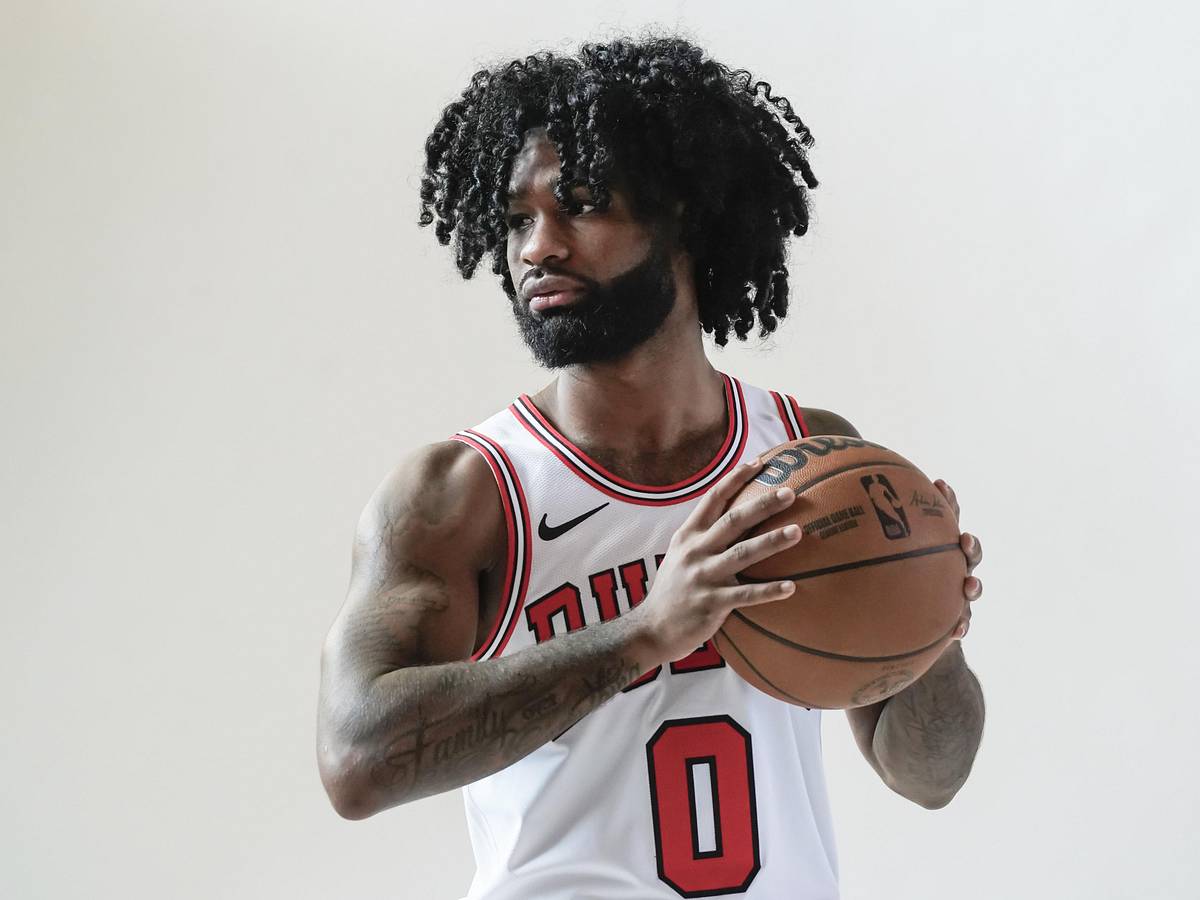
The imagery visible in Coby White’s later tattoo photographs
In close portraits, parts of the left forearm and area near the elbow appear more densely shaded than the FMF script. The available captions and reports don’t identify every surrounding shape, so those areas can be described by their placement and texture without naming symbols.
The timeline from first tribute to professional coverage
White’s father died in 2017, and by the time White wrote about FMF before the 2019 NBA Draft, the memorial was already part of his story. Later coverage places the sleeve expansion around 2020. Photos show the original tribute still present as the surrounding work grew, but don’t date each addition.
What the photographs show about placement and scale
An early studio portrait isolates the memorial; a Yardbarker game photo and an NBA gallery image show more of the arms during play. A raised arm exposes more of the sleeve, while a tight crop can make the same coverage look compact.
How the visual record develops over time
White’s own writing and the Players’ Tribune account establish the meaning of FMF and its connection to his father. Later reporting adds the artist and prayer imagery; photographs document the broader coverage, without confirming the meaning of every design.
That leaves a clear distinction between the memorial White has explained and the surrounding ink that remains visually documented but partly private.
Sources and documented tattoo details
The Players’ Tribune provides White’s account of his father and the FMF phrase. ESPN also identifies the lettering as “For My Father” and places it on his right biceps. ClutchPoints discusses the early tribute, while later coverage describes the sleeve work and prayer imagery. The photos show the change from the original memorial to fuller arm coverage.