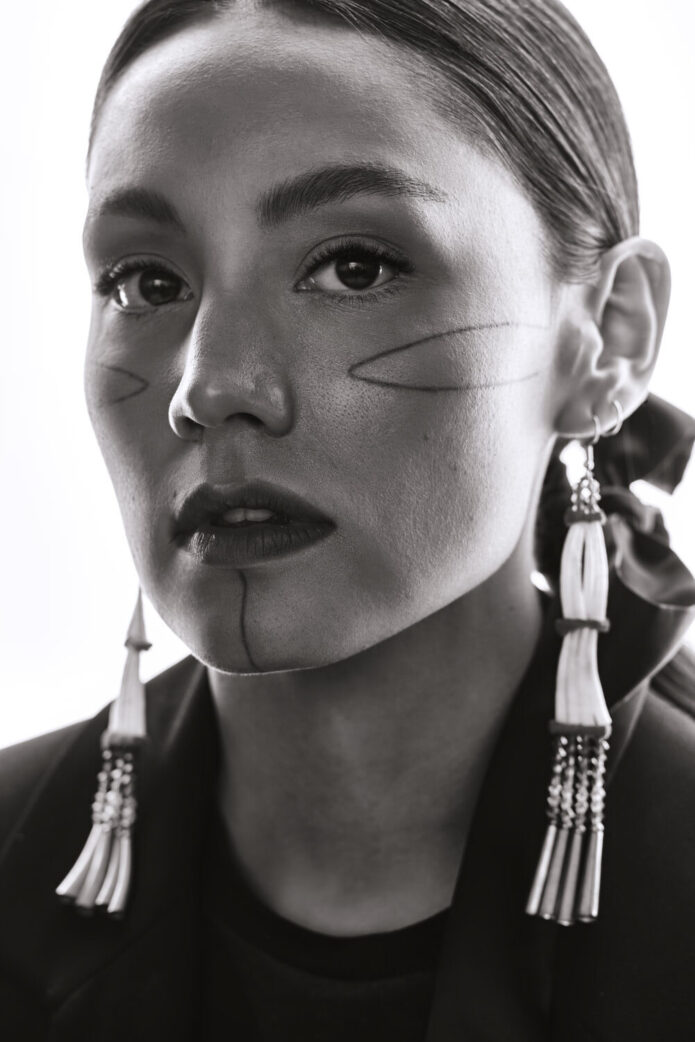
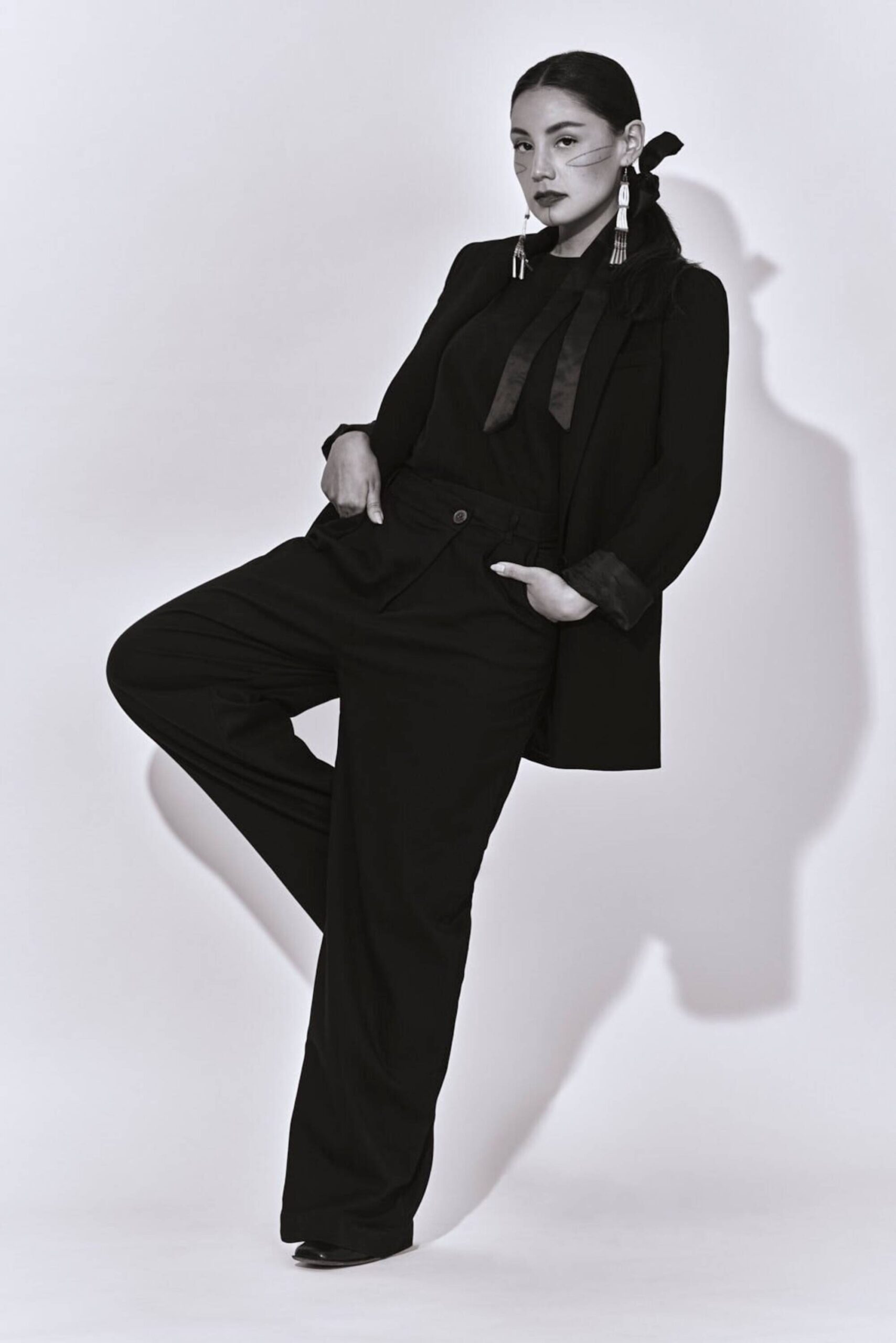
Shina Novalinga’s tunniit includes a narrow line from below her lower lip down her chin, with geometric marks across both cheeks. She has spoken about the markings as traditional Inuit facial tattoos and about the cultural history behind her choice.
Inked Magazine and Novalinga’s interviews place the markings within Inuit cultural history and a broader revival. The photographs show where the lines sit; her own words offer the context she has chosen to share.
Shina Novalinga’s tunniit tattoo centres on a single chin line
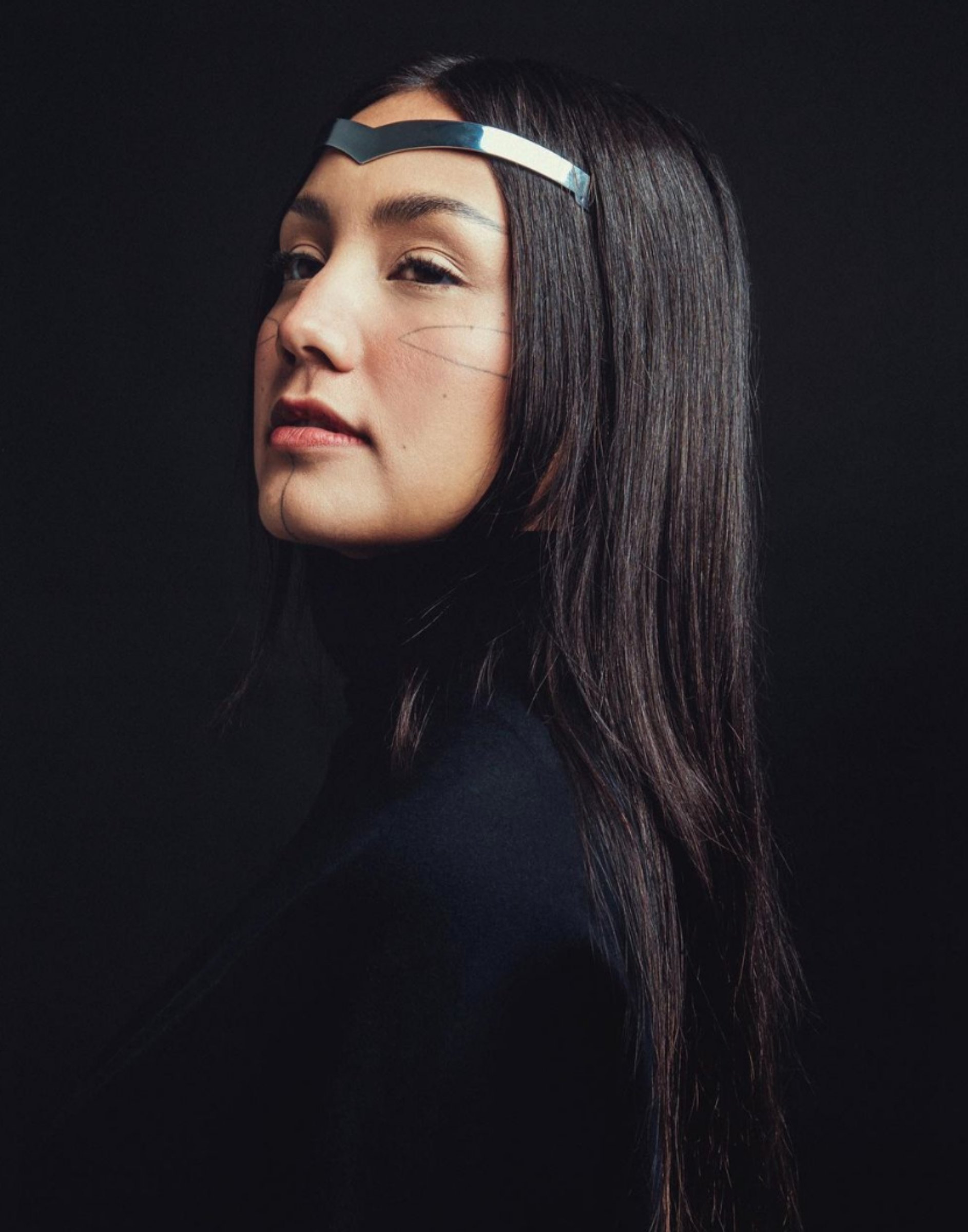
The fine line begins below Novalinga’s lower lip and runs down the centre of her chin. It follows the natural line of her mouth, making it visible when she speaks or smiles without covering much of her face.
Inked’s reporting places the chin mark within tunniit, whose designs differ among Inuit people and communities. The line can look softer or sharper with light and expression, but the placement stays the same; the photograph alone can’t establish one universal translation.
The cheek tattoo marks create a balanced geometric frame
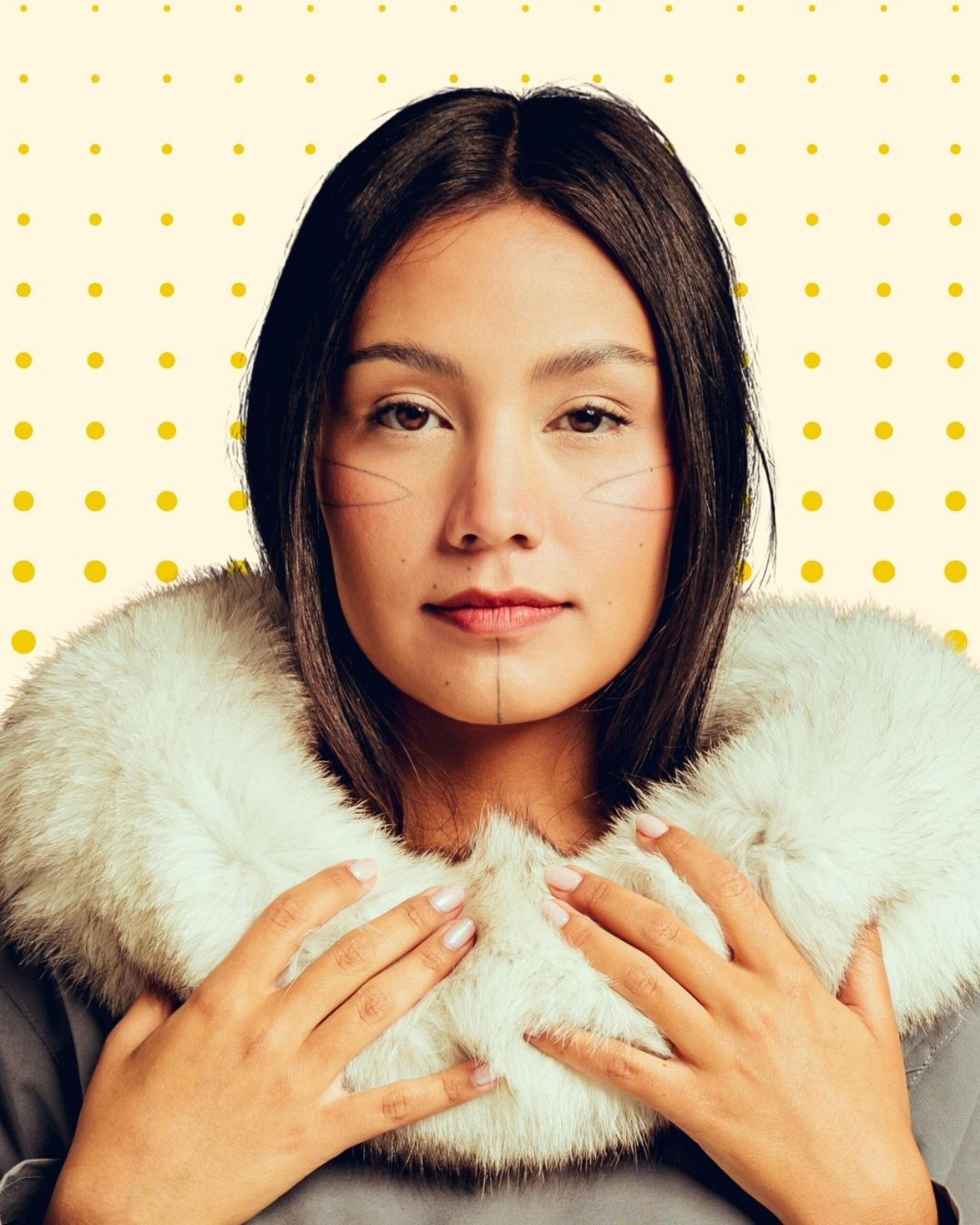
The two cheek marks sit near the sides of Novalinga’s nose and extend outward in open, pointed shapes. They frame the vertical chin line: one mark in the centre, with a line on either side.
Novalinga has said the cheek designs felt right on her face and made her feel beautiful and powerful. The photographs show their geometry, while her own words explain what she has chosen to share. The exact meaning of each stroke remains personal.
Her facial tattoo is visible in both intimate and editorial portraits
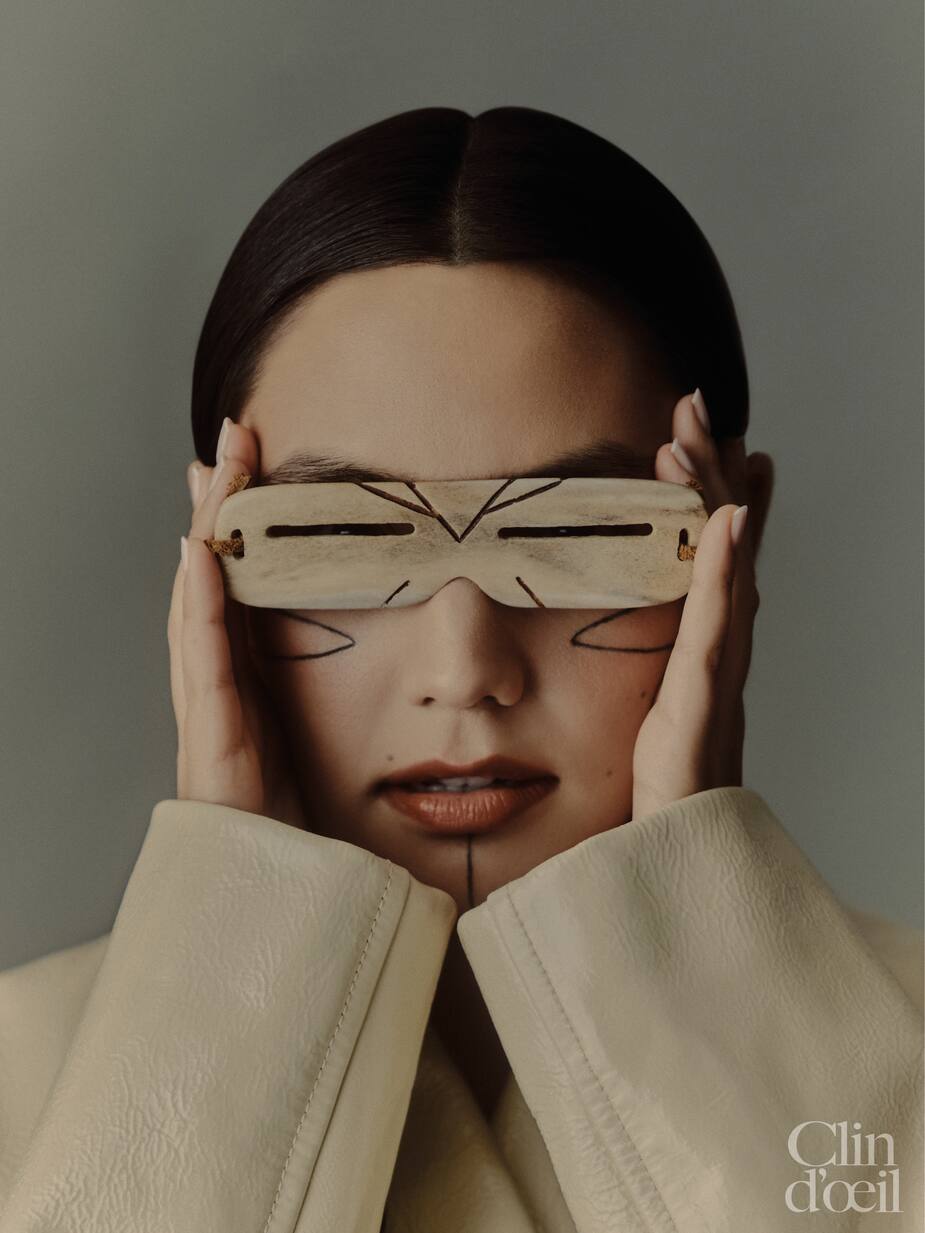
The markings appear in both informal and editorial portraits. A Yahoo profile shows Novalinga outdoors with braids and fur against an open sky. Time’s creator profile uses a closer, front-facing image that makes the spacing between the cheek marks and chin line easier to see.
The styling changes, but the placement stays consistent. These photographs document how the designs look in different settings; Novalinga’s interviews provide the cultural context and her own account of why she chose them.
The tattoo marks connect Novalinga’s public image with Inuit cultural renewal
Inked Magazine describes how Christian missionaries targeted Inuit facial tattooing and how the practice became less common as Indigenous traditions were suppressed. Novalinga has spoken about younger Inuit women reconnecting with those markings. Her choice sits within that broader revival, rather than being only a change in personal style.
The reports also describe Novalinga and her mother travelling together and receiving facial markings around the same time. Their shared experience connects the designs to family, while the markings remain individual.
Family, memory, and cultural continuity
Novalinga has described learning about tunniit before getting tattooed. She studied its history through Nunavik Sivunitsavut, a program focused on Nunavik history, politics, governance and arts, and then chose Inuk tattooer Zorga Qaunaq for the hand-poked work.
Novalinga has linked her markings with womanhood and pride, while keeping some meanings private. The available reporting supports those points without assigning an explanation to every angle or line.
A public image shaped by cultural belonging
Novalinga appears in music profiles, cultural reporting and her own videos, with the markings visible across those settings. She uses interviews and educational posts to talk about Inuit traditions with a wider audience, grounding the discussion in her own experience.
Braids, earrings, fur, tailoring and outdoor clothing change from one portrait to another, but the chin line and cheek marks remain recognisable. The tattoos are part of how she presents herself, not a detail removed when the setting or styling changes.
Close photographs show the tattoo’s line quality and restraint
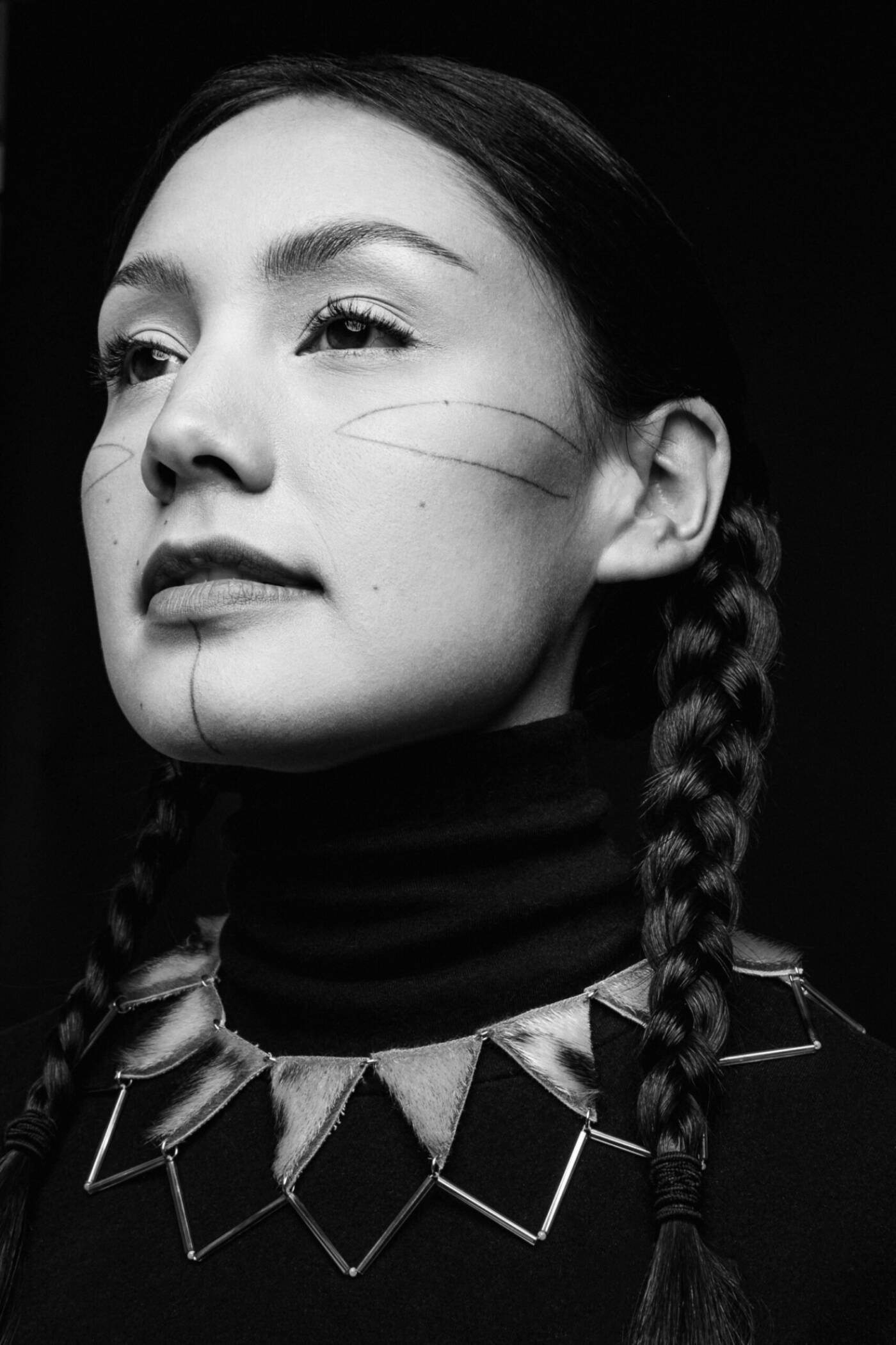
Close photographs show fine lines and open spaces rather than solid panels of ink. The cheek shapes stay separate from the eyes, nose and lips, and the narrow chin mark leaves Novalinga’s expression visible.
A front-facing portrait makes the cheek marks look balanced; a turned head or side lighting changes how long or dark they appear. The design remains the same across those views. Novalinga’s interviews explain the history and personal context she has shared, while the images show the placement and line work.
The video below shows Novalinga’s own record of receiving the markings and speaking about the experience.