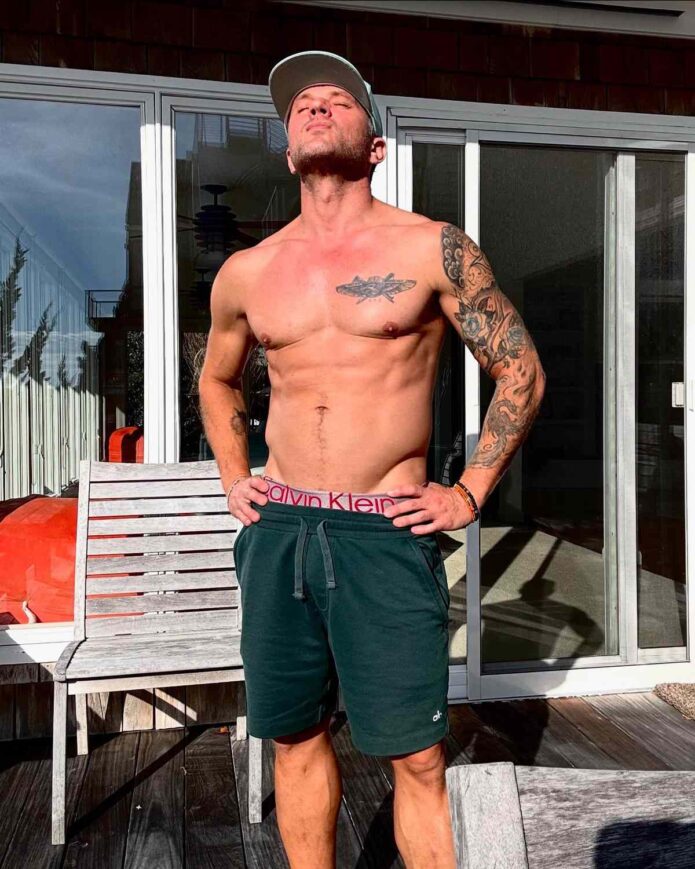
Ryan Phillippe has described his tattoos as a map of his life. Recent People portraits show a dense arm sleeve and additional ink across his chest and shoulder; interviews connect some of those designs with family, work and personal changes.
Ryan Phillippe’s sleeve makes his tattoo history visible
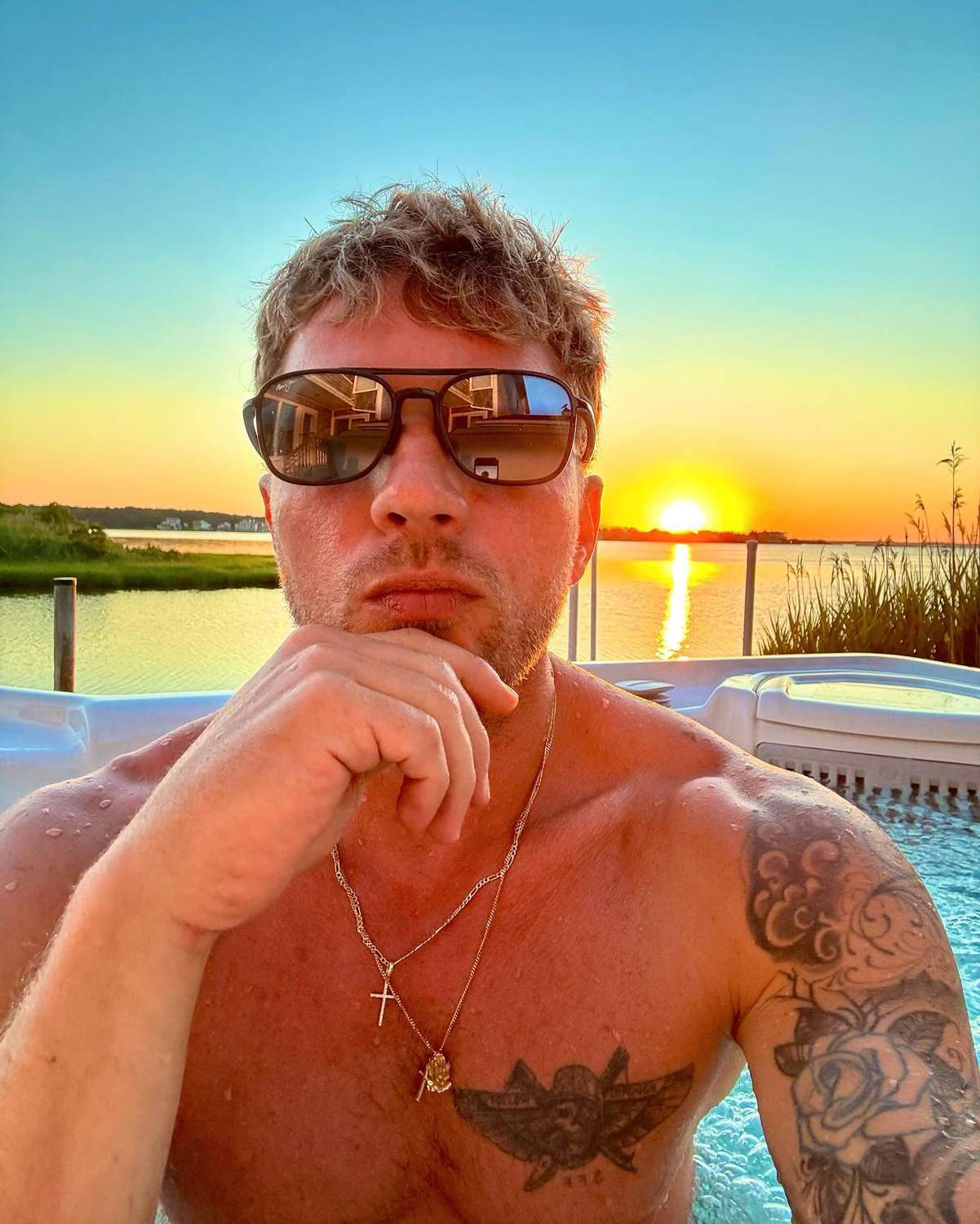
In recent shirtless portraits, Phillippe’s sleeve is the largest visible piece: shaded images and dark outlines run from his upper arm toward the forearm. The arm sits alongside chest and shoulder tattoos, but it is not a single design with one meaning.
In a Harper’s Bazaar interview, Phillippe called the left arm a work in progress and discussed individual tattoos. People portraits offer a later view of the coverage. Together, the interviews and photos show a collection added to over time, though they do not identify every visible mark.
The phoenix and blue rose carry documented meanings
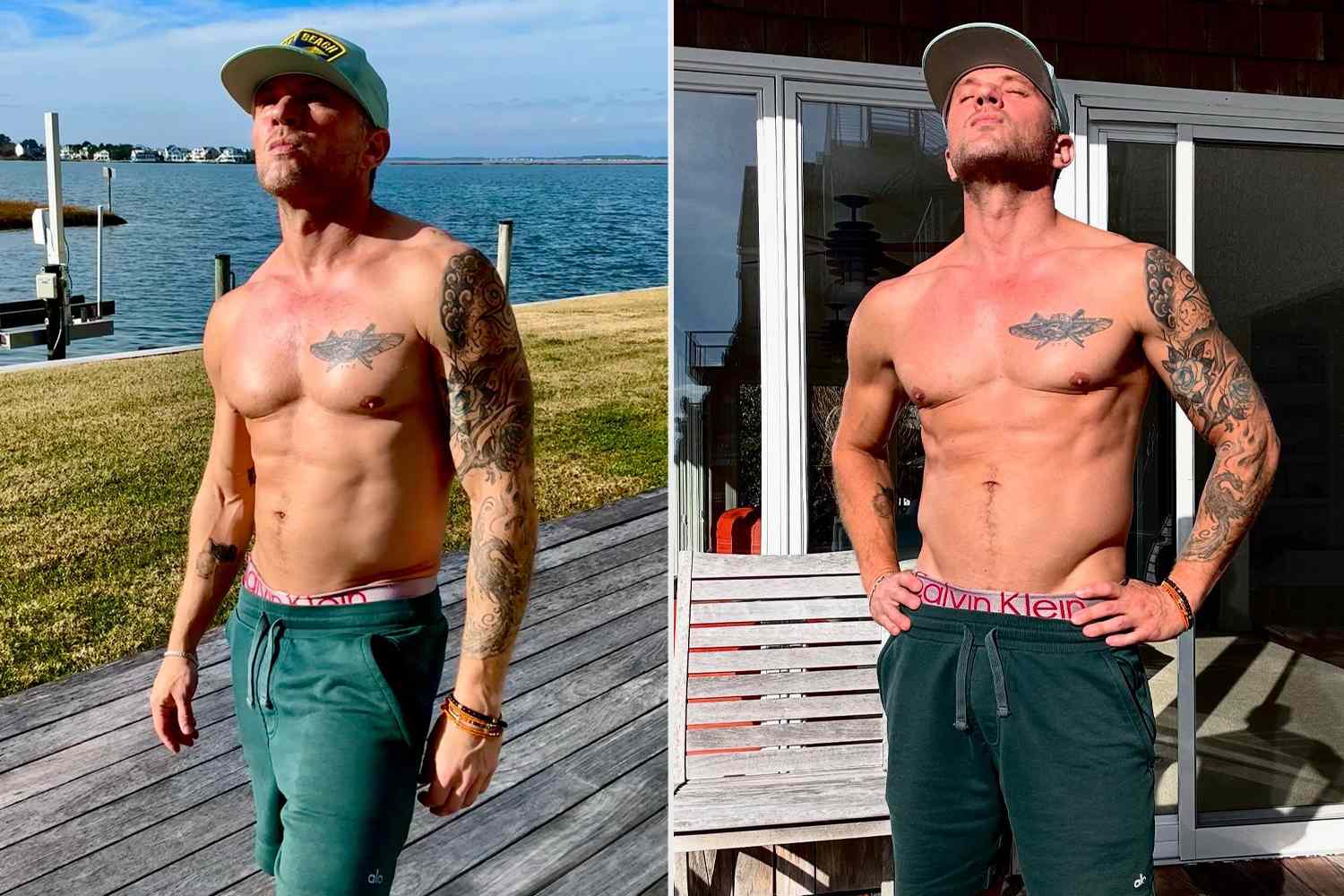
Phillippe has linked the phoenix to the period after his divorce, describing it through the image of rising from the ashes. He said the blue rose came from a trip to Beijing and connected it with Chinese mythology about an unattainable beauty or perfection.
The two tattoos point to different parts of his life: the phoenix to a personal change, the rose to a place he visited and an idea he associated with it. The interviews explain those meanings; the portraits show the designs within the wider sleeve.
The family hand tattoo anchors Ryan Phillippe’s chest imagery
One of the clearest family designs shows Phillippe’s grandfather’s hand holding his son Deacon’s. Tattoo artist Mister Cartoon made the piece, which Phillippe has identified in interviews. It links three generations through the image of one hand holding another.
A separate People portrait shows the chest and upper body from another angle. The written accounts place the family tattoo near the chest, though they do not map every nearby mark. The people represented and the artist are documented; details beyond that are less certain.
The alligator design records Ryan Phillippe’s Catch Hell chapter
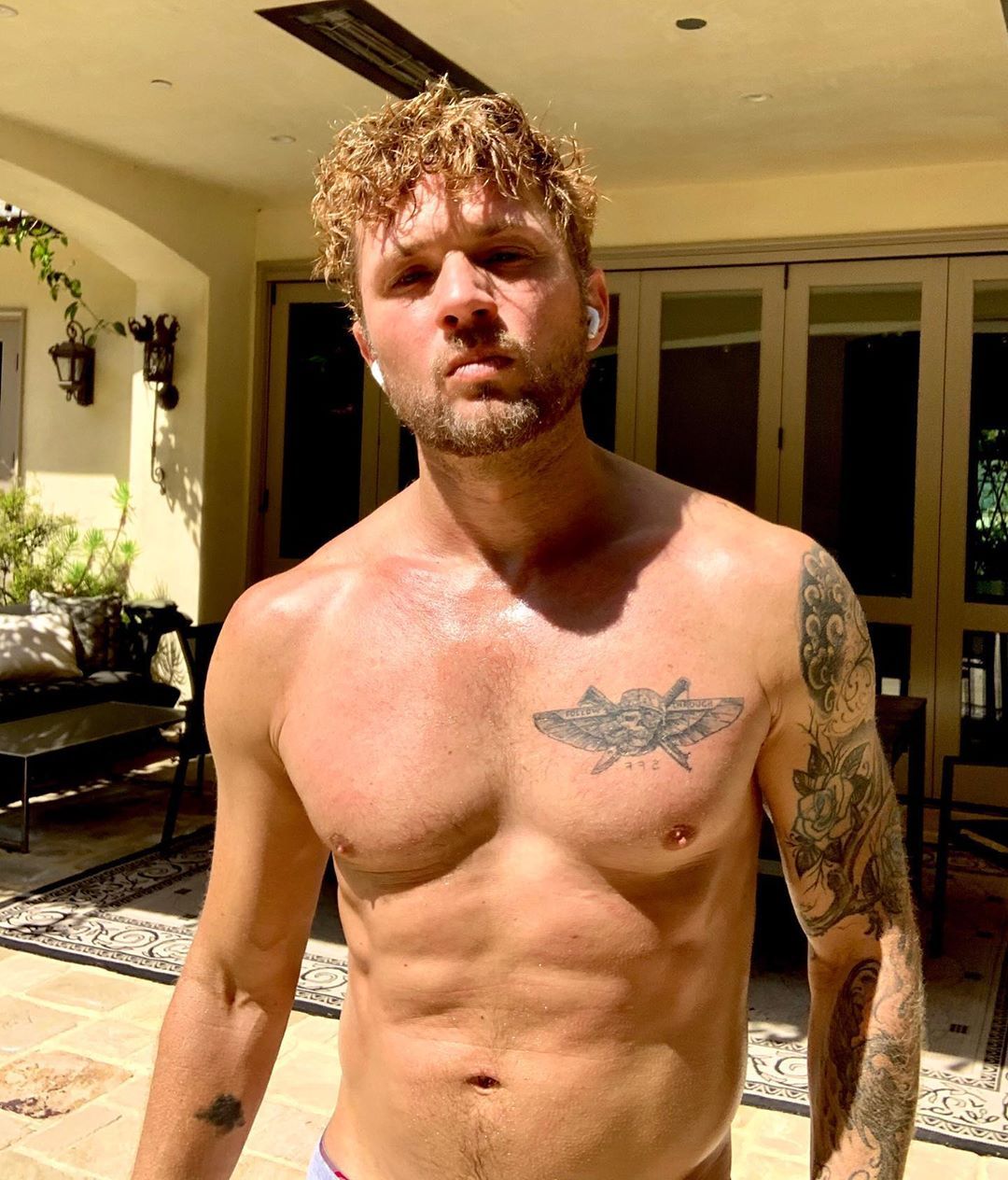
Phillippe connected an alligator tattoo on his leg with Catch Hell, the film he wrote and directed in Louisiana. The tattoo records that production period, and also shows that the sleeve is only part of his collection.
The tattoo also places a named design on his leg, beyond the upper-body work most often shown in portraits.
The arrow and Japanese symbol mark the collection’s early pieces
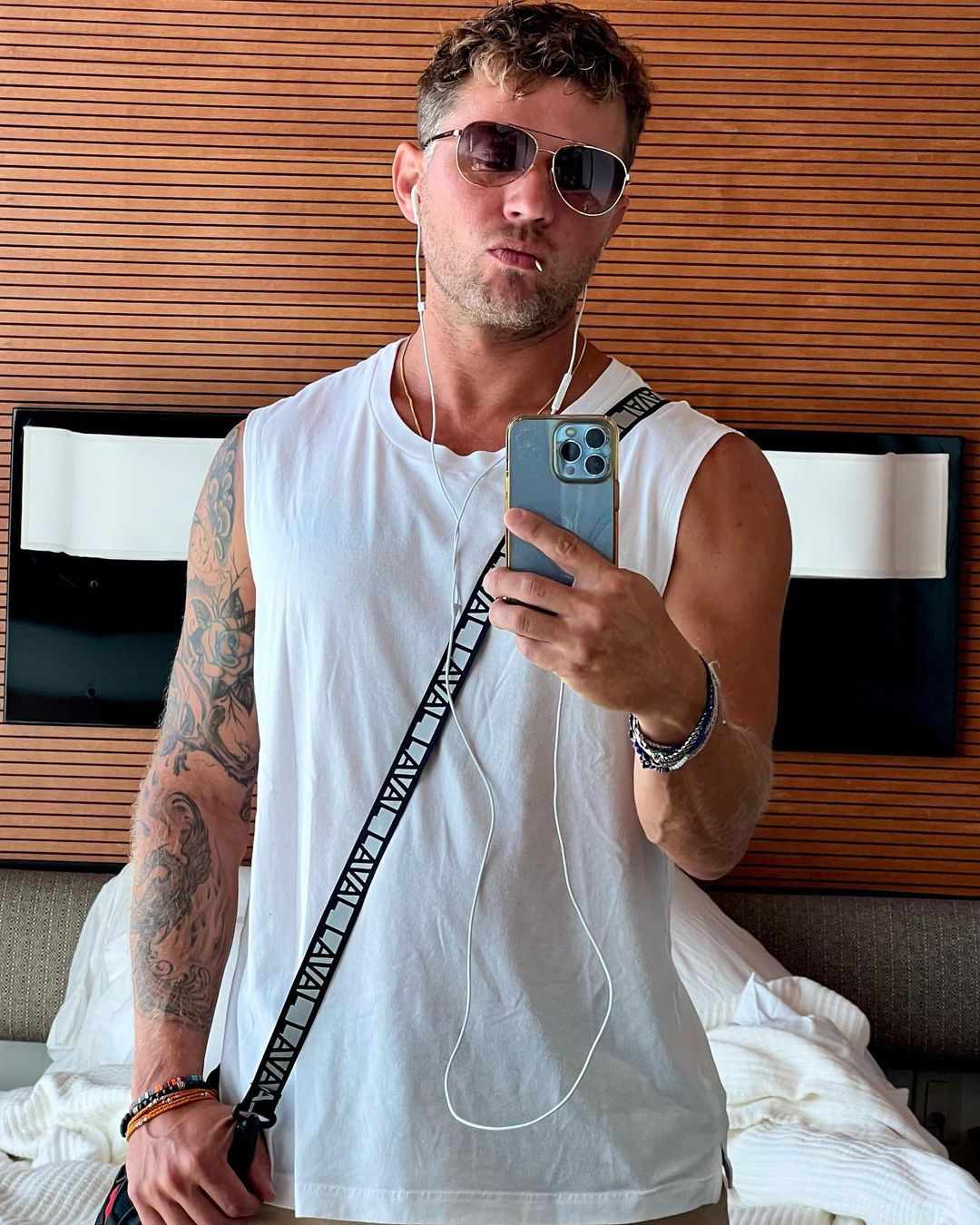
Phillippe said his first tattoo was a Japanese symbol he got in London at nineteen, while he was making White Squall. That early mark dates from before his late-1990s breakout.
He has also credited Dr. Woo with an arrow on his inner forearm. The symbol and arrow belong to different points in the collection’s history: one was his first tattoo, while the other is a later, specifically credited addition to the sleeve.
A personal timeline over years
Another family reference is the date 9/9/99, Ava’s birth date, tattooed on Phillippe’s shoulder. Along with the hand image representing his grandfather and Deacon, it is one of the pieces whose subject he has explained directly.
His account spans the Japanese symbol at nineteen, family tattoos, the phoenix, the Beijing rose, the Louisiana alligator and later arm work. Recent portraits show the accumulated coverage, while interviews place a few of those designs in time.
Meanings that remain attached to the record
The sources leave some of the collection unexplained. Phillippe has named several designs and their context; other marks visible in photographs can’t be assigned a meaning from appearance alone.