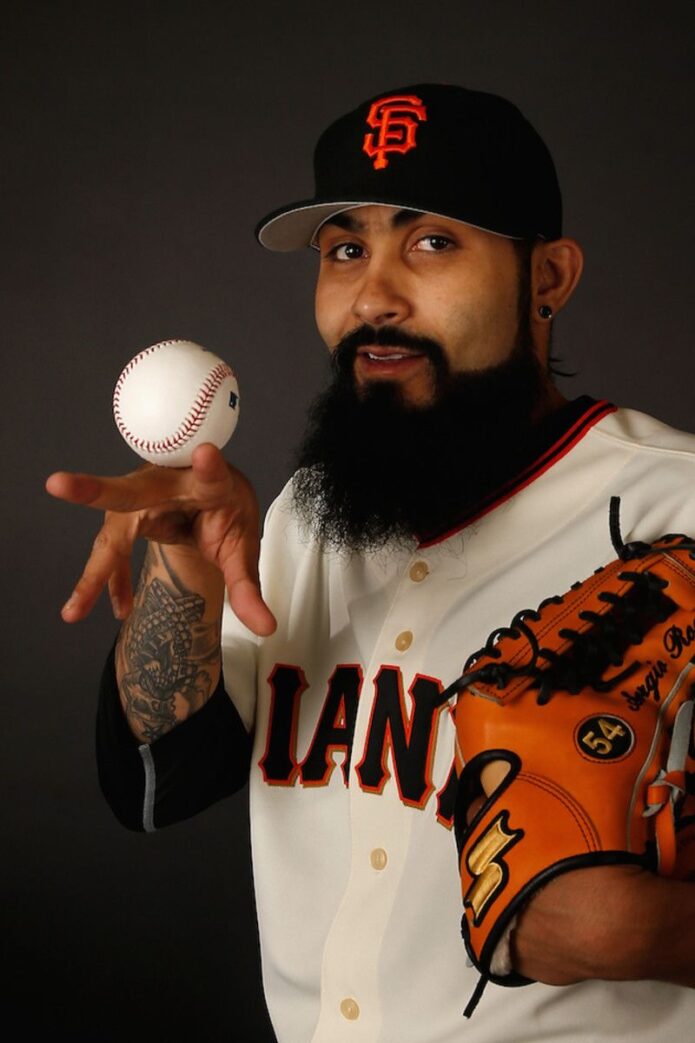
Sergio Romo’s tattoos are a visual record of competition, heritage, freedom and the private reminders he carries into public life. The former Major League Baseball reliever has described ink across his arms, chest, neck and back, with several pieces tied to the way he sees pressure, identity and family history. His collection combines large illustrated work with short phrases that function as personal signals.
Romo has discussed several designs in interviews and tattoo-tour conversations. The most clearly documented pieces include the phrase “Without struggle there is no progress” on his left forearm, “Live free” beneath his right ear, a demon composition on the right arm, a joined American and Mexican flag design across his back, and a Sistine Chapel image with a sunset on his torso. His photographs show those pieces as part of a dense, highly individual collection rather than a single uniform style.
The available reporting gives the tattoos distinct meanings without turning every visible mark into a guess. Some designs are explained directly by Romo, while others are documented mainly through photographs and descriptions from baseball coverage. Together they show how the pitcher used lettering, religious imagery, national symbols and strange personal figures to describe his own story.
Sergio Romo’s “Without struggle there is no progress” tattoo
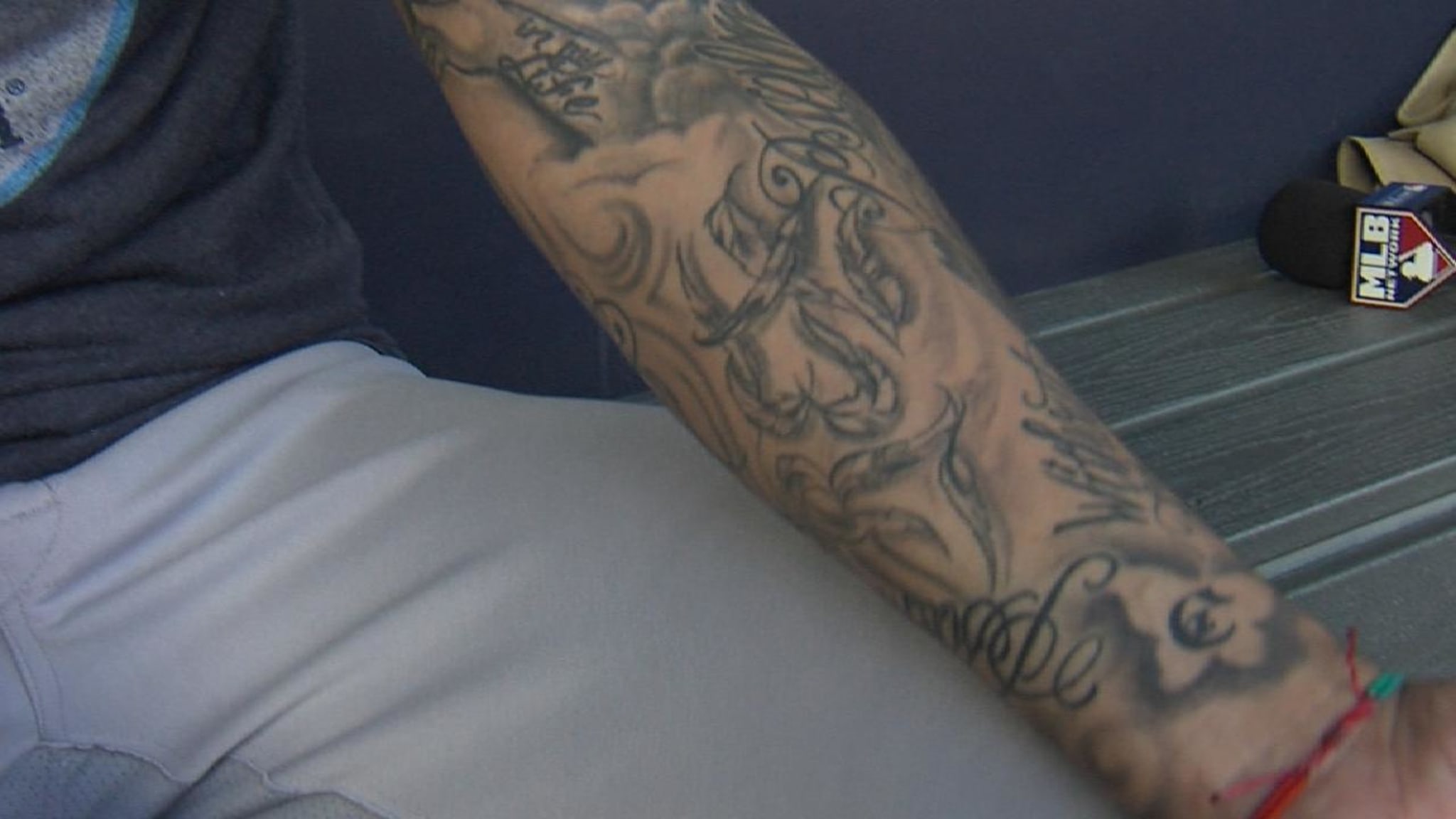
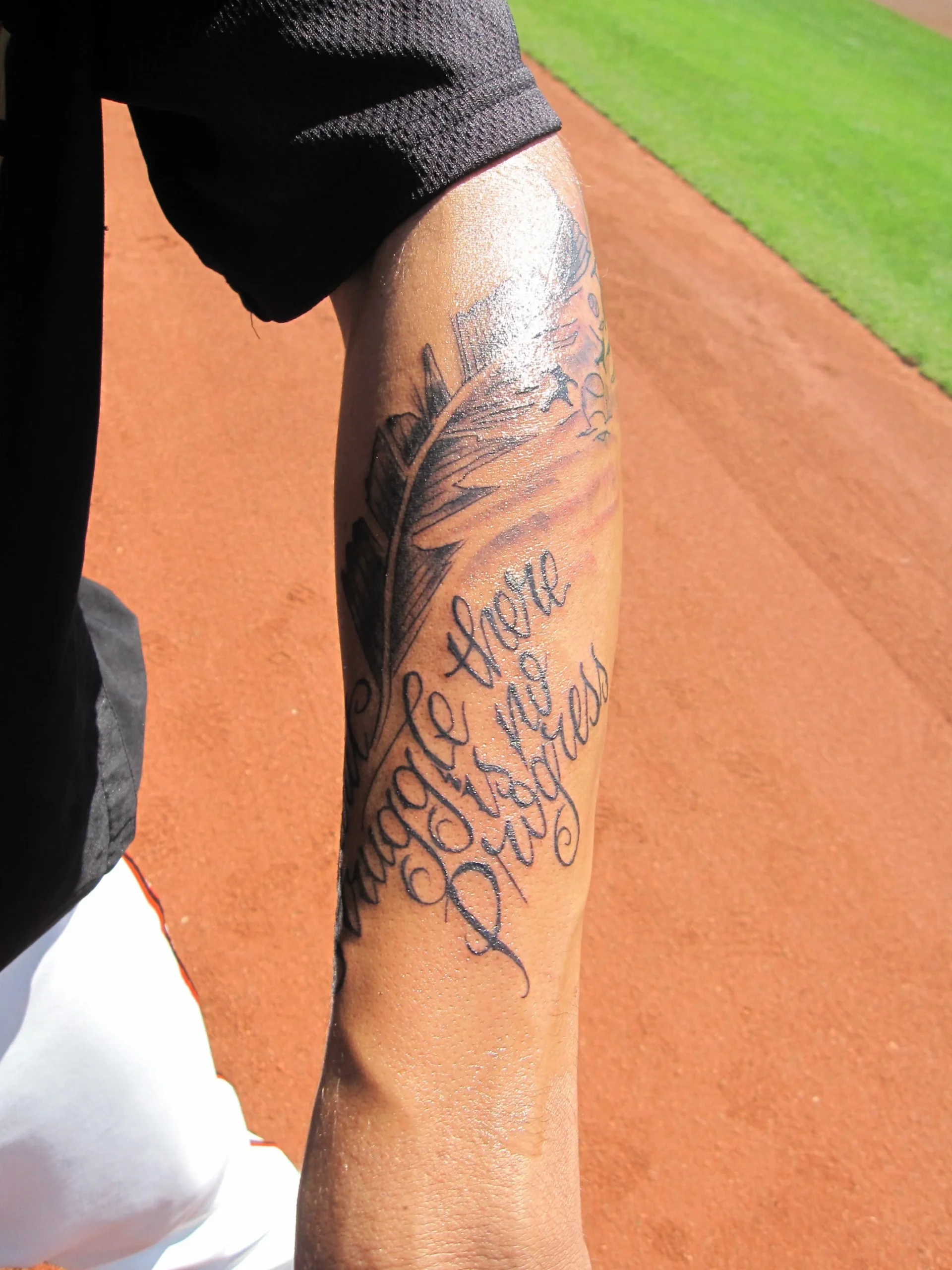
The most directly explained tattoo in Romo’s collection is the script on his left forearm: “Without struggle there is no progress.” The words run along the arm in a flowing handwritten style, making the phrase readable when his forearm turns toward him. Star Tribune reporting says Romo used it as a private reminder during tense moments on the mound, particularly when doubt could appear in a close game.
Romo connected the tattoo to the idea that difficult periods can produce growth. He described looking toward the writing as a reminder that earlier struggles had already been survived and that fear did not have to control the next pitch. The meaning is therefore more specific than a generic motivational phrase. In his account, the forearm lettering is attached to the emotional rhythm of professional baseball and to the personal work of moving through pressure.
The placement reinforces that private function. The left forearm is visible to Romo while he is set on the mound, but the tattoo is not positioned as a large public emblem across the chest or back. It stays close to the line of sight created by his pitching stance. The close photograph shows dark cursive lettering surrounded by other ink, with the phrase occupying a long vertical section of the arm.
Romo’s wording has also been connected in reporting to a Frederick Douglass quotation, although the available accounts do not establish that he intended a formal attribution when he chose the phrase. What is documented is the meaning he gave the tattoo himself: struggle is part of progress, and the inscription helps him remember that during moments when performance becomes most demanding.
The “Live free” lettering beneath his right ear
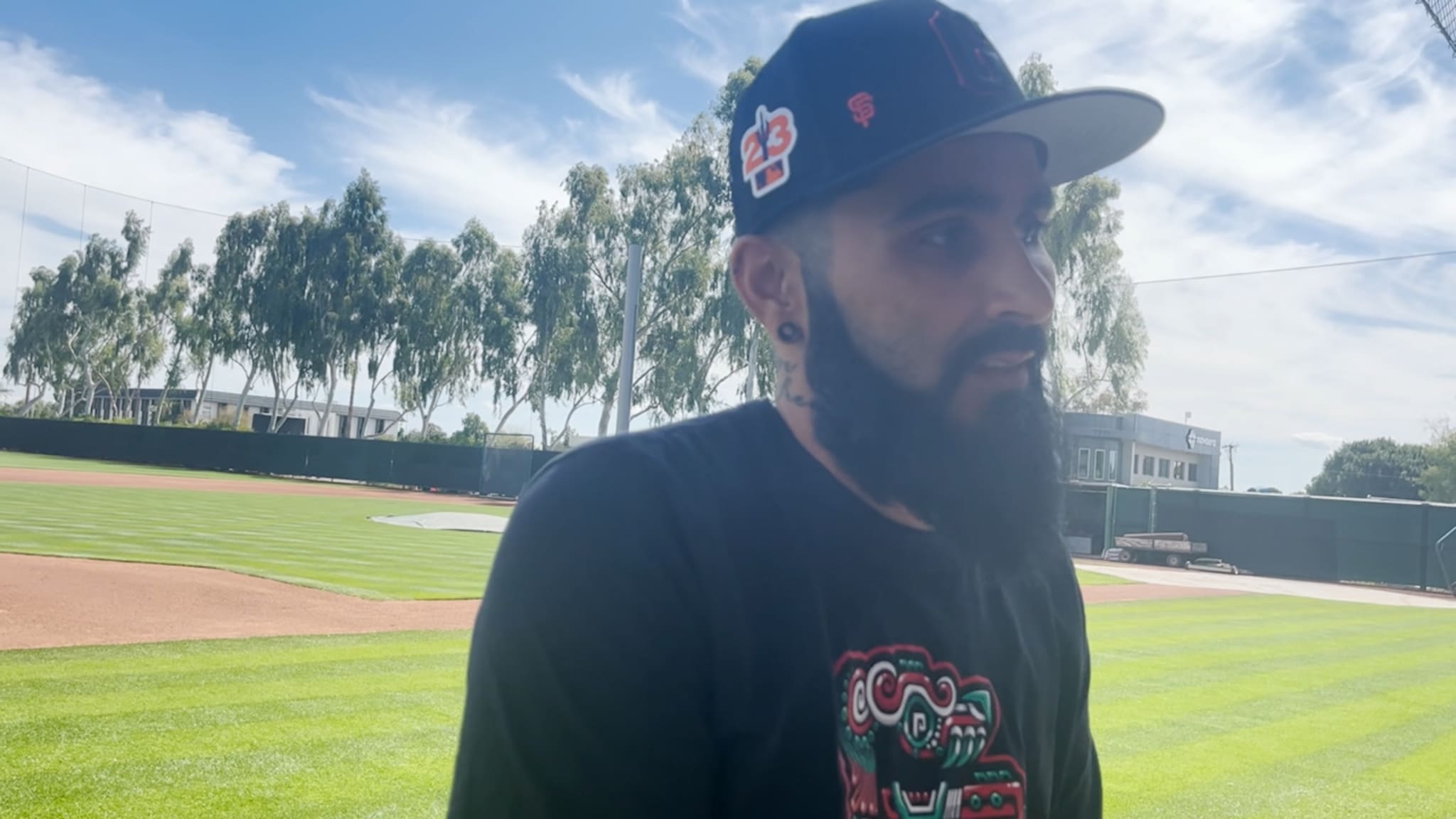
Romo also has the short phrase “Live free” on the right side of his neck, beneath the ear and partly framed by his beard. The lettering is compact compared with the long forearm quotation. Its location makes it visible in close portraits and interview images, while the words remain connected to the way Romo describes his life away from the baseball field.
In the Star Tribune interview, Romo explained that “Live free” expressed a desire to be himself without giving anxiety, stress or other people’s judgments unnecessary control. The phrase sits beside the more elaborate designs on his arms, but its visual simplicity gives it a different role. It is a small statement placed close to the face, where it reads almost like a personal motto.
The neck tattoo also shows how Romo’s collection changes scale across the body. The large arm pieces use layered figures and shading, while the neck carries only a few words. The contrast is visible in photographs where his head, beard and shoulders frame the writing. The phrase does not compete with the elaborate artwork on the arms; it acts as a concise label for the outlook he has described in interviews.
Romo’s spoken explanation is important because the words could otherwise be read in many ways. His comments connect the phrase to self-direction and freedom from negative power, rather than to a baseball statistic or a team slogan. The tattoo’s meaning therefore comes from the context he supplied, while its appearance remains a small, clear piece of lettering under the right ear.
The demon and monster faces on the right arm
The most unusual part of Romo’s tattoo collection is the group of monster faces and the larger demon on his right arm. A Tampa Bay media guide describes the bicep work as a series of figures representing different sides of his personality. The largest image is identified as his inner demon, while a melting face is associated with fear and the possibility of letting life pass without purpose.
Romo has linked the demon image to the way people sometimes described his competitive presence on the mound. The tattoo makes that metaphor physical. Instead of using a conventional sports symbol, he chose a distorted figure with a more unsettling visual language. The surrounding faces expand the idea into a cluster of moods, fears and impulses rather than a single character.
Photographs of Romo’s arms show the dense black-and-grey treatment used for the designs. The figures sit among lettering, ornamental shapes and other shaded elements, so the right arm reads as a layered collage. The close image of the forearm reveals how the heavy outlines and lighter interior shading keep the strange faces separate even when the pieces are placed close together.
The reported meanings are careful rather than absolute. The media guide documents the inner demon, melting face and several personal fears, but it does not claim that every small mark has a fixed public explanation. Romo’s own comments make the main point clear: the right-arm work reflects competing sides of his personality and the intense version of himself that appears in competition.
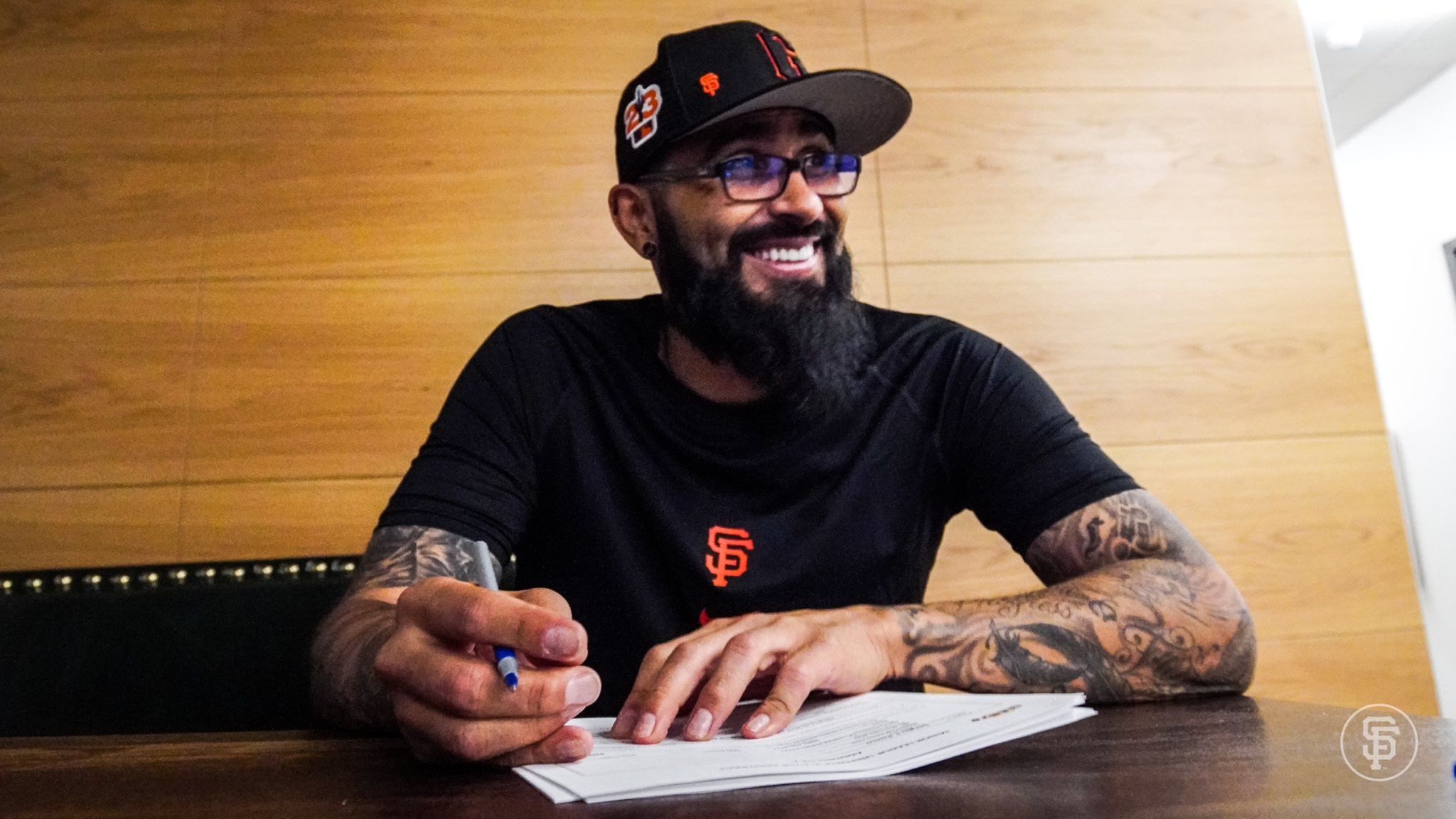
The tattooed arms and torso shown in Romo’s photographs
Romo’s back carries a joined American and Mexican flag design. The image is tied to his description of himself as being born in the United States with Mexican roots. Rather than treating the two flags as separate national badges, the tattoo merges them into one large composition, making heritage the central visual subject.
The back placement gives the design room to spread. Unlike the forearm script or the short neck phrase, the flags occupy a broad field that is usually seen from behind. Baseball reporting describes the design as the American and Mexican flags joined together, and Romo has spoken about his parents’ Mexican background and his own connection to both sides of that identity.
Images of Romo in baseball clothing do not always reveal the full back piece, but the tattoo remains one of the clearest documented statements in his collection. The design works as a large-scale counterpart to the small “Live free” lettering. One is compressed into a few words below the ear; the other uses national colors and fabric-like flag shapes across the body.
The heritage tattoo also sits alongside Romo’s career history. He played for Team Mexico in international competition while building his Major League career in the United States. The joined flags therefore connect family origin, personal language and public identity. The available sources support that connection without requiring speculation about additional symbols hidden within the larger back design.
The forearm script and layered arm work

The close photograph of Romo’s forearm shows how the script sits within a larger field of layered linework. The arm carries dark outlines, shaded figures and smaller marks around the lettering, so the readable phrase is only one part of a much denser composition. The image keeps the tattooed skin as the subject and makes the contrast between cursive words and illustrated forms easy to see.
Romo has also described an image of the Sistine Chapel with a sunset. He connected that scene to the idea that “love is worth fighting for.” The architectural image introduces a quieter register beside the demon faces, joined flags and blunt lettering. Its meaning comes from Romo’s explanation, while the broader visual record shows how religious and emotional imagery sit alongside the more confrontational arm work.
The arm photograph shows how the script sits beside other work on Romo’s body. His arms carry dense outlines and faces, while the torso provides space for larger scenes. The contrast is important to the overall collection. Romo’s tattoos are not limited to one mood or one tattoo tradition; they move from comic and frightening figures to heritage symbols, script and reflective imagery.
Because Romo supplied the phrase about love, the available account can connect the image to a documented personal meaning. It does not establish a full private history for every part of the scene. The visual record is enough to identify the chapel, the sunset and the placement, while Romo’s words explain why the design matters to him.
The people and ideas repeated in the artwork
Romo’s documented tattoos return to a small set of ideas. The forearm phrase is about progress through difficulty. The neck lettering is about freedom. The demon and monster faces represent competing inner states. The joined flags carry Mexican American heritage, and the Sistine Chapel scene connects love to a larger image of time, belief and beauty.
Those subjects explain why the collection feels autobiographical even when the designs are visually different. The tattoos are not all portraits of relatives or literal records of baseball achievements. Instead, they show how Romo describes his temperament, his family background and his response to pressure. A short phrase can sit beside a distorted face, while a national symbol can share the same body with a religious landmark.
The reporting also shows a distinction between tattoos Romo has explained and tattoos that remain visible without a public story. His arms contain more artwork than the five major pieces discussed here. The documented meaning is strongest where Romo has spoken directly, while the photographs provide the reliable evidence for placement, scale and appearance.
That balance matters in Romo’s case because the collection is dense. A photograph can show a large demon, a line of script or a flag edge while leaving smaller details unclear. The published accounts identify the major designs without pretending to decode every mark. The result is a more accurate portrait of Romo’s ink, one that keeps the known meanings separate from visual impressions.
How the separate pieces are organized
Romo’s tattoos follow the natural divisions of his body. The long forearm quotation runs beside the part of the arm visible during pitching. The neck phrase sits beneath the ear and remains visible in face-forward photographs. The demon and monster faces fill the right arm, turning the upper limb into a dark illustrated field.
The back flags change the scale and direction of the collection. They stretch across a wide surface and are read from behind, while the Sistine Chapel and sunset use the torso for a scene with more open visual space. The differences in placement allow the collection to move between intimate reminders and large identity statements.
Photographs also show why no single image captures the whole group. A close forearm frame makes the lettering and linework readable but excludes the back. A portrait can reveal the neck and arm tattoos while keeping the torso partly covered. A seated interview image shows both tattooed arms at once, but not every detail. Each photograph adds a different part of the documented record.
Sergio Romo’s tattoos combine phrases he can see during pressure, symbols tied to Mexican American heritage, an inner-demon image, a religious architectural scene and the visual energy of a heavily tattooed athlete. The strongest meanings come from Romo’s own explanations, while the photographs preserve the placement and design details. Across his forearms, neck, arms, torso and back, the collection reads as an ongoing account of competition, family origin, freedom and the ideas he keeps close.