Riley Keough’s tattoos read like a collection gathered over time: a few small symbols, a family memorial, music references and marks she hasn’t publicly explained. The pieces show up in different places, from her wrist and finger to her foot and collarbone, and the photos catch them at different angles.
She has described getting tattoos around film shoots, nights out and trips, then forgetting about them until makeup artists need to cover them. Published galleries don’t always agree on the total, and older pictures can make a small mark look like a shadow or a bracelet. The clearest account sticks to what the photos show and to meanings Keough or reliable coverage have actually supplied.
The bracelet tattoo on her wrist
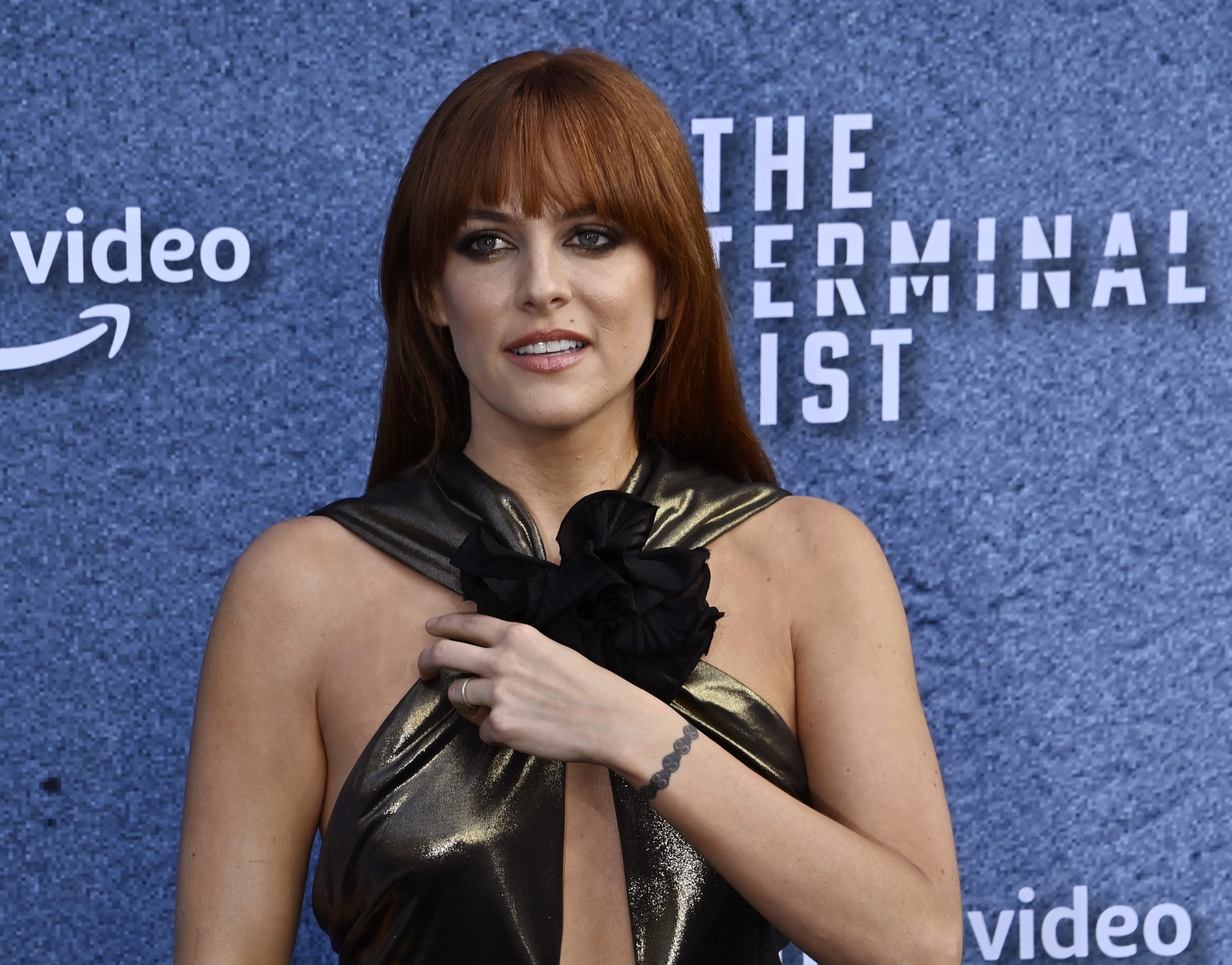
A dark, linked pattern circles Keough’s wrist like a narrow bracelet. Repeating round details give it texture, while the gaps keep it from reading as one solid band. In the red-carpet photo, it sits near the metallic fabric and oversized black bow without getting lost in the outfit.
Keough hasn’t publicly explained what the design means. The image supports a description of its shape and placement, but not a story about why she chose it.
The Gemini symbol tattoo on her ring finger
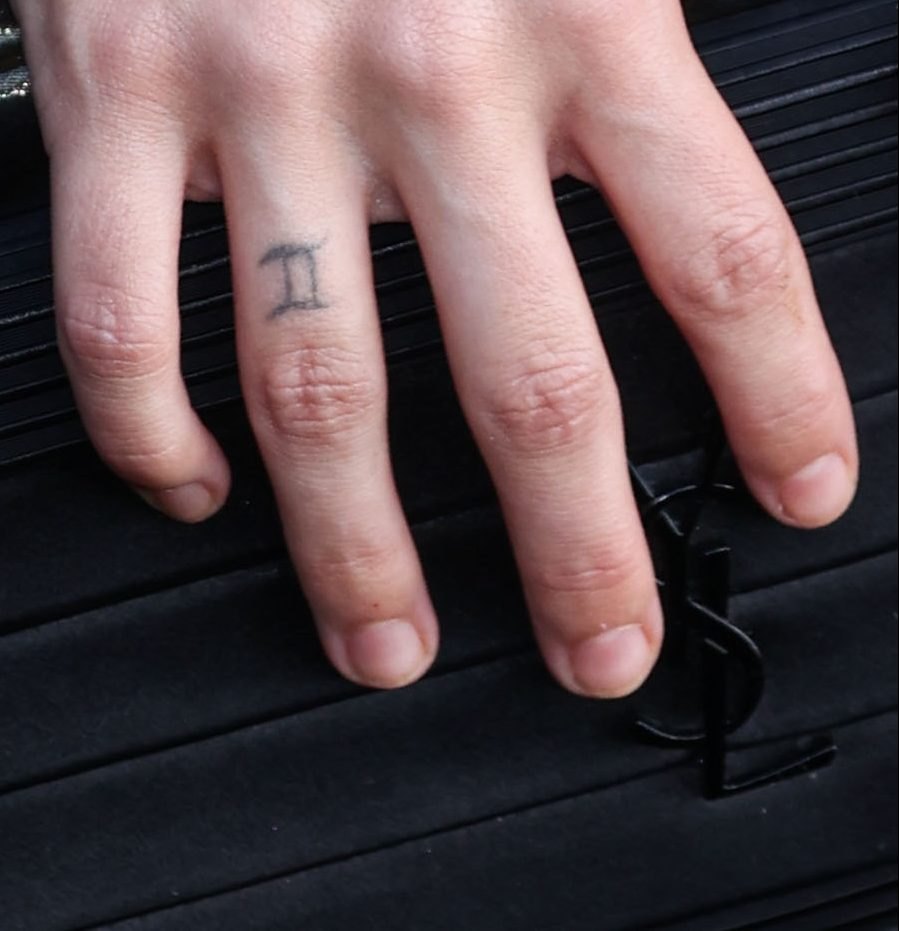
A small Gemini symbol sits on Keough’s ring finger. Life & Style has connected it to her birth sign. The black lines have softened with time, but the symbol remains recognizable in the close-up.
Finger skin gets frequent movement and friction, which can make fine tattoo lines fade sooner than ink elsewhere. Here, the worn edges are visible; there’s no need to read more into them than age and placement.
The moon-and-stars tattoo on her foot
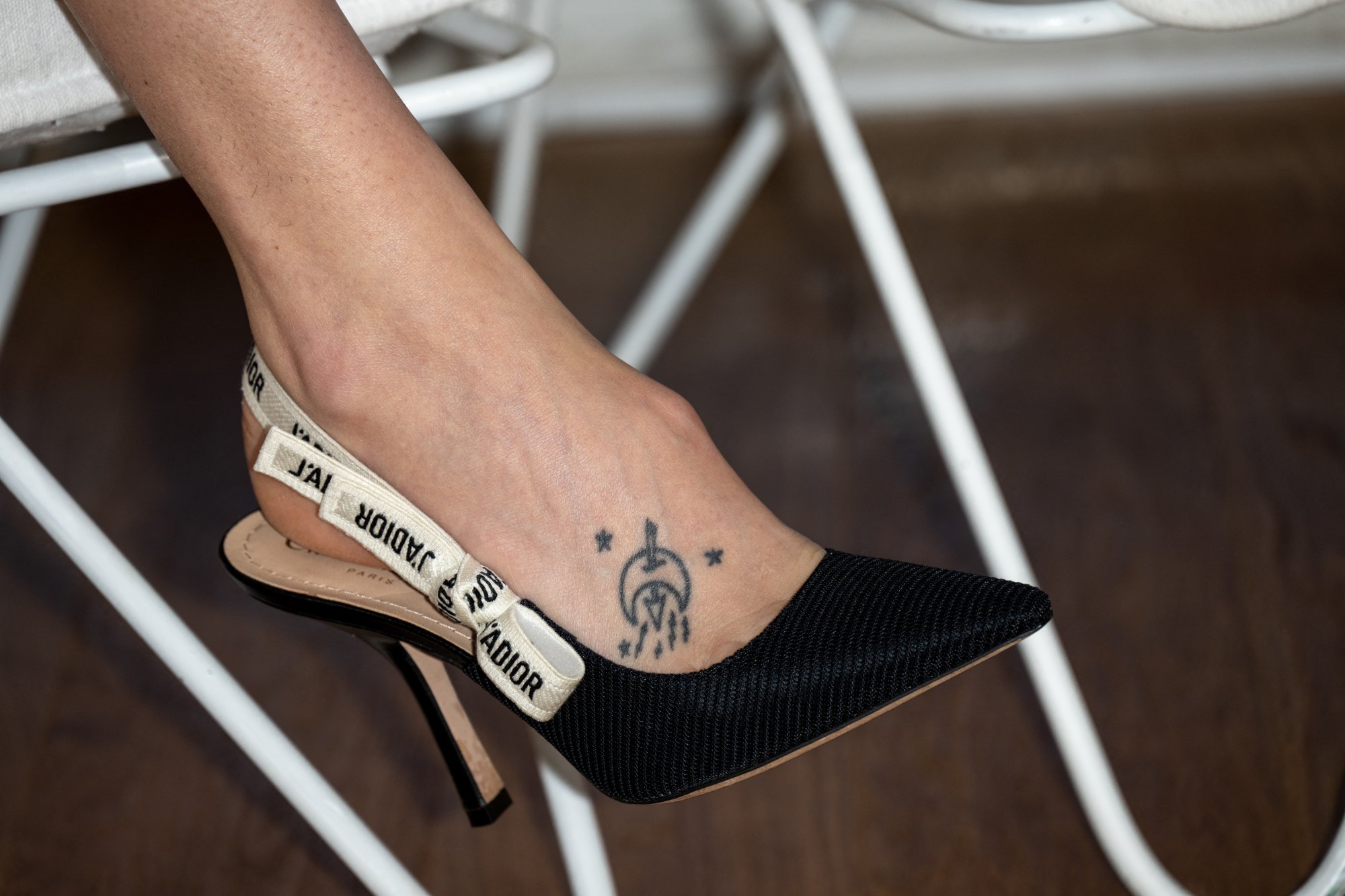
On her right foot, Keough has a small cluster that appears to combine a crescent or moon, an arrow and tiny stars. It sits high on the foot, where it can show above a shoe or sandal.
She has described getting a foot tattoo with her husband in Australia before they married. They were drinking beer at the beach and decided to get tattooed. That account gives the piece a setting, but she hasn’t assigned a separate meaning to each part of the design.
The Benjamin Storm collarbone tattoo
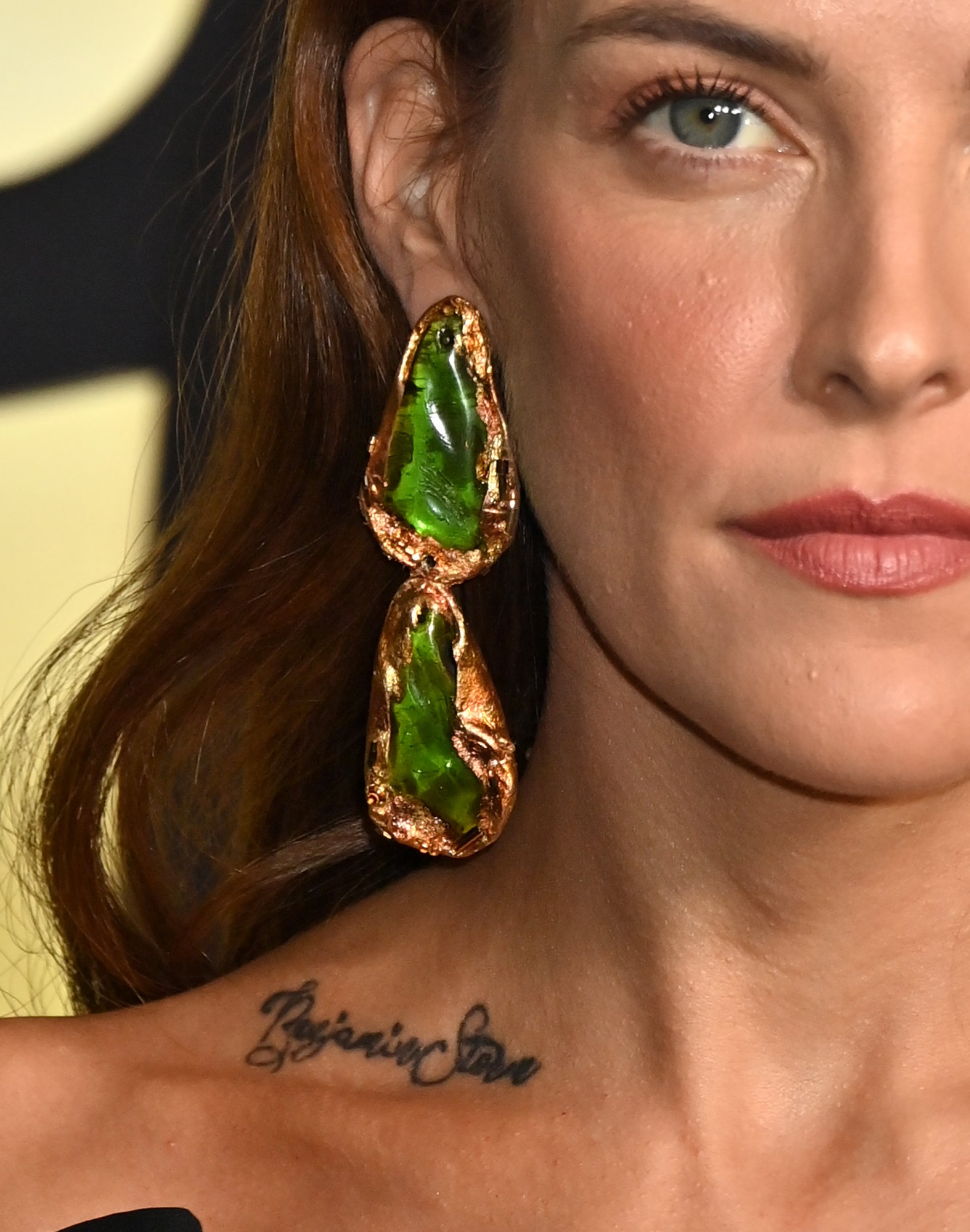
The cursive Benjamin Storm lettering along Keough’s collarbone honors her younger brother, Benjamin Keough. Coverage at the time noted that he had her name in a corresponding placement. The script follows the line of her collarbone and is large enough to read in a portrait without covering the whole area.
Harper’s Bazaar reported that Keough has eight tattoos and that the makeup team on Daisy Jones & The Six airbrushed them out for the role. The collarbone piece is especially visible, so keeping it covered consistently would have been part of the work across repeated scenes.
When a role calls for a clean look
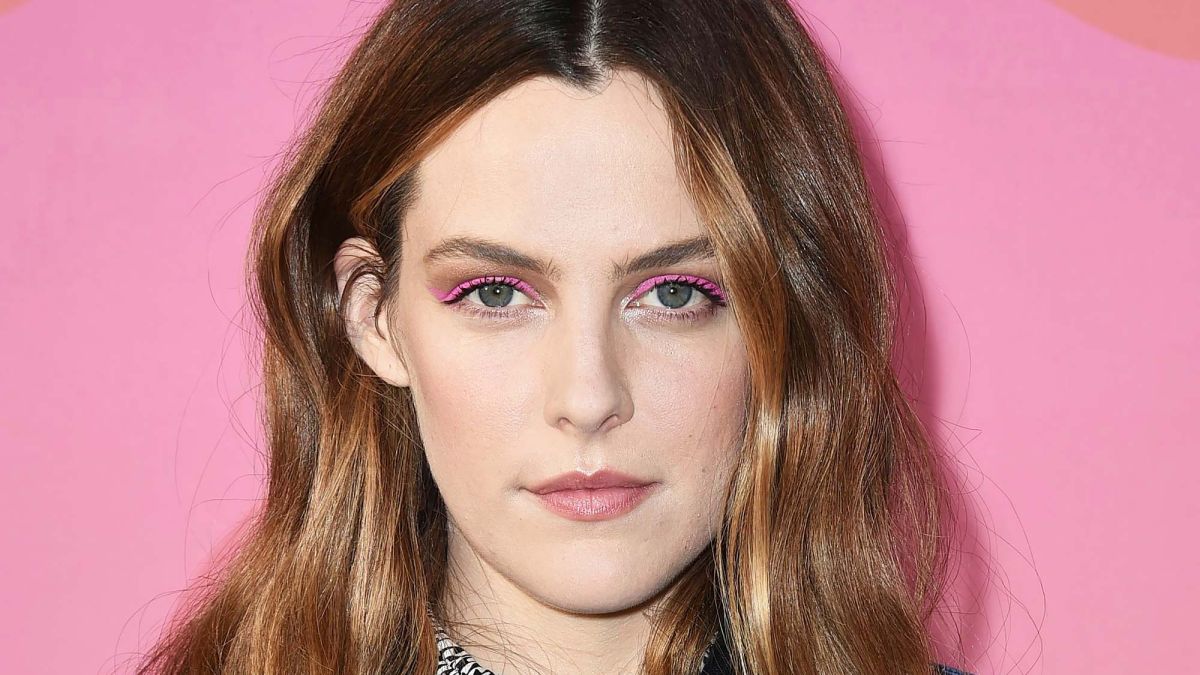
Keough has joked that every new tattoo means an earlier call time because there is more to conceal. It points to a practical part of acting work: body makeup has to match her skin and stay consistent through movement and scenes shot out of order.
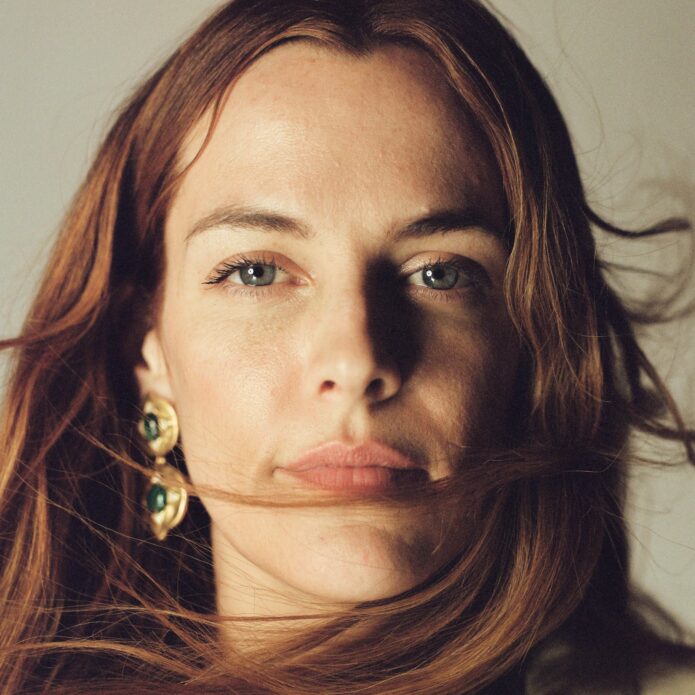
The portrait here provides context, not close-up evidence of a tattoo. Editorial portraits identify the person; clear tattoo photos are needed to discuss a design’s shape and placement.
Other small pieces that appear in photos
Life & Style also documents a “Nope” tattoo on her right wrist and a small 071 beneath her right elbow. The number’s meaning hasn’t been confirmed. Photos show dots and a square Keough discussed around the time of Mad Max: Fury Road, as well as a symbol associated with Led Zeppelin.
Keough has also talked about a Mayan-calendar tattoo representing her birthday and another connected with her father. Because the details come from different interviews and photo galleries rather than one official list, sites count the marks differently. The collection includes pieces linked to family, music, travel and specific periods in her life, but some remain unexplained.
Design lessons from the collection
These tattoos vary in scale and placement, from a finger symbol to collarbone script. For a design of your own, think about how the area moves and how visible you want it to be. Keough has shared the meaning of some pieces and kept others private; a photograph alone doesn’t tell the whole story.