
Ricki Hall’s tattoos cover his chest, arms, neck, hands, and more. The collection mixes traditional designs, lettering, personal symbols, and heavy blackwork. It looks like it grew over time rather than being planned as one matching set.
Bold outlines make the larger images stand out; smaller words and details are easier to see up close. The photos below show the collection from different angles.
Ricki Hall chest and torso tattoos
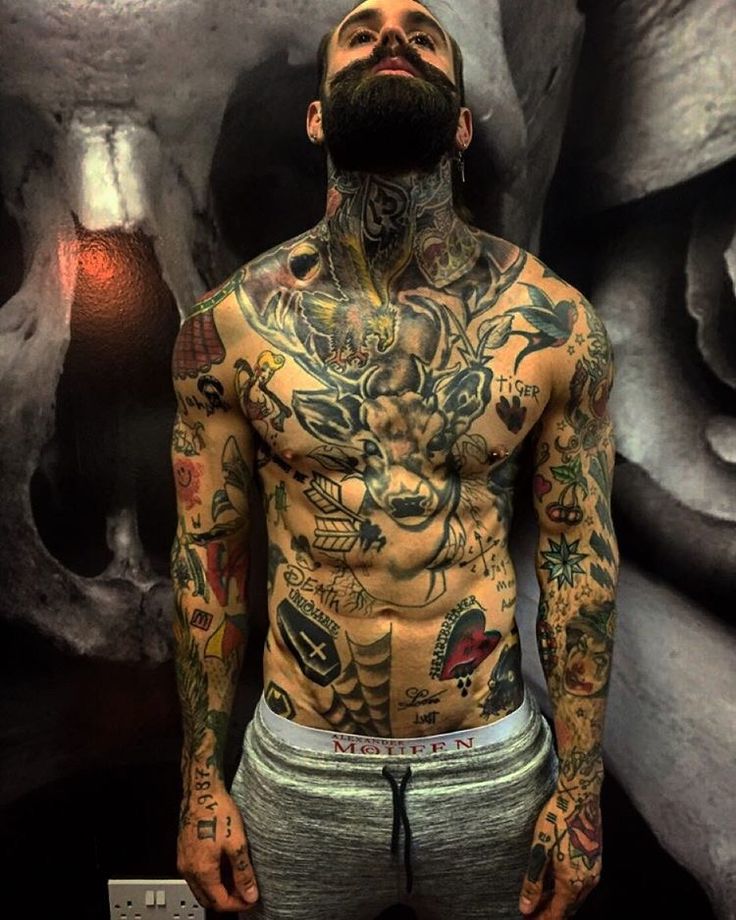
A large central image anchors the chest, with script, small symbols, and darker shapes around it. The main form is still easy to pick out within the broader coverage.
The chest moves with the shoulders and sternum, so a design should be checked while standing normally and with the arms raised. A centered stencil on paper can look different on the body.
The portrait and lettering use different kinds of detail. Leaving some skin between them helps each part remain distinct; filling every gap could make the whole chest read as one dark area.

Ricki Hall hand and finger tattoos
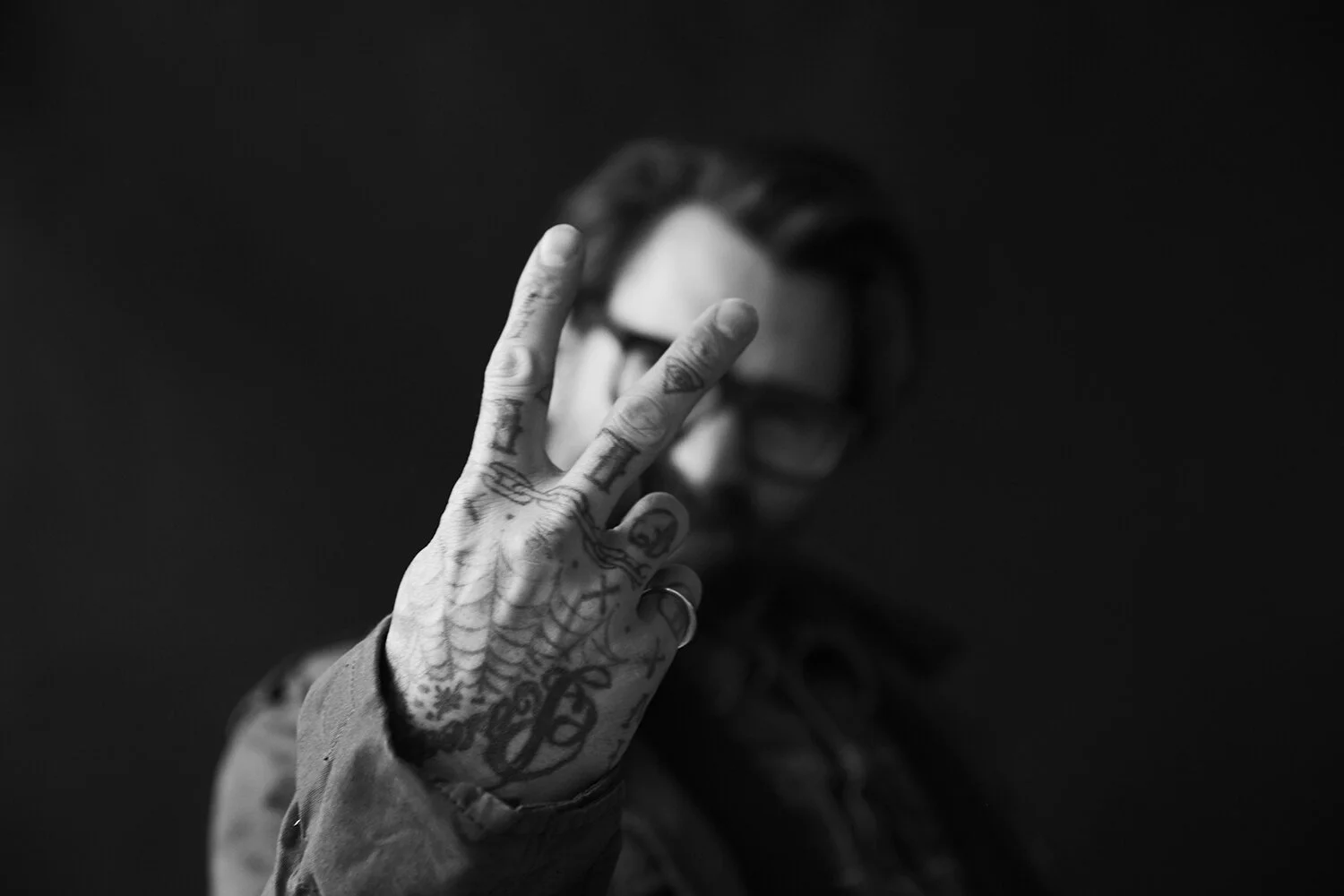
The close hand photo shows lettering and marks across the fingers, knuckles, palm, and wrist. Those areas move whenever the hand does, so even small designs become part of a gesture.
Hand and finger tattoos are washed, bent, and exposed to the sun often. Fine details may soften faster there than on the upper arm. A design that uses simpler shapes has a better chance of staying readable.
A mark on the side of a finger is less obvious than lettering across a knuckle. Decide how visible you want the tattoo to be before choosing the placement.
Ricki Hall neck and face tattoos
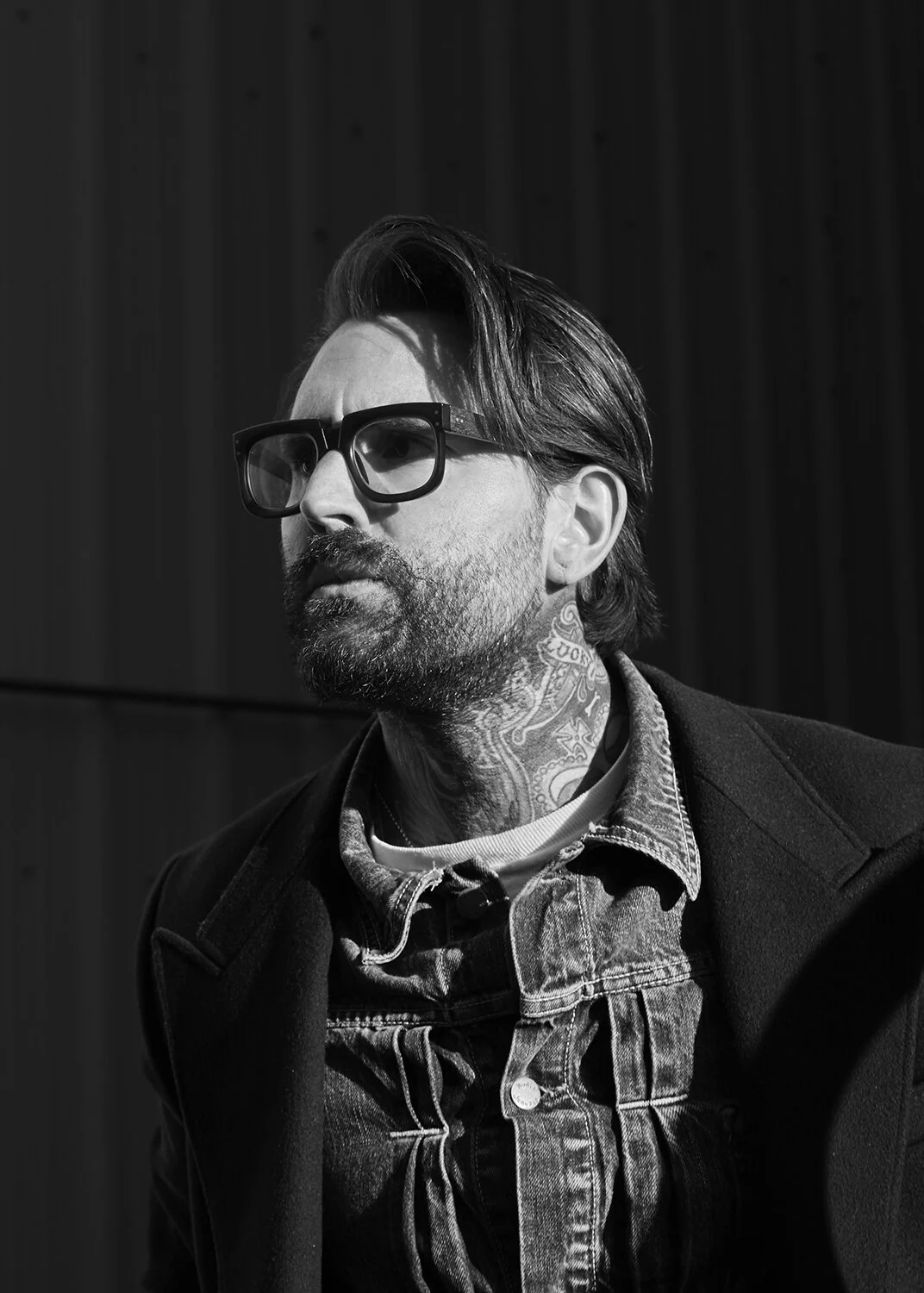
The neck photo shows dense ornament and lettering following the curve of the throat. It can look simple from the front, but the design wraps around a surface that turns with the head.
A stencil checked with the chin raised and lowered shows how the marks sit in different positions. Hair, collars, and shadows can also change how much of the design is visible.
Hall has spoken about changing his face tattoos as his look evolved. Face ink is visible in nearly every photo, so it is a choice to live with in many settings. It’s worth considering how comfortable you’d be seeing the design every day and explaining it when people ask.
Ricki Hall full-body tattoo layout
A full-body studio photo shows the collection across the torso. A central image anchors the chest, with lettering, arrows, flowers, and smaller traditional designs around it. The pieces are separate, but bold outlines recur throughout.
The front, sides, and back can show different relationships between tattoos. A shoulder piece may connect to the arm in one view and disappear from another; a chest design shifts when the body turns.
New work doesn’t have to copy everything already there. Size, color, line weight, or a repeated subject can help it sit with the rest. A visual link can matter more than matching every style.

Ricki Hall traditional sleeve tattoos
The color portrait shows the traditional side of Hall’s collection: strong outlines, familiar shapes, and compact areas of color. Each piece can stand alone while sharing a similar style with the others.
A sleeve can follow a theme or share a consistent feel. Mixing one larger image with smaller designs creates more movement than lining up pieces at the same size.
The elbow and wrist bend, so details placed in the creases can be hard to see. The main shapes should stay readable as the arm moves; smaller elements can carry the design around the joints.
How to choose a look that still feels like you
Hall’s collection includes bold designs, personal details, and playful marks. They don’t all make the same statement, which is part of how the collection feels individual.
Start with subjects that matter to you when no one else is looking. Then decide which belong on a larger area and which can stay small. Chest and back tattoos can be covered; hand, neck, and face pieces are visible more often.
Take time with placement. Move naturally, sit down, and check the stencil in ordinary light from more than one angle. The design should work when the body is relaxed, not only in a posed photo.
Choose an artist whose healed work matches the style you want, whether that is traditional color, lettering, or portraiture. Talk through the size and how the lines might age. Empty skin can keep larger images separate and give a collection room to grow.
3 thoughts on “Ricki Hall Tattoos: Chest, Hands, Neck and Old-School Ink”