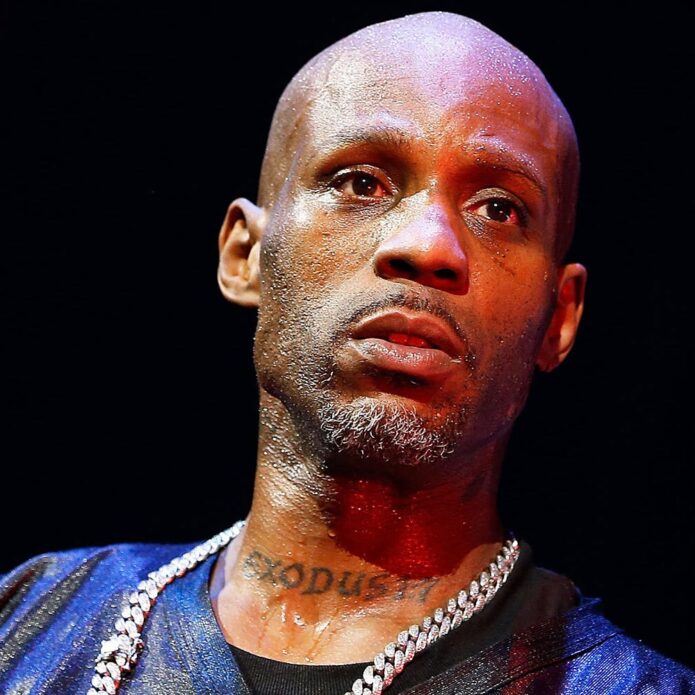
DMX’s tattoos were part of his public image, but they never followed one tidy style. Lettering, dog imagery, religious symbols, names, and rough script covered his neck, back, chest, arms, and stomach. Some marks read like private reminders; others were visible onstage. Together they trace recurring subjects in Earl Simmons’ life and music.
The images also sit beside things DMX said about himself. He loved dogs and spoke about loyalty, toughness, and survival. He also talked openly about faith, pain, and his choices. The designs vary, but many return to those ideas.
This guide focuses on tattoos visible in portraits and those with a clear story attached: the EXODUS 1:7 neck tattoo, the ONE LOVE BOOMER back piece, his first grim reaper and pitbull tattoo, the writing across his stomach, and the arm work around them. Placement matters as much as the images.
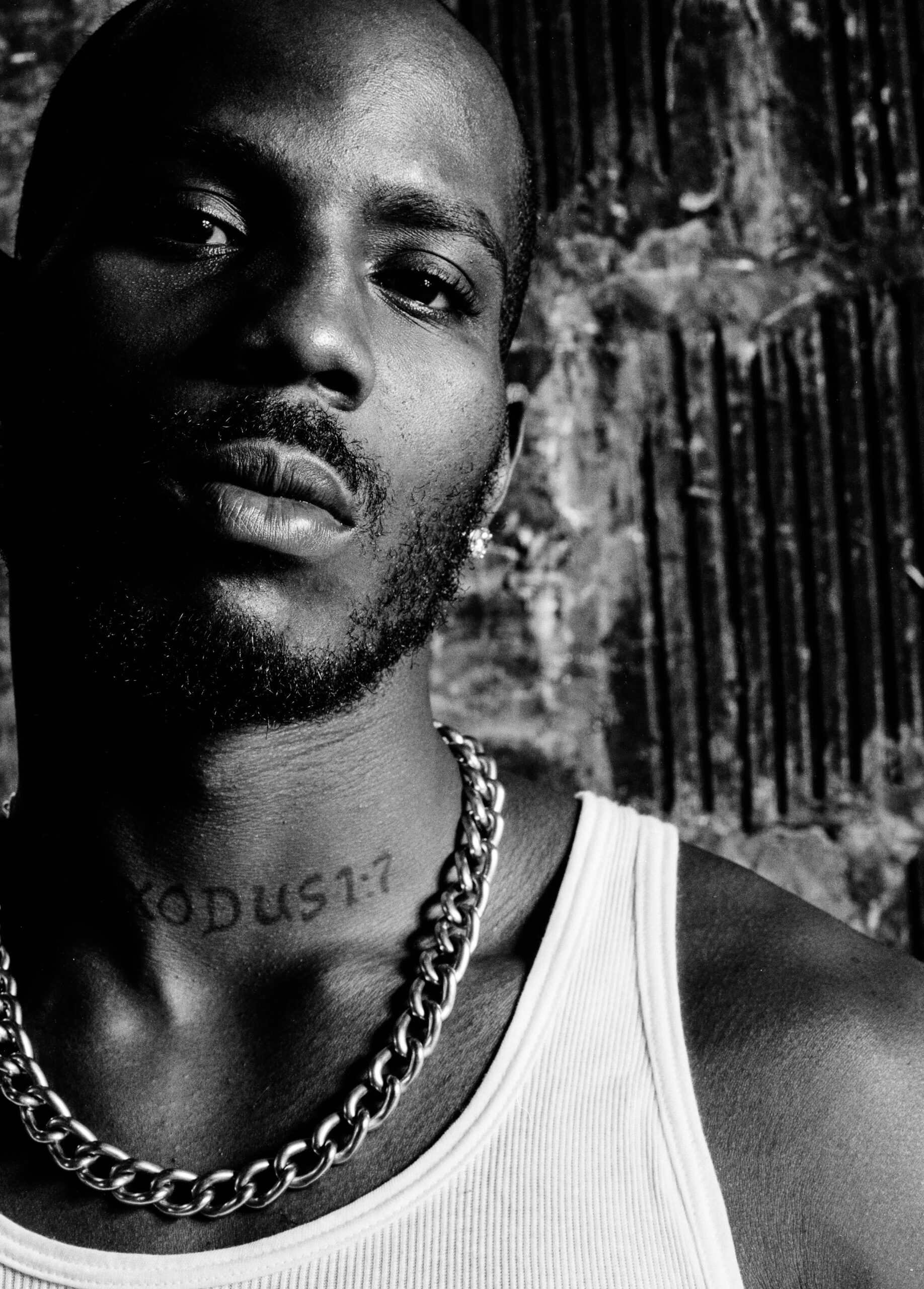
DMX EXODUS 1:7 neck tattoo
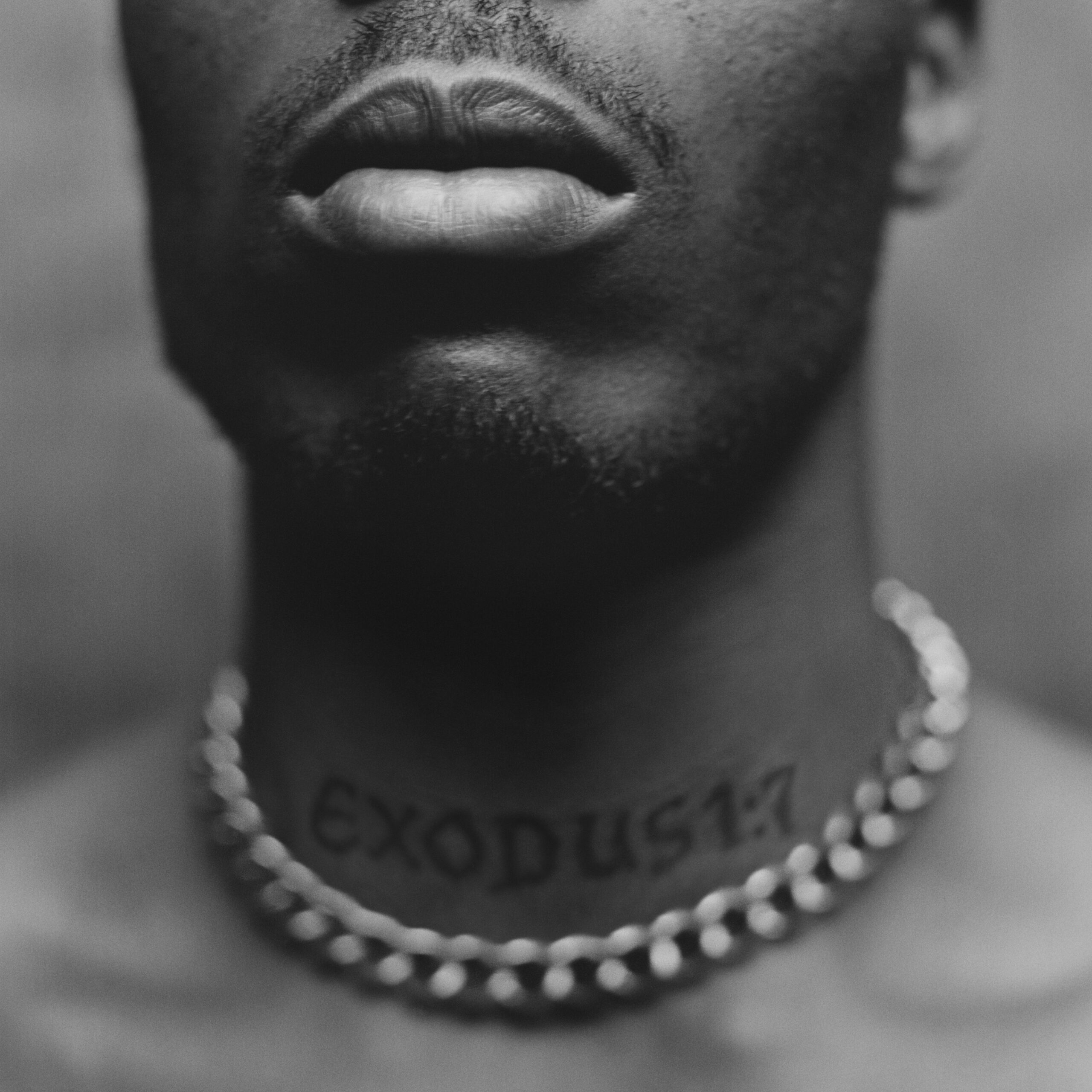
The EXODUS 1:7 tattoo is one of the first pieces people recognize in later photos. Dark block letters cross the front of DMX’s neck, just above the chain he often wore. The phrase refers to a biblical verse and to his son Exodus. On an episode of Black Ink Crew, DMX explained that he had just welcomed his fifteenth child and wanted his son’s name across his neck.
A neck tattoo isn’t background decoration. It shows when someone speaks, performs, or turns toward a camera. DMX chose a placement that made the family reference part of his public image. In the close-up, the letters are easy to read and follow the shape of the throat.
The word EXODUS also connects to the spiritual side of his writing, and the verse gives it another layer without a large illustration. If you like text tattoos, notice how a short word in a visible place can carry weight through placement alone.
The front lettering was added later than his older neck tattoos. As his collection grew, it became one element among several. Even a strong central word can become a chapter in a larger set of designs.
DMX ONE LOVE BOOMER back tattoo
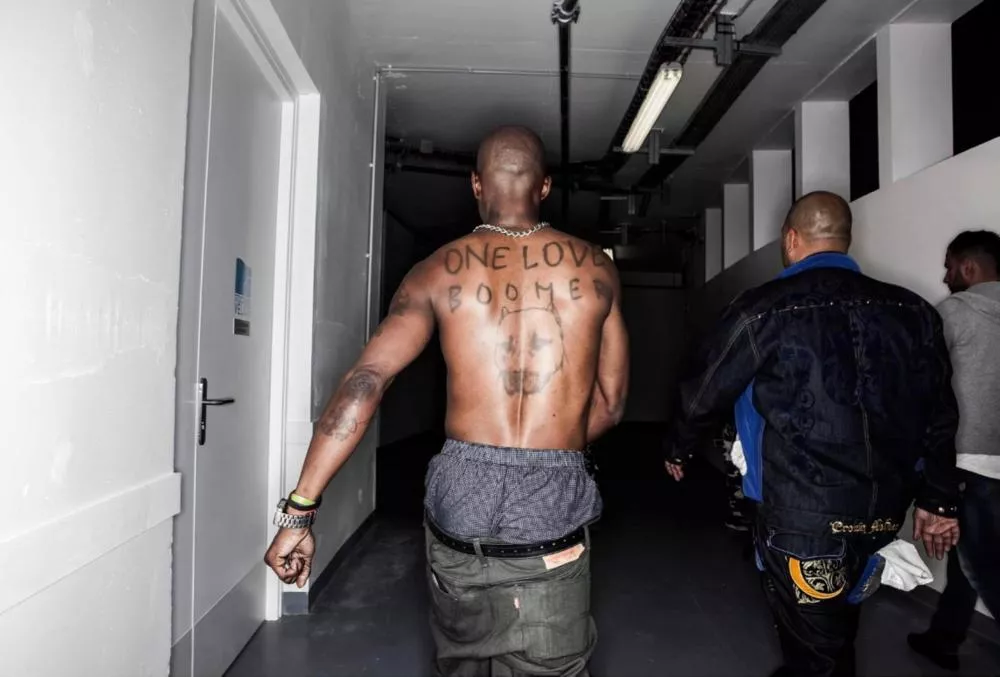
The back piece is one of the more personal designs in the collection. In the backstage photo, ONE LOVE BOOMER stretches across DMX’s upper back, with a dog image underneath. Boomer was a close companion, according to friends and later interviews, which gives the tattoo a more affectionate feel than the rough stage photos might suggest.
Dogs came up in DMX’s lyrics, interviews, and daily life. He often used them to talk about loyalty, respect, and the people around him. The tattoo makes that connection visible: the words sit high across the shoulders, with a dog portrait underneath.
The back gives a wide phrase room to sit along the shoulders. Large letters stay visible as the arms move, while the portrait below adds height without crowding the spine. Its rough, hand-drawn finish suits the memory behind it.
The lettering works like a banner, and the dog portrait gives it one clear focus. Together, they read as a tribute rather than a series of unrelated symbols.
DMX first tattoo: grim reaper and pitbull
DMX told The Boombox that his first tattoo was a grim reaper walking a pitbull on his left tricep. Later, he questioned what it meant to carry such a dark image. He said, “when you put something on your body, you kinda bind yourself to it”. He felt the grim reaper brought a negative cloud with it, even though he had chosen the tattoo when he was young.
That was an unusually candid way to talk about old ink. DMX didn’t say the tattoo was poorly made; he talked about the meaning he’d attached to it and how that stayed with him. It’s a distinction worth keeping in mind when you’re choosing a first design.
The pitbull also links this early tattoo with the later Boomer piece. Dogs appear in both, but the emotional tone is different: the grim reaper design carries danger and fear, while the back tattoo is about love and remembrance. The same subject can carry different feelings depending on the image around it.
The tricep gives a vertical design room without making it the first thing everyone sees. When DMX performed shirtless, it appeared beside the arm lettering and torso writing. It became one of the early pieces in a collection that kept growing.
DMX stomach lyric and chest script tattoos
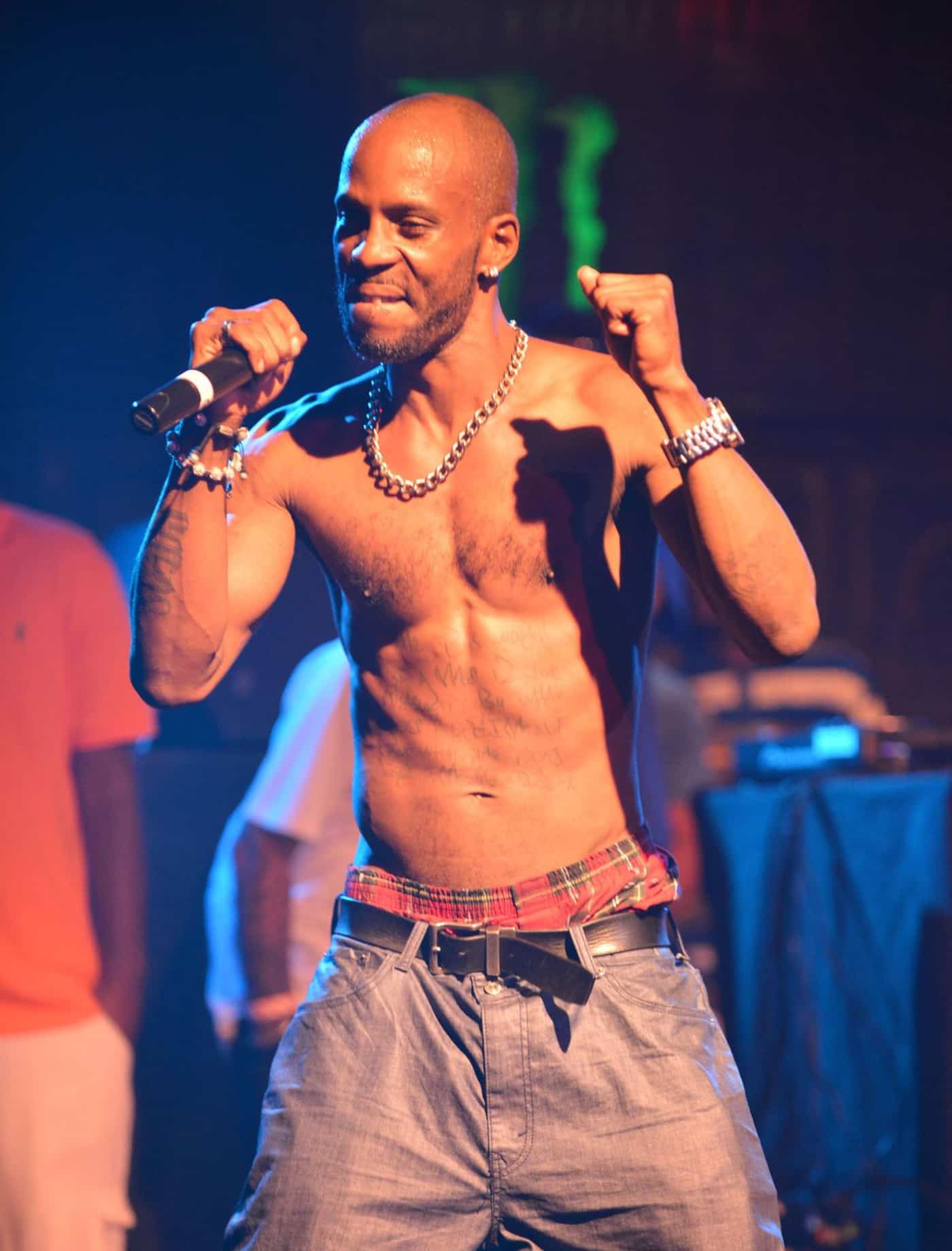
The writing across DMX’s stomach looks handwritten in the photos. Lines of script run over the torso, with more letters and symbols reaching toward the chest. It doesn’t read like a single polished panel so much as a page of notes written across the body.
One well-known stomach lyric begins with the idea that a person’s worth is measured by what they do for someone else. That sentiment fits how friends described DMX’s generosity and the prayerful side of his music. The words are visible in shirtless performance photos, yet still feel like a statement he wanted close to him.
Torso lettering has to move with breathing and posture. DMX’s script follows the available skin instead of forcing the lines into a rectangle. The result is rougher, but it also feels lived in, closer to handwriting than a logo.
If you’re planning a stomach tattoo, think about how the body bends before settling on a font. A phrase that looks straight on a screen may shift around the ribs or above the navel. DMX’s lettering works with the torso because the words are large and loose enough to follow its shape.
DMX arm, forearm and hand tattoo layout
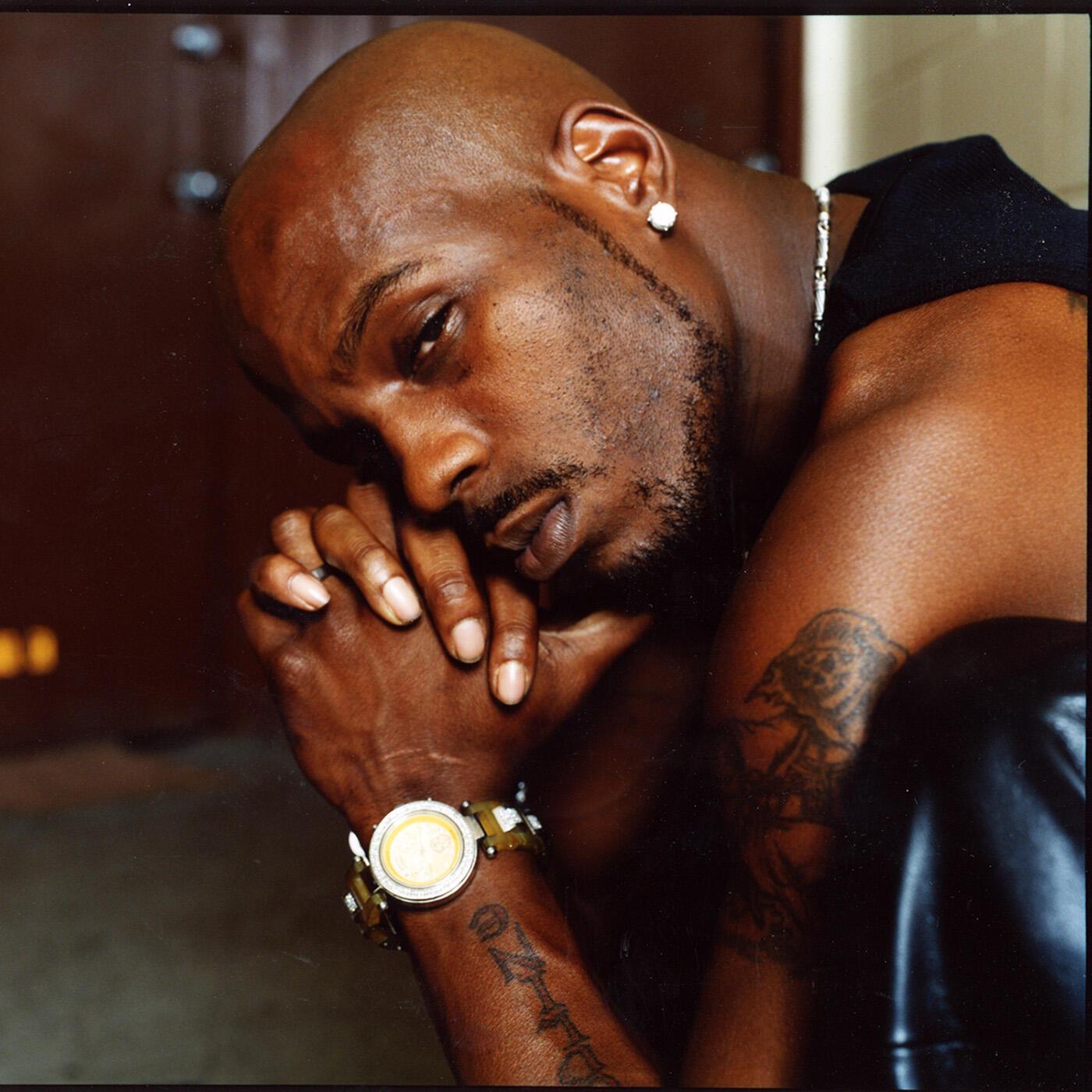
The arm tattoos tie the collection together. Close portraits show dark work on the upper arm, script on the forearm, and smaller marks reaching toward the hands. The subjects differ, but the designs share a similar weight: dark shapes alongside open skin, with lettering placed where it shows when he raises a microphone or folds his arms.
The upper arm has room for a larger image, such as the grim reaper and dog; the forearm gives shorter phrases a line to follow. Hand and wrist pieces add another visible layer. Onstage, the collection reads from a distance, while close portraits bring out more detail.
Crosses and religious imagery also appear in photos of his arms and torso. They sit alongside the prayer language in many interviews and songs, without making every tattoo part of one theme. A collection can hold faith, family, memory, and style at once; each piece needs to make sense where it sits.
The arm work grew over time, and the tattoos don’t have to connect perfectly to feel related. Repeated line weight, spacing, and recurring subjects can tie together designs from different years. Dog imagery, bold lettering, and dark shapes appear across DMX’s collection.
The tattoos show different sides of his public story. The ink looks tough, but many of the stories behind it involve family, faith, loyalty, and regret. EXODUS puts his son’s name across his neck; the Boomer piece remembers a dog he loved; and his account of the first tattoo shows how the meaning of old ink can change.
If you’re taking ideas from the collection, begin with the story, then think about placement. A name might belong somewhere you can see it each day; a tribute can spread across the back; a lyric may need room on the torso. Your design doesn’t need DMX’s lettering to carry the same honesty. It needs to say something you can live with.