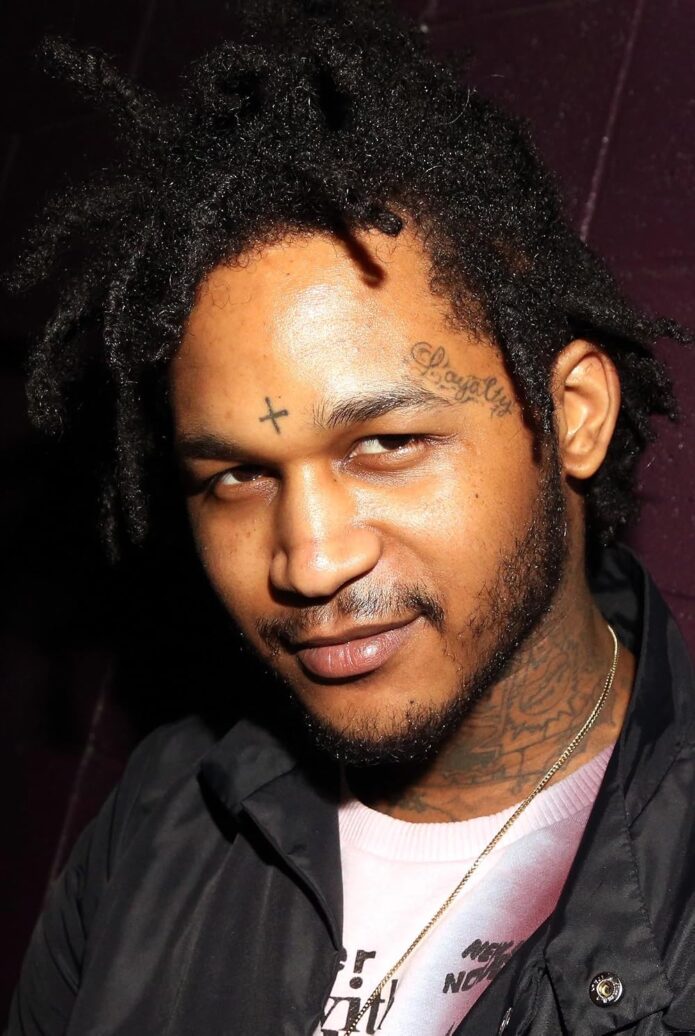
Fredo Santana’s tattoos shaped his image before he spoke. The small cross above his forehead became a signature, but it was only one part of a larger collection across his neck, chest, arms and hands. In portraits, the face ink catches the eye first; shirtless photos show the larger words and symbols.
Fredo Santana tattoos make more sense as a full layout than as one famous mark. Bold lettering, religious symbols, an owl, hand tattoos and smaller designs fill different areas. The style is heavy and direct, but each part has its own rhythm.
The tattoos also look different from photo to photo. A studio portrait brings out the chest and arms; a live shot may show the neck and forearms while his shirt covers the rest. Close-ups make the face ink stand out. Looking across those images gives a fuller view than a single pose.
This guide looks at his chest, arms, hands, face and neck, then draws practical ideas from the placement. You don’t need to copy his words or symbols to learn from how the collection became so recognizable.
Fredo Santana chest tattoos make the body work easy to read
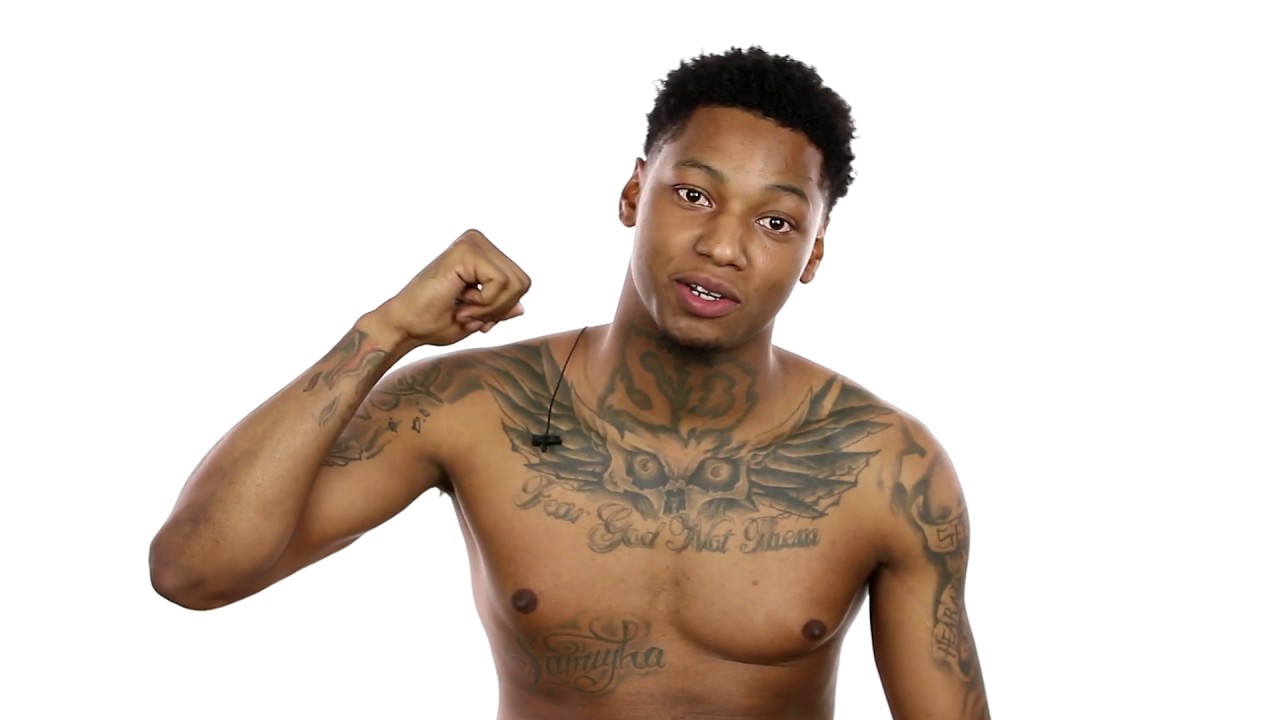
Fredo Santana’s chest gives the collection its broadest open space. An owl and bold lettering form the main shape, with smaller designs around the shoulders and ribs. That main image keeps the torso from reading as a flat spread of ink.
Clothes change how much of the chest you see. A shirt may cover nearly all of it; an open jacket can reveal the centre, with a chain falling over the design. The jewelry and tattoos share the frame without needing to match: metal catches light while the ink gives the body a darker outline.
Leave room around the collarbone, armpits and ribs. A design that reaches too far can feel cramped when you move your arms forward. A clear central image lets the smaller tattoos sit alongside it instead of looking like gap fillers.
Choose the chest anchor before you choose the smaller symbols. It might be an animal, phrase, portrait or image tied to family or memory. Check the stencil standing, sitting and leaning forward; chest skin shifts with posture, and the design should still feel balanced when you relax.
Santana’s lettering also shows how a phrase can hold its shape across the torso. Keep enough space between the words for them to read from a distance. Tiny lettering may look clear on a screen but become harder to make out with time and sun.
Fredo Santana arm tattoos carry the biggest visual shapes
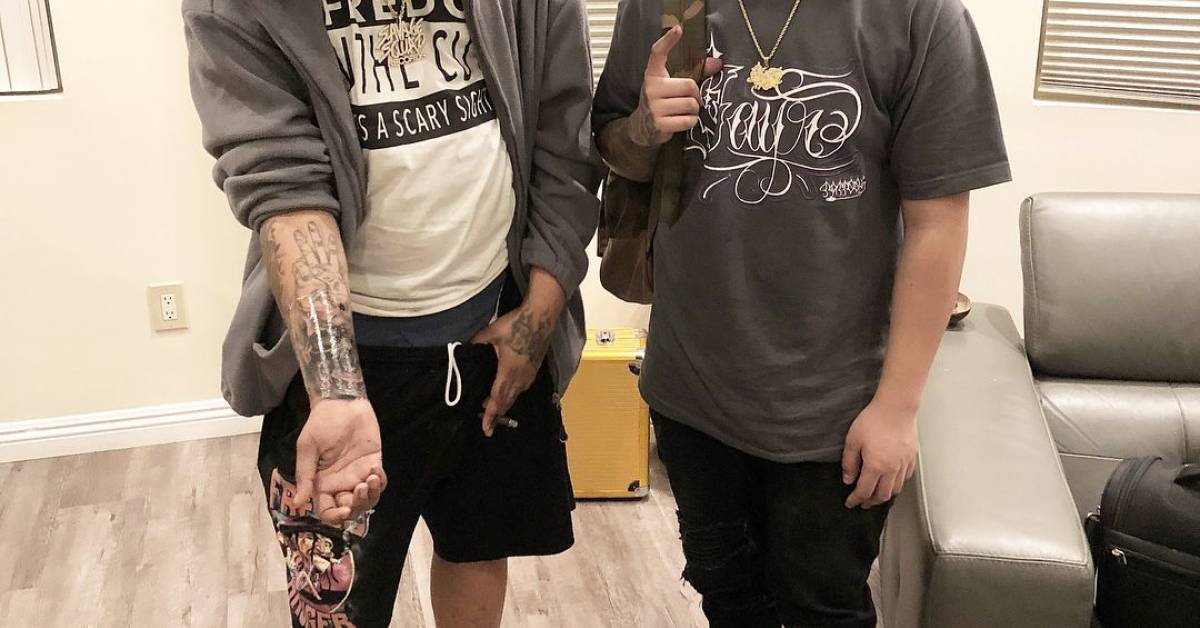
Santana’s arms carry much of the collection when he’s dressed. Forearm tattoos can show below short sleeves, and a raised hand makes the ink look connected from wrist to shoulder. Photos show dark blocks, lettering and illustrative designs rather than one uniform sleeve.
The upper arm has room for a larger image. The forearm is more exposed and active, so bold lettering or a simple symbol may suit it better than a delicate drawing. If you tattoo both areas, plan how they meet around the elbow. Some open skin can keep the arm from feeling crowded.
Arms are always moving. A tattoo changes as the elbow bends, wrist turns or hand lifts toward a camera. A line that looks straight on a flat reference may curve around the muscle. That can work well if the stencil has been checked in motion.
Give each arm a main job instead of forcing perfect symmetry. One side could hold a portrait or lettering, while the other gathers smaller symbols. Making every piece match can feel too planned; a little difference leaves room for the collection to grow.
Consider what you wear day to day. A T-shirt shows the lower arm, a sleeveless top exposes more of the shoulder, and a jacket may leave only the wrist or hand visible. Place the tattoo for your usual clothes, not only for a shirtless reference photo.
Fredo Santana hand tattoos turn gestures into close-up details
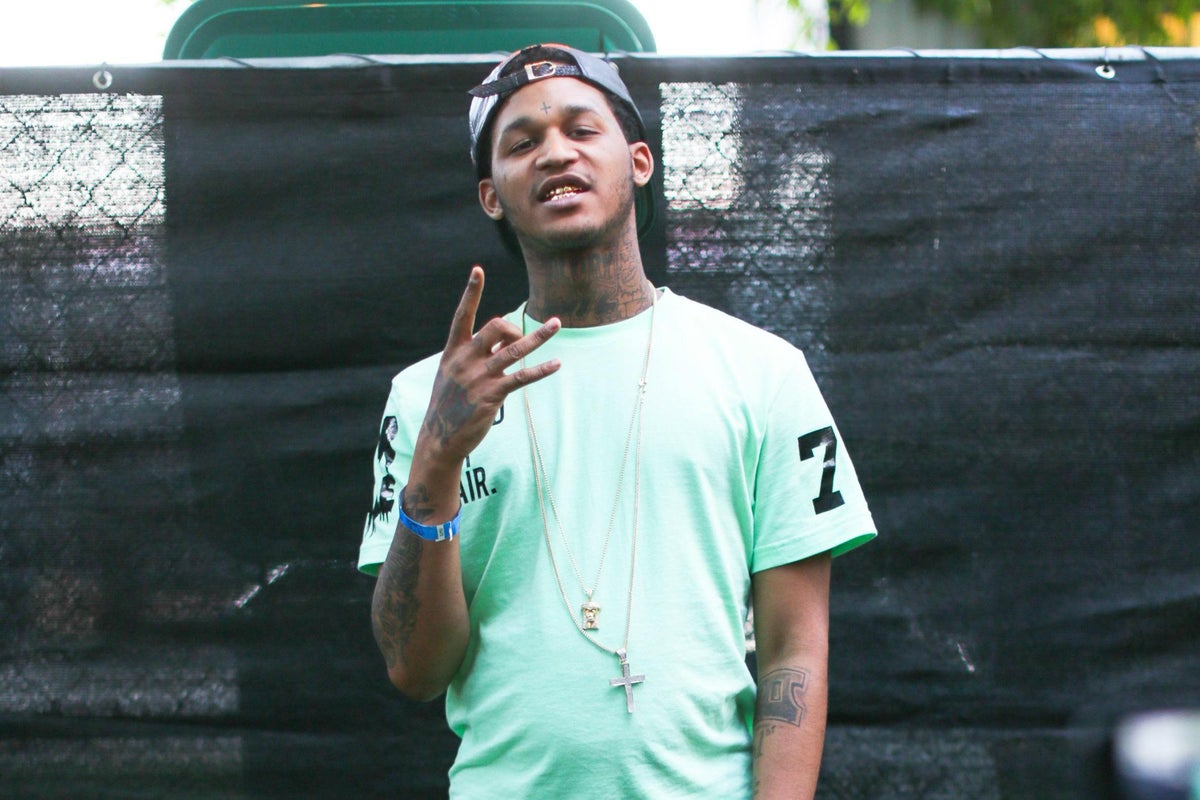
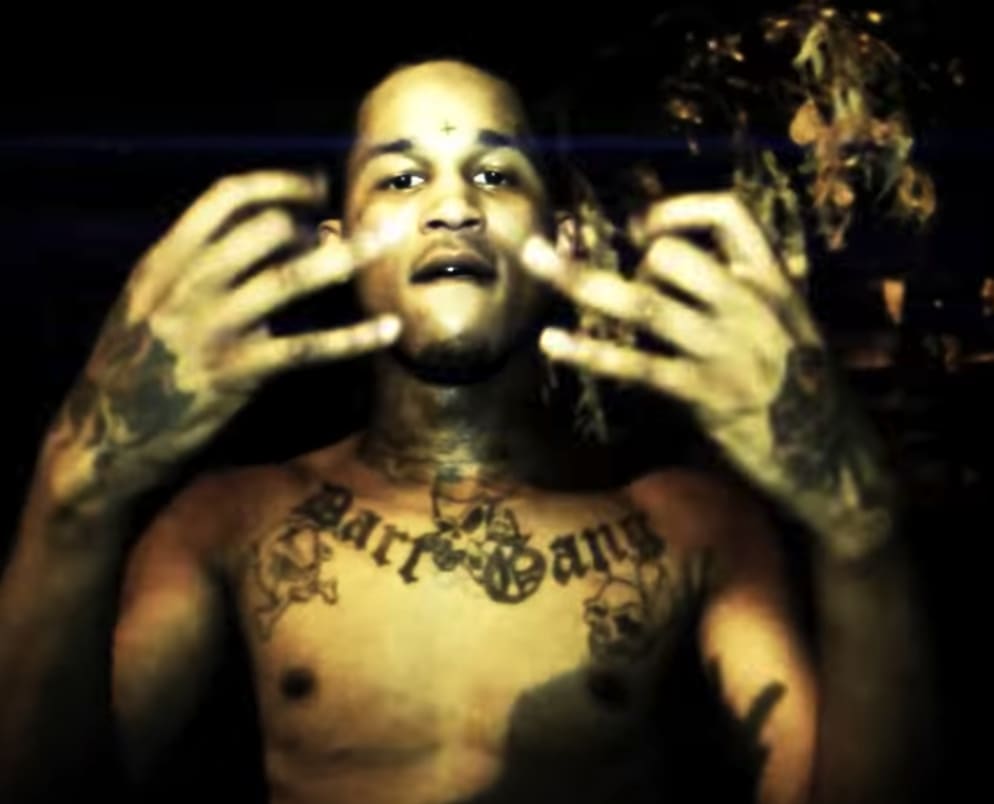
Hand tattoos put the ink close to the viewer. Santana often posed with gestures, so the tattoos across his fingers and the backs of his hands became part of the image. A raised hand could show letters, small symbols and larger wrist designs all at once.
Hands bend, get washed often and catch sunlight. Strong shapes tend to stay more legible than tiny details. An illustrative design can still work, but make sure its outline reads when the fingers curl. Santana’s hand tattoos show how distinct marks can remain visible in motion.
The wrist links the hand and forearm. A larger mark can sit on the back of the hand, with smaller details continuing up the wrist into the arm. That gives the eye a route through the collection and helps the hand feel connected to the sleeve.
Test a hand tattoo in the gestures you actually make. Hold a phone or cup, open a door and rest your hand on your face. The pose in a reference photo may not be how your hand sits every day. Ask your artist to check the stencil with your fingers open and closed.
Hand ink is visible whenever you reach for something. A short word or symbol may mean more than a complicated picture. If you like Santana’s direct style, look at contrast and attitude instead of copying a crew name or letterform. Your own reason will make it yours.
Fredo Santana face and neck tattoos set the mood
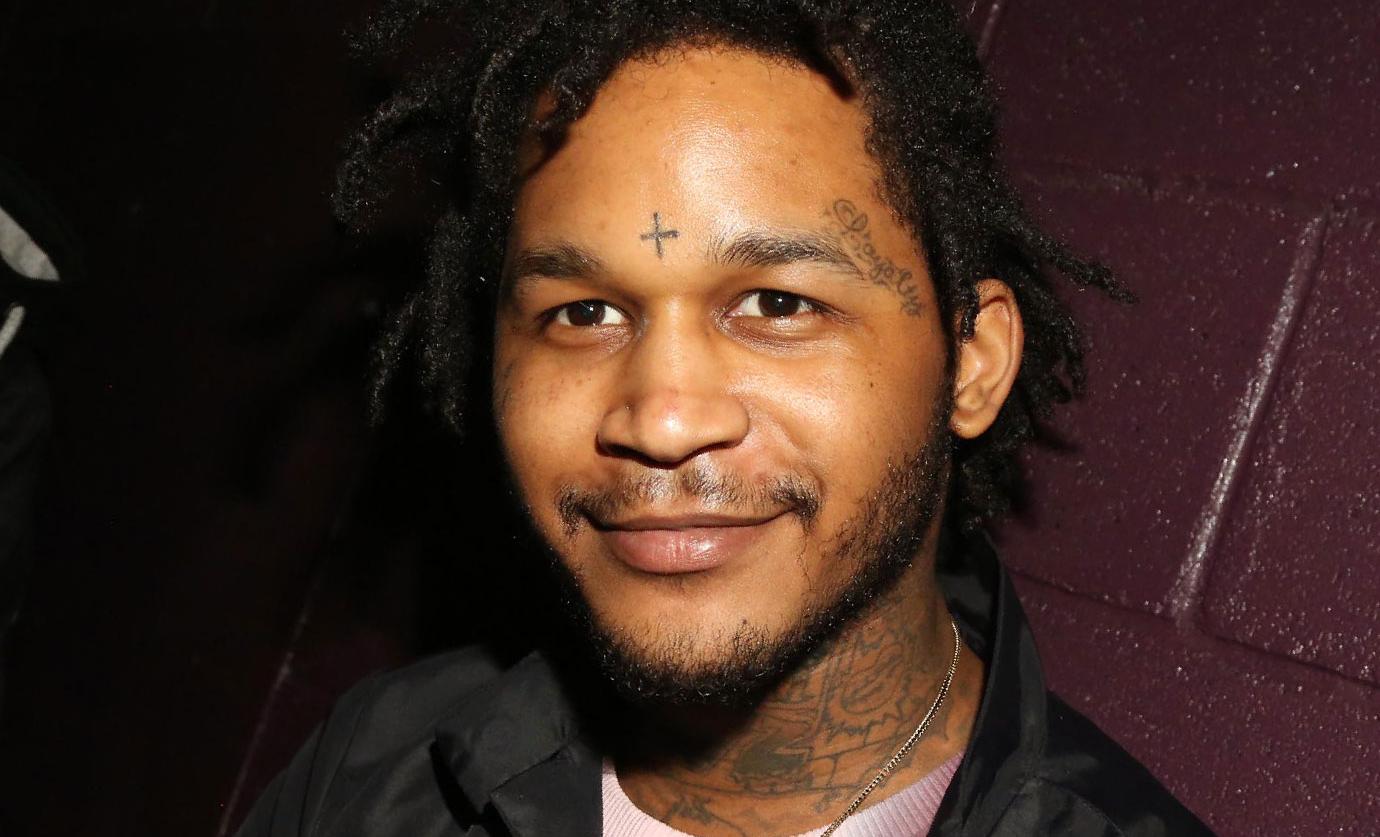
The cross above Santana’s forehead and the tattoos along his neck made his portraits easy to recognise. The cross sits where it changes the expression, while the neck work fills the area beneath the jaw and around the collar. Together they frame his face.
Face tattoos are small but prominent because they sit in the viewer’s line of sight. A mark between the brows, under the eye or near the temple can change the feel of a portrait. Santana’s photos show how open skin around a main mark can help it stay clear.
Neck tattoos connect the head to the chest. Beside chains or a jacket, they can read like a dark collar. The ink is visible in some photos and covered in others, giving it more flexibility than face tattoos while still making a strong statement.
Look at a face or neck stencil from more than one angle. Turn your head, relax your shoulders and take a photo in ordinary light. A mark may look tilted when the face turns, and the neck folds when you look down. Placement should follow the body’s lines.
One simple, visible tattoo can become a signature without explaining the whole collection. Santana’s cross stands out because it’s small and centred, and appears in many photos. If you want similar impact, a clear original mark may work better than a large design crowded with detail.
How to build a Fredo Santana inspired tattoo layout
To plan a Santana-inspired layout, choose a focal point and build out from it. The face and neck shape the first impression, the chest gives the collection its biggest canvas, and the arms and hands keep the details visible in motion. You can follow that order without using the same symbols or choosing such visible placements.
Start with a spot you can live with every day. Face, neck and hand tattoos can affect work, family and daily interactions more than chest or upper-arm pieces. For a more flexible version of Santana’s look, put the main symbol on the forearm or chest and use clothes to control when it’s seen.
Choose a personal anchor before collecting reference images. It might be a person, place, lyric, belief or period in your life. A design grows from meaning when it starts with something real; copying a cross, owl or word only gives you the surface.
Leave open skin for the collection to grow. Santana’s tattoos look lived in because the pieces appear to have arrived over time. You don’t have to fill every inch at once. Space gives future work room and lets your artist connect designs to the body’s shape.
Bring your artist references for placement, size and contrast. Explain what you like about Santana’s style, then ask them to redraw the idea for your body. Keep the mood that drew you to it while making the design your own.
Santana’s tattoos formed a recognisable look as a whole. The cross made his portraits easy to identify; neck and arm pieces added weight, and the chest and hand tattoos gave the collection room to move. Some of the most noticeable marks were also the simplest.
If you’re looking at Fredo Santana tattoos for inspiration, study how the pieces are arranged rather than copying the graphics. See how the chest image sits among smaller symbols, how hand ink follows a gesture and how marks on the face and neck frame the expression.
Here’s Fredo Santana talking about his tattoos and showing the new work:
One thought on “Fredo Santana Tattoos: Face, Chest, Arms and Hands”