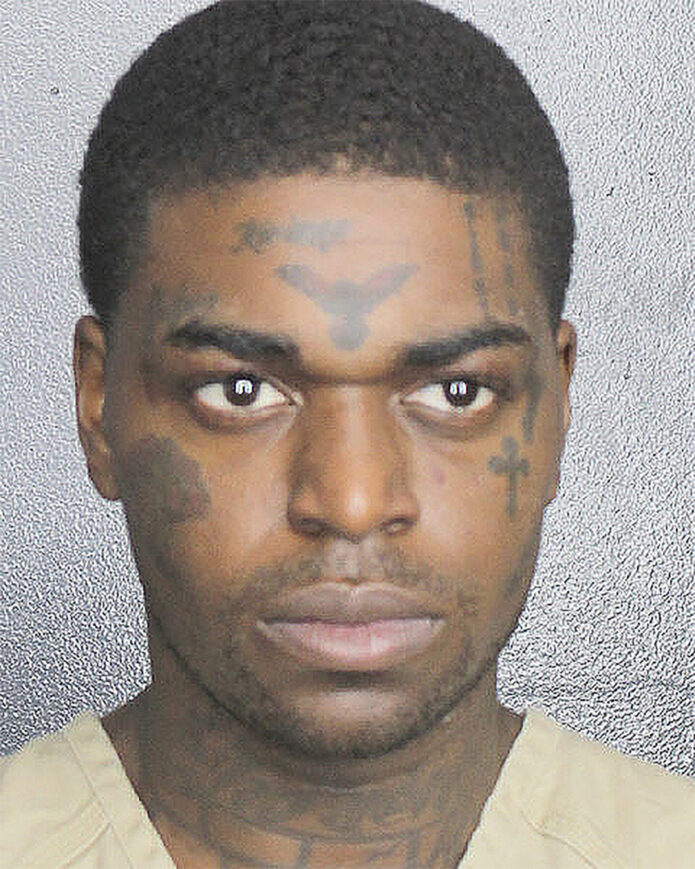
Kodak Black’s tattoos are a big part of his look. The Florida rapper has ink across his face, neck, chest, stomach, arms and hands, with lettering and symbols that connect to his music, his neighborhood and the Sniper Gang identity around him.
His ink has changed over time, too. Some face tattoos have been covered or reworked, and the way a design looks can shift a lot between an old close-up and a newer stage photo. The clearest way to understand his collection is to look at the main areas separately instead of treating every dark mark in a picture as one fixed design.
Kodak Black’s face tattoos are the first thing people notice
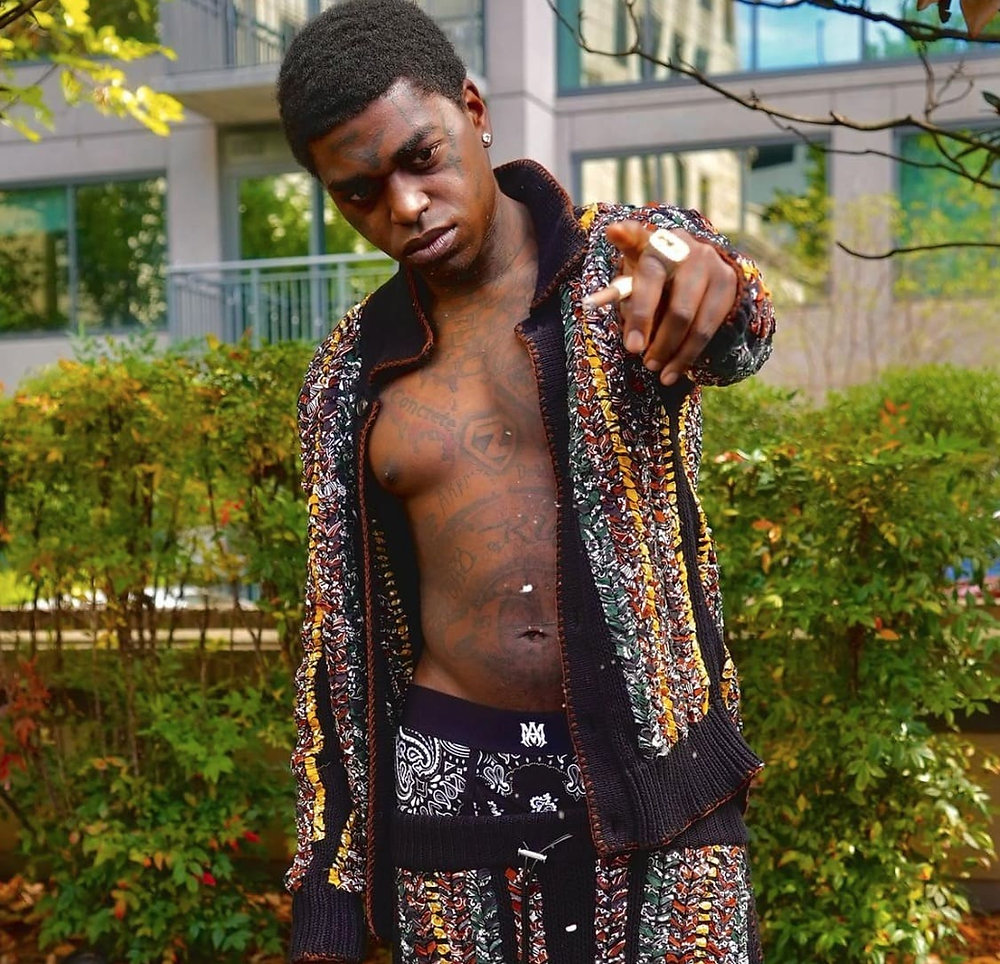
Kodak’s face is where his tattoo style is most recognizable. Earlier photos show cross designs on his forehead and a small cross beside his eye, along with lettering and marks across both cheeks. Other visible details have included numbers, a teardrop-style mark and words above the eyebrow.
One of the most talked-about changes came after his release from prison in 2021, when a much larger design appeared in the center of his forehead. It covered the older cross, which is why photos from different years can make his face look like it has a completely different tattoo layout.
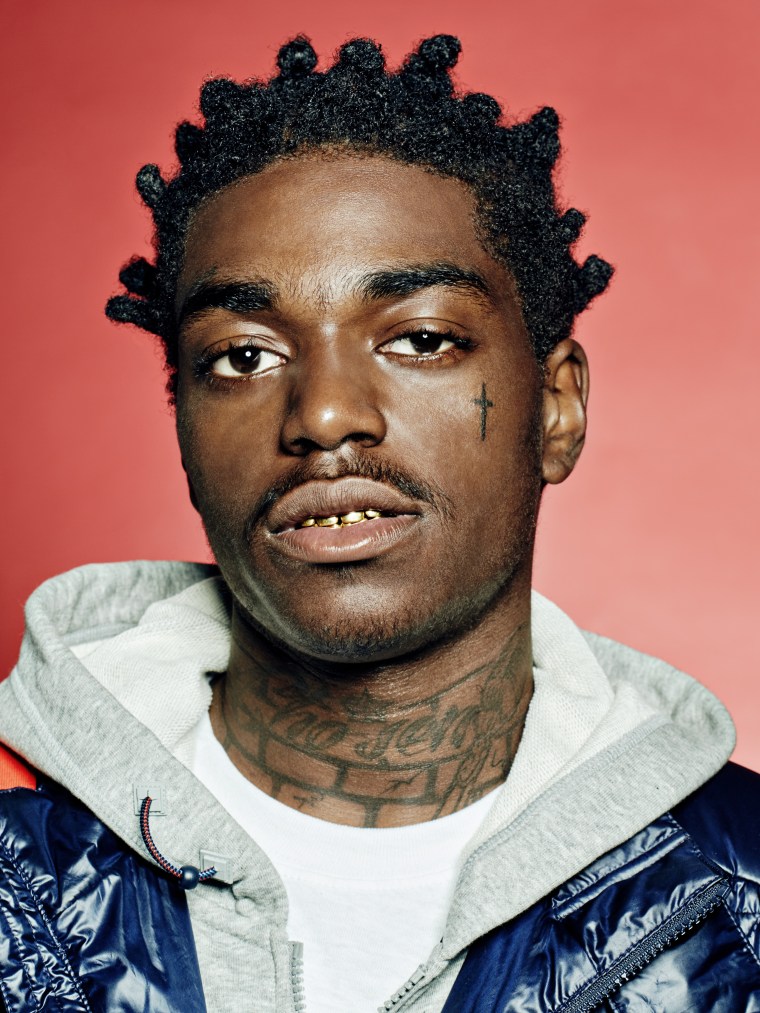
The small cross beside his eye remains one of the easiest pieces to spot in a portrait. It is simple, dark and placed where it reads immediately, even when the rest of the face is partly in shadow. That kind of placement is a major reason Kodak’s face tattoos became so closely tied to his public image.
His neck tattoos fill the space between face and chest
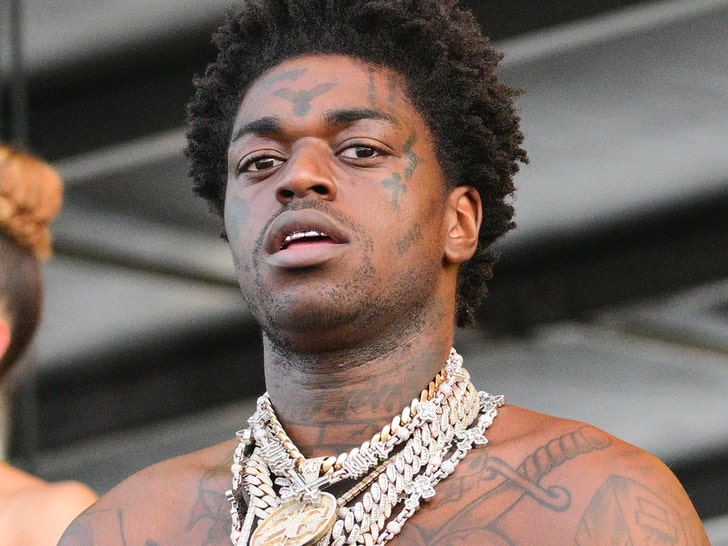
Kodak’s neck is covered with layered lettering and symbols. Photos have shown words across the front and sides of the neck, plus small designs that run up toward the jaw. Some close views identify a knife and a microphone among the neck pieces, but the exact details aren’t always easy to separate when chains, collars or stage lighting are in the way.
The overall effect is dense rather than minimal. There isn’t much blank skin between the lower face, the neck and the top of the chest, so the tattoos blend into one connected area when he wears an open shirt.
“Bleed Concrete” is one of his best-known chest tattoos
One of the clearest phrases associated with Kodak’s chest is “Bleed Concrete.” The words are linked to his music and to the environment he grew up around in Pompano Beach. The lettering sits among other chest and stomach tattoos, which means it can be partly hidden by chains or only visible when he performs shirtless.
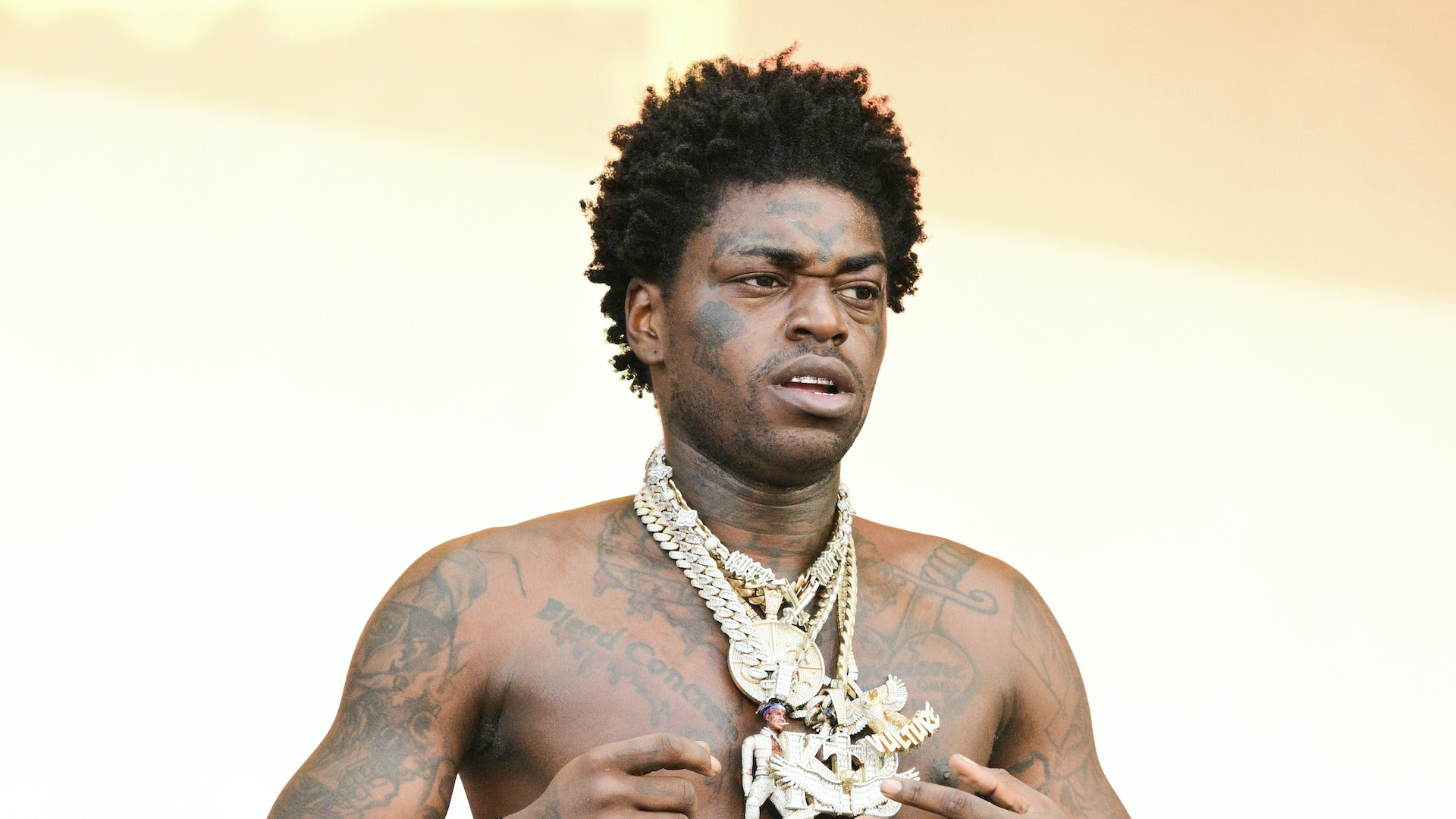
In the sharper performance view above, the important thing isn’t just the phrase. You can also see how Kodak mixes large script, smaller marks and heavy black shapes across the same area. That gives his chest a layered look instead of the clean, separated layout you might see in a traditional flash sheet.
“Project Baby” runs across his forearms
“Project Baby” is another key phrase in Kodak Black’s tattoo collection. The words are split across his forearms, with “Project” on one side and “Baby” on the other. The phrase refers to his early mixtape identity and works as both a music reference and a nickname.
Forearm lettering is easy to see in photos because the arms move constantly during a performance. It also makes the phrase feel more personal than a small logo hidden under clothing. When Kodak raises his hands or grips a microphone, the ink becomes part of the gesture.
His hands carry the “Golden Acres” lettering
Kodak has also been photographed with “Golden Acres” split across his hands. The reference points back to the neighborhood where he was raised. Hand tattoos are difficult to keep looking crisp because the skin gets so much daily use, but the lettering still shows up clearly in several photos.
This is one of the strongest examples of how his tattoos connect to place. The design isn’t just decorative. It carries a location with him, and the placement makes that message hard to miss whenever his hands are in frame.
Sniper Gang symbols appear across his torso
Kodak’s connection to Sniper Gang also shows up in his tattoos. Photos have shown the group’s logo and gun imagery around his abdomen, along with more lettering and symbols across the stomach. Because those pieces sit beneath chains, belts and open jackets, they are easiest to see in shirtless photos.
The torso view gives a better idea of how much of the collection is built from overlapping pieces. There are large central shapes, script across the chest and smaller marks filling the gaps. It reads more like a running record of different moments than one single planned chest panel.
Arm tattoos add the most visual weight
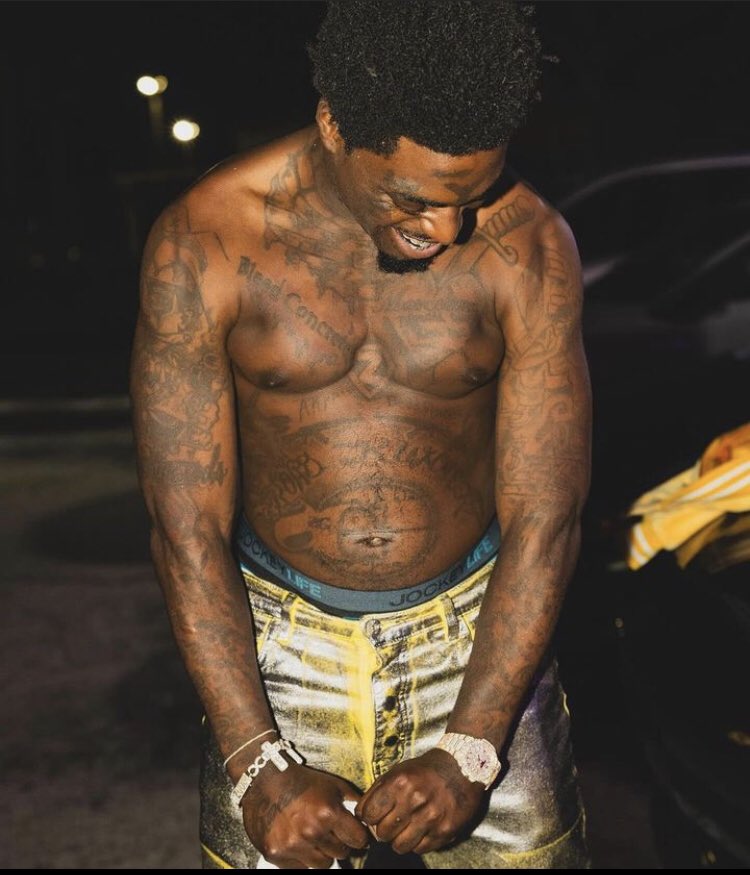
Kodak’s arms carry a mix of lettering, symbols and larger dark designs. Some tattoos are connected to music or his crew, while others are harder to identify from a distance. The left and right arms don’t look perfectly mirrored, which keeps the overall style loose and personal.
The candid view above shows why a full-body tattoo guide needs more than a face portrait. His chest, shoulders, upper arms and stomach all carry visible work, and each area changes how the next one reads. The tattoos look busiest when his arms hang beside his torso, but the shapes separate more clearly when he moves.
Have Kodak Black’s tattoos changed over time?
Yes. His face is the clearest example, with newer ink covering or changing older designs. The same thing can happen on the chest and arms as fresh lettering is added around older work. Photos also vary because of lighting, skin tone, camera quality and the jewelry he wears.
That’s why it’s safer to describe the visible designs instead of claiming a perfect permanent inventory. “Bleed Concrete,” “Project Baby,” “Golden Acres,” the face crosses and the Sniper Gang imagery are the most recognizable pieces. Smaller marks can be difficult to read, and some designs are only partly visible in public photos.
What makes Kodak Black’s tattoo style stand out?
The main theme is density. Kodak doesn’t rely on one giant centerpiece. He builds the look through face ink, neck lettering, chest phrases, hand tattoos and symbols spread across the arms and stomach.
There’s also a strong mix of personal references and visual attitude. Neighborhood names, music phrases and crew symbols sit beside crosses, knives, guns and other dark imagery. The result feels specific to his story rather than like a collection of random designs.
Kodak Black tattoos: the quick guide
- Face: crosses, cheek lettering, numbers, marks beside the eyes and newer central forehead ink.
- Neck: layered words and symbols, with knife and microphone designs reported in the area.
- Chest: “Bleed Concrete,” a “Z” and other script and symbols.
- Forearms: “Project Baby,” split across both arms.
- Hands: “Golden Acres,” divided between the hands.
- Torso: Sniper Gang imagery, gun designs and additional lettering around the abdomen.
Kodak Black’s tattoos work as a visual timeline. The collection mixes music, home, crew identity and changing personal style, and the newer pieces don’t always erase the story of the older ones. That is what makes the full set more interesting than any single face tattoo.