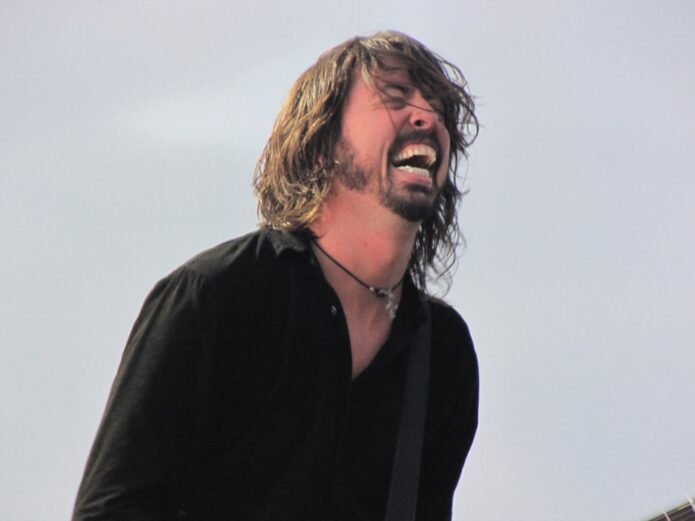
Dave Grohl’s tattoos trace the music and friendships that shaped him, from early punk influences to later tributes. The Ace of Spades tattoo, for example, came after Lemmy Kilmister’s death. The collection reflects decades of changing musical loyalties rather than one matching set.
In interviews, Grohl has said he made his Black Flag tattoo himself and described an arm tattoo he connected to John Bonham. Photos help show where the later designs sit, including the Motörhead tribute.
Grohl’s early tattoos include Black Flag and a pentagram
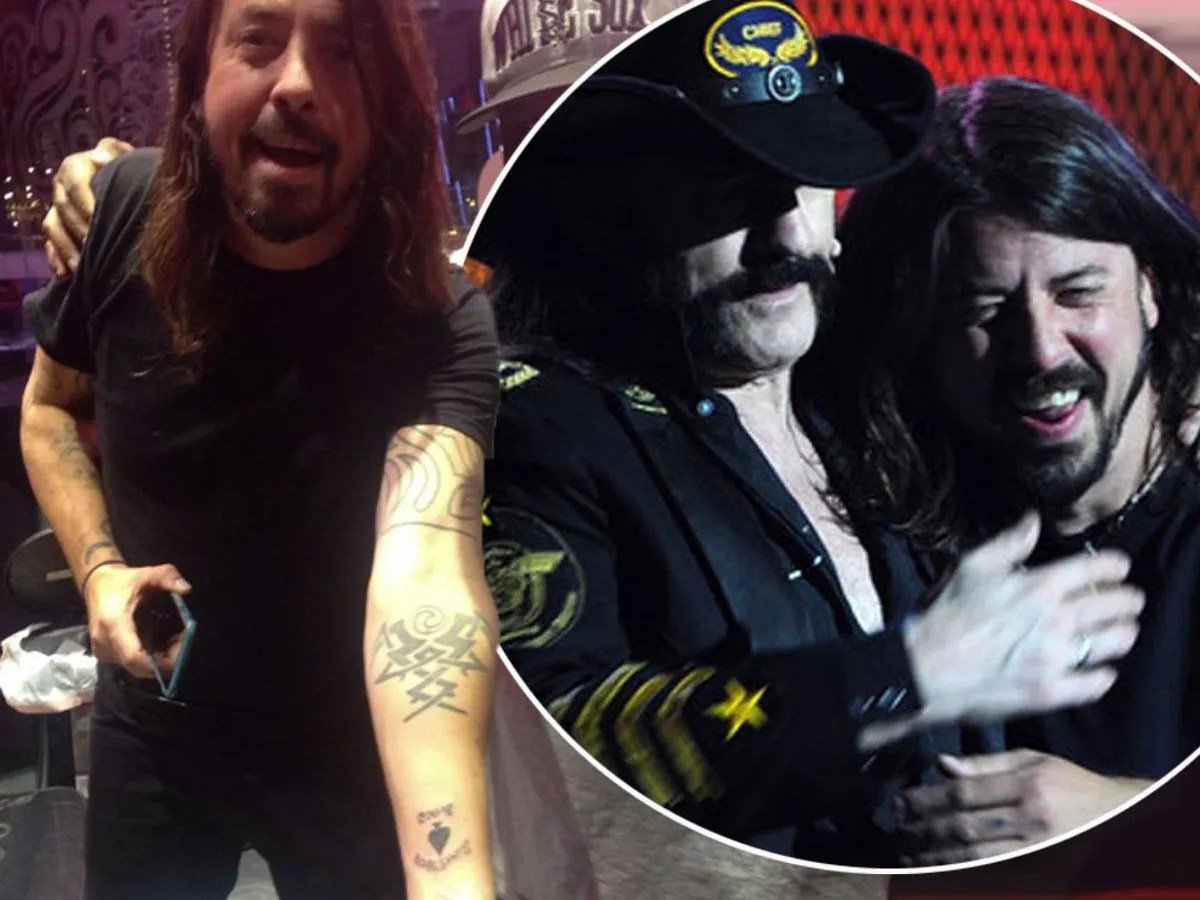
An archived interview recounts a pentagram Grohl got as a teenager. The surviving photo is too soft to show the design clearly, so this image gives a sense of his early arm tattoos rather than a close look at the symbol. The story places the tattoo in the music culture around him; it is separate from the Black Flag piece.
A pentagram can carry different associations, but Grohl’s interview does not tie his to a particular belief or ritual. Its appearance alone is not a reason to assign one.
The Black Flag bars are bold and direct, while the pentagram leaves more room for interpretation. Together, they show a young musician drawing on the subcultures around him, rather than following one set of symbols.
Grohl’s tattoo stories move through punk, metal and his admiration for drummers like John Bonham. The designs came from different times, but they are closely tied to the music and people he valued.
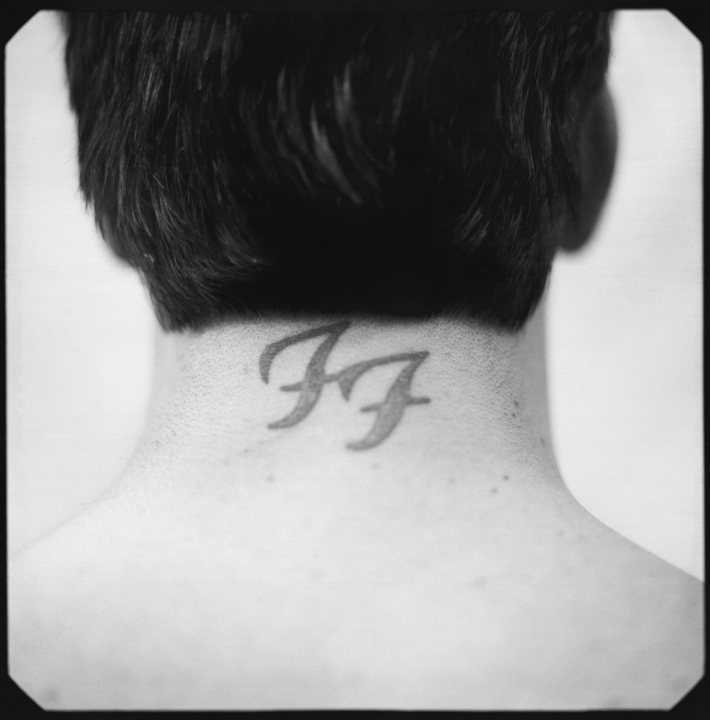
The Foo Fighters tattoo on Grohl’s neck brings his own band into the picture alongside the artists he admired.
The Black Flag bars remain the clearest link to his early music. They read at a glance, though a distant stage photo can blur the lines.
Other pieces reflect music, friendship and personal memory. Larger tattoos stand out at a glance; smaller designs on the forearm, shoulder or hand take a closer look.
His collection has changed over decades. Old symbols sit beside newer lettering, and some ink has faded. A dated photo helps place a design in time instead of making its changing appearance look like a new tattoo.
Band symbols and memorial designs have their own histories, but one tattoo’s meaning does not explain the marks beside it. Grohl has discussed some connections; the others can be described by their shape and placement.
The arm symbol Grohl linked to John Bonham adds one more musical influence: a drummer he has spoken about admiring.
Grohl’s smaller tattoos can be hard to spot beside the larger music designs. In concert photos, his wrist or forearm may be turned away, and stage lighting can hide fine lines. A sharper image gives a better look, though it may not date the tattoo.
“Music” is a useful thread through the collection, but it does not tell the story of each tattoo. Black Flag, memorial pieces and other band-related images each have a different history. Grohl has explained some connections; others show only what is on his skin.
The Ace of Spades and other music tattoos
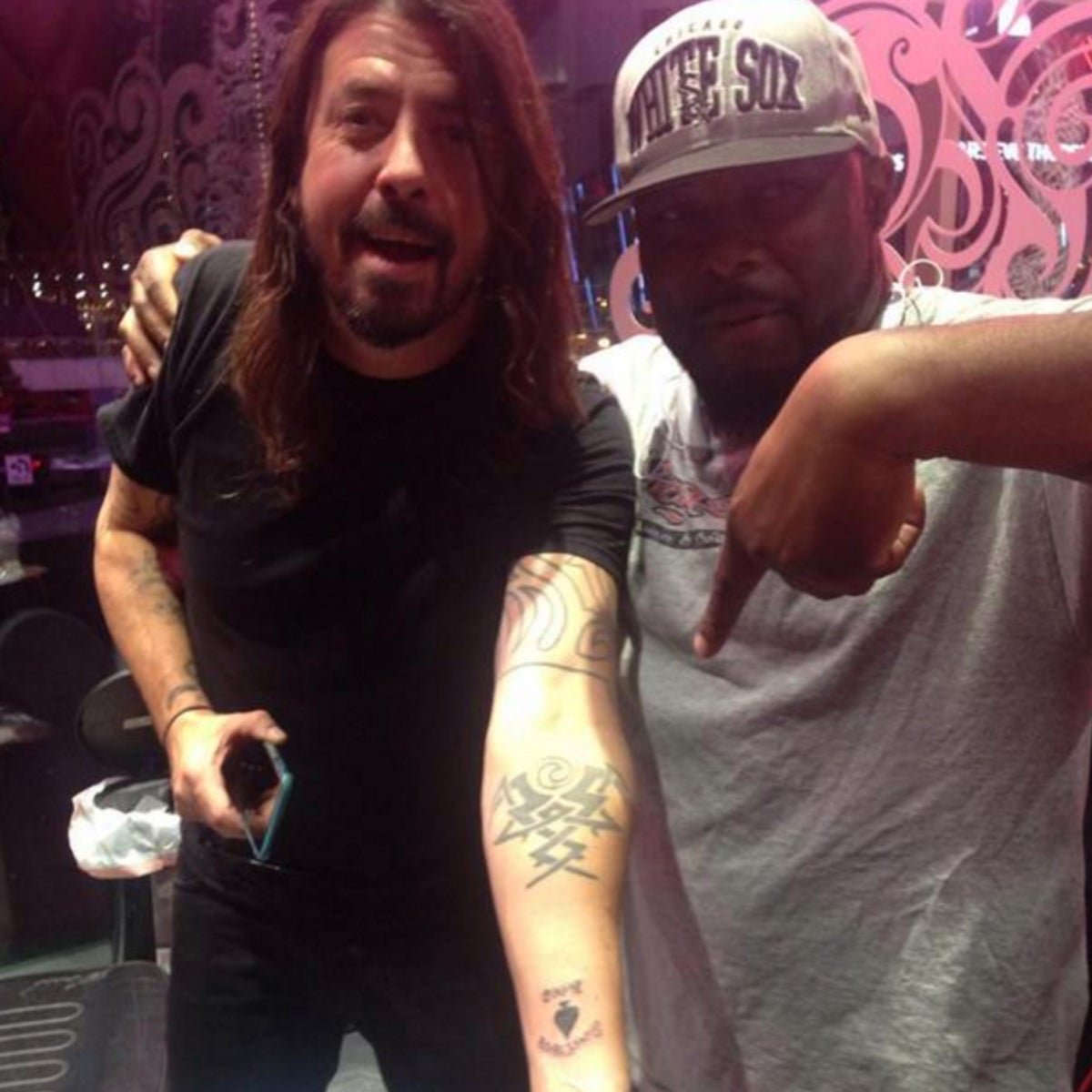
Grohl’s Ace of Spades and related tattoos give the collection a sharper edge. The high-resolution photo shows the card design more clearly than a dim concert shot, and the link to Motörhead places it in the music he admired.
Each piece belongs to its own period. The Ace of Spades, Black Flag and other band references grew from different moments in Grohl’s musical life.
Grohl’s tattoos are easier to understand as a timeline than as a matching set. Black Flag recalls the music that caught his attention early; the playing-card image and smaller marks sit within a wider history of punk, metal and touring. One shared theme is not needed.
The Black Flag tattoo has the plain force of a teenage music obsession. It is a simple design, but it stayed with Grohl. His connection to the band speaks to influence and allegiance, a different story from a family tribute.
The Ace of Spades leaves more room for interpretation. The card is strongly linked with Motörhead and rock culture, but photos cannot say which part of that history meant most to Grohl when he got it. The band reference is clear; a more personal meaning would need confirmation from him or a reliable interview.
Small pieces are harder to date. A clear forearm shot may show where a design sits but not when he got it, while a concert photo can hide fine lettering. An image is useful, but it does not provide a complete timeline.
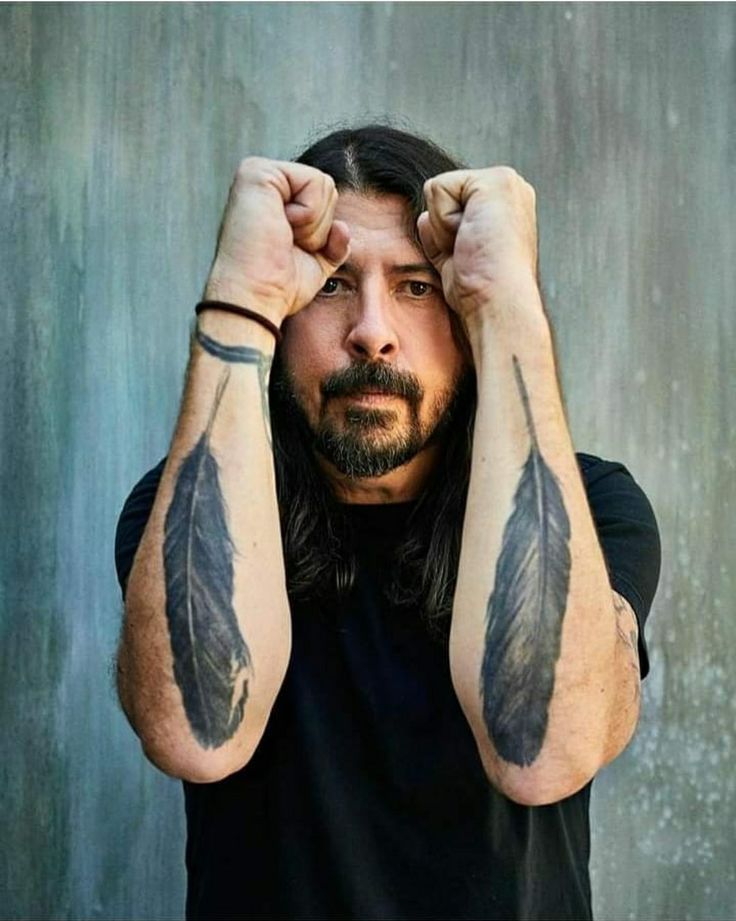
Grohl’s forearm tattoos often come into view when he plays guitar or talks into a microphone. He can cover them with sleeves, but the ink has also become part of his public image. The collection looks accumulated over years of bands and touring, rather than designed as one brand.
Grohl has tied Black Flag to his early musical influences, and the Ace of Spades points to the rock and metal world around Motörhead. The smaller marks are best described by what the photos show when he has not explained their meaning.
Age and photo quality can make the collection look different from one picture to the next. A dark stage shot may swallow a tattoo, while a close portrait shows its edges. Ink also fades; a change in appearance does not necessarily mean new work or a cover-up.
Nothing in the collection suggests a coordinated style. The tattoos span records, bands, friendships and the years between small venues and arena stages. Some carry stories Grohl has shared; others are simply visible parts of his life.
The history behind each design matters more than a dramatic meaning added afterward. Grohl has shared part of that history in interviews; older photos and concert images fill in the rest of the picture.