
5 Seconds of Summer’s tattoos record different parts of the members’ lives: Luke Hemmings’ Roman numerals refer to the band’s formation, Calum Hood’s “Bali Tour 2016” lettering recalls a travel mishap, and Michael Clifford and Ashton Irwin discuss personal references. The members’ ink varies across arms, shoulders and other visible areas; there isn’t one shared design or style.
A band history written in small marks
The GQ Tattoo Tour is the clearest source for the stories behind selected tattoos. Luke talks about a date connected with the band’s start, Calum recalls being left in Bali, and Michael and Ashton discuss references linked to their interests and family.
Those accounts give some of the visible designs a history. The photos show placement and style, while the interviews supply the details the images can’t establish.
Luke Hemmings’s Roman numeral tattoo marks the band’s beginning

Luke Hemmings says his first tattoo is a set of Roman numerals connected with the formation of 5 Seconds of Summer. GQ’s Tattoo Tour identifies the mark as a date associated with the band’s start.
The narrow lettering is simple to read in a close view, but its significance comes from that specific date. It records the group’s beginning without a larger image.
Calum Hood’s Bali Tour 2016 tattoo carries a travel story

Calum Hood’s tattoo reads “Bali Tour 2016.” The story attached to it is that he lost his passport and was left in Bali while the other members moved on. The words keep that particular touring mishap on record.
The short inscription appears among Hood’s arm tattoos in editorial portraits. Its meaning is unusually specific because it names both the place and the year. Hood has told the story with humour, given how an ordinary travel problem became a permanent tattoo.
Michael Clifford’s symbols connect fandom and personal references
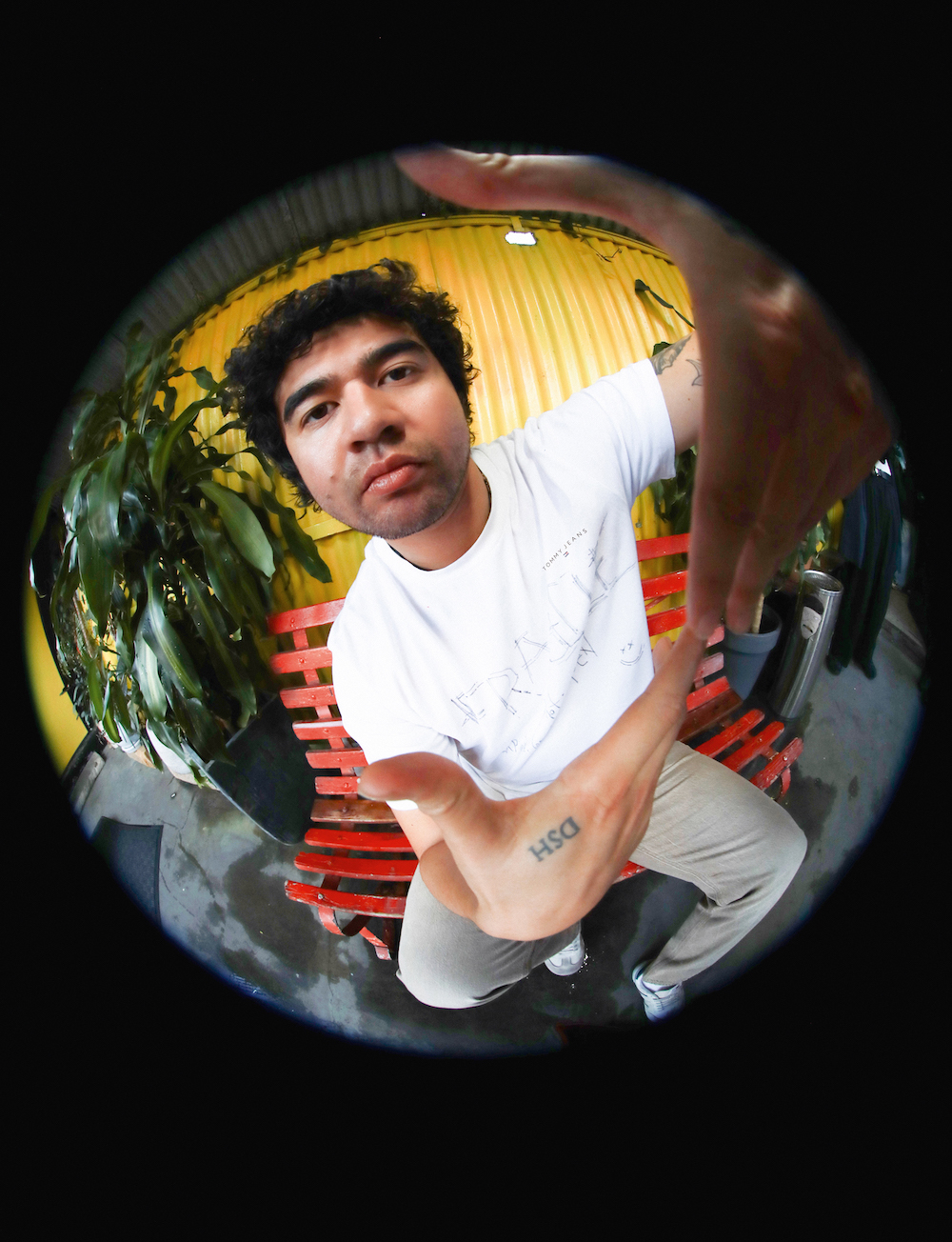
In the GQ feature, Michael Clifford discusses symbols connected with fandom and the cultural references he enjoys. The article does not identify every design or give a separate meaning for each mark, so the photographs are best used to show their placement and appearance.
His examples differ from Luke’s date and Calum’s travel inscription: they point to interests and references rather than one event in the band’s timeline.
Ashton Irwin’s ink adds the family side of the band’s visual history

Ashton Irwin discusses tattoos associated with family and personal history. The GQ conversation places those alongside the band references and fan-inspired ideas mentioned by the other members. It does not name a specific family design in the available account.
The interview gives that context; the photographs show where the tattoos sit. Without a more precise description, it’s better not to assign a meaning to individual marks.
The GQ Tattoo Tour puts the members’ details in context

The video lets the members explain selected tattoos in their own words. Luke describes the formation-date reference, Calum tells the Bali story, and Michael and Ashton discuss personal influences. A photograph can show that a tattoo exists and where it sits; the conversation supplies the story.
Their accounts also show that the pieces were added at different times. The collection developed through separate experiences rather than being planned as one band identity.
The band’s photographs preserve a changing visual identity
Close portraits, group photos and the GQ video show different parts of the members’ tattoos. A close-up can reveal lettering that disappears in a full-band shot, while performance photos place the ink alongside stage clothing and movement.
The documented designs reflect four different references: a date, a travel mishap, personal interests and family. The images and interviews together give a partial record of the group’s tattoo history without turning the members’ separate collections into one shared style.