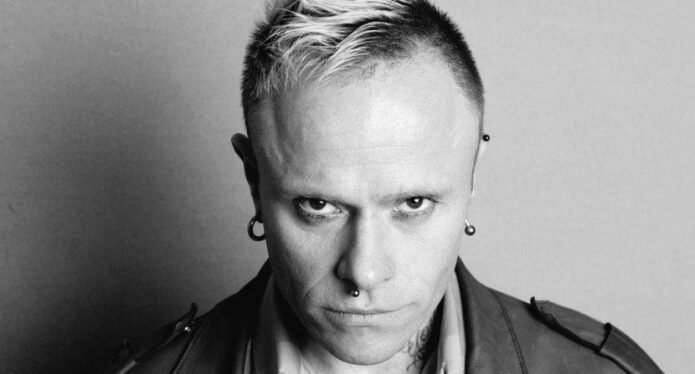
Keith Flint never needed a big speech to explain his look. The hair, the piercings, the makeup and the tattoos all did that job before he even grabbed a microphone. His ink covered his arms, hands, chest and stomach, and it became part of the same wild visual language that made The Prodigy impossible to miss.
There is plenty of tattoo gossip online, but the clearest details come from Flint’s own interviews and from photos where the designs are actually visible. The word “Inflicted” across his stomach is confirmed, and he also spoke about skulls, a grenade and roses on his arm. The rest is best treated as a photo guide, not a list of made-up meanings.
Keith Flint’s forearm tattoos were impossible to miss
Flint’s forearms are the first place most people notice. The pieces are big, dark and tightly packed, with sweeping tribal-style lines running around the arm. They look especially clear in older black-and-white portraits, where the heavy blackwork stands out against a pale shirt or bare skin.
The style fits the image he built with The Prodigy, but it was not just stage decoration. Flint had the tattoos long before the band became a huge mainstream act. In photos from the 1990s, the ink is already a major part of his appearance, sitting beside thick bracelets and the punk clothes he wore off stage too.
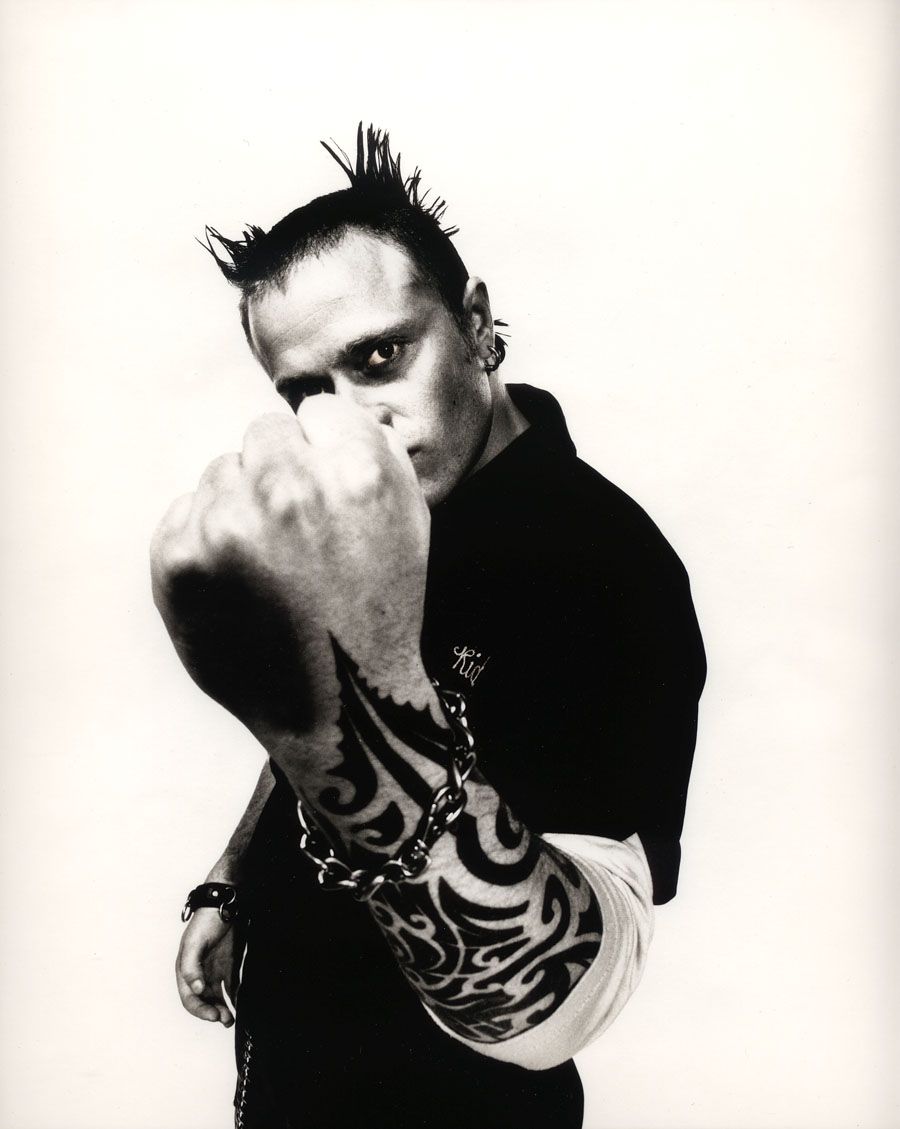
His arms mix tribal shapes with skulls, roses and a grenade
Reports on Flint’s tattoos regularly point to a skull, a hand grenade and roses on his right arm. Those designs can be picked out in several photos, although the angles and lighting make the smaller details hard to read. The main impression is a busy sleeve with separate pieces packed closely together rather than one smooth, single-colour design.
That mix of flowers and harder images feels very Keith Flint. The roses soften the sleeve a little, while the skull and grenade push it back toward the rougher side of his stage persona. It is a good example of why his tattoos worked as a whole collection. Each piece adds to the same restless look.
The “Inflicted” stomach tattoo has a direct link to Firestarter
The most famous wording on Flint’s body is “Inflicted”, stretched across his stomach. The tattoo became closely linked with the Firestarter era because it sat right in the middle of the image people saw in videos, magazines and live photos. It is not a rumour pulled from a fan forum. Flint discussed it himself, and the connection to the song has been reported for years.
The lettering is plain and wide, which makes it easy to recognise even in older photos. It also says something about how Flint used words on his skin. He did not go for a tiny hidden quote. He put the message somewhere it could be seen, then carried it into one of the biggest music moments of the 1990s.
Chest tattoos helped make the whole look feel intense
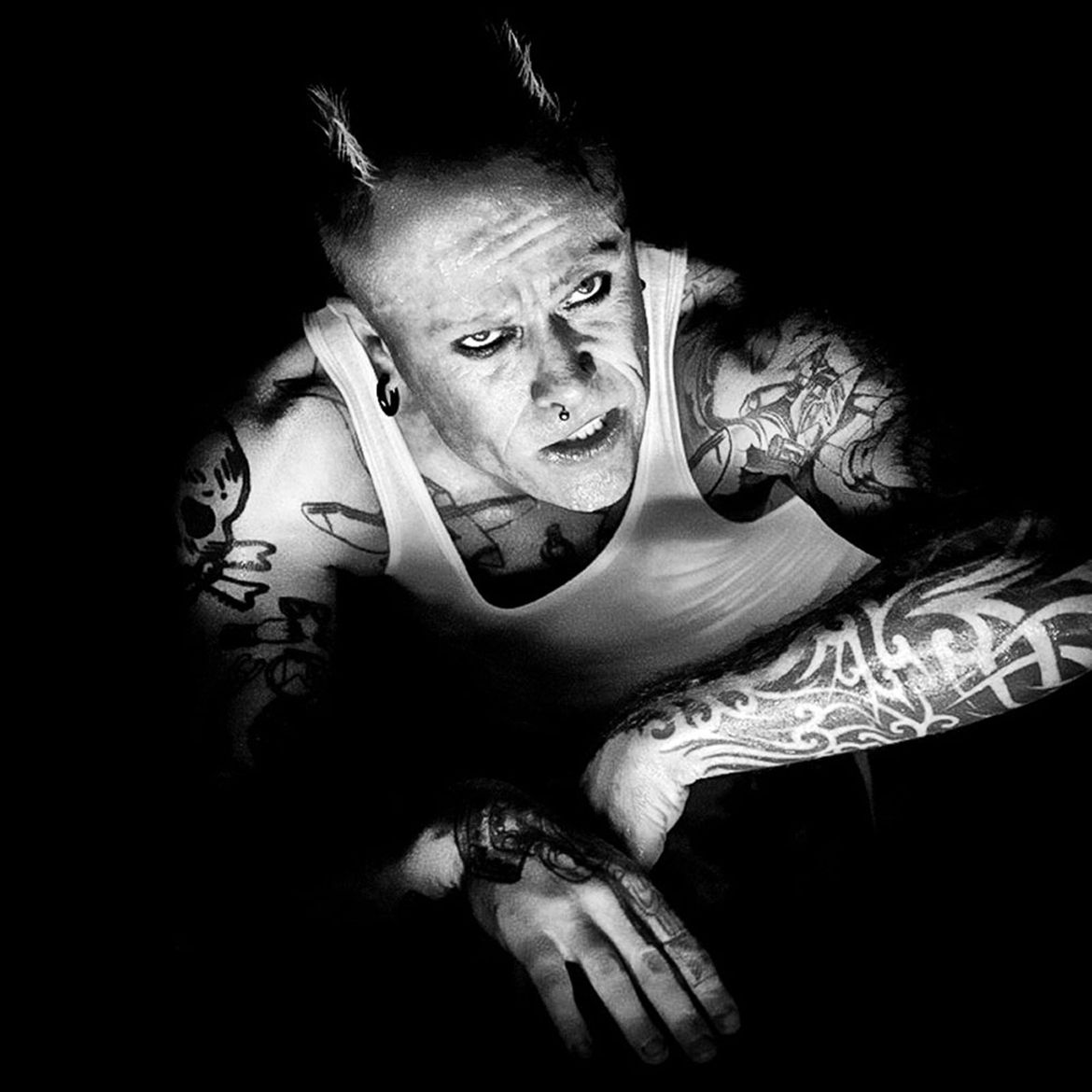
Flint’s chest and upper body were also covered with ink, although shirts and lighting often hid the details. In close-up shots, you can see designs rising from the chest toward his shoulders and neck. Some photos show musical-looking shapes and winged or pointed forms, while others are too dark to identify safely.
This is where a lot of online lists go too far. A blurry concert photo can make three separate tattoos look like one giant piece. The safer description is that Flint had extensive chest work that connected visually with both sleeves. That is enough to understand the layout without pretending every line has a confirmed name.
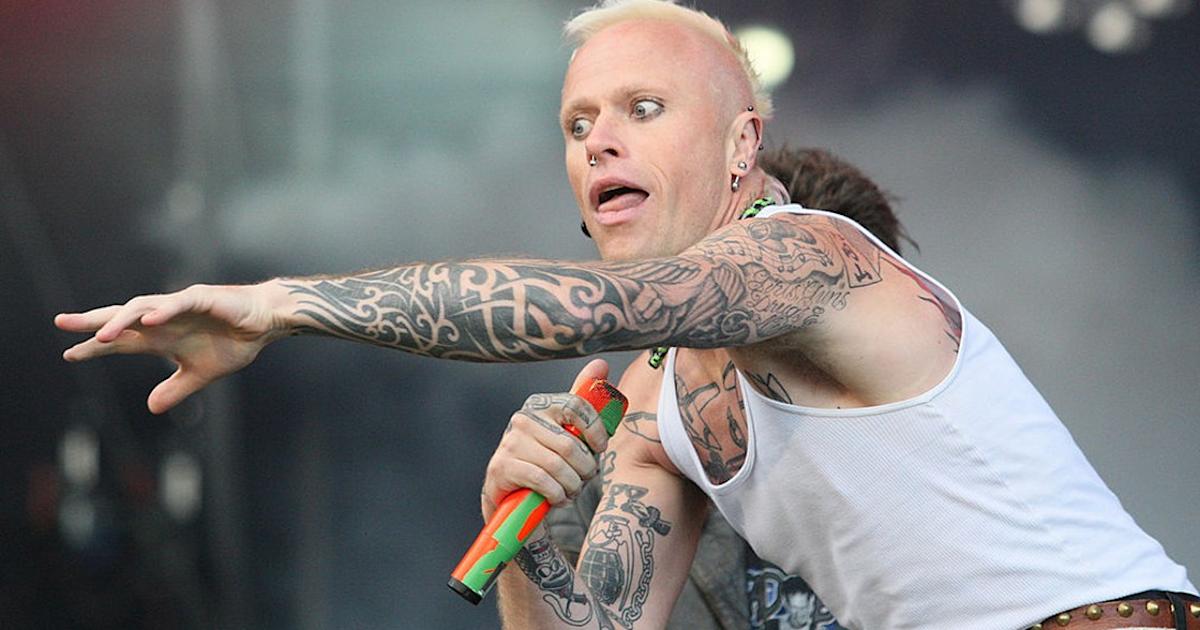
Stage photos show the tattoos in motion
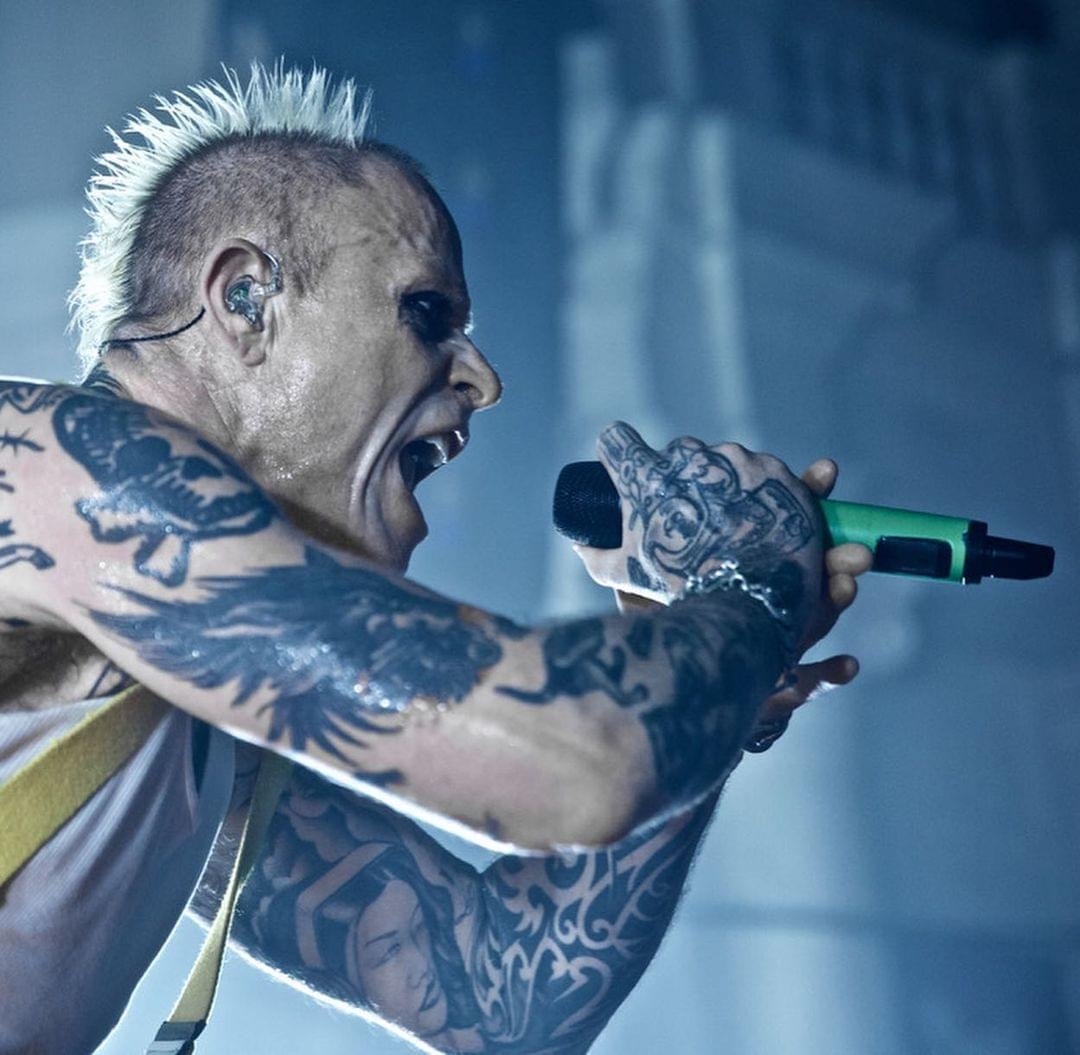
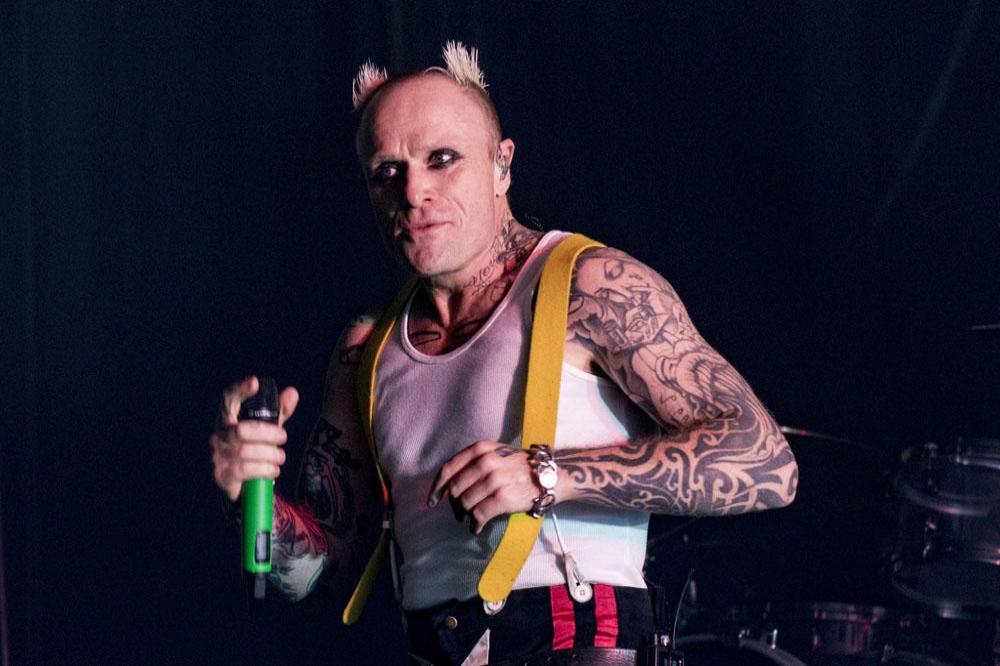
Keith Flint’s live photos are useful because he rarely stood still. When he threw an arm toward the crowd or leaned into the microphone, the tattoos on his forearms, hands and shoulders moved with him. The ink became part of the performance, almost like another piece of the costume.
Different shots also show how much his tattoo collection changed in appearance depending on the light. Bright festival photos bring out the outlines. Dark club photos turn the sleeve into a near-black shape. Neither version is wrong. Together, they show why Flint’s tattoos looked so striking from the back of a concert hall.
What did Keith Flint’s tattoos mean?
Some meanings are on record. Flint said the “Inflicted” tattoo was the most painful, and he linked it with the Firestarter world. He also explained that his tattoos reminded him of his uncles and represented working-class identity. Those comments are more useful than the vague symbolism repeated in random galleries.
There are still plenty of designs without a public explanation. It is fair to describe the skull, grenade, roses and heavy arm work, but not fair to invent a story for every mark. Flint’s tattoos were personal, rough around the edges and tied to the image he chose for himself. That is probably why they still look convincing years after the photos were taken.
If you want to see Flint talking in his own era rather than through a modern tribute, this 1990s interview with The Prodigy is worth a watch:
The tattoos were only one part of Keith Flint’s look, but they mattered. They made the arms, chest and stomach feel like part of the same story as the music, and they helped turn a frontman into an instantly recognisable figure.
For more music-related ink, you can browse the musician tattoos category and compare Flint’s heavy blackwork with other artists’ styles.
What makes the collection work is the consistency. Even when the photos come from different years, the same bold black shapes keep turning up on his arms and upper body. There is no polished, matching-sleeve effect here. The tattoos look worn in, a little uneven and built up over time, which suits the way Flint mixed rave energy with punk attitude. You can see why the ink became part of the character people remembered, even when he was off stage and dressed in ordinary clothes.