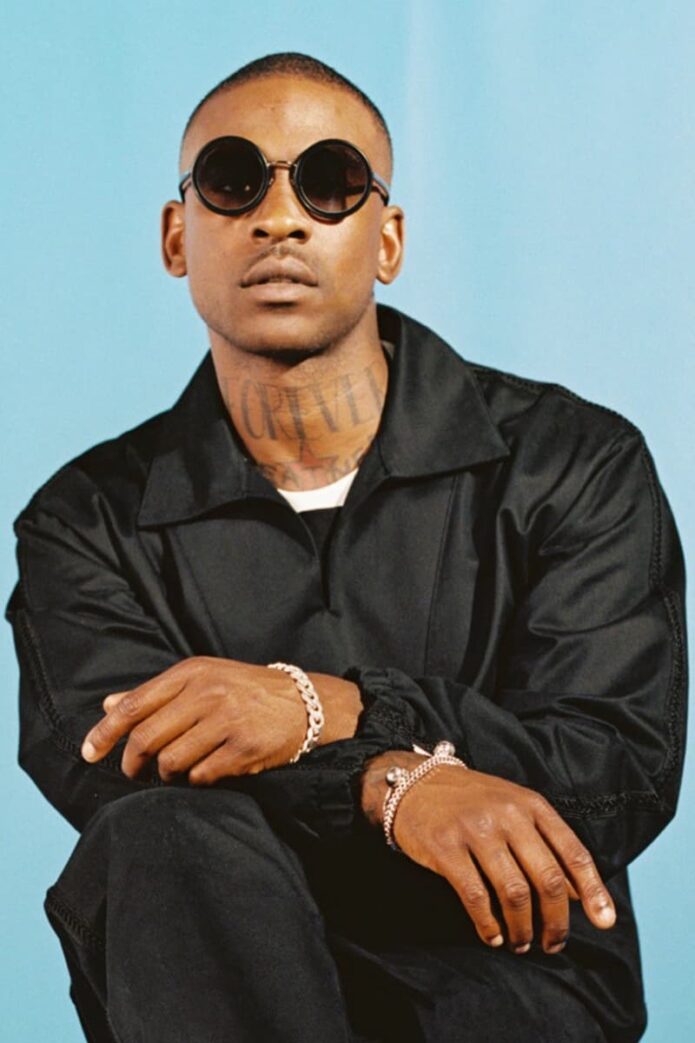
Skepta’s tattoos read like a map of where he comes from, who he has lost, and the ideas he has carried through grime and beyond. They are not a neat collection built around one colour or one fashion. There is London architecture, record-label identity, family, grief, ambition and the occasional piece that looks like a private joke until Skepta explains it.
The rapper has talked about his tattoos in interviews, and the documented collection is unusually specific. His neck says FOREVER, his stomach carries London landmarks, his chest includes the London flag and Boy Better Know imagery, and his back combines his stage name with a lyric about seeing the bigger picture. The overall feeling is proud, personal and very South London.
FOREVER keeps the neck piece tied to No Fear Forever
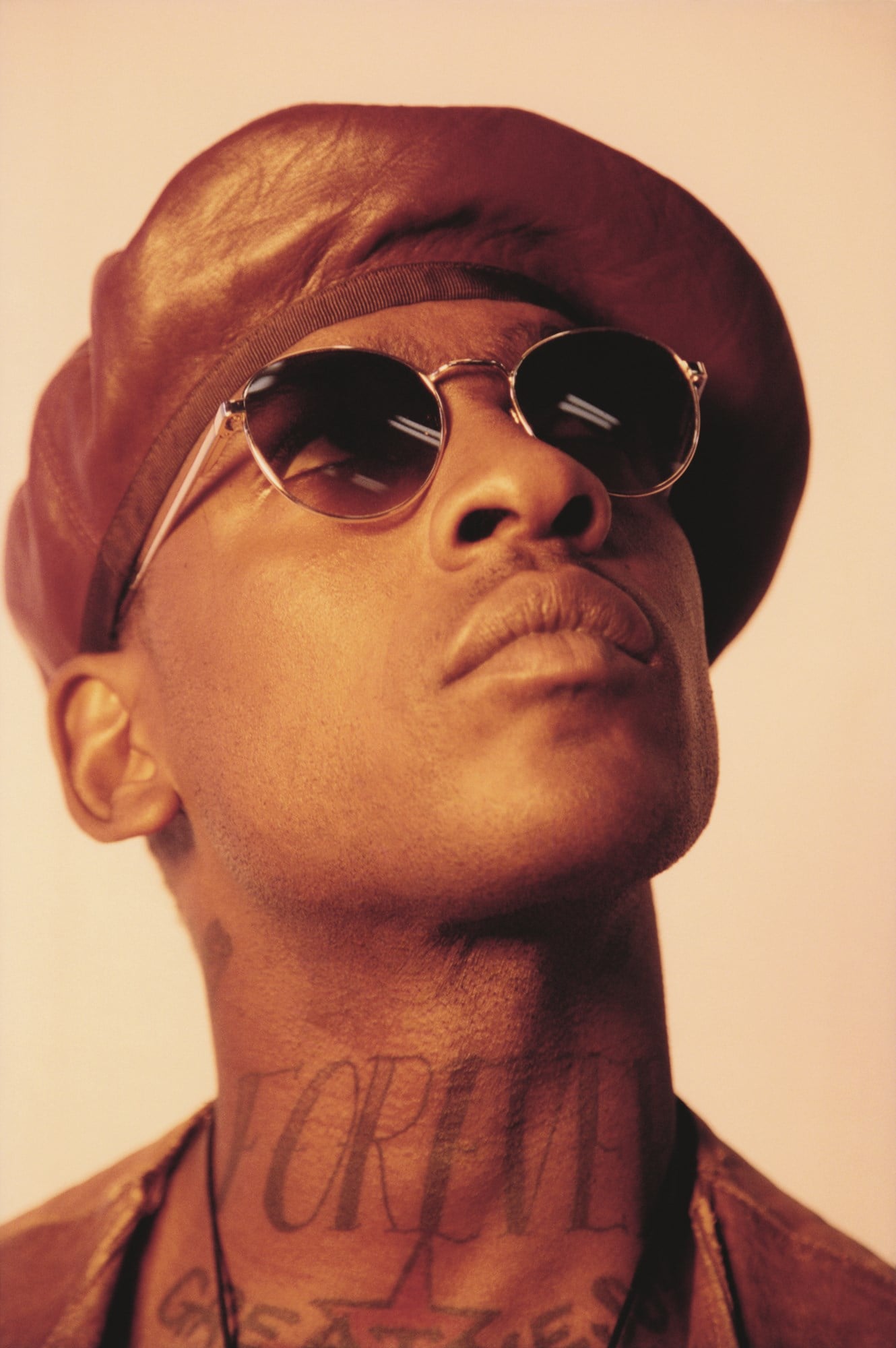
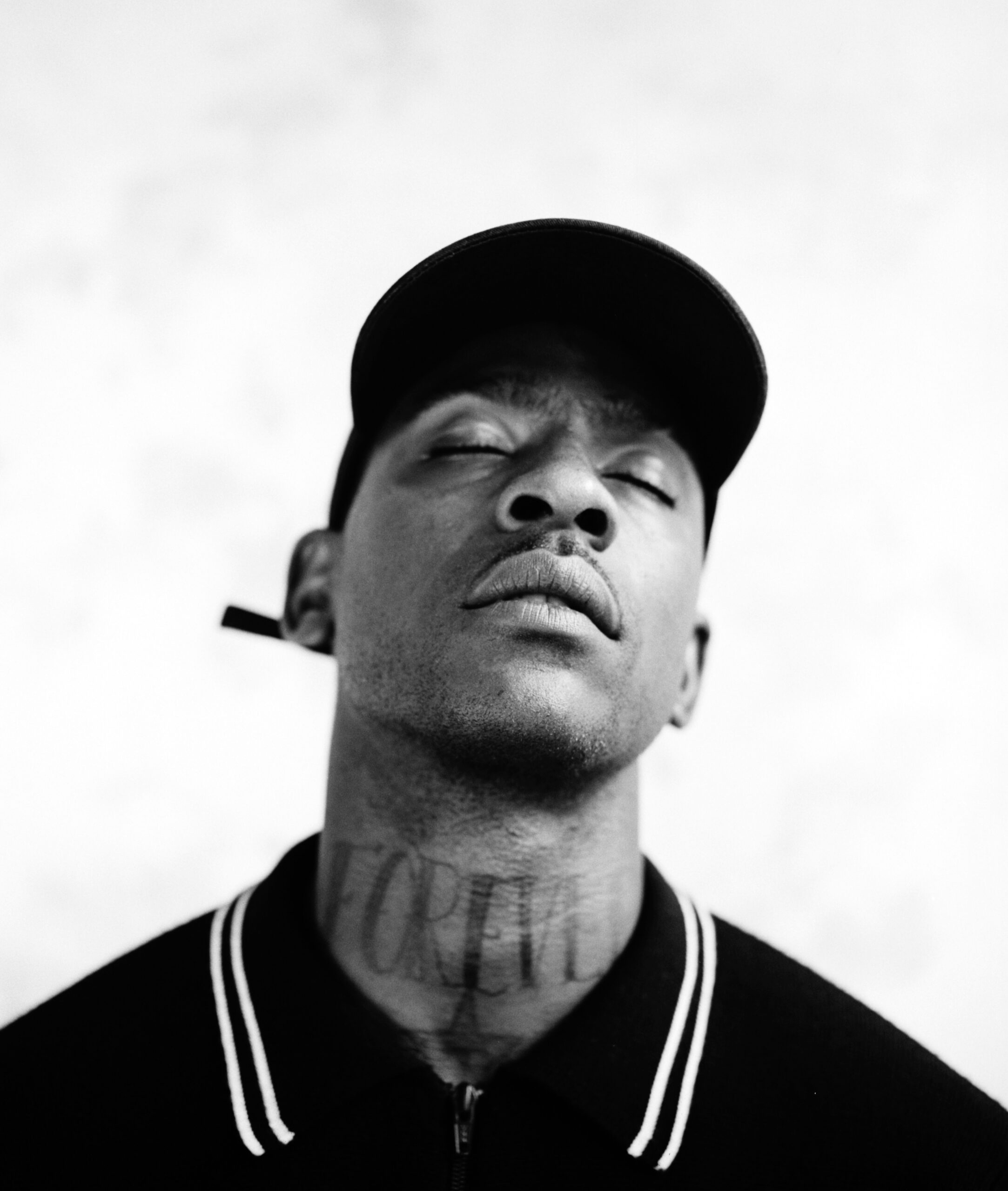
The word FOREVER is tattooed across the front of Skepta’s neck. It is not just a dramatic word chosen because it looks strong in a photograph. The meaning is connected to No Fear Forever, the clothing line associated with Skepta. That link turns a simple block of lettering into part of the world he built outside the music.
Neck lettering is a confident choice because it cannot easily disappear under a T-shirt. It sits in view during interviews, performances and everyday conversations. For an artist who has always cared about creating a recognisable visual identity, the placement makes sense. The word becomes part of the first impression before he has even said anything.
There is also a useful contrast between the size of the word and the amount of information it carries. On its own, FOREVER could mean almost anything. With Skepta’s explanation, it points toward a brand, a business and the idea of making something last. It is a piece of branding, but it still feels personal because the brand grew out of his own creative life.
PAIN is a quieter mark on the wrist
On the inner side of Skepta’s left wrist is the word PAIN. Compared with the large London scenes and chest pieces, it is a small, direct tattoo. The available documentation does not give one long official explanation for it, so it is better not to invent a detailed story. The word can stand on its own as a reminder of what the artist has survived and what ambition has cost.
The wrist is a practical place for a word like this. Skepta can see it while working, writing, driving or performing, but it does not dominate the whole body. It reads like a private note that happens to be visible to other people. That makes it feel different from FOREVER, which announces itself immediately.
Together, the two pieces make an interesting pair. One says something about the future and what might last; the other acknowledges the hard parts that sit underneath success. Skepta’s collection does not pretend the journey was effortless. Even the shortest tattoos have a little tension inside them.
Tower Bridge puts London across his stomach
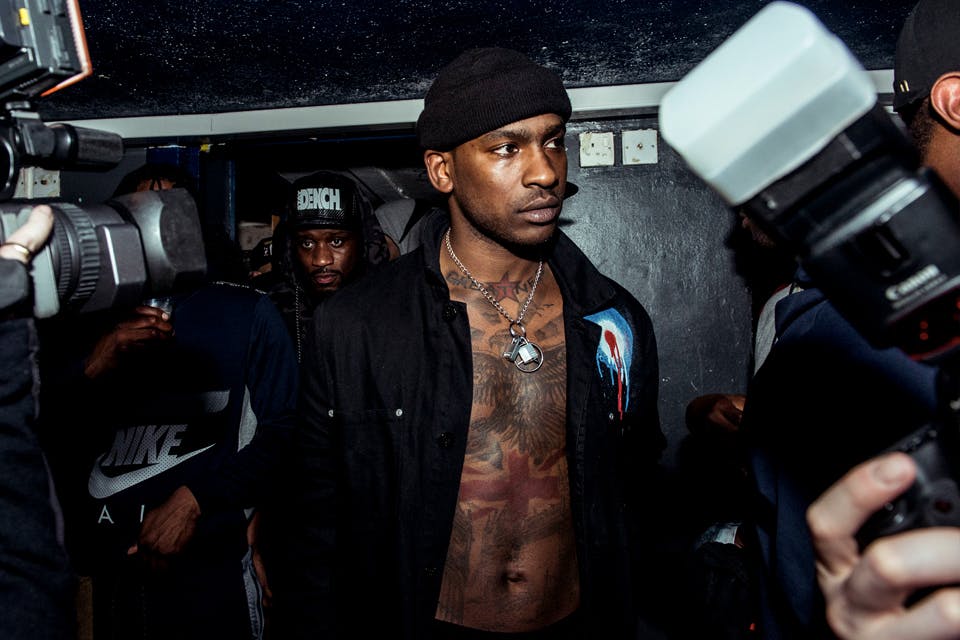
One of Skepta’s biggest location-based pieces is a tattoo of Tower Bridge on the left side of his stomach. The design includes the River Thames and a small boat below the bridge, turning a famous landmark into a compact city scene. It is instantly recognisable to anyone who knows London, but the tattoo is more than a postcard.
Skepta has described the piece as a way of showing love for the country and city that shaped him. Tower Bridge links the north and south sides of London, so it is a natural image for someone whose music has travelled far beyond the streets where grime developed. The tattoo carries both place and movement.
The stomach gives the design room to breathe. Unlike the neck lettering, it is not meant to be read from across a room. A larger image can sit there with enough detail for the towers, water and boat to remain separate. When it appears in photographs, it helps anchor the rest of the collection around a very clear idea: London is not background decoration for Skepta. It is one of the main subjects.
That London thread continues with Big Ben on the other side of his stomach and an OVO owl above it. Drake tattooed Skepta’s Boy Better Know logo on his shoulder, and Skepta returned the gesture with the owl. It is a small but memorable exchange between two artists who recognised each other’s work.
The London flag sits at the centre of his chest
In the middle of Skepta’s chest is a red cross associated with the flag of London, along with diagonal red lines that partly echo the United Kingdom flag. The design is another public statement of place. It is not subtle, but it is not trying to be. The chest gives the symbol a central position and lets it work almost like an emblem.
Seen beside Tower Bridge, the flag creates a kind of visual conversation. One tattoo shows the city as architecture and water; the other reduces it to colour and shape. Both point in the same direction without repeating the same image. This is the kind of planning that becomes more obvious when the tattoos are considered as a collection rather than as isolated pieces.
There is a difference between patriotism and simple decoration here. Skepta’s London references are tied to the music, the language and the creative community that helped make him. The tattoos are reminders of the place that gave him a sound and a platform. They feel less like souvenirs and more like part of his identity.
LUKEY LIVES is a tribute rather than a slogan
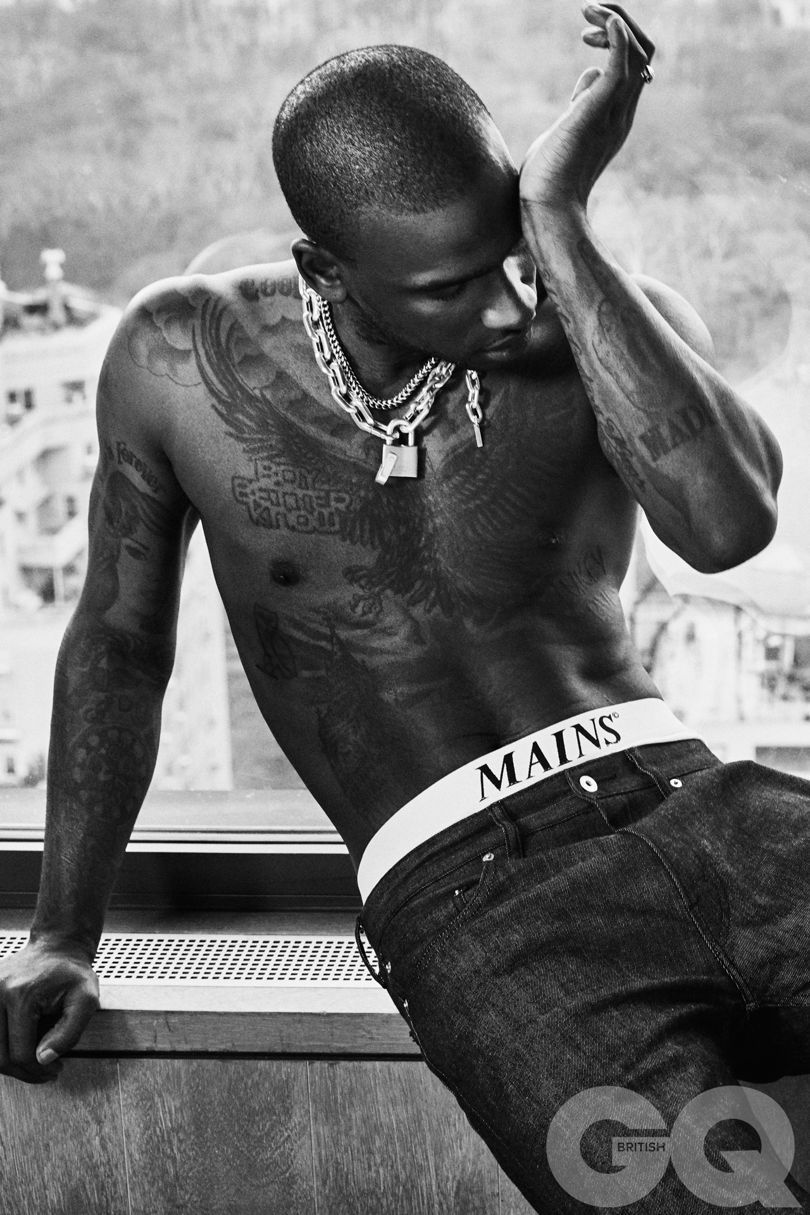
Below the left side of Skepta’s pec are the words LUKEY LIVES. The tattoo is a tribute to his friend Lukey Maxwell, who was fatally stabbed in North London. Skepta has explained that the phrase means Lukey remains present in the hearts of the people who loved him.
This piece changes the mood of the collection. The London scenes are proud and the label references are ambitious, but LUKEY LIVES is about remembrance. It is a sentence aimed at absence. The words do not claim that the loss did not happen; they insist that the person is not erased by it.
The placement below the chest keeps it close to the rest of Skepta’s central imagery while still feeling separate. It is visible enough for people to ask about, but the meaning belongs first to Skepta and the people who knew Lukey. That is why it should be described as a tribute, not reduced to another piece of lettering.
His mother’s portrait gives the right arm a personal centre
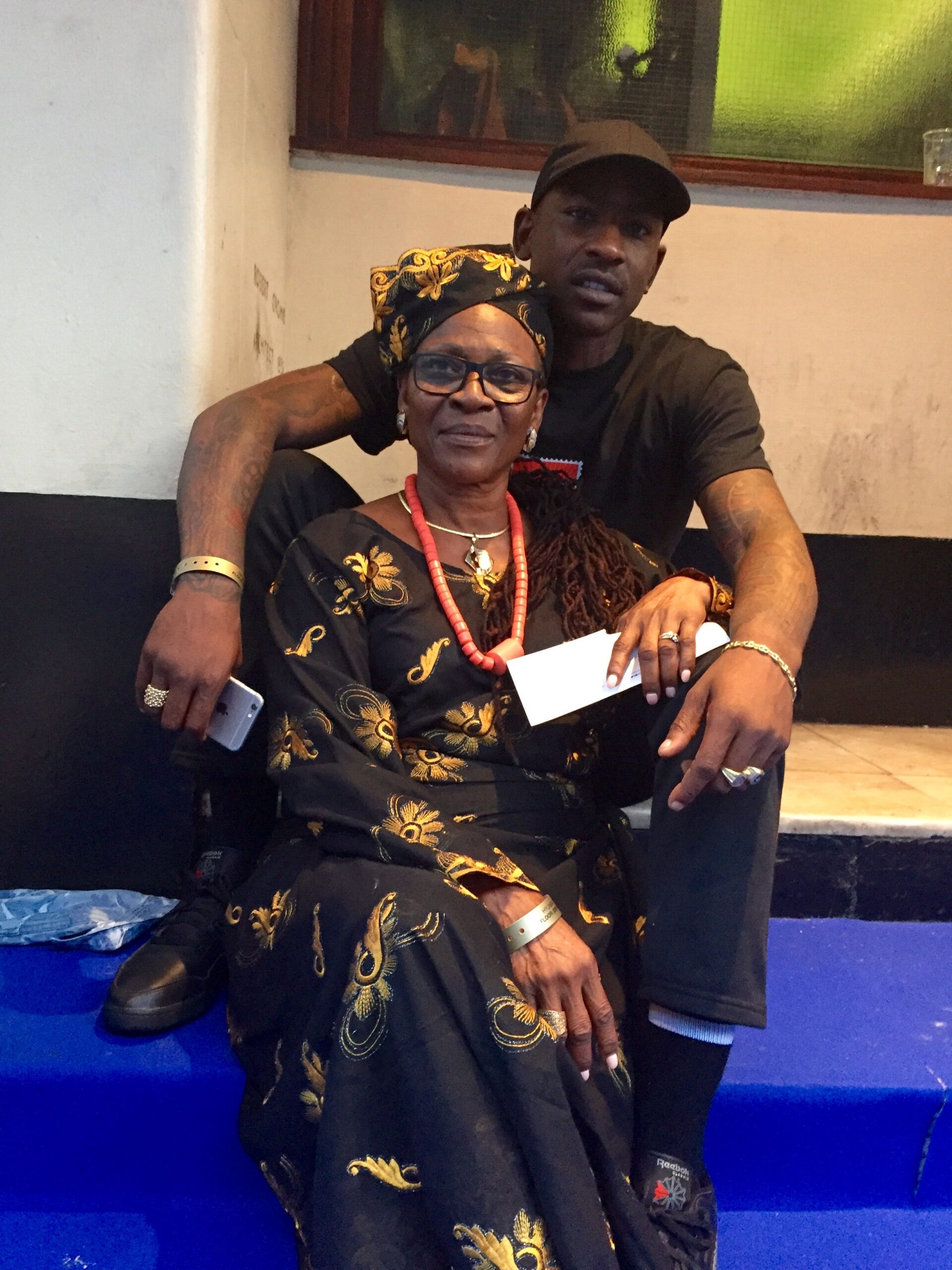
Skepta’s right arm includes a portrait of his mother, with two red roses below it. Portrait tattoos can easily become generic when the person is not identified, but in this case the meaning has been stated clearly. The design honours his mother and gives the arm a strong emotional centre.
The roses soften the portrait without making it sentimental in a forced way. They give the black-and-grey image a little colour and help the piece sit naturally among Skepta’s other work. The arm becomes a place where family can sit alongside the louder symbols of career and London.
That balance matters. Skepta’s tattoos can look bold from a distance, especially with the neck and chest lettering, but the portrait shows why the collection is not just about image. There are people in it. There are friendships, relatives and losses. The public designs are attached to a private life.
Skepta’s tattoos are a London story in chapters
Skepta’s collection is easiest to understand as a series of chapters. FOREVER and the label references belong to the world he created. Tower Bridge, Big Ben and the London flag place that world geographically. LUKEY LIVES and his mother’s portrait bring in the people who matter beyond the stage. PAIN, GREATNESS, GOOD and EVIL add the internal conversation.
Not every small tattoo has a detailed public explanation, and that is fine. The pieces that are documented already tell a rich story without asking us to guess at every mark. The best tattoo writing keeps the difference clear between what Skepta has explained and what a photograph simply shows.
There is a relaxed confidence in the collection. He is comfortable with large work, visible lettering and images that make a statement before he has spoken. At the same time, the tattoos are not polished into a single corporate identity. They contain grief, jokes, loyalty, pride and a bit of contradiction.
The strongest thread is place. London appears as a landmark, a flag, a memory, a music scene and a set of relationships. That is why the tattoos still feel connected even when the designs are very different. They are all pointing back to a life Skepta knows exactly where he built.
Watch the story behind Skepta’s OVO owl
This short video covers the exchange behind Skepta’s OVO owl tattoo and the Boy Better Know tattoo Drake got in return.