
Alkaline’s eye tattoos became part of his public image when he emerged in Jamaican dancehall with bleached hair and a deliberately mysterious style. The darkened eyes drew attention, but they were part of a wider approach to body art and performance.
The sclera tattooing associated with the look became the best-known part of the story. In interviews, Alkaline discussed the pain and said it was temporary. Later photos raised questions about whether the effect had faded, changed or involved contact lenses. Those questions are still part of the record, so the images should not be reduced to a simple before-and-after story.
The darkened eyes made the first impression
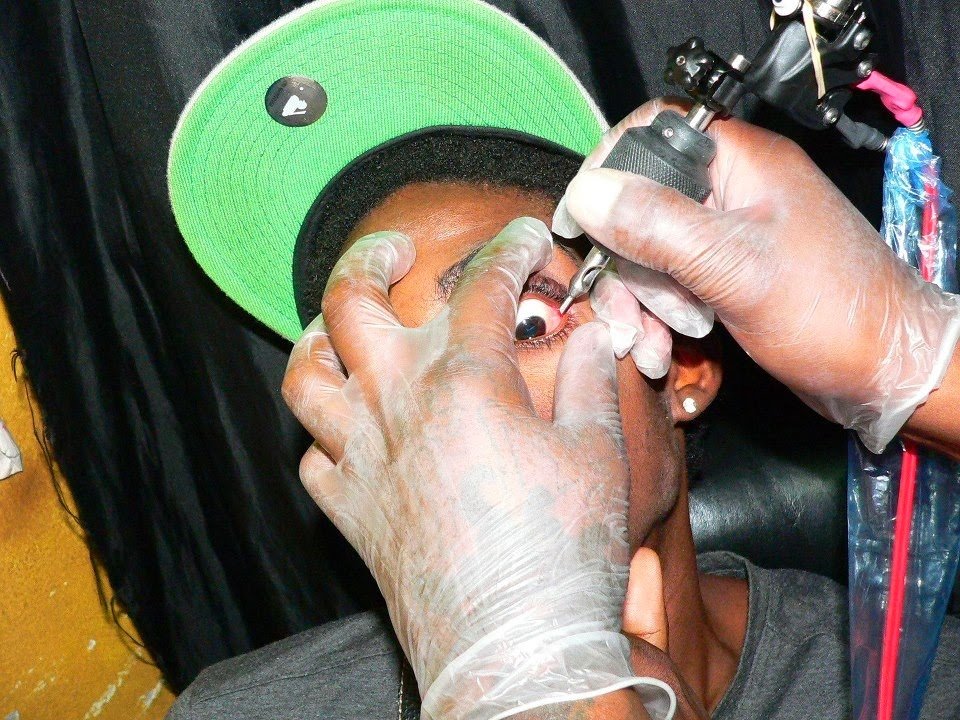
When Alkaline first became known in dancehall, people noticed his darkened eyes. Coverage described tattooing or colouring the sclera, the white area around the iris. That is different from an ordinary skin tattoo, and reports at the time emphasized how unusual and painful the procedure was.
In an OnStage TV interview, Alkaline said the tattoos hurt but that pain was temporary. He also suggested the effect would dissolve over time, a claim that tattoo professionals and ophthalmologists questioned. His comment is part of the record, not medical guidance.
The eye ink was part of a complete visual strategy
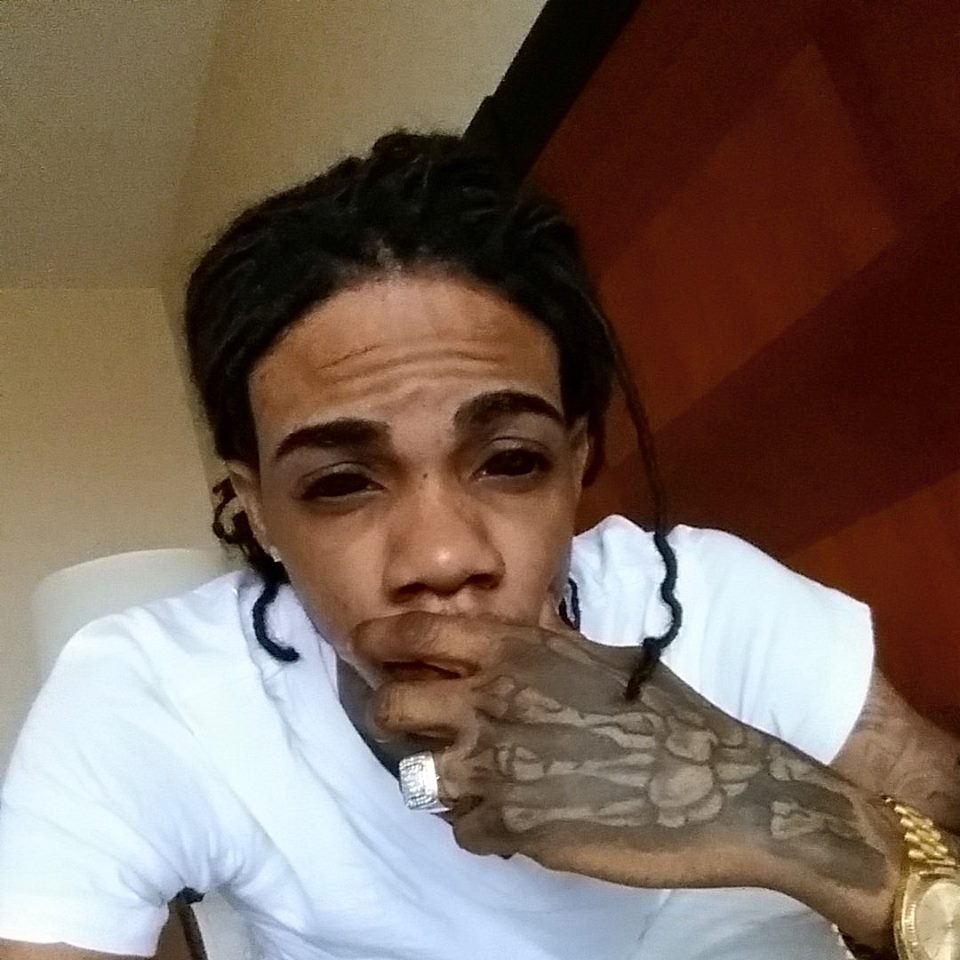
The eye look appeared alongside bleached skin, blond dreadlocks, dark clothing and a hard-to-read public persona. Together, they gave Alkaline’s early music a visual hook. In dancehall, presentation can be as memorable as the songs, and his look made “different” immediately visible.
That does not mean the tattoo was only a marketing move. Alkaline has described himself as someone willing to take risks and think differently. The Jamaica Observer had also written about his interest in tattoos before the eye controversy became his signature.
Why the 2016 number became part of the mystery
“2016” became a recurring theme in Alkaline’s public image. Fans tried to connect the number to his tattoos, music and persona, but coverage says he did not immediately explain what it meant. The unanswered question added to the mystique.
The number should be kept separate from the eye story. Its recurrence is documented; one definitive meaning is not. Some of the mystery was part of the performance.
The look raised genuine medical questions
Scleral tattooing involves the eye itself, not just the skin. Contemporary coverage raised concerns about serious risks, including infection, inflammation and damage to vision. Alkaline’s confidence in interviews did not remove those risks.
The tattoo can be described without glamorizing the procedure. It made for a striking image, but a performer’s choice is not evidence that the procedure is safe. The eye tattoos are part of dancehall history, not a recommendation to copy them.
Did the eye tattoos disappear?
Later photos complicated the story. Some appeared to show Alkaline without the same darkened effect; others raised the possibility of lenses or a changed look. BET UK coverage in 2025 also referred to his infamous appearance and the return of lenses after a long gap.
The most accurate description is that the visible effect changed over time and the public record offers different explanations. Alkaline once said the ink would dissolve, while experts questioned that claim. Lighting, lenses, fading or other changes may explain some of the images; without a definitive account, the current status remains uncertain.
The rest of his tattoo story is harder to map
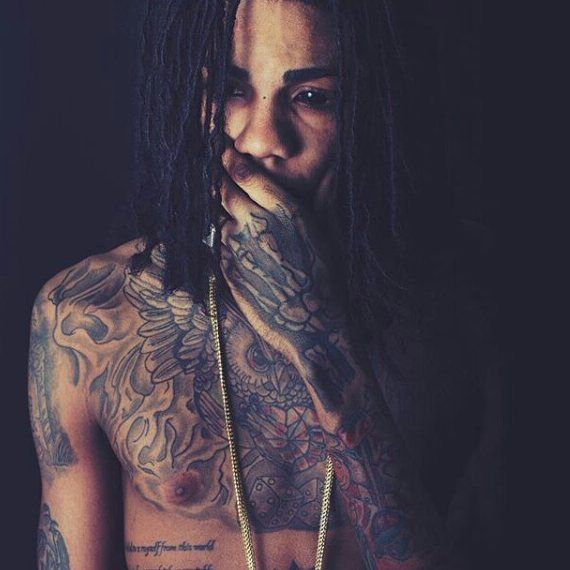
Most tattoo coverage focuses on Alkaline’s eyes. Photos show other work on his body, but the sources reviewed here do not provide a complete catalogue of his arms, chest or hands.
A careful account can identify the sclera controversy, the recurring “2016” theme and the tattoo-centered image around his early career. Small shapes in low-resolution photos are harder to identify, and should not be given names or meanings without support.
His image was built around refusing easy answers

Alkaline often let his image speak before he explained it. The darkened eyes fit that approach: they were easy to notice, but they did not tell viewers exactly what he meant.
The choice to be seen differently may itself be part of the meaning. The tattoos challenged expectations for a dancehall artist and raised questions about pain, performance and how far someone might go to shape a public image. The eyes became a question mark he carried into each appearance.
What is confirmed and what remains uncertain
The public record confirms that Alkaline was associated with darkened or tattooed sclera and discussed the pain in interviews. The look was widely covered and appeared alongside bleached skin and blond dreadlocks.
What remains unclear is whether every dark-eyed photo shows permanent sclera tattooing, whether the pigment faded or changed, and what “2016” meant. The sources do not provide a verified list of every other tattoo or a complete artist credit. Those gaps belong in the story.
The tattoo controversy outlasted the shock value
The eye ink endured in public conversation because it raised questions about safety, identity and performance. The look was difficult to categorize: a permanent modification, a temporary effect, a stunt or some combination. Years later, people still look for answers because it changed how they remembered Alkaline.
The tattoo did more than decorate his face. It became part of the discussion around his career and how far an artist can push an image. That is why it remains the central entry in any guide to his tattoos.
Alkaline’s eyes remain his most recognizable ink story
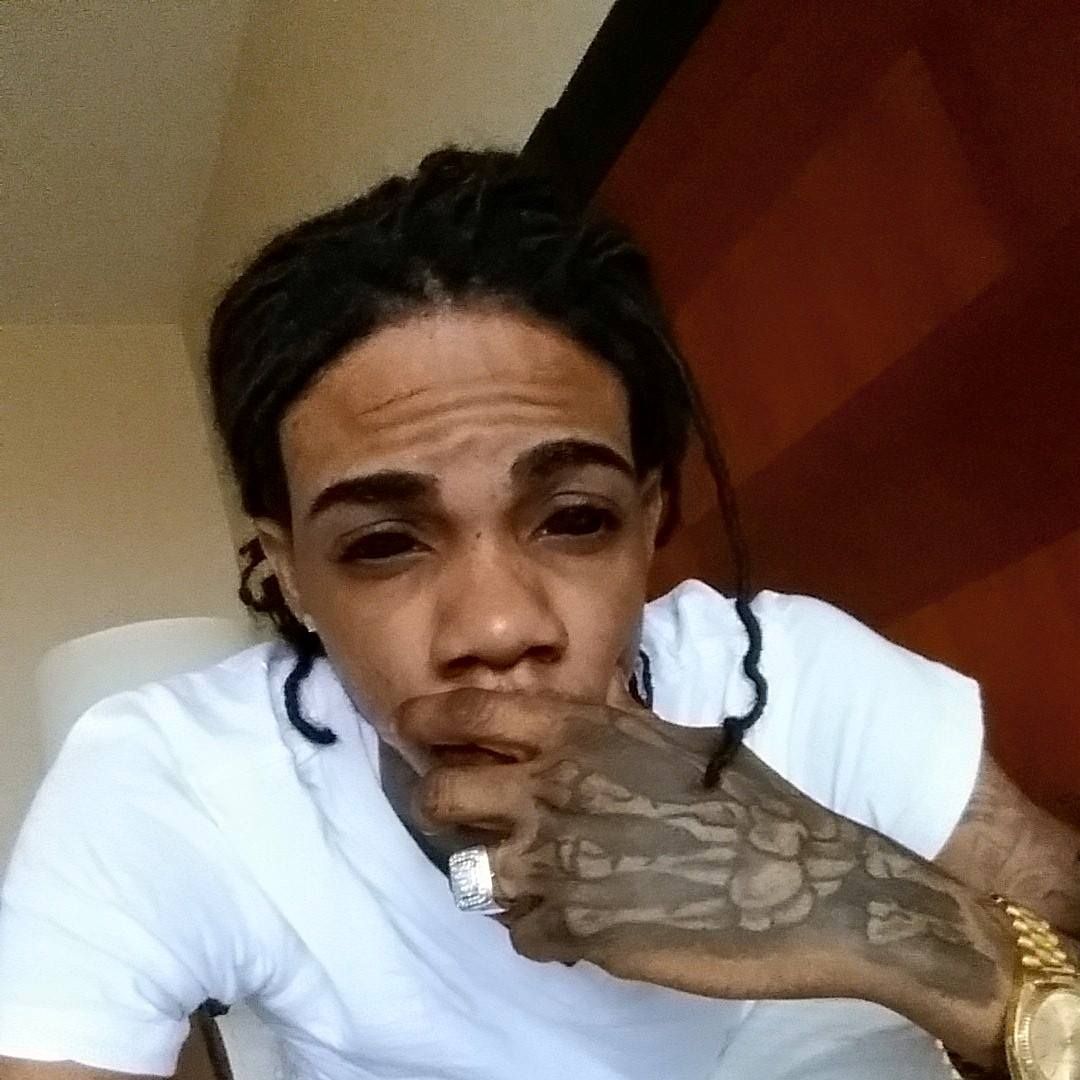
Alkaline’s tattoo history is hard to separate from the mystery he built around his persona. The eye look made him recognizable, while “2016” kept fans searching for clues. His own comments, medical concerns and later changes in appearance all belong in the same timeline.
Not every question has an answer. Alkaline used tattoos and visual modification to make uncertainty part of his art. The procedure was painful and controversial, and its current status is still unclear. That unresolved tension is why the look remains memorable.
Watch Alkaline discuss his tattooed eyes
There is a wider cultural context too. Jamaican dancehall has long rewarded artists with a memorable silhouette, and Alkaline’s visual language developed within that scene, alongside his own experiments and the pressure to stand out.
That context explains why the tattoos drew so much attention, but it does not make the procedure less risky. The eyes were personal, professional and controversial at once, and that combination kept the story in public view.