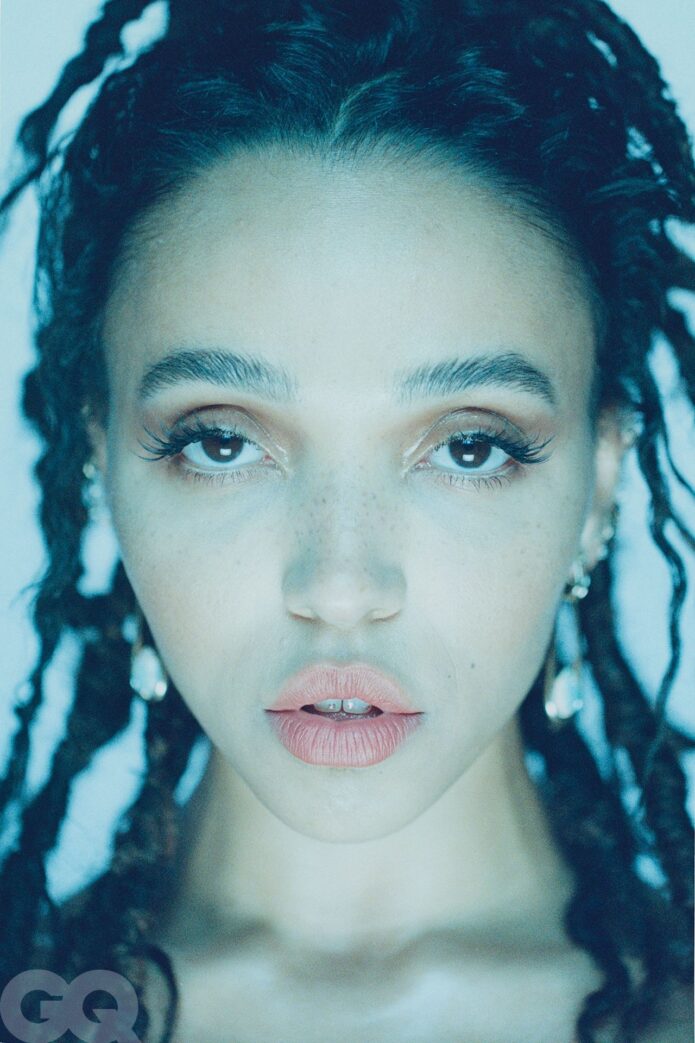
FKA twigs has long treated the body as part of the artwork, which makes her relationship with tattoos different from the usual celebrity ink story. Many designs shared widely in connection with her are temporary, made for a performance or red-carpet appearance rather than meant to last. Body art can carry meaning even when it isn’t permanent.
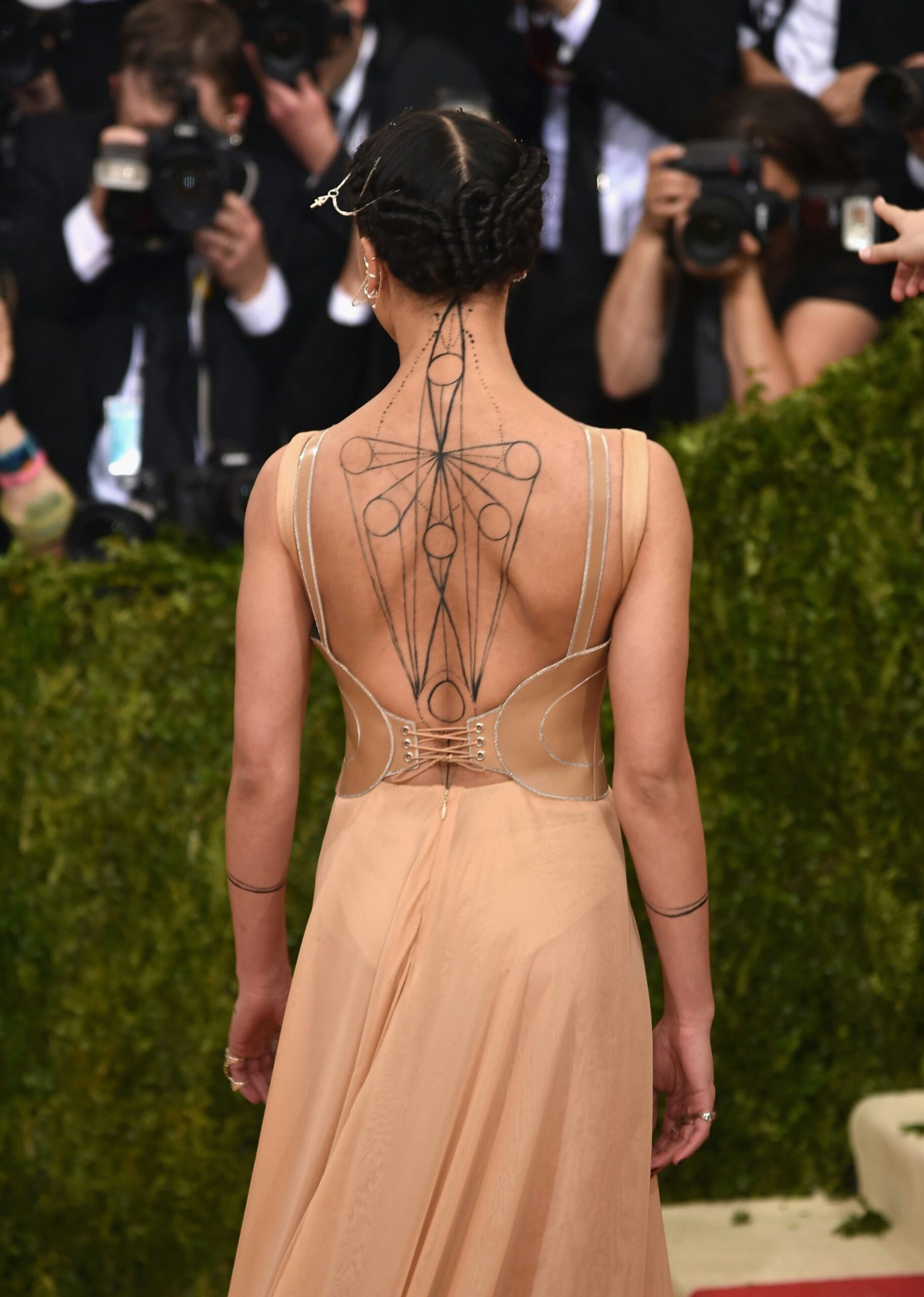
The clearest example is the dramatic design across her back around the 2016 Met Gala. Nylon reported that celebrity makeup artist Anastasia Durasova drew the pattern using TEMPTU. It was based on mental geometry and inspired by protection, ideas that fit the visual worlds twigs builds around movement, ritual and transformation. It looked like a tattoo, but it was temporary artwork made for the event.
That back design deserves to be considered on its own terms. Rather than a familiar symbol that can be named in a word, its lines formed a map across the skin. Geometry gave it structure; protection gave it an emotional direction. It was less a keepsake from the past than a temporary boundary around the performer in that moment.
Her interest in mental geometry also echoes the rest of her creative work. Videos, stage shows and fashion appearances often make the body seem to move through a diagram. Lines might suggest energy, architecture, control or escape. The temporary back design carried those ideas without turning into a permanent biography.
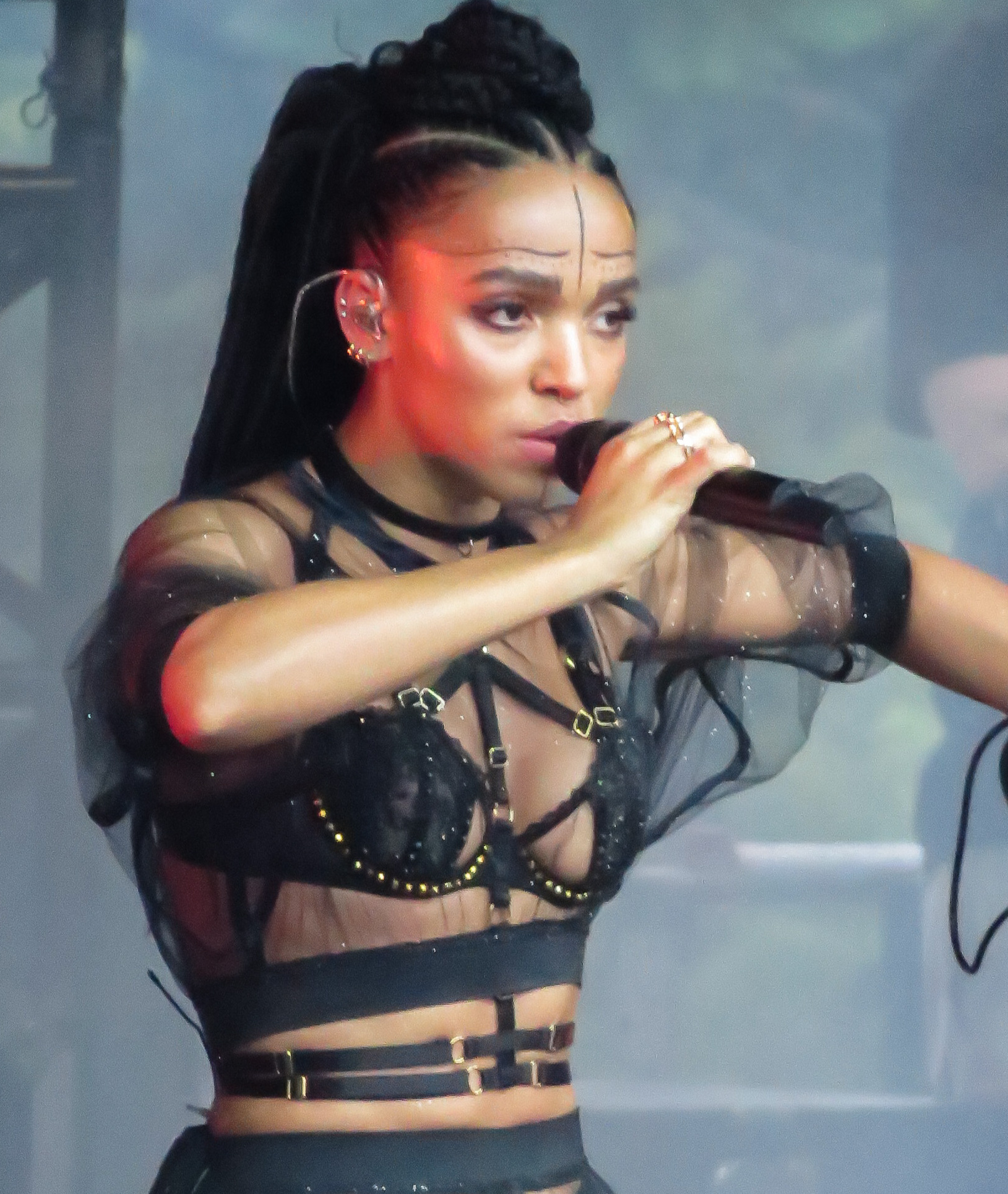
Photos of twigs performing show how well the design worked. A black pattern across the back can disappear beneath clothing, then fill the frame when she turns her shoulders toward the camera. It’s theatrical, but not empty decoration. The artwork changes how the body reads. Stillness feels deliberate; movement feels choreographed.
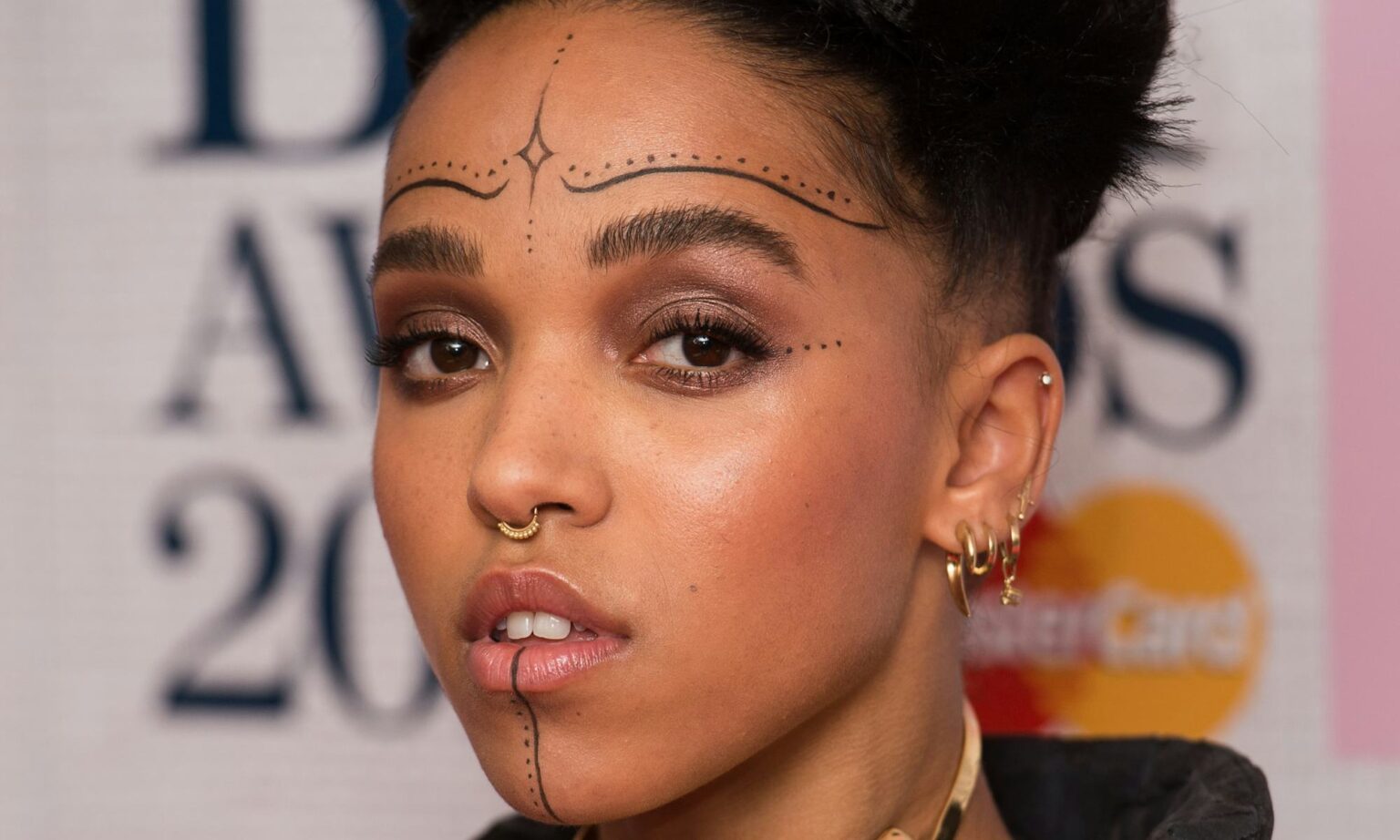
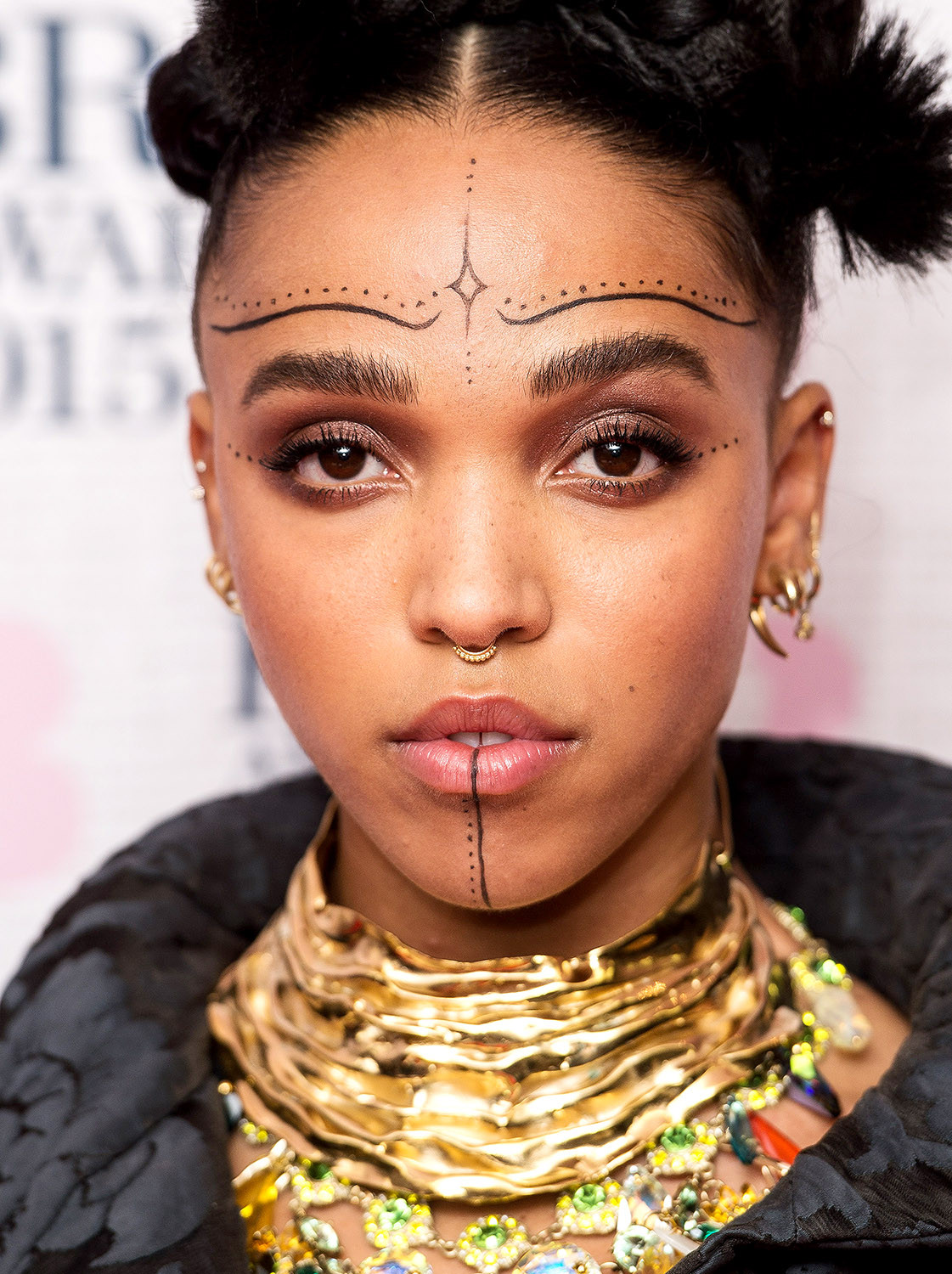
Searches also bring up later fashion appearances with temporary face tattoos and other special-effects designs. These shouldn’t be counted as permanent ink. Vogue coverage described intricate face work applied by FX artist Mathilda Mace, while other reports identified fake face and thigh tattoos made for a particular look. They belong in a timeline of body art, not a list of designs she definitely still carries.
That distinction matters especially with twigs because her visual effects can look remarkably real. Makeup, prosthetics, transfers and ink may be hard to tell apart in a still image. A useful account should stick to what its source establishes. If a design was made for a shoot, performance or fashion-week appearance, that context is part of the story.
There are fewer widely documented permanent tattoos to list than an image search might suggest. That’s not a hole in the story; it tells us something about her approach. Twigs can use her body as a canvas without turning every design into a permanent record. A temporary piece can be redrawn, changed or removed when the performance is over. Its short life can be part of its meaning.
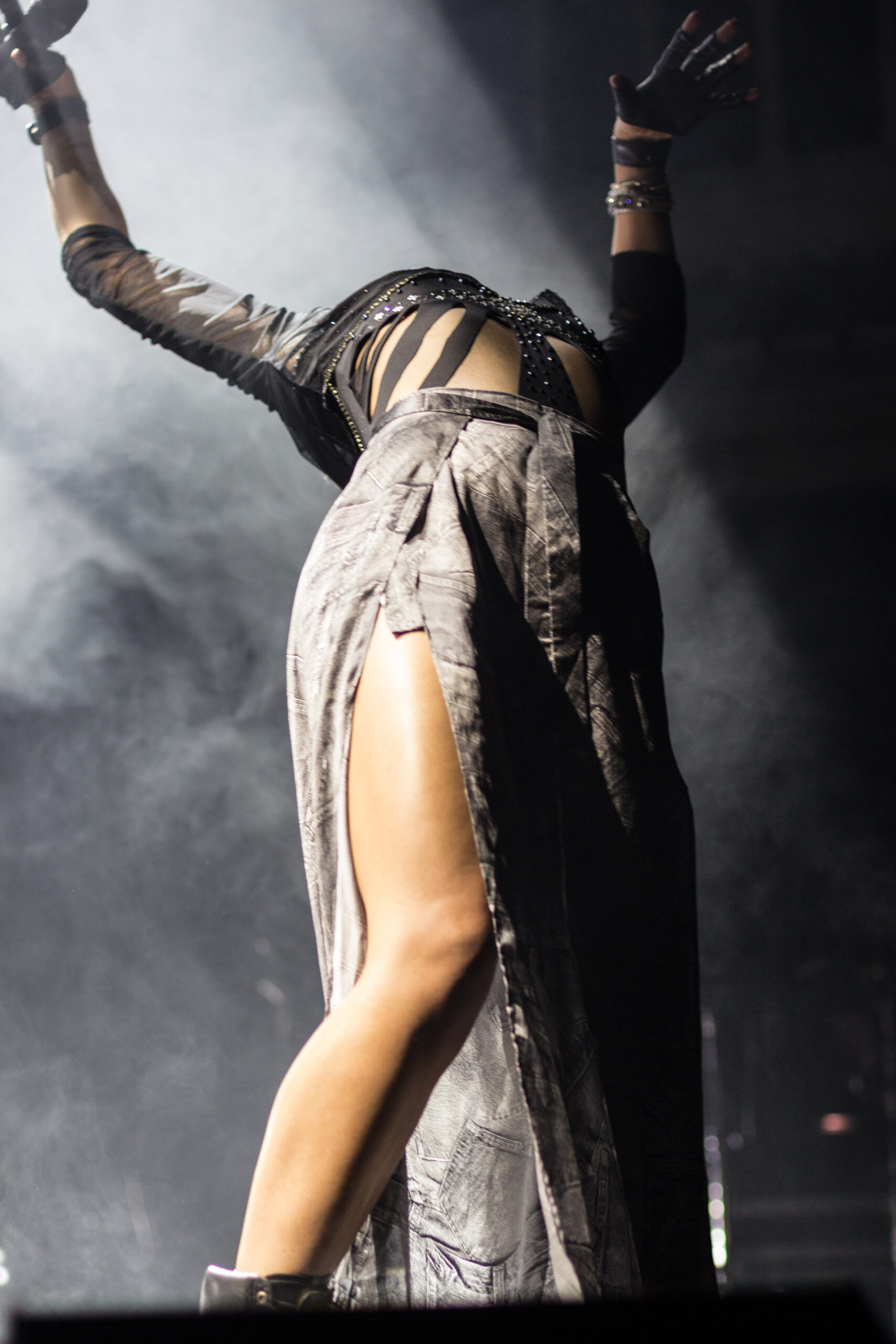
Her work also pushes against the idea that tattoo coverage has to be a catalogue of named symbols. Sometimes the more revealing details are the process: geometric lines, a protective motif, a collaboration with a makeup artist or a design made for a single night. That says more about the image than a vague caption calling it a tattoo.
The photos here come from different appearances, so they help show how her body-art language shifts. A concert shot catches her in motion, a portrait brings the face and neck forward, and an editorial image may show the styling from behind. None proves that every mark in view is permanent.
That’s why her body art feels closer to costume, choreography and set design than to a traditional sleeve. The designs still touch on protection, identity and transformation, but they’re allowed to disappear. Vanishing isn’t a lack of commitment; it’s part of the idea.
This approach also means she doesn’t have to explain every image forever. Permanent ink becomes part of a biography strangers can revisit. Temporary art can belong to one night and then give way to something else. That leaves twigs room to experiment with different symbols, textures and scale. Her body stays central, but it can still surprise.
People often want a yes-or-no answer to whether she has tattoos. The honest answer depends on what they mean by “tattoo.” She has worn designs made to look like tattoos and used body markings in performance and fashion. The public evidence doesn’t support inventing an extensive catalogue of permanent ink. Being precise makes the story more interesting.
The Met Gala design is the clearest case. We know the artist, the method and the stated inspiration—details that are rare enough to matter. Rather than guessing at hidden symbols, we can look at the geometry across her back, the idea of protection and the way it changed how photographs framed her body.
The temporary face designs work in a similar way. A pattern around the eyes or forehead can immediately shift the mood of an image, making a familiar face look ceremonial, unfamiliar or newly constructed. Once the design is removed, the performance is over, but photographs remain as a record of that choice.
There’s a difference between body art that records something from a life and body art that creates a world for an audience. A permanent tattoo often points back to a person, loss, friendship or decision. Twigs’ best-known temporary designs point outward: they create a space around her and give a performance a new set of rules. The idea of protection feels almost architectural—a structure that can be entered, used and then taken down.
Temporary doesn’t mean emotionally slight. A stage set can matter even though it comes down after the show; a costume can mean something even when it goes back in a wardrobe. The geometric design belonged to a moment meant to be photographed, remembered and left behind. Its brief life is part of the artwork’s honesty.
Her public record also shows why tattoo articles need clear language. “Permanent tattoo,” “temporary tattoo,” “makeup transfer” and “special-effects design” describe different processes and relationships to the body. Using the right terms lets us appreciate the work without claiming access to personal history she hasn’t shared.
Seen this way, her documented body art has a consistent feel. The patterns are often bold, the ideas geometric or protective, and the finished image changes how the body moves through a room. This isn’t about collecting symbols; it’s about making the body communicate at a particular speed, under a particular light, for a particular project.
Her body can hold several identities without getting trapped in one. Geometry can make her seem protected, a face design can make her look transformed, and a clean photo can reveal that the image was never meant to last. That movement between permanence and disappearance is one of the most revealing parts of the record. Twigs values the mark and the freedom to make a new one later.
That freedom runs through the work: the body can be a canvas, a costume, a boundary and a place to experiment.
It’s as much an artistic choice as a tattoo choice, and that difference keeps the story honest.
That distinction is worth remembering.
A careful inventory of FKA twigs’ documented body art
The clearest record includes the geometric back design created with Anastasia Durasova and TEMPTU around the 2016 Met Gala; temporary face and thigh designs reported at later fashion appearances; and markings for performances that sources identify as makeup or special effects, not permanent tattoos. A responsible list shouldn’t treat every striking photo as proof of permanent ink. The record is stronger when temporary work is named accurately.
Why temporary tattoos fit her visual world
Twigs’ creative work is built around change. Dance, styling, sound and image can shift from one appearance to the next. Temporary ink lets her place a new idea on her body without closing off the next one. The protective geometry can exist for one event and disappear, while its idea remains in memory. The design is temporary, but the visual language carries on.
Watch the tattoo interview and body-art story
The video below is a useful interview companion for understanding how twigs talks about the visual world around her work.