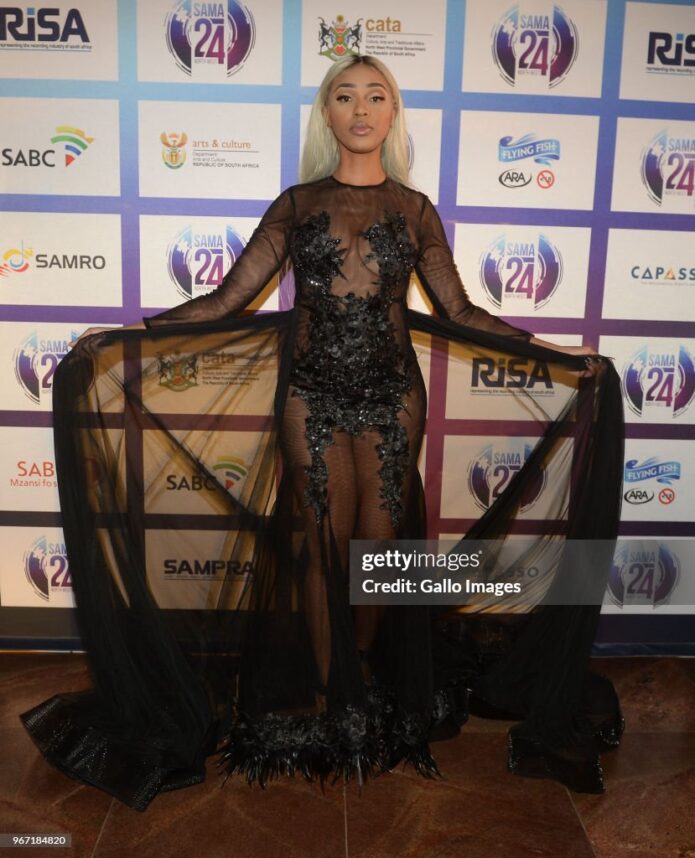
Nadia Nakai’s tattoos have never felt like random decoration. Her ink tends to sit in the middle of her style: bold enough to show when she’s performing or posing, but personal enough that the meaning matters as much as the artwork. The clearest example is the matching lioness tattoo she got with AKA in 2022. Her half of the design sits on her right arm, while AKA wore the matching lion on his left. Put their arms together and the two halves were meant to read as one image.
There is a newer piece in the conversation too. In August 2026, Nakai showed fans a fresh tattoo in a TikTok video and answered questions about numbing cream in the comments. The post gave people a look at her latest session, but it didn’t spell out every design detail. That distinction matters. Her older matching tattoo has a documented description and several public images. The newer tattoo is real, but the available reporting doesn’t give us enough information to invent a name, symbol, or exact placement.
The clearest way to read Nadia Nakai’s tattoos is to separate what the photos clearly show from what fans may be guessing. The lioness tattoo is the main documented piece. The rest of her visible body art is easier to discuss as a collection of markings and style references unless Nakai herself explains the design.
The lioness design on Nadia Nakai’s right arm
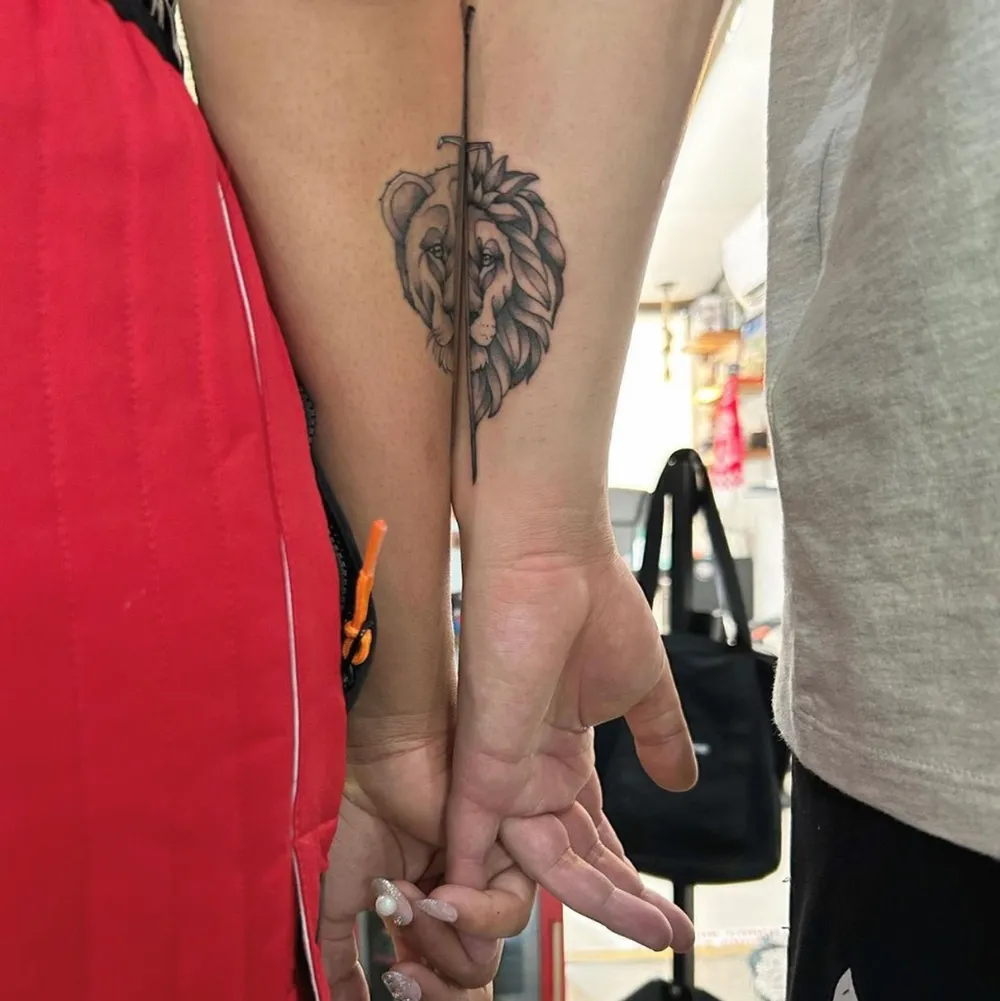
The tattoo that gets the most attention is the half-face lioness on Nakai’s right arm. It was done at Royal Ink in Johannesburg, with tattoo artist Brad credited in the couple’s posts. AKA had the other half: a male lion on his left arm. When they placed their forearms beside each other, the faces met and formed a complete lion image.
The design wasn’t just two similar animal tattoos. The placement did the real work. Each person wore one side of the face, so the image only became whole when they stood close together. That makes it a classic matching tattoo idea with a clever visual trick built into it. You can wear your half on its own, but the full meaning appears when the two arms line up.
Reports also described a sword between the lion and lioness imagery, with AKA comparing the concept to Excalibur and the lion king and queen. The exact lines aren’t equally visible in every photograph, so it’s better to keep the description broad than pretend a blurry social-media frame shows every detail. The consistent points are Nakai’s lioness half, the right-arm placement, the matching lion on AKA’s left arm, and the way the two pieces were designed to connect.
The matching halves in the photographs
The visual strength of the piece comes from its shared composition. The tattoos are not identical stamps: one person has a lion and the other a lioness, while the scale, placement, and visual direction keep the artwork balanced. The relationship between the two halves is what gives the matching set its identity.
Why the lion and lioness idea works
Animal tattoos already carry plenty of familiar symbolism, so the personal part of Nakai’s piece comes from the pairing. A lioness can suggest strength, protection, independence, or family. A lion can land in a similar place. But the two halves facing each other make the design feel less like a generic “power animal” tattoo and more like a deliberate pair.
The pairing gives the lioness tattoo a strong individual identity while preserving the larger image created with AKA’s lion. The two designs were reported as a relationship between images rather than a single repeated symbol, so the individual halves and their combined composition both matter.
Nakai and AKA also chose a placement that made the connection easy to see in photos. Forearm tattoos can be turned toward the camera, compared side by side, or hidden under a sleeve when the wearer wants more privacy. The skin gives the artwork enough room for a portrait-style animal face without forcing the artist into a tiny, cramped version.
Everyday photo context
Her style in everyday photos

Public photos of Nakai in everyday and fashion settings show how her body art sits alongside her clothes, jewelry, and posing style. Those photographs are useful context, but they aren’t a replacement for the close-up that documents the matching lioness design.
They still have limits. The image may be compressed, the arm may be angled away, or clothing may cover part of the design. A tattoo photo can prove that ink is present without proving every tiny line, shade, or symbol. That is why the close-up evidence remains more useful for describing the lioness than a distant fashion photograph.
The matching tattoo reads as a design system rather than a single picture. Nakai’s lioness half makes sense on her right arm by itself, while its direction and height connect it visually with the lion on AKA’s other arm. The connection is visible in the composition, not only in the story reported around it.
Styling context
Bold, high-contrast styling
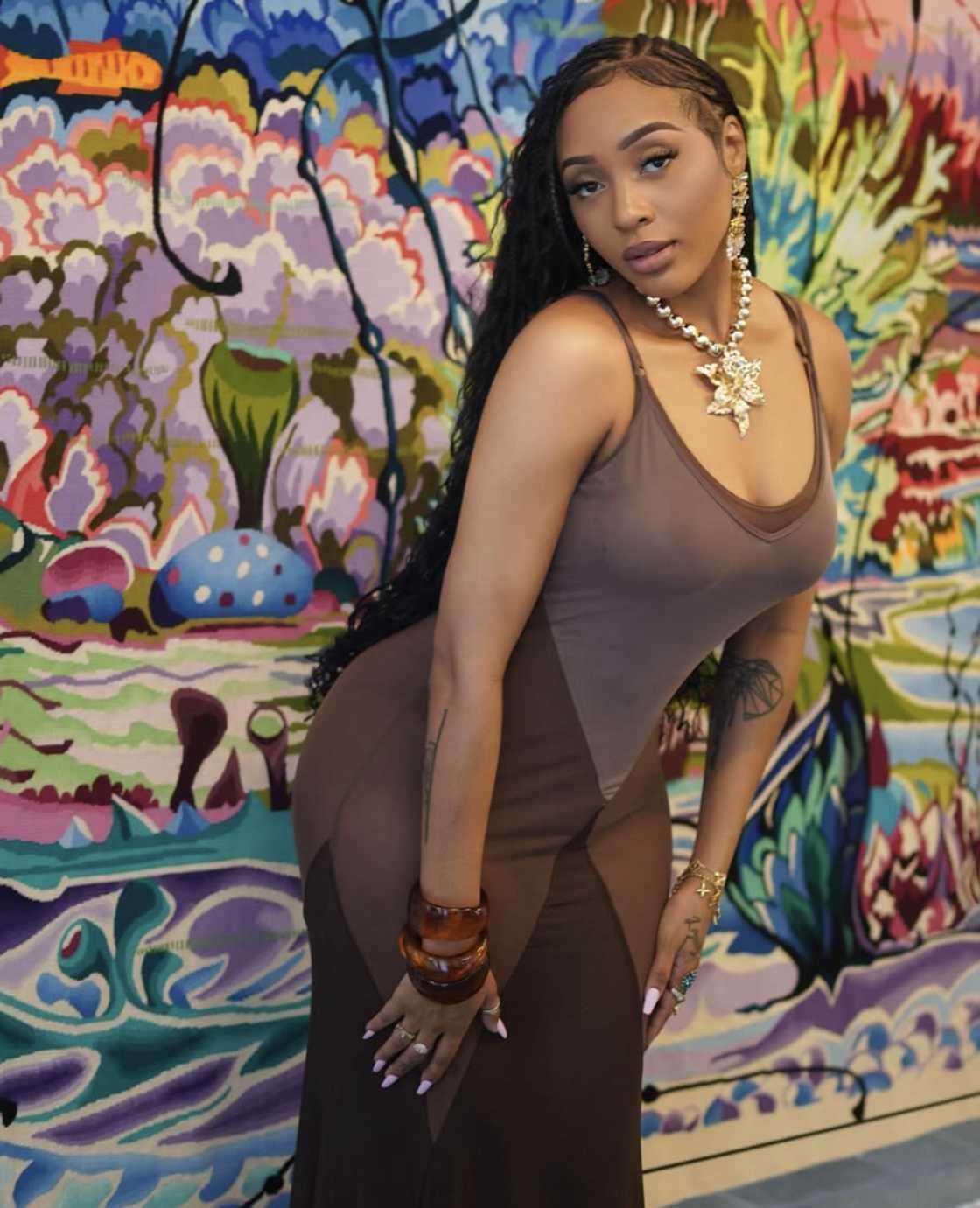
Outside the documented lioness piece, Nakai is often photographed with other markings visible along her arms and legs. Those images show that she likes body art that can hold its own beside strong makeup, jewelry, stage clothing, and bright styling. The tattoos don’t need to be the only thing happening in a photo. They work as part of a bigger look.
The arm is a good canvas for that kind of collection. It can carry a single focal tattoo, several smaller marks, or a mix of linework and darker shaded pieces. It also moves naturally when a person gestures, performs, or poses. On Nakai, that movement keeps the ink from looking flat. A forearm tattoo can read one way when the arm is straight and another when the wrist turns.
Still, a contextual photo shouldn’t be treated as proof of a specific design. A marking that looks like a flower in one frame might be part of a larger piece, a bracelet might cover the lower edge, and a shadow can change the shape completely. The safest descriptions stay with what the image actually supports: Nadia is visible, body art is visible, and the photo gives a sense of placement and scale. It doesn’t automatically reveal the tattoo’s name or meaning.
Context for the 2026 post
The 2026 update
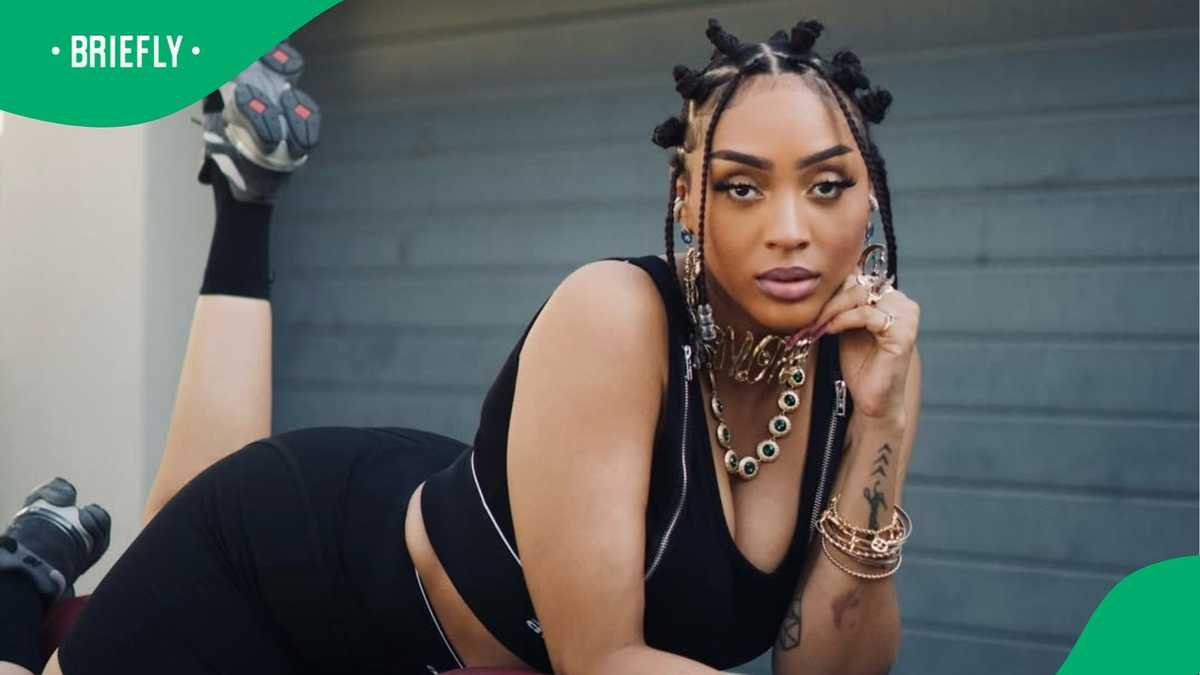
In August 2026, Nakai posted a short video showing off a latest tattoo. The clip drew attention because it was casual and direct: she was showing fans the new work rather than appearing in a polished editorial shoot. A fan asked about numbing cream and Nakai replied that it had made a difference for her, recommending that it be applied well before a session.
That exchange is more useful than a lot of speculative tattoo captions. It tells us something about her experience of getting tattooed, but it doesn’t provide a confirmed explanation for the new design. The report doesn’t identify a symbol, quote Nakai giving the tattoo a meaning, or establish an exact placement that can be described confidently. So the honest takeaway is simple: she has a newly shown tattoo, and the public post focuses more on the session and her advice than on a formal design breakdown.
The numbing-cream detail belongs to the history of Nakai’s 2026 post, but it does not explain the design. Her personal comment documents part of the session experience; it should not be expanded into a general tattoo procedure or a claim about the artwork’s meaning.
Placement in motion
How the designs move with the body
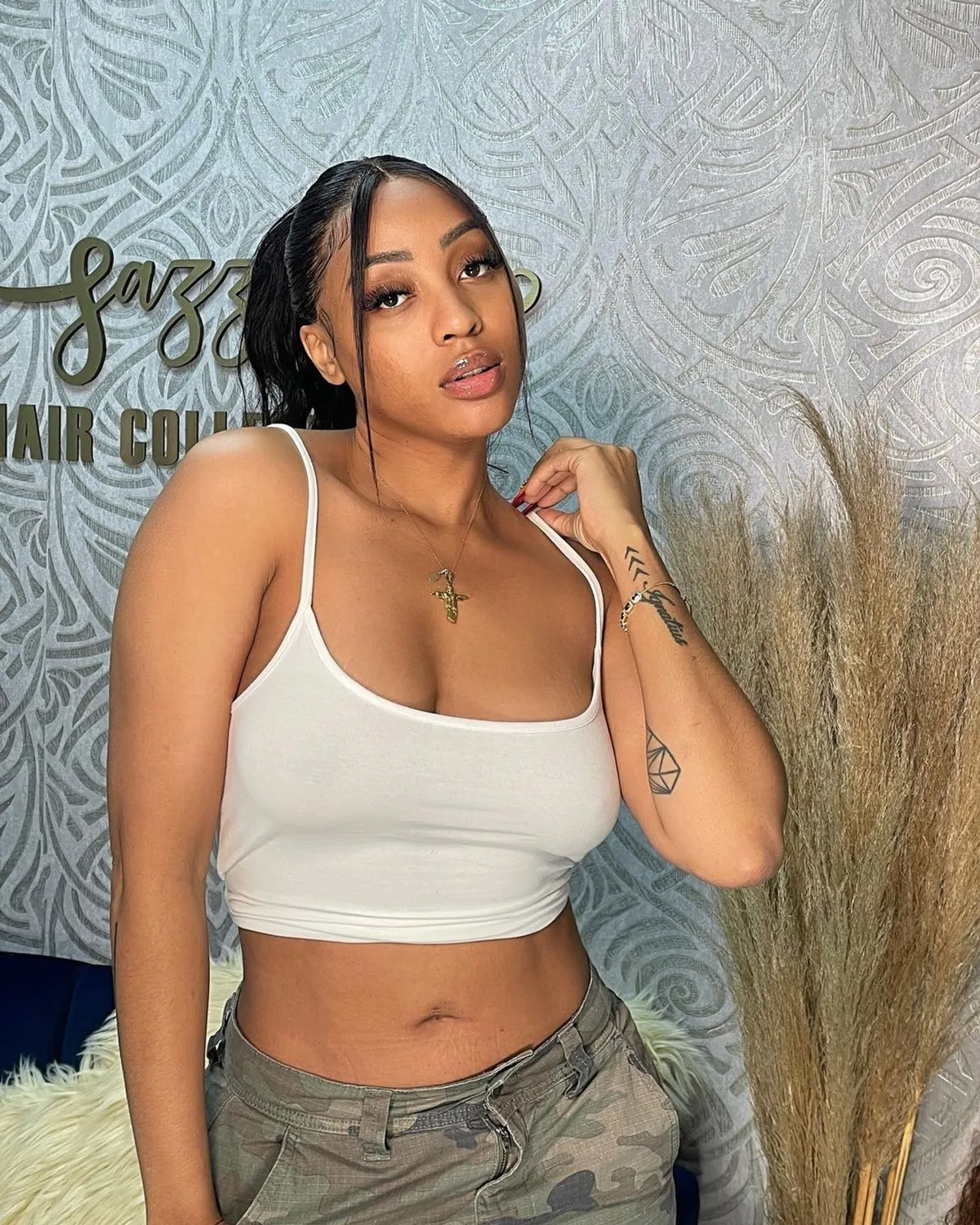
Photos of Nakai in a car, at a salon, or in a fashion setting show how visible body art sits while her arm is bent, her hand is lifted, or her body is turned away from the camera. That is a different kind of evidence from a tattoo close-up, but it adds context about how her ink appears in motion.
The body changes the way a tattoo is seen. A flat arm, a bent elbow, a turned wrist, and a lifted hand present different angles. In Nakai’s photographs, the changing position affects how much of the visible ink can be identified, which is why the close-up lioness photograph carries more descriptive weight than a distant pose.
Nakai’s public styling also shows how scale changes the visual balance of body art. A compact mark can disappear under a sleeve or become an accent beside rings and bracelets. The matching lioness has enough space to read as a face without becoming a full sleeve, keeping the animal image visible alongside her clothes and accessories.
What the split composition establishes
The split composition
The split composition gives each person a distinct image while allowing the two arms to form a larger picture. Nakai’s lioness and AKA’s lion remain recognizable separately, while the combined reveal adds a second reading to the pair.
The placement has a clear relationship: Nakai’s right arm and AKA’s left arm were reported as the positions that allowed the tattoos to meet naturally. In photographs, the shoulders, wrists, and elbows determine how the two halves align, making the body position part of the image’s meaning.
Nakai’s ink appears alongside stage looks and casual outfits rather than being locked to one aesthetic. The photographs place the lioness within a changing wardrobe and public life, so the tattoo reads as part of her ongoing visual identity rather than as a detail tied to one outfit.
Finally, don’t force a meaning that the wearer hasn’t given. The lioness tattoo has a clear public explanation because the matching design was reported and discussed by the couple. The newer tattoo has less detail available. That doesn’t make it less interesting. It just means the responsible description stops at the evidence instead of turning a glimpse into a made-up story.
Publicly documented moments
Nakai’s tattoo history is clearest when the image, the placement, and the reporting point to the same design. The matching lioness meets that standard through the couple’s photographs and the accounts of the Royal Ink session. The newer 2026 post establishes that fresh ink was shown, while leaving the symbol and exact placement undocumented.
The best-known design is about connection
Nadia Nakai’s documented matching lioness tattoo stands out because the artwork was built around connection. Her right-arm lioness was designed to meet AKA’s left-arm lion, with the two pieces forming a larger image when their arms came together. That’s a more thoughtful approach than simply getting identical tattoos in different places.
Her newer tattoo adds another chapter, even though the public details are still limited. What we can say is that Nakai showed the fresh ink, answered a practical question about numbing cream, and kept the tone relaxed. The available photos of her other body art add visual context, but they shouldn’t be used to claim meanings that haven’t been confirmed.
Nadia Nakai’s documented tattoo story is defined by the balance between bold artwork and personal intent. The lioness is a clear focal image, the right-arm placement is part of the composition, and the meaning comes from the two people whose tattoos were designed to meet. The idea is visible in the way the arms were meant to align.