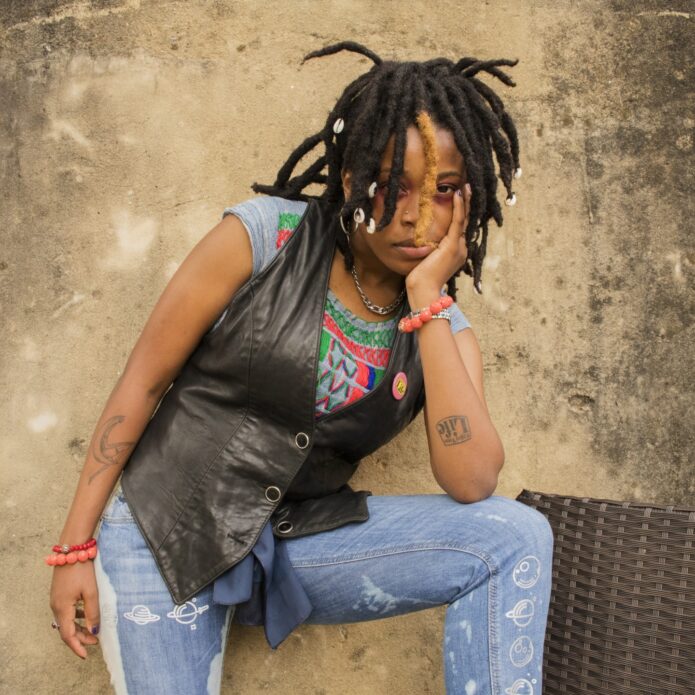
Lady Donli’s clearest documented tattoo is a black linework design on the back of her left hand. A 2025 Guardian profile points it out during a video conversation; other published photos show more ink on her arms, though they don’t explain every mark. That distinction matters: the images give us plenty to describe, but not a confirmed meaning for each tattoo.
The Nigerian singer and songwriter’s public style, like her music, brings together different influences. She has spoken about Northern Nigerian sounds alongside jazz, rock, Afrobeat and alternative R&B. Her tattoos sit within that wider visual mix, beside jewellery, clothing and the movement of performance.
Lady Donli’s hand tattoo is the clearest starting point
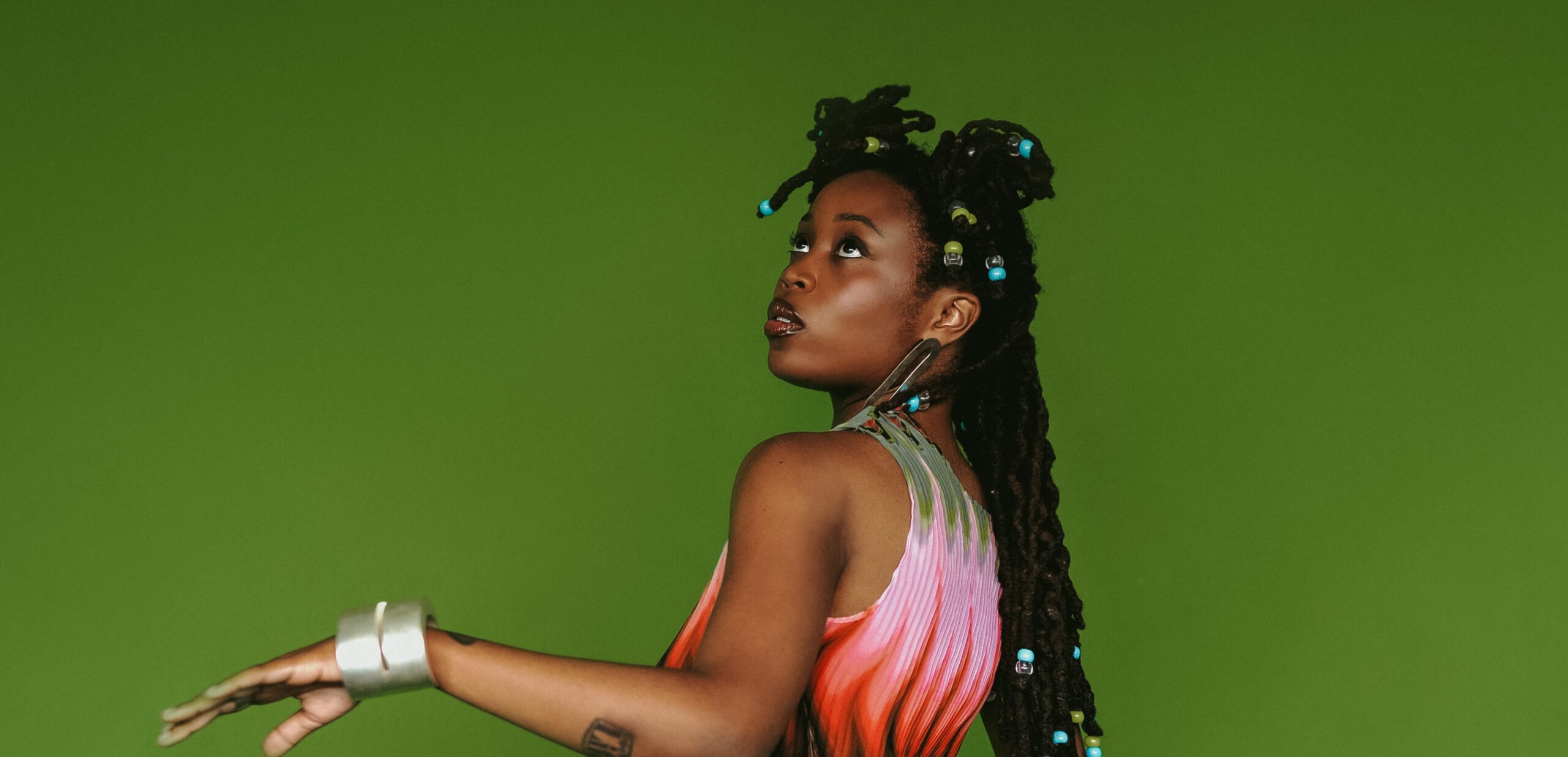
The Guardian’s 2025 profile identifies a tattoo on the back of Lady Donli’s left hand and describes its look as tribal linework. That gives us a clear starting point: a black graphic design in a prominent place. The article doesn’t give a personal explanation for it.
The word “tribal” is a visual description in the profile, not proof of a specific tradition or cultural lineage. It’s safer to describe the tattoo as compact black linework with a tribal-inspired look than to assign it a heritage or meaning she hasn’t shared.
A hand tattoo is hard to hide and always in view. It sits beside rings and bracelets, and it appears in the gestures people make while talking or performing. If you like the placement, consider that everyday visibility before settling on a design.
The linework and symbols in close view
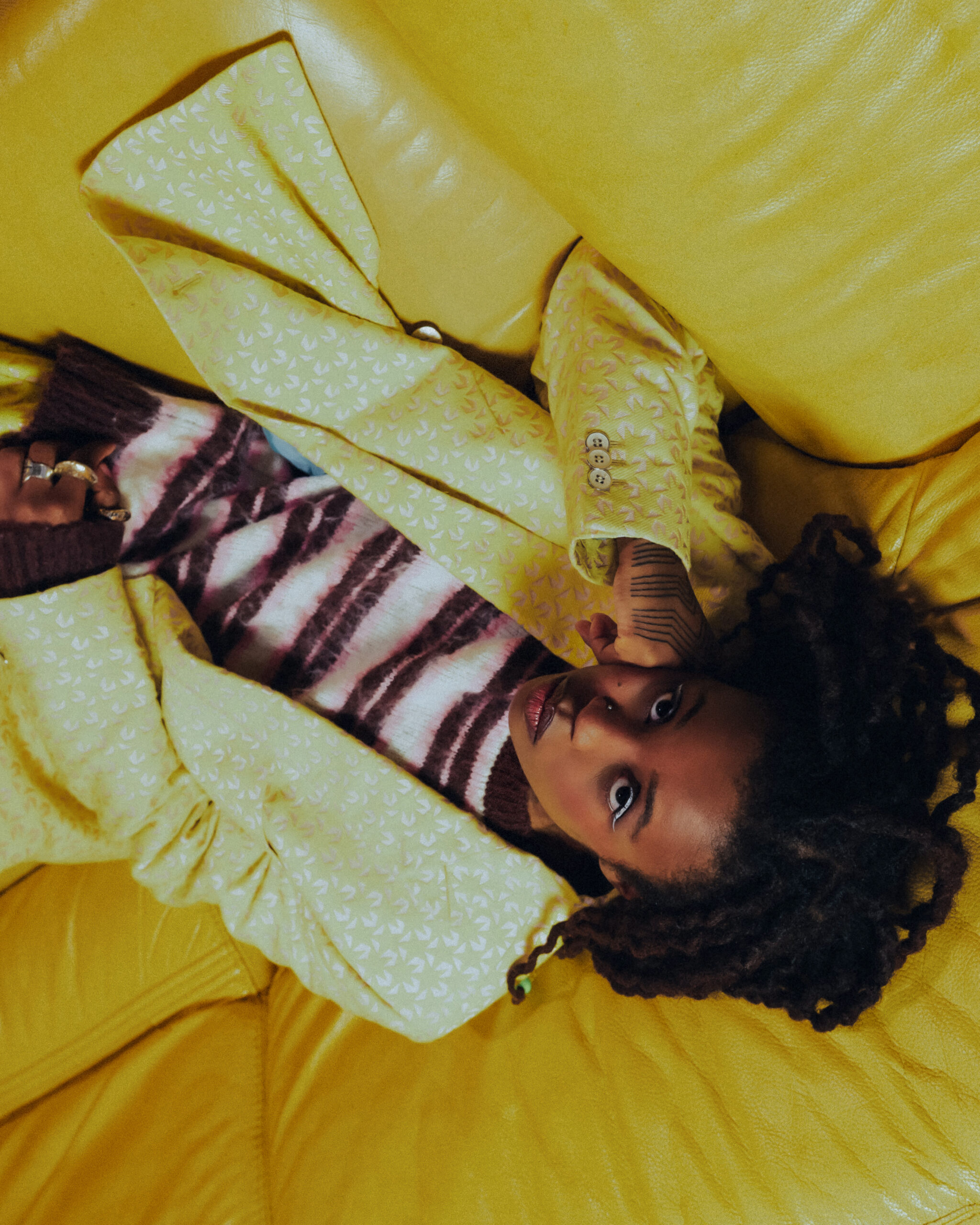
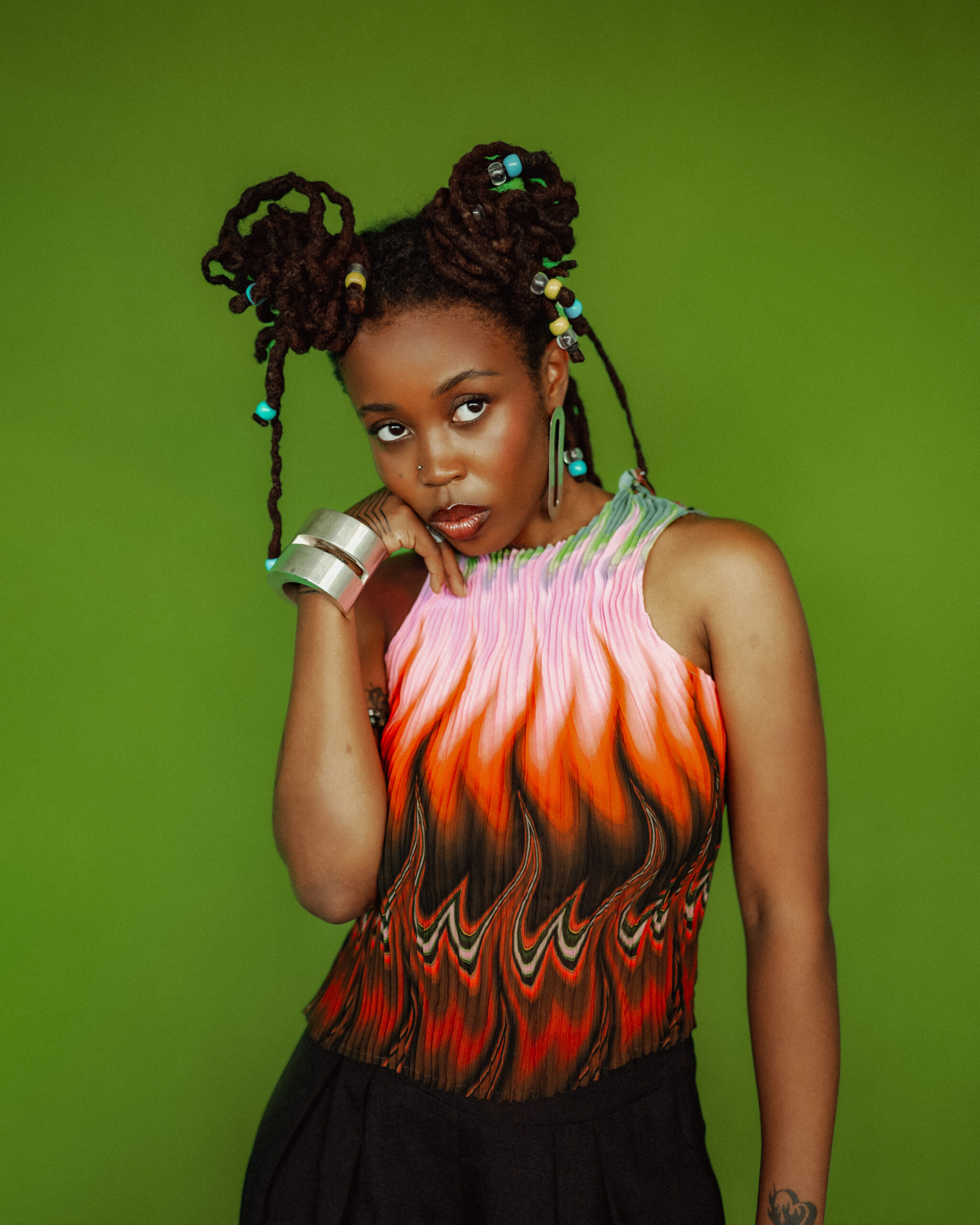
Close portraits show additional linework between the wrist and forearm, including short bands and compact graphic shapes. The angle and lighting make some details hard to distinguish, so it’s more accurate to describe the overall look than to give every mark a name.
The black ink holds its shape against the rings, metal cuffs and bright beads in the photos. The jewellery catches the light and moves; the tattoos stay fixed. Hair beads, shells, coloured fabric and painted nails add to the setting without making the ink look like an accessory on its own. The surrounding style changes how the lines read, just as stage lighting can change a plain studio portrait.
What her arm tattoos actually show
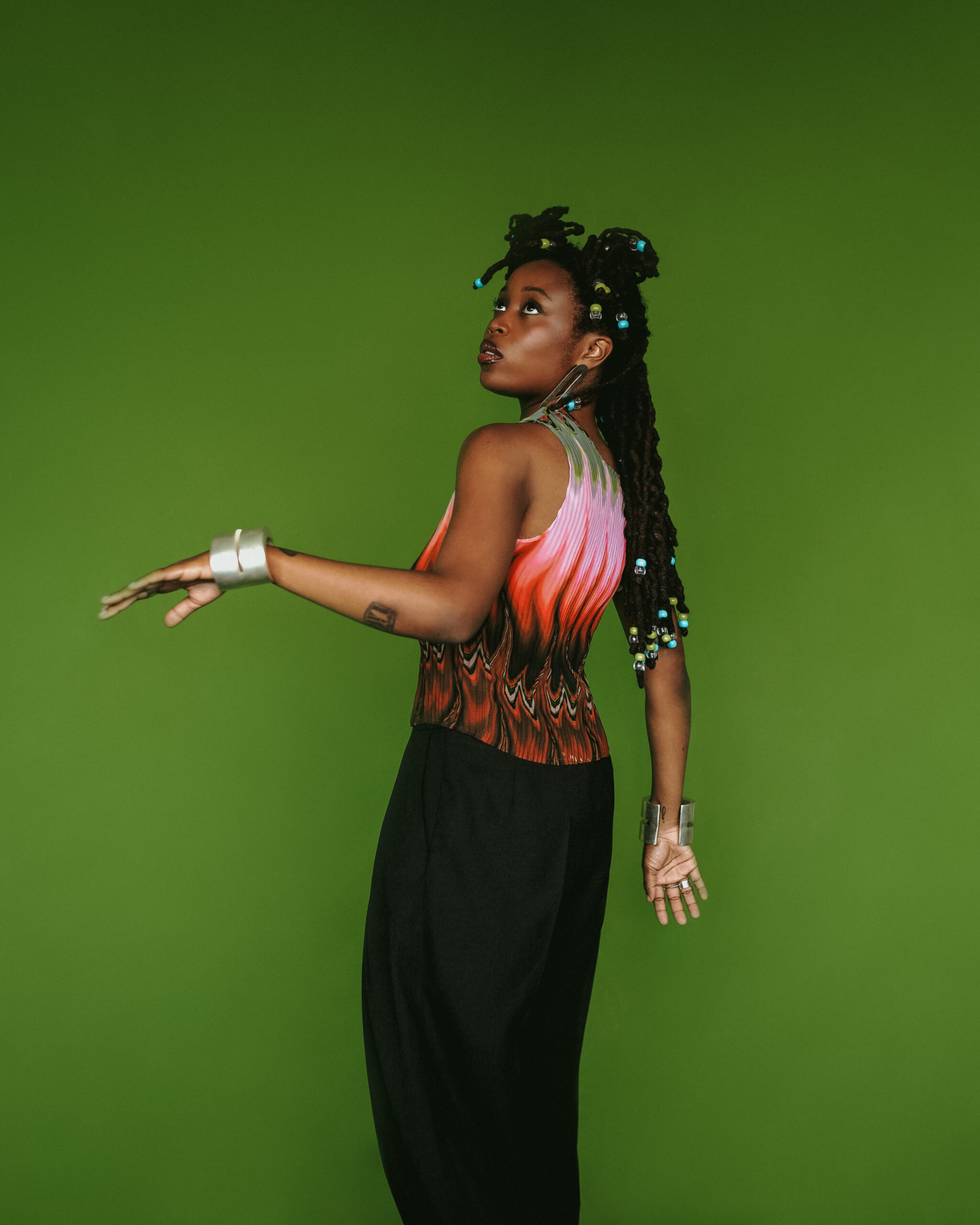
The wider Guardian portraits show open skin, smaller marks and larger sections of linework sharing her arms. They don’t look like one uninterrupted sleeve. Some designs are clear; others could be misread once the photo is compressed or the arm turns away from the camera.
What the images support is a collection of black linework, repeated bands and graphic shapes across the hands and arms. They don’t tell us what each symbol means or who a portrait might represent. A straight-on portrait, a seated photo and a performance shot can also show different sides of the same placement, rather than new tattoos.
Performance photos make her tattoo placement easier to read
In performance photos, Donli holds a microphone, points and reaches toward the crowd. Those gestures show how the arm and hand pieces sit in motion, often beside bracelets, sleeves and stage lighting. A design on the back of the hand may face the camera only briefly, then become the most visible detail in the frame.
One published image pairs the tattoos with a patterned outfit, black leather and green and blue lights. The linework remains visible against a busy background. That’s a useful view of placement; it still doesn’t reveal private meaning. A photo can show where a tattoo sits without explaining why it was chosen.
The hand and arm tattoos in performance
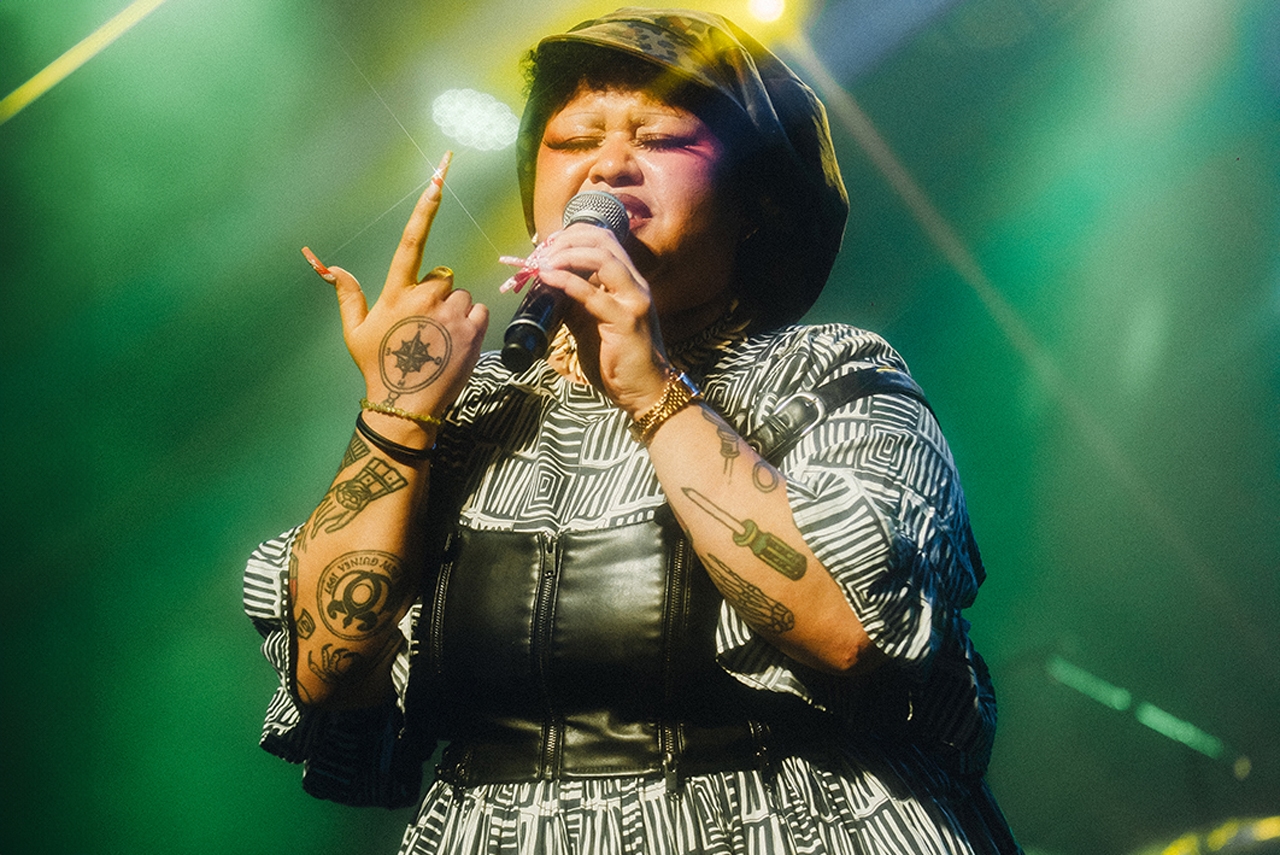
The live photograph shows the hand and arm tattoos in the middle of a set, not posed for close inspection. They add dark, graphic shapes to a look that can shift from one outfit or colour palette to another. Hair, clothes and accessories change; the ink stays part of her public image.
That consistency doesn’t make the tattoos a logo. Their appeal comes from how they belong to Donli’s gestures, music and styling. Copying the exact lines would miss the personal part; the useful cue is choosing a clear shape and a placement that feels like yours.
Lady Donli’s Nigerian and Pan-African identity
In the Guardian interview, Donli talks about Northern Nigerian influences, her father’s Kaduna roots, her childhood in Abuja, and her interest in Hausa and Sahel-inspired sounds. She also describes drawing on jazz, psychedelic rock, African music and other influences. That context helps explain the broader visual world around her.
It doesn’t establish that the hand tattoo represents a particular tradition. The profile identifies the linework and shows where it sits, but doesn’t attach a detailed meaning to it. Her cultural identity can be discussed through what she says in the interview; the tattoo itself should be described from the evidence in the photographs.
That distinction leaves room to appreciate her mix of influences without treating a visual resemblance as proof of heritage. For tattoo inspiration, take a style or shape you genuinely like and connect it to your own experience.
Why one confirmed piece can still tell us plenty
The clearest tattoo detail here is the hand linework identified in the Guardian profile. The photos show other ink on her arms. That’s enough to discuss placement, contrast, linework and how tattoos sit alongside performance styling, without turning indistinct shapes into a catalogue of named designs.
A celebrity’s tattoo doesn’t need a public explanation to be interesting. You can notice how a graphic design works on a moving hand or beside jewellery while leaving its personal meaning alone. The absence of a reported story isn’t an invitation to fill in the blank.
How her style can inspire your own ideas
Start with what catches your eye: the compact hand placement, the black linework or the way the tattoos sit beside jewellery and expressive clothing. Use those qualities to brief your artist rather than asking them to copy Donli’s exact design.
Think about how visible the placement will be. Hand ink shows up in everyday gestures and is harder to cover than a forearm tattoo. Look at a proposed design at its real size and with your wrist bent; details that look clear on a screen can crowd together on skin.
For graphic linework, ask to see healed examples, not only fresh studio photos. Talk about how much space the design needs and how sun or friction may affect it. A simple tattoo still depends on careful drawing and a size that lets its lines remain clear.
The final read on Lady Donli’s style
Lady Donli’s visible tattoos feel integrated with her clothes, jewellery and performance style. The hand design is the clearest documented piece; photos show additional arm work, but don’t confirm what each mark means. The linework is easy to recognise without a made-up story attached to it.
Take the placement and contrast as inspiration, then build a design around something from your own life. For more of Lady Donli’s creative world, watch the official “Corner” video below.