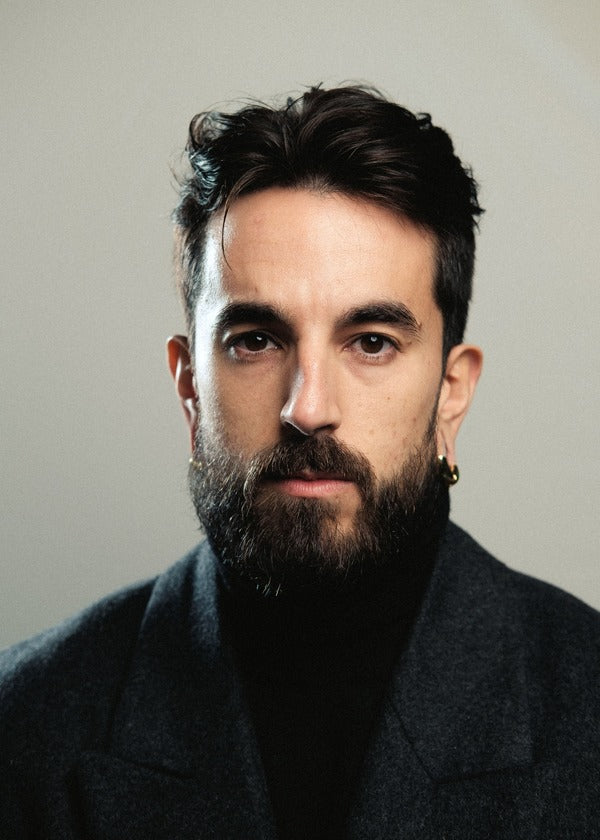
René ZZ is the sort of tattooed creator who makes a quick scroll turn into a full evening of watching interviews. His look isn’t built around one neat sleeve or a single statement piece. The Spanish YouTuber has spent years treating his body as a long-running art project, layering black-and-gray work, bold coverage, color, and a few very personal decisions along the way. That makes his ink interesting even if you’re not planning a full bodysuit yourself.
What makes René’s tattoos worth looking at is the honesty around them. He has talked about spending a huge amount of money on the work, the pull of becoming more heavily tattooed, and the emotional reasons that can sit underneath a visual choice. He has also been open about the fact that a body covered in ink doesn’t automatically settle every insecurity. Sometimes it gives a person a way to speak before they know how to explain themselves. The emotional honesty matters as much as the visual impact.
This isn’t a clean list of every tattoo René ZZ has ever worn. His coverage changes, and the available images don’t always show the same parts of his body. It’s better to stay with the pieces and themes that can actually be seen or that René has discussed, then leave the guesses alone.
René ZZ’s full-body tattoo project
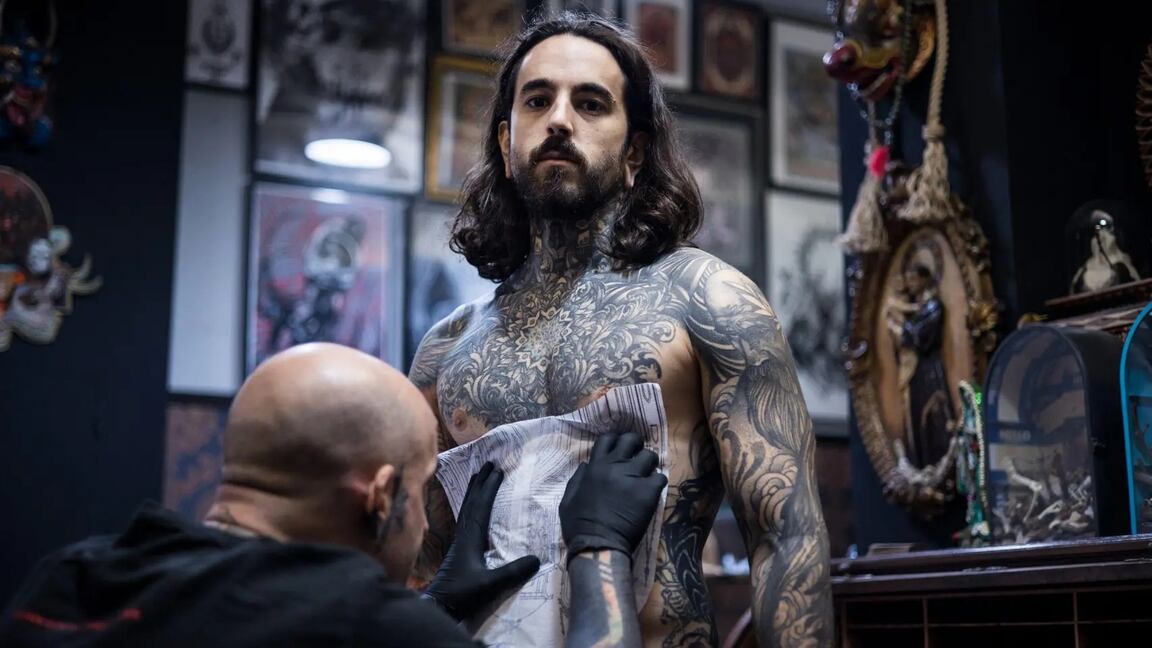
René’s main tattoo story is the scale of the project. He has described the decision to keep adding ink as something that grew over time, not as one grand appointment where he suddenly decided to cover everything. That distinction matters. A bodysuit assembled over years carries traces of changing taste: earlier color work can sit beside later black coverage, and a design that once felt like the final answer can eventually become part of a bigger composition.
The most useful way to read his body art is as a map rather than a catalogue. There are sections that feel deliberately dense, areas where skin is given room to breathe, and transitions where one piece leads into another. A tattoo session photo shows the practical side of that process: stencil placement, the awkwardness of holding still, and the fact that large-scale work is built in stages. The finished image may look effortless, but the route to it is anything but.
René has also spoken about the money involved. Reports around his recent interview put the total investment at roughly €80,000. That number is striking, but it isn’t a recommendation or a price guide. It reflects years of appointments, specialist artists, long sessions, travel, aftercare, and the sheer amount of skin being worked on. Anyone considering large coverage should think about healing time and maintenance just as seriously as the budget. Large-scale work is a long commitment, not a weekend makeover.
The chest and torso work
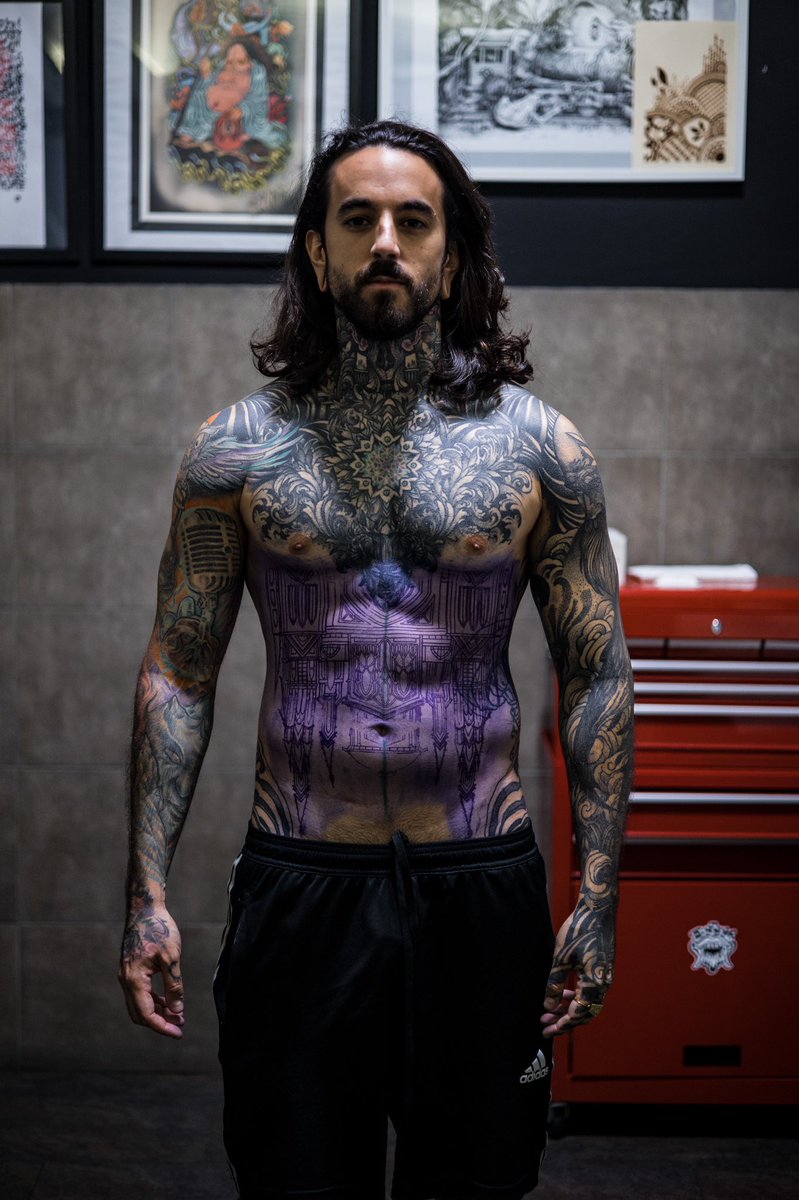
The torso is where René’s tattoo style becomes easiest to read. A shirtless portrait shows dense black-and-gray patterns moving across the chest and neck, with the overall effect landing somewhere between ornamental design and a deliberately built visual uniform. The work is not a tiny collection of isolated symbols. It has weight, repetition, and a strong sense of direction.
Chest tattoos are demanding because the body moves constantly. The sternum, ribs, collarbones, and upper chest all stretch differently, so a design needs to survive changes in posture. René’s coverage shows why large pieces often use broad shapes and strong contrast. When a tattoo occupies that much space, the eye needs a clear rhythm. Heavy areas anchor the composition while finer marks keep it from becoming a flat block of black.
There is another detail people often miss: the neck makes the chest feel larger. Once ink rises above the collarbone, the tattoo stops reading like a piece you can hide under a T-shirt and starts reading like part of the person’s outline. That is a major commitment. It changes how every portrait, interview, and casual photograph feels, which is one reason René’s neck and chest are so central to his public image.
Black-and-gray tattoo patterns, color, and contrast
René’s coverage isn’t limited to one technique. Public photographs show black-and-gray work alongside colorful sections and more graphic areas. That mix keeps the overall look from becoming too predictable. Color pulls attention quickly, while black-and-gray gives the composition a darker, quieter base. Together they create contrast without needing every tattoo to compete for the same amount of attention.
One of the most useful ideas here is consistency without uniformity. The individual tattoos don’t have to match perfectly. They can share line weight, shading habits, or a general mood while still looking like separate moments. That is a smart approach for anyone building a collection over time. Trying to make every future tattoo look identical can make a body feel boxed in. A shared visual language leaves more room to change your mind later.
The photos also show why body placement matters more than a design looks on a screen. A pattern that looks balanced on a flat reference image can behave differently over a shoulder, a rib cage, or the curve of a forearm. René’s larger pieces work because they follow the body instead of pretending the body is a blank page. That’s the difference between simply collecting images and working with a tattoo artist who understands composition. Flow is what keeps heavy coverage readable.
The meaning behind the ink
René has described his tattoos as connected to memory, identity, and a need to be seen. In one recent interview, the conversation moved beyond the usual question of which design hurts most. He was asked whether covering his body had been a way to hide something or to reinforce himself. His answer was more complicated than a simple yes or no. The tattoos could be aesthetic, personal, protective, and emotionally loaded at the same time. That is where his story becomes more than a style reference.
That complexity is part of what makes the story relatable. People sometimes talk about meaningful tattoos as if every piece needs a perfect explanation. René’s journey suggests something looser. A tattoo can mark a period of life, hold a private reference, or simply become part of the way someone wants to inhabit their body. Meaning can also change. A design that starts as a loud declaration might later feel like evidence of a younger version of you.
He has also linked his tattoo story with a later spiritual change. That doesn’t erase the earlier work, and it doesn’t make the tattoos one-dimensional symbols of regret. It adds another chapter. When someone’s beliefs or priorities shift, their old ink remains a record of what they once wanted, feared, or needed. That is a more honest view than pretending a person has to either love every tattoo forever or reject the whole collection. Ink can outlive the reason it was chosen.
Hands, arms, and the details that change the silhouette
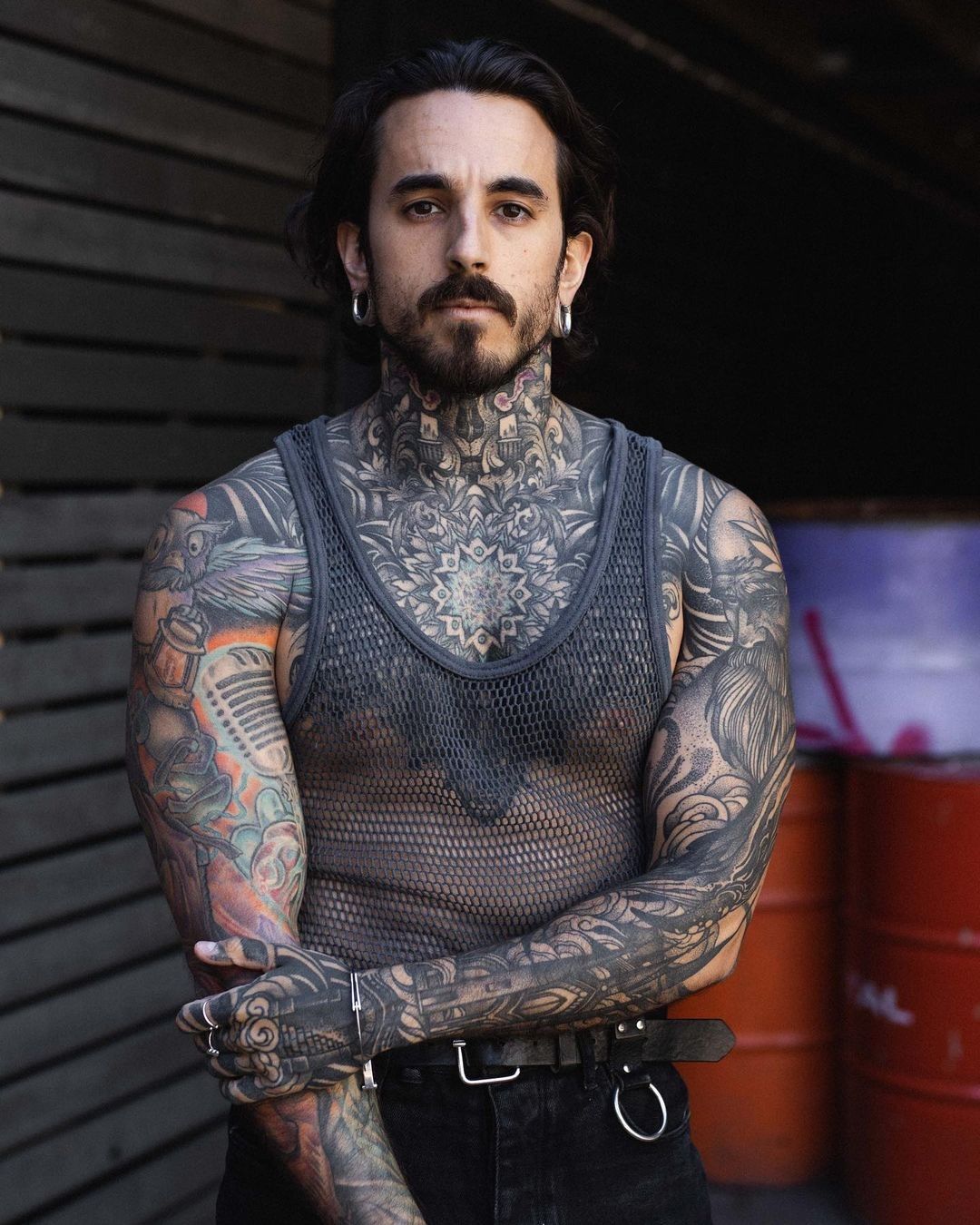
Small areas can change a tattooed silhouette just as much as a large chest piece. René’s hands, arms, and neck appear in many of the public photos because they are difficult to hide. Hand tattoos in particular carry a practical tradeoff: they are visible in almost every interaction, and the skin can be hard on fine detail. They also fade unevenly, especially when the hands are exposed to sun, washing, and constant movement.
His arm coverage shows another advantage of working in stages. Sleeves can be built around a central idea, then extended when the wearer understands how the earlier pieces healed and aged. That slower process gives an artist room to solve awkward gaps instead of filling every inch in one rush. If you’re planning your own sleeve, leaving space for future work can be useful. It keeps the first appointment from making decisions for the next ten years. Patience can be part of the design.
The practical lesson is simple: visibility should be chosen, not drifted into. René’s tattoos make the strongest impact because the commitment is obvious. Before copying the look, think about work, family, travel, and the kinds of situations where you may want your skin to speak for itself. There is no shame in keeping a meaningful piece private. A tattoo can still matter when only you know it’s there.
What this collection says about long-term choices
That long view is the part many people miss. René’s collection is not a quick before-and-after project; it is a series of decisions that kept accumulating.
How the sessions shape the result
René’s body art is a good reminder that a tattoo collection doesn’t have to arrive fully explained. It can grow through different phases, artists, styles, and emotional states. What holds it together is not always a single subject. Sometimes it is the owner’s willingness to keep looking at the work, admit when a choice came from a difficult place, and decide what the next mark should mean.
For someone starting out, the takeaway isn’t to copy a full-body look. Start with the part of the process that feels sustainable. Pick an artist whose healed work you can inspect. Talk through placement and aging. Ask what happens if the design needs a future cover-up or extension. Give yourself time between appointments. The most impressive tattoo collections are rarely impressive because they were completed quickly.
It is also worth separating inspiration from imitation. René’s photographs can spark ideas about contrast, density, blackwork, ornamental flow, or the way tattoos wrap around the body. They can’t tell you how the same design will sit on your skin, how your job will react, or how you will feel about a visible piece five years from now. Use the reference to start a conversation with a tattoo artist, then make the final design your own.
There is a human side to the whole thing, too. René’s interviews move between art, pain, money, memory, and faith because tattoos rarely stay inside one category. They can be decoration one day and a diary entry the next. They can make a person feel more at home in their skin, even when the reasons behind them are messy. That tension is what gives his ink more depth than a simple list of designs.
René ZZ’s tattoos are still changing, and available coverage will never show every appointment. What we can see is a long-term project built with real commitment: broad body coverage, strong black-and-gray structure, flashes of color, and a willingness to discuss the emotional weight behind the image. Whether you like the style or not, the collection has a clear point of view. It treats tattooing as a form of identity, not just an accessory.