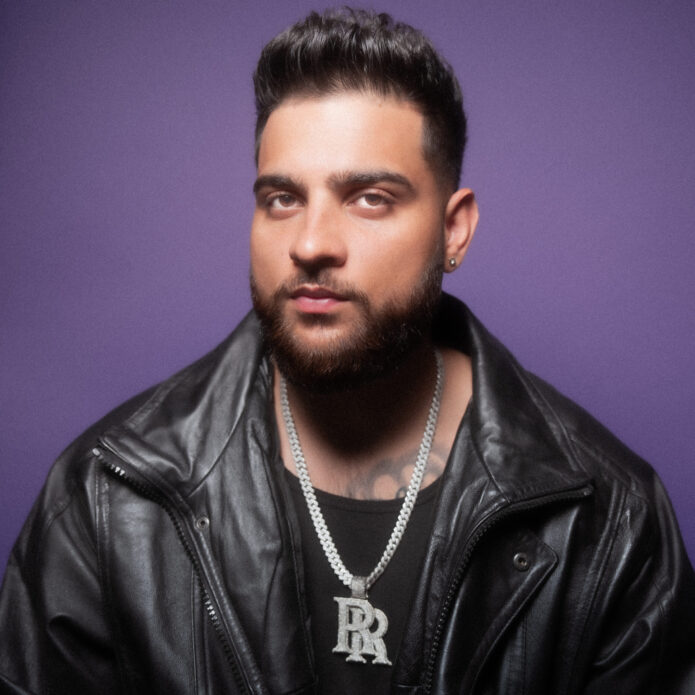
Karan Aujla’s tattoos include black-and-grey portraits, Punjabi lettering, a large eye, wolves and a clock. The clearest reported story is his tribute to Bhagat Singh and Udham Singh; other accounts connect pieces to family. Photos show the designs, but not every story behind them.
Karan Aujla’s tattoo collection at a glance
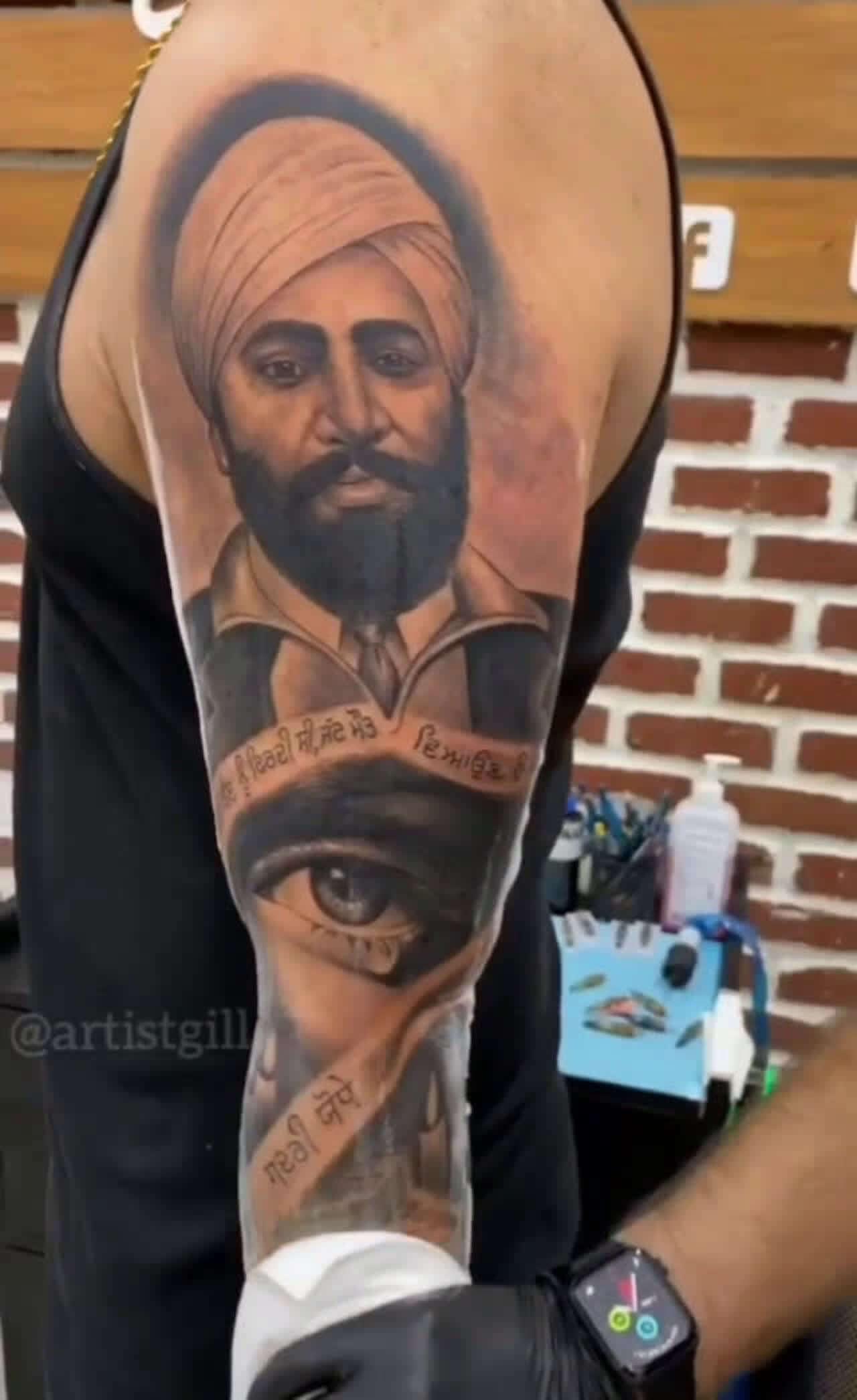
One forearm composition starts with a turbaned portrait and a large eye, then continues into Punjabi script and shaded imagery. It reads as a connected arm piece rather than a single tattoo set apart from the rest.
Other reported pieces include family portraits and Punjabi names, wolf designs and a clock. The sections below separate what published accounts say about them from what photos show.
The Bhagat Singh and Udham Singh memorial tattoo
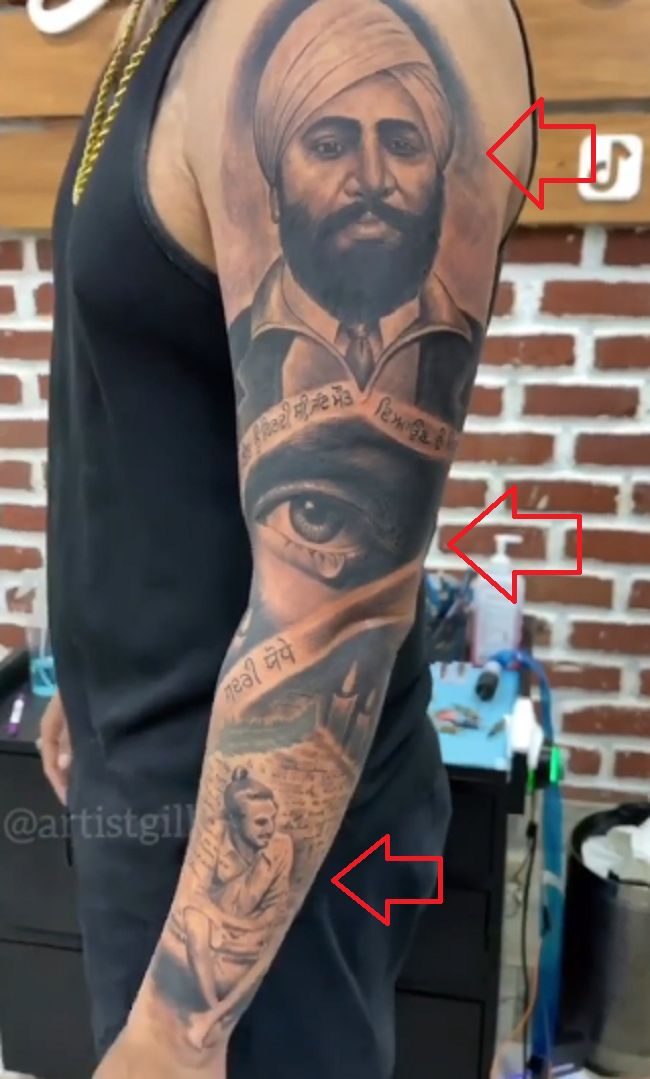
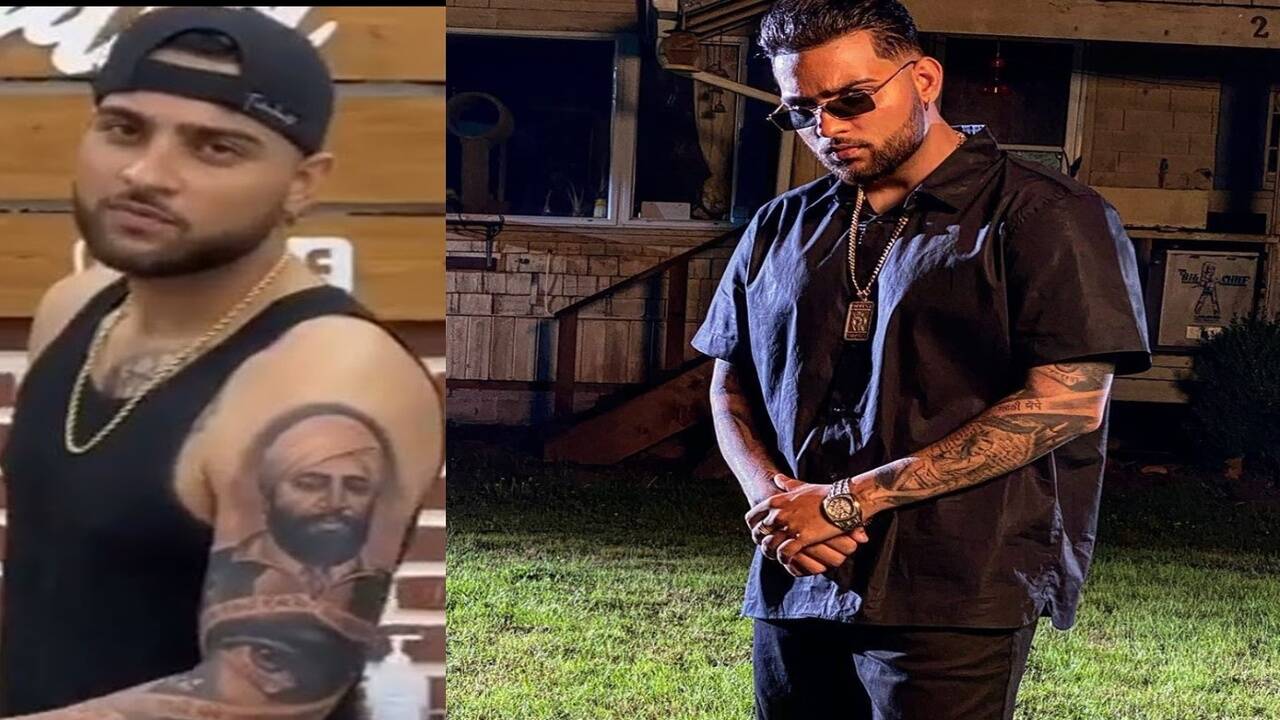
The Times of India reported that Aujla got a black-and-grey tribute to Bhagat Singh and Udham Singh ahead of Shaheed Diwas, an observance connected to the martyrdom of Bhagat Singh, Sukhdev and Rajguru. The report gives the timing and subjects; photos show portraiture, shading and Punjabi text.
In the close view, a turbaned, bearded portrait sits above a large eye; Punjabi script crosses the arm, and shaded imagery continues below. The photograph doesn’t make every lower detail clear enough to identify.
Looking closely at the main composition
Changes in shading and open skin link the parts of the sleeve. The portrait leads, the eye and lettering break up the dark areas, and further forms continue below. Each detail remains distinct within the larger piece.
The same design looks different as the arm turns. Close-ups show the detail; wider views reveal how the image wraps around the forearm.
Lighter passages inside the portraits and open areas around the lettering help separate the elements. That spacing keeps the dense work legible in both close-ups and wider portraits.
Family pieces carry a quieter mood
Tattoo coverage identifies a portrait of Aujla’s mother on one arm and her name, Rajinder Kaur, written in Punjabi on his chest. Published descriptions connect the pieces to family, though they don’t explain every private detail behind them.
Their placements give the tattoos different kinds of visibility. The chest lettering may be covered by everyday clothes; the arm portrait is easier to see in short sleeves. One can be kept close, while the other often appears in public photographs.
Wolves, the clock and the smaller details
Body Art Guru describes wolf designs on Aujla’s arm and links them to family: one tattoo shows a wolf, while another uses two wolves to represent his sisters. That is the reported connection; the designs don’t need an extra meaning added to them.
A clock near the wrist carries another reported memory. Aujla has said it relates to the time his mother passed away. It sits among the larger arm pieces without taking over the whole sleeve.
Why that moment matters
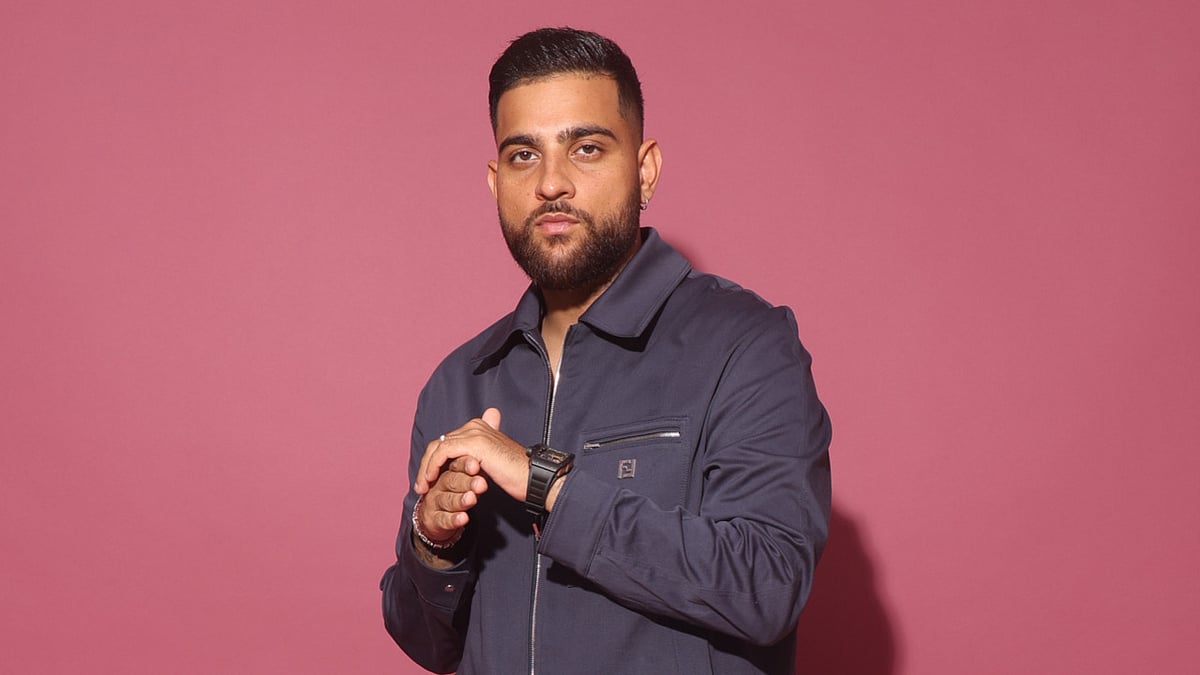
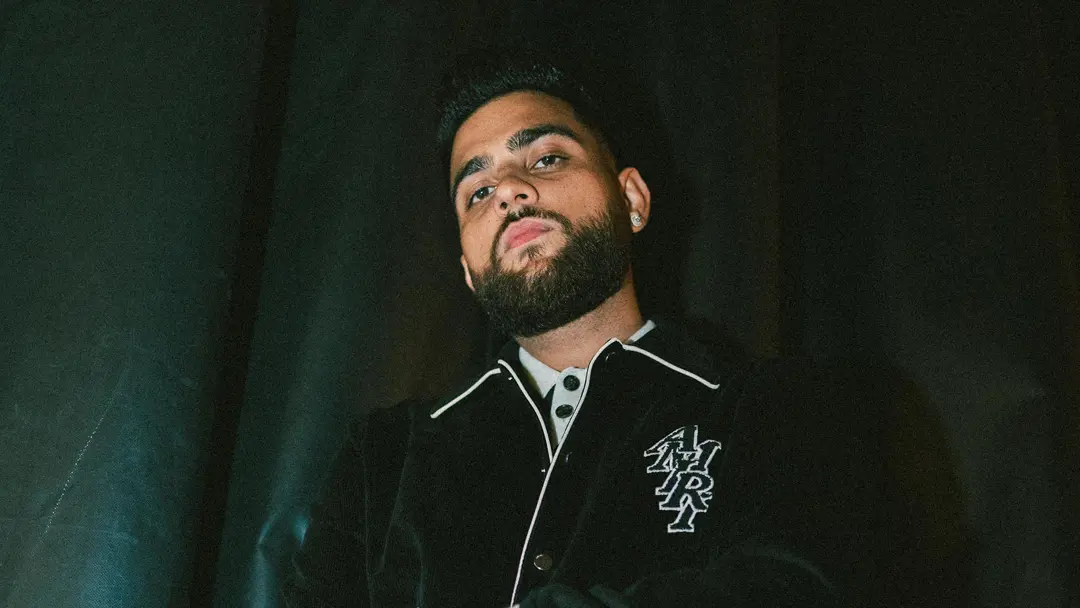
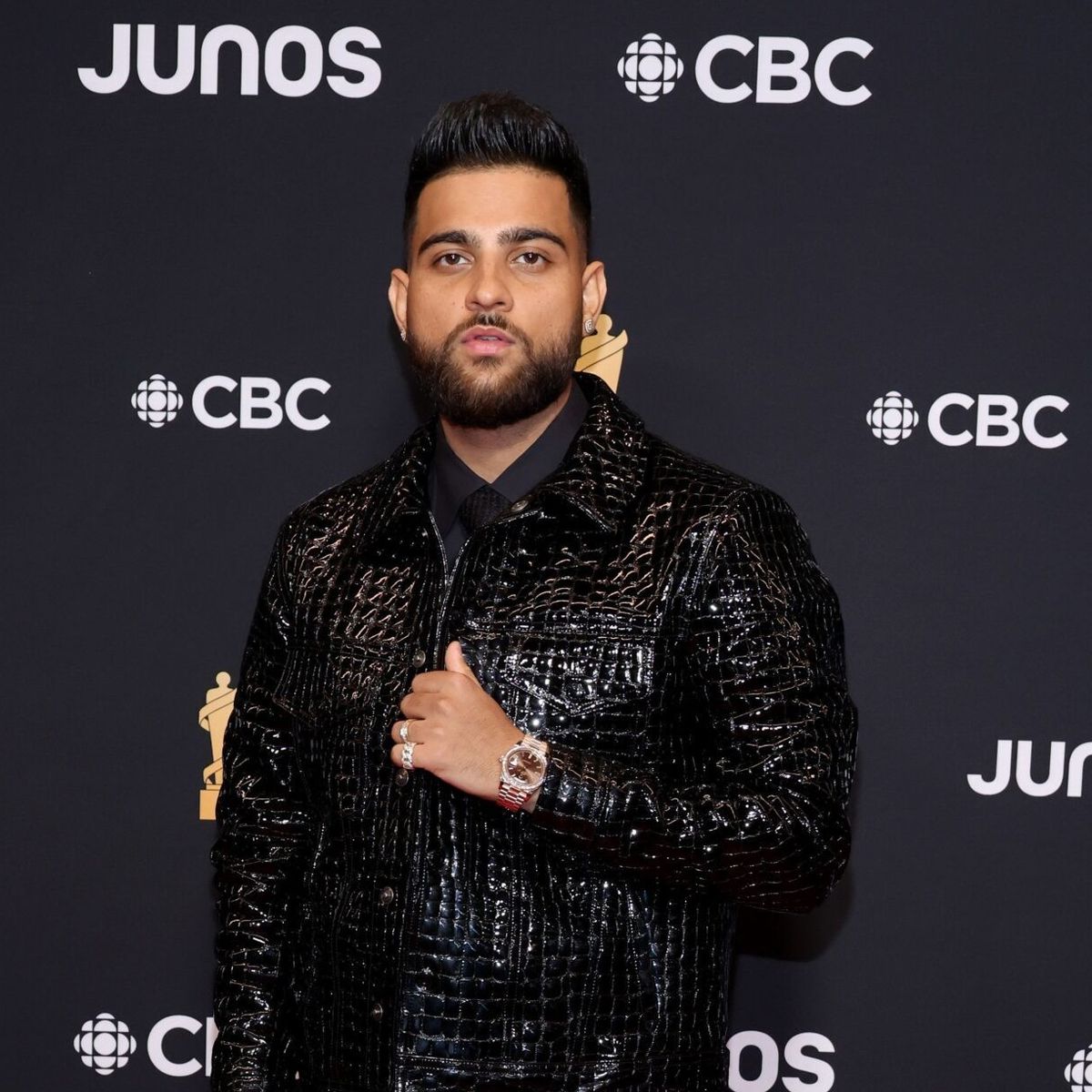
These red-carpet and promotional portraits place Aujla in public settings, but jackets cover his arms. They add career and fashion context; they don’t establish where a tattoo sits or what it depicts.
A short-sleeve performance photo may reveal part of a forearm piece, while a relaxed pose can hide the inner arm. Close tattoo photos show linework and placement more clearly. Each kind of image answers a different question.
Black-and-grey realism and strong contrast
Across the visible pieces, black-and-grey shading ties together portraits, the eye, Punjabi script and wolf imagery. Dark shadows anchor the designs; lighter passages keep the faces and lettering distinct.
The subjects vary: a family portrait, historical figures and animals. A shared palette lets them sit on the same arm, though the photos don’t show that every tattoo was planned as one sleeve.
Fine facial detail can soften over time, while stronger shadows and space between elements help the designs remain readable. An artist can show how a sleeve will look from several angles and at its actual placement.
The difference between documented meaning and visual reading
Published accounts tie the memorial portraits to Shaheed Diwas and connect family pieces, wolves and the clock to personal stories. The remaining marks can be described by appearance and placement; a photograph alone doesn’t tell us why he chose them.
What to take from Karan Aujla’s visual choices
Start with a subject that matters to you and a reason you can explain. Aujla’s best-documented piece honours historical figures; if you’re considering a portrait, choose the person before settling on the reference image.
A sleeve can grow in stages. A portrait may anchor it, with script or smaller designs linking later pieces. Leave enough space and contrast for each element to read on its own.
Placement changes who sees a tattoo. Chest lettering may stay covered; arm ink appears more often, and a wrist design shows when your hands are out. Decide which pieces you want to keep private and which you’re comfortable showing.
Ask the artist to plan around the arm in motion. A forearm curves and turns, so check the stencil from several angles before the work begins.
The bottom line
Aujla’s tattoos bring family and Punjabi history into a black-and-grey arm collection. The Bhagat Singh and Udham Singh tribute is the best-documented piece; his mother’s portrait and name, wolves linked to his sisters, and the clock near his wrist add other reported stories. Photos show the placement and shading, while some details remain his to explain.