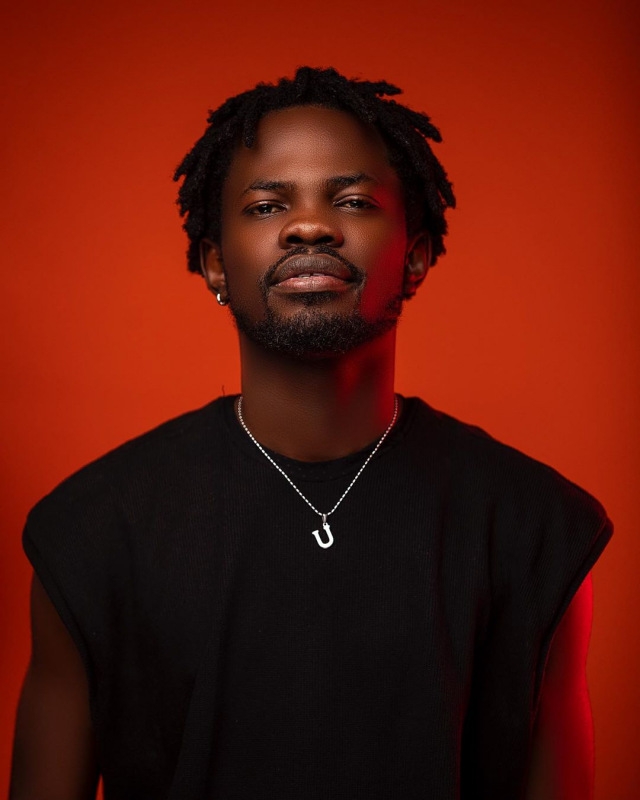
Fameye’s body art is easy to read as part of his stage look, but the pieces he has talked about publicly are more personal than that. The Ghanaian singer has described marks connected to his son, his music, and the sense of strength he carries into a performance. There isn’t a giant official catalogue of every design, so the useful way to look at his collection is to stay with the details he has actually explained.
That leaves us with a story about memory, family, and music, rather than a random list of symbols. Fameye has spoken about growing up without his parents and about wanting to give his own son the care he missed. One of the clearest pieces on his hand is tied directly to that idea. The other designs are linked to power, melody, travel, and the life he has built as an artist.
The tattoo of his son’s face
In 2020, Fameye showed a new piece that was described as a portrait of his son. The moment was covered by Modern Ghana after a video from OdarteyGH TV showed the singer spending time with his child and revealing the design. It was reported as his first tattoo, and the choice says a lot about what he wanted the mark to do.
This wasn’t just a name or a date placed somewhere easy to hide. It was a face, which makes the design feel more like a small family photograph carried on the body. Portrait tattoos can be technically demanding because even a tiny change in the eyes or mouth can alter the likeness. They also tend to feel more intimate than decorative symbols. Fameye’s explanation gives the piece its real weight: he wanted a reminder of his son and of the love he wants to give him.
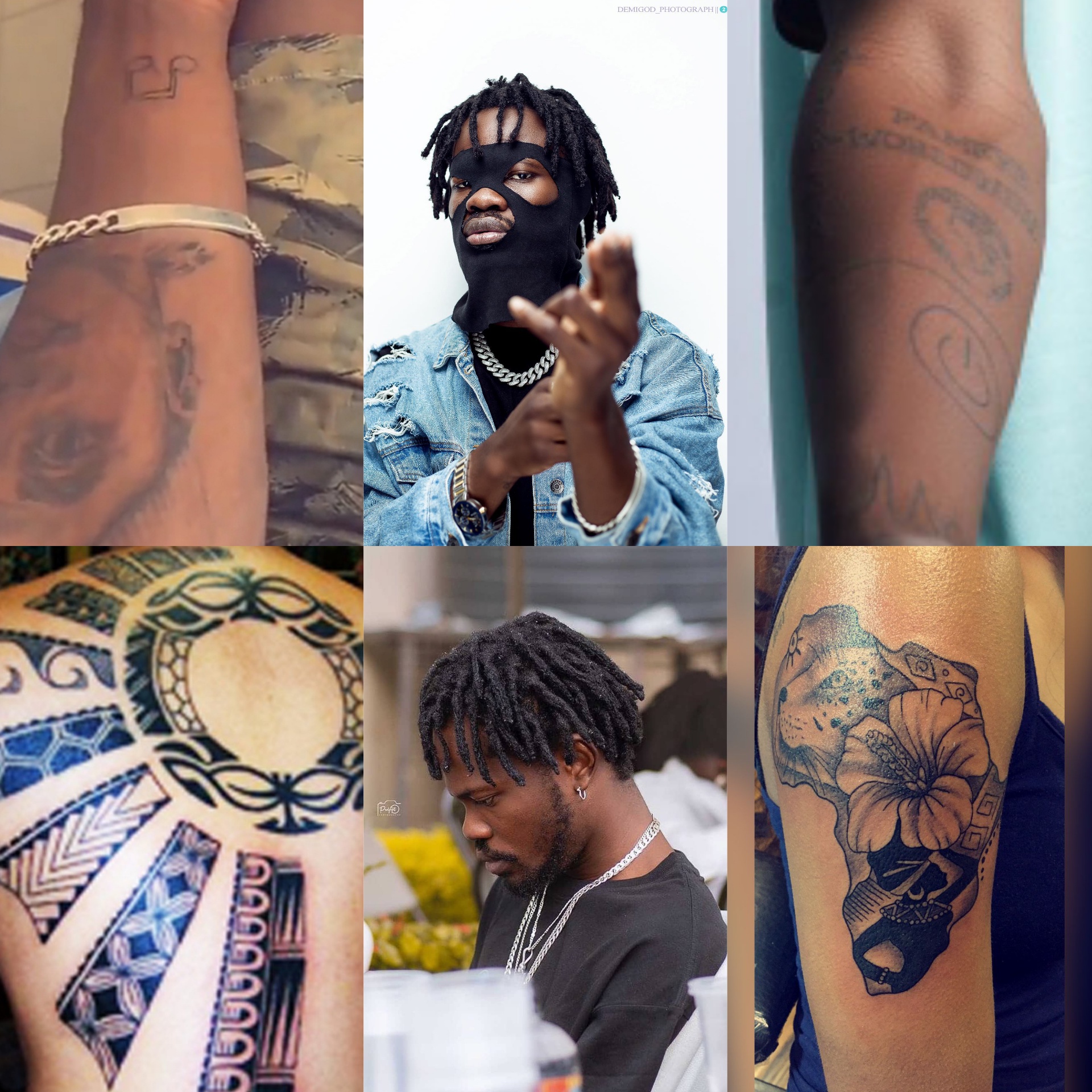
The image above comes from a Ghanaian feature that discussed Fameye’s tattoos and their meanings. It is a busy image, with several views of his arm and hand pieces alongside portraits of the singer, so it shouldn’t be treated as a precise map of every design. What it does make clear is that the marks sit close to the parts of his body that are visible when he performs, talks, or reaches for a microphone.
Why that moment matters
Fameye has spoken openly about losing both parents when he was very young. He was raised by his grandmother, and that history sits underneath the way he talks about fatherhood. When he explained the portrait, he connected it to the moments he didn’t get to have with his own parents. He wanted his son to feel the care and support that were missing from his childhood.
That context is why the design lands harder than a standard family-name tattoo. A portrait can be a reminder of a person, but it can also be a promise to yourself. In Fameye’s case, the piece seems to carry both jobs. It keeps his son close, and it keeps him focused on the kind of parent he wants to be.
There’s a quiet honesty in that choice. Plenty of artists build a visual identity around huge sleeves, dramatic lettering, or symbols that read clearly from a stage. Fameye’s most clearly explained piece starts somewhere much smaller: a personal relationship and a memory he doesn’t want to lose. The meaning comes before the spectacle.
The energy he brings to a room
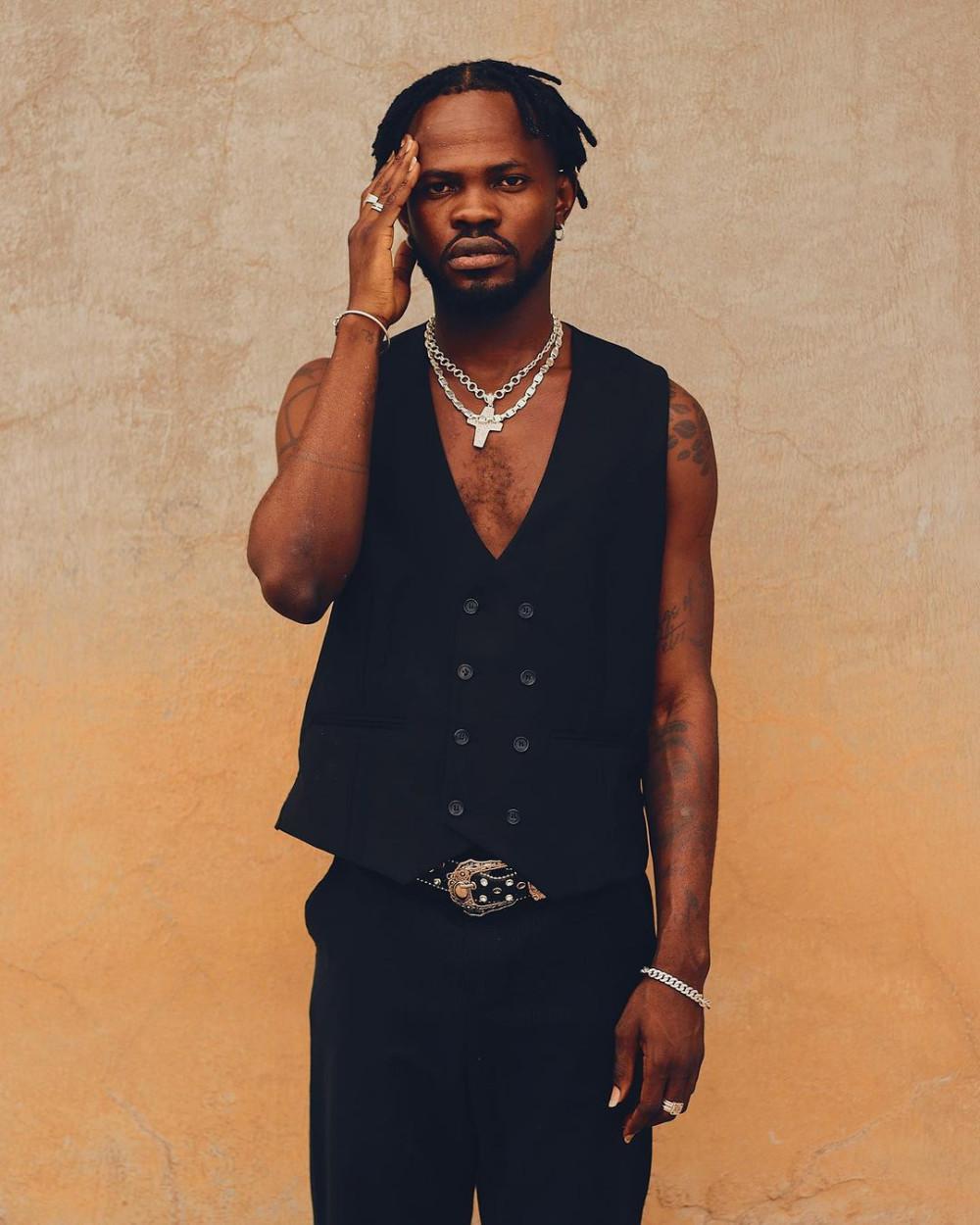
In a 2021 interview published by Goldennewsgh, Fameye described another design on his right-hand side as representing power. He said it gives him a feeling of strength and helps him remember the energy he needs when he steps on stage. That makes the piece less about showing off and more about getting into the right headspace.
He also described a drawing connected to music and melody. The exact shape is difficult to identify confidently from the available photos, and it’s better not to turn a blurry outline into a made-up description. The important detail is the association Fameye gave it himself. The design is a reminder of his love for music and of the work he has chosen to do.
Those two ideas work together. One piece represents the force he needs to keep moving, while another points back to the craft that gives that force a direction. They aren’t separate from his career, but they don’t read like advertisements for it either. They sound like private prompts that happen to be visible to everyone else.
That is a useful distinction when you’re looking at a musician’s tattoos. A symbol can be part of a public image without being designed for public consumption. Fameye’s descriptions suggest that the designs are there first for him. Fans get to see them, but they aren’t the final audience.
A visual language from Ghana
Fameye’s music is often described through its emotional directness. His songs draw on highlife, Afropop, and the everyday pressure of trying to build a life that feels meaningful. That same directness shows up in the way he talks about his body art. The pieces connect to people, work, and experiences rather than a single fashion trend.
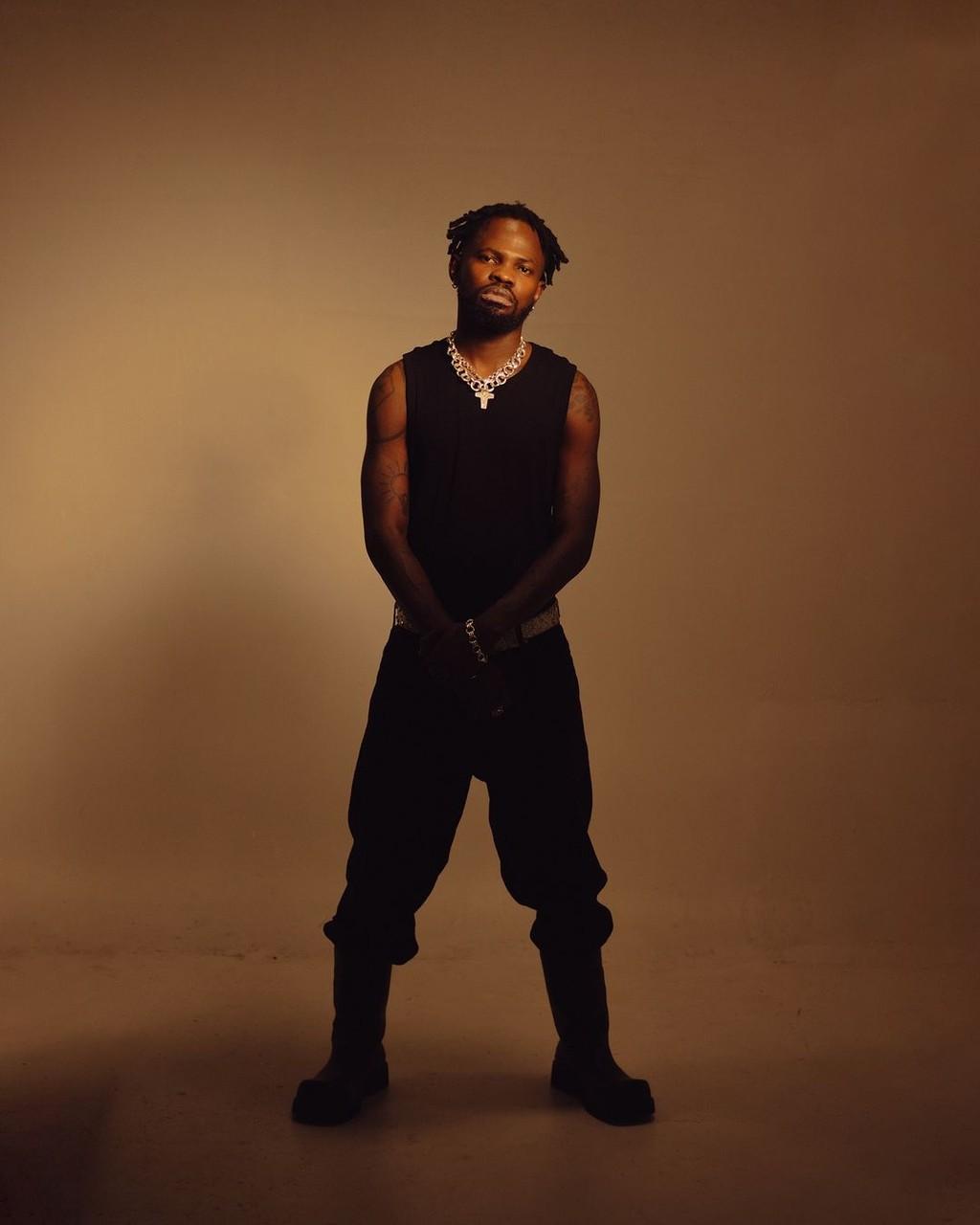
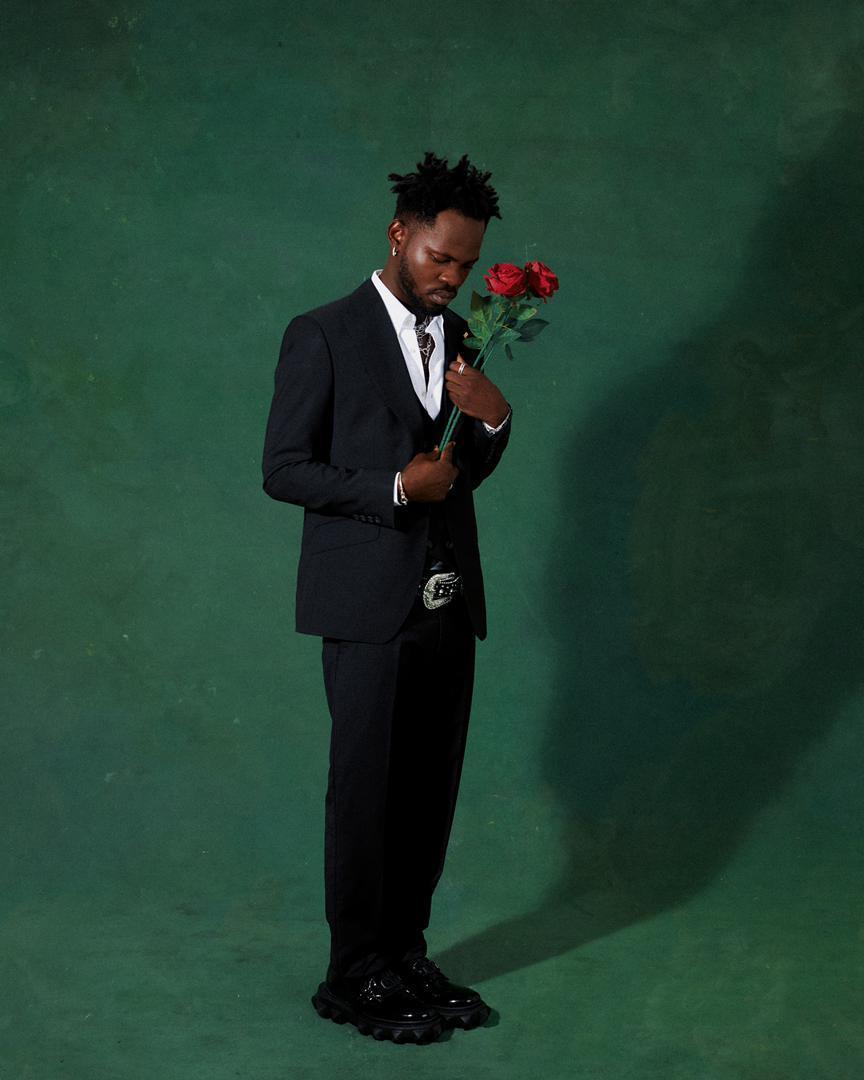
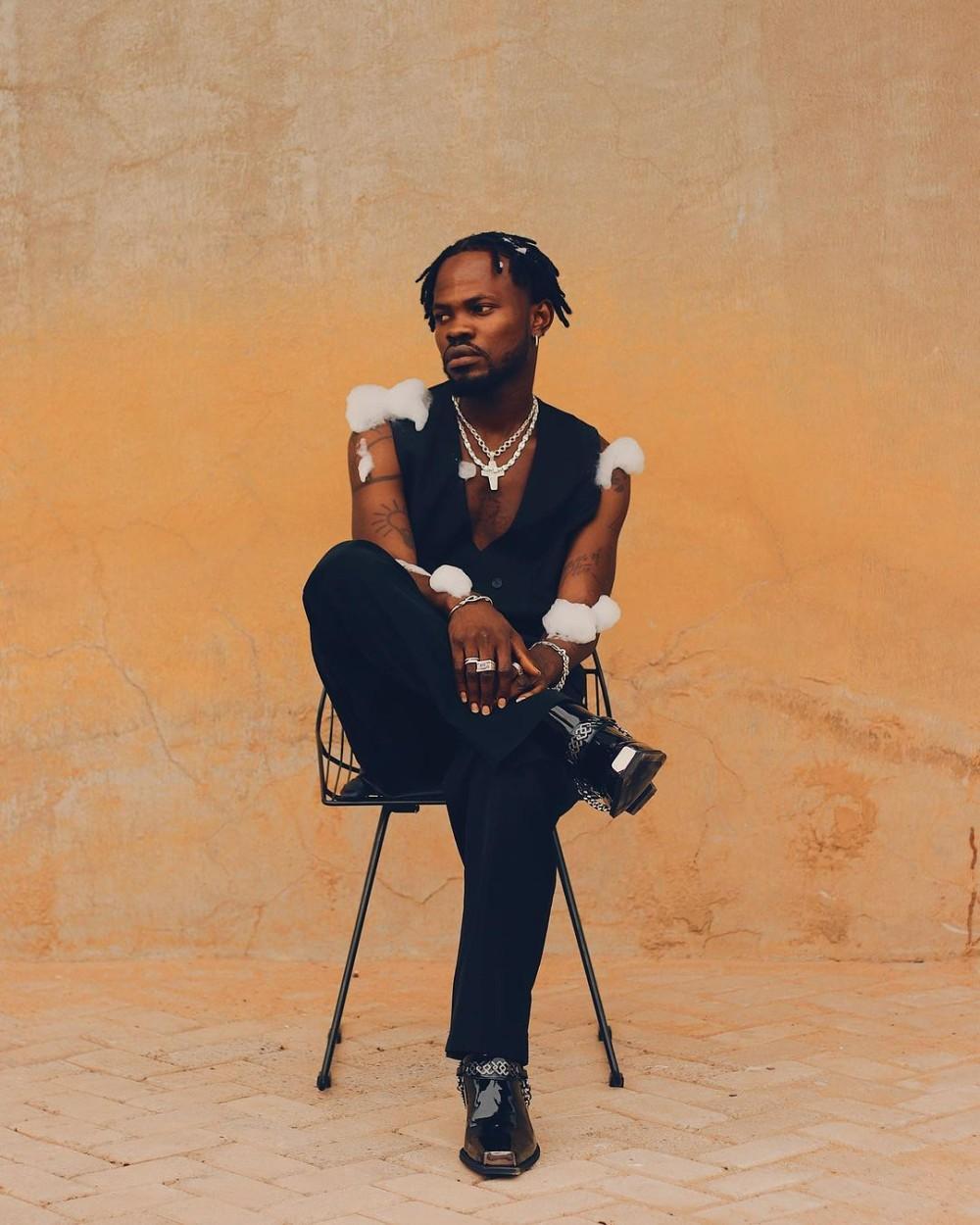
There’s also a strong sense of movement in the photographs. Fameye’s tattoos appear in the middle of interviews, music videos, stage appearances, and casual images with other artists. They are part of a working body, not a display mannequin. Arms lift, sleeves shift, jewellery catches the light, and a design that seems quiet in one frame becomes obvious in the next.
That kind of visual language can be more interesting than a perfectly arranged collection. It shows how tattoos live with the rest of a person’s style. Fameye’s chains, hairstyles, jackets, and performance clothes change, but the marks stay put. They become a steady layer underneath the more temporary parts of his look.
If you like that balance, the takeaway is simple: a tattoo doesn’t have to explain your whole personality. One small piece can point to family. Another can stand for work. A third can hold onto a place or a season of your life. Meaning doesn’t need a loud design to stay visible.
When a performance gets close
Fameye’s tattoos make the most sense when you see how often he uses his hands while performing. A singer’s hands are always moving: holding a microphone, marking time, pointing toward the crowd, or lifting during a chorus. A small design on the hand or forearm can become part of that choreography without needing to be oversized.
It also explains why hand placement can feel so personal. Hands are involved in almost everything, so a piece there becomes a constant companion. At the same time, hand tattoos are difficult to keep private. They are exposed during work, travel, and ordinary conversations. Choosing that location means accepting that the mark will be part of how people recognise you.
Fameye’s public comments make that choice feel deliberate. The piece connected to his son isn’t tucked away in an area that only he can see. It stays close to his everyday gestures. The design can be a quiet reminder in the studio, on stage, or at home, which is probably more important than whether a camera catches it.
The available photography also shows why descriptions should stay careful. Some images are sharp enough to show that ink is present, but not sharp enough to prove every line or symbol. Lighting, skin tone, camera distance, and the angle of an arm can all change how a design appears. It’s better to describe what is confirmed than to fill the gaps with guesses.
The interview that filled in the gaps
The Goldennewsgh feature points to an Entertainment Wahala interview on Atinka Television, where Fameye discussed the meanings of several pieces. He said he hadn’t counted the designs because there weren’t many, but he knew what they meant. That comment is revealing in its own way. He wasn’t presenting a carefully branded inventory. He was talking about a handful of reminders that had grown around his life.
He mentioned marks connected to the few countries he had visited and said he didn’t intend to keep adding more. Whether that changes later is impossible to know, but the sentiment gives the collection a restrained feel. The designs are not being described as an endless project. They are more like a set of stops along the road he has already travelled.
The interview also shows how closely his identity as a musician is tied to the way he understands strength. He didn’t describe power as aggression or status. He linked it to the feeling that helps him perform and keep doing the work he cares about. That is a more grounded idea than the usual “no regrets” tattoo language.
One quote from the interview sums up the emotional centre of the story: “My son’s own stands for something different.” Fameye then explained that the portrait reminds him of his child and of the kind of love he wants to offer. It’s the sort of line that makes a small design feel bigger without making the tattoo itself more complicated.
What we can confirm and what we should leave alone
The confirmed part of Fameye’s story is strong enough on its own. He has discussed a portrait of his son, a design associated with power, and another linked to music and melody. He has also talked about pieces tied to travel. Those details come from reporting and from Fameye’s own comments, so they are the right foundation for an article about his collection.
What we should avoid is pretending that every visible shape has a fully documented meaning. The collage photograph gives a useful look at the areas where his ink appears, but it isn’t a studio sheet and it doesn’t come with labels for every line. A small curve could be lettering, a symbol, or part of a larger design that is hidden by the angle.
That restraint matters because tattoo coverage can turn into accidental fiction very quickly. Once a guess gets repeated, it starts to look like a fact. Fameye has already given enough information to write something specific: the pieces connect family, music, strength, and movement. There’s no need to invent a backstory for the parts he hasn’t explained.
How to take the idea without copying it
If Fameye’s approach gives you ideas, start with a person or experience that genuinely changed your direction. A child, a mentor, a song, a place, or a hard-won opportunity can all become a starting point. The design doesn’t need to be a portrait. It could be a small object, a line of handwriting, a simple musical mark, or a symbol that only makes sense once you know the story.
Portrait work needs extra care, especially at a small scale. Bring several clear reference images, talk through the size, and give the artist enough room to preserve the features that make the person recognisable. If the design is meant to stay discreet, ask how much detail will survive at the final size rather than assuming a phone-screen image will translate directly to skin.
Placement deserves the same thought. A hand or wrist piece will be seen often, which can be exactly the point, but it also takes more wear and movement than a protected area. Your artist can explain how the design may age and whether the detail needs to be simplified. The goal is a mark that still feels like yours once the original emotion has settled into ordinary life.
Most of all, keep the reason clear. Fameye’s strongest piece works because it is tied to a relationship he actively lives every day. That kind of connection is difficult to fake and easy to recognise. Choose the memory first, then choose the image.
The short version
Fameye’s documented body art centres on family, music, and the feeling of strength that carries him through a performance. The portrait of his son is the clearest example, and it connects directly to his wish to give his child the care he missed growing up. Other pieces have been described as reminders of power, melody, travel, and the work he loves.
The collection is interesting because it doesn’t need a dramatic explanation. The designs sit inside the life Fameye is already living: fatherhood, Ghanaian music, stage work, and the memories that keep him steady. What is visible in photographs is only part of the picture, but the parts he has explained are personal, direct, and easy to understand.