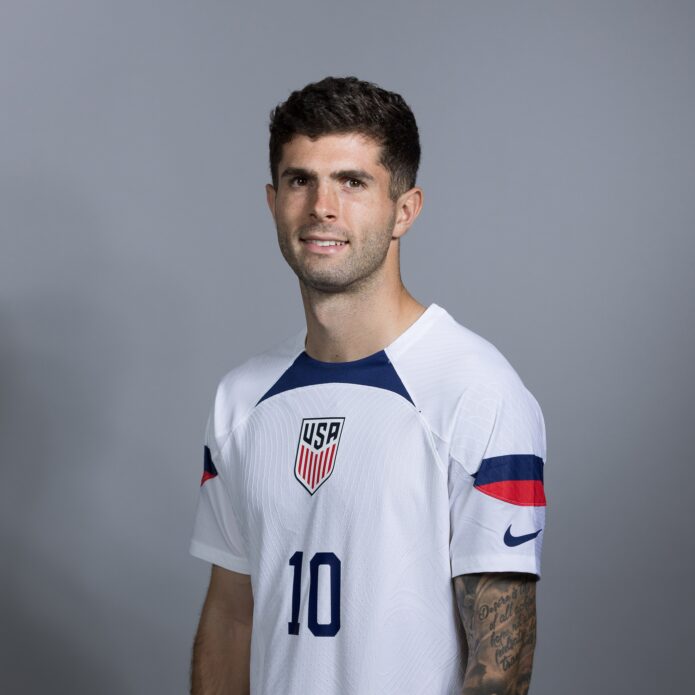
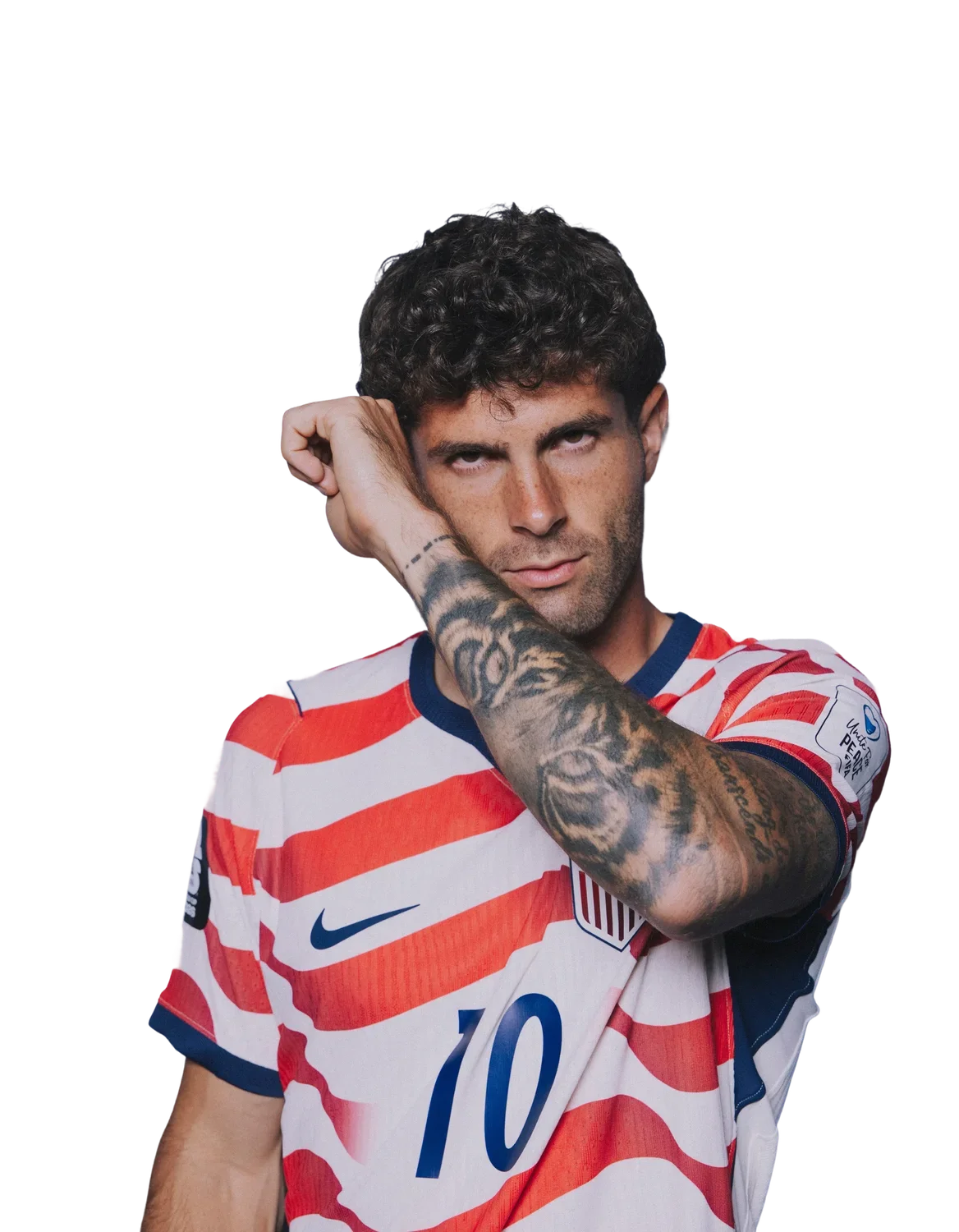
Christian Pulisic’s tattoos are easy to recognize once you know the one piece that started the whole celebration. When he raises his left arm and lines the tiger’s eyes up with his own, the image feels almost too perfectly planned. Pulisic has said the celebration wasn’t the reason he got the tattoo, though. The pose came later, after his tattoo artist noticed how neatly the design could sit across his face.
That little bit of luck sums up Pulisic’s collection pretty well. The tattoos are personal, sporty, a little playful and mostly concentrated on one arm. There isn’t a need to invent a complicated story for every patch of ink. Some details have been explained by Pulisic himself, while others are simply things you can see in clear match and portrait photographs.
Christian Pulisic’s tattoo sleeve in one look
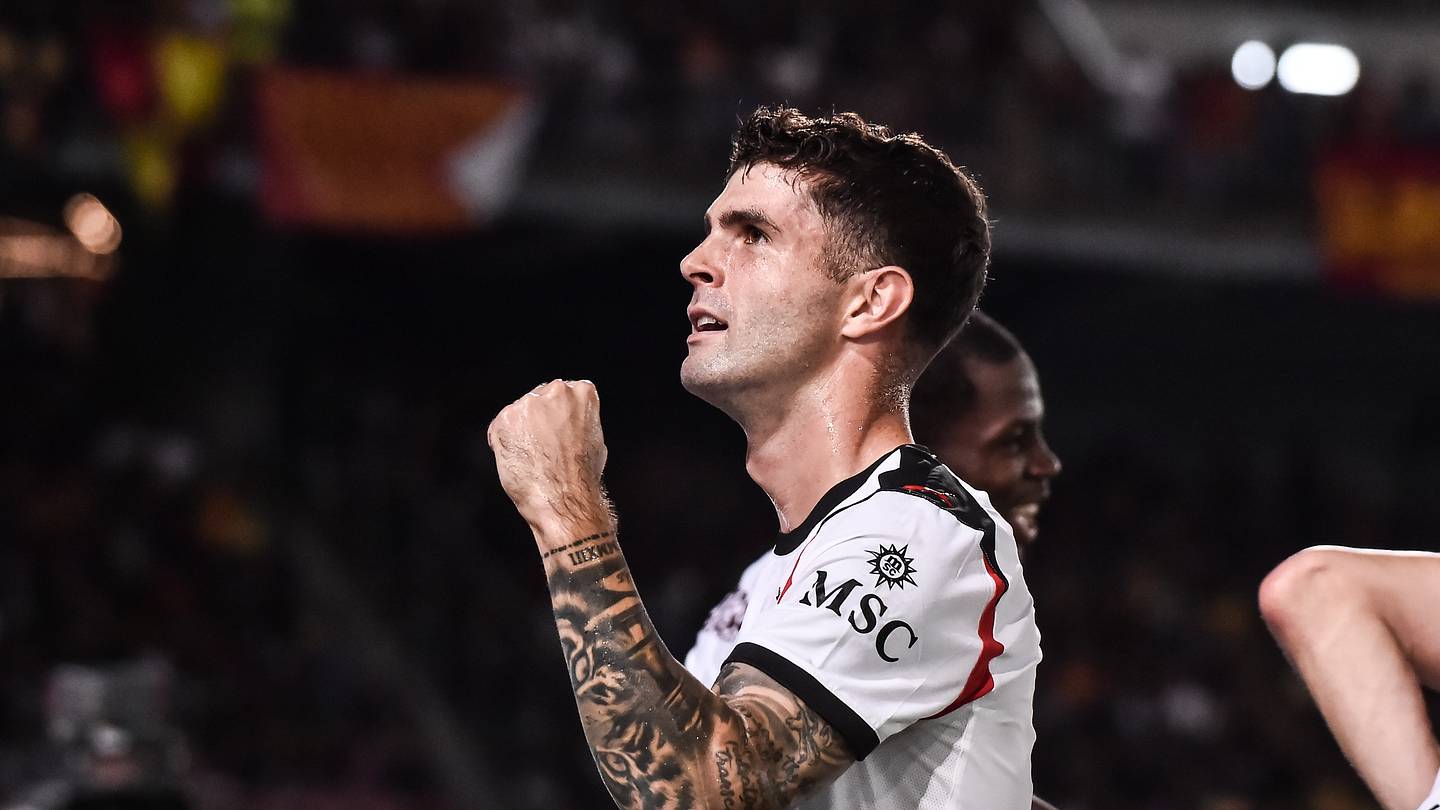
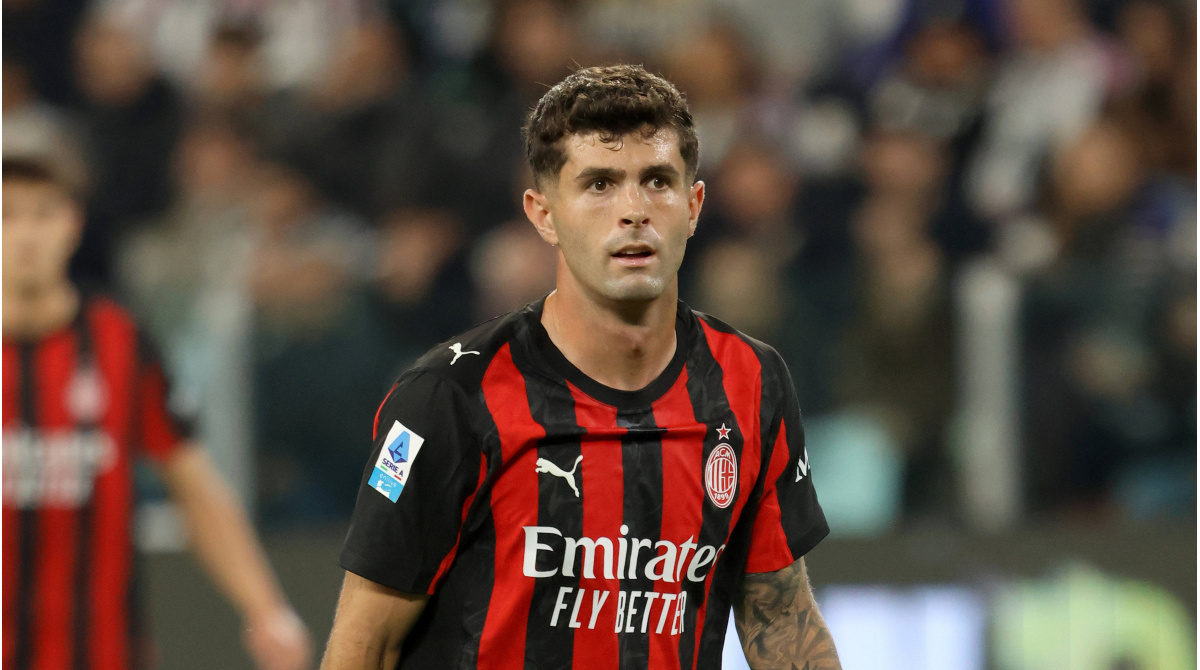
Tattoo evidence: Christian Pulisic’s left sleeve is clearly visible in this match photograph, including the tiger and darker forearm work.
The left arm does most of the talking. The sleeve runs from the forearm toward the upper arm and combines several different ideas rather than one giant image. The tiger is the easiest place to start because it has become part of Pulisic’s public football identity. During a goal celebration, he covers his eyes with the tattoo so the tiger’s eyes appear to replace his own.
That visual trick works because the tattoo is placed on the outside of the forearm and is large enough to read at a distance. In a still photograph, you can also see how the darker shading around it connects with the other pieces. The sleeve doesn’t look like a row of isolated stickers. It has enough black and grey weight to feel joined together, even where the individual designs remain separate.
It also helps to compare photographs instead of treating one angle as the whole collection. A celebration shot may show the tiger and the wrist best. A portrait with his arm lowered can reveal the quote, eagle or crown more clearly. Clothing, lighting and the direction of his forearm change what is visible. That isn’t a new tattoo each time; it’s just how a busy sleeve behaves when it moves.
Introduction
Pulisic has explained that tigers have always been one of his favorite animals. He was also a fan of Tiger Woods, and he was born in the Year of the Tiger, so the design had a few personal connections before it ever became a goal celebration. He got it while he was still a teenager playing for Borussia Dortmund.
The celebration came about during the tattoo session. Pulisic has described the artist suggesting that he hold the forearm up to check whether the tiger’s eyes lined up with his own. They did. Years later, that quick test turned into the move fans know as the “Eye of the Tiger” celebration.
There is something more interesting about that than a tattoo designed for a camera. The piece had its own meaning first. The football ritual grew around it because the placement made a good image. That gives the tattoo a bit more character than a logo chosen only for branding. Pulisic didn’t need to invent a celebration and then commission a design to match it; the design was already part of him.
The tiger is also why close-up photographs matter. From a distance, the eyes and stripes carry the moment. Up close, the shading, fur texture and darker framing become easier to separate from the other work on the arm. For anyone studying the layout, the useful idea is simple: a strong focal image can give a crowded sleeve a clear centre.
What remains uncertain
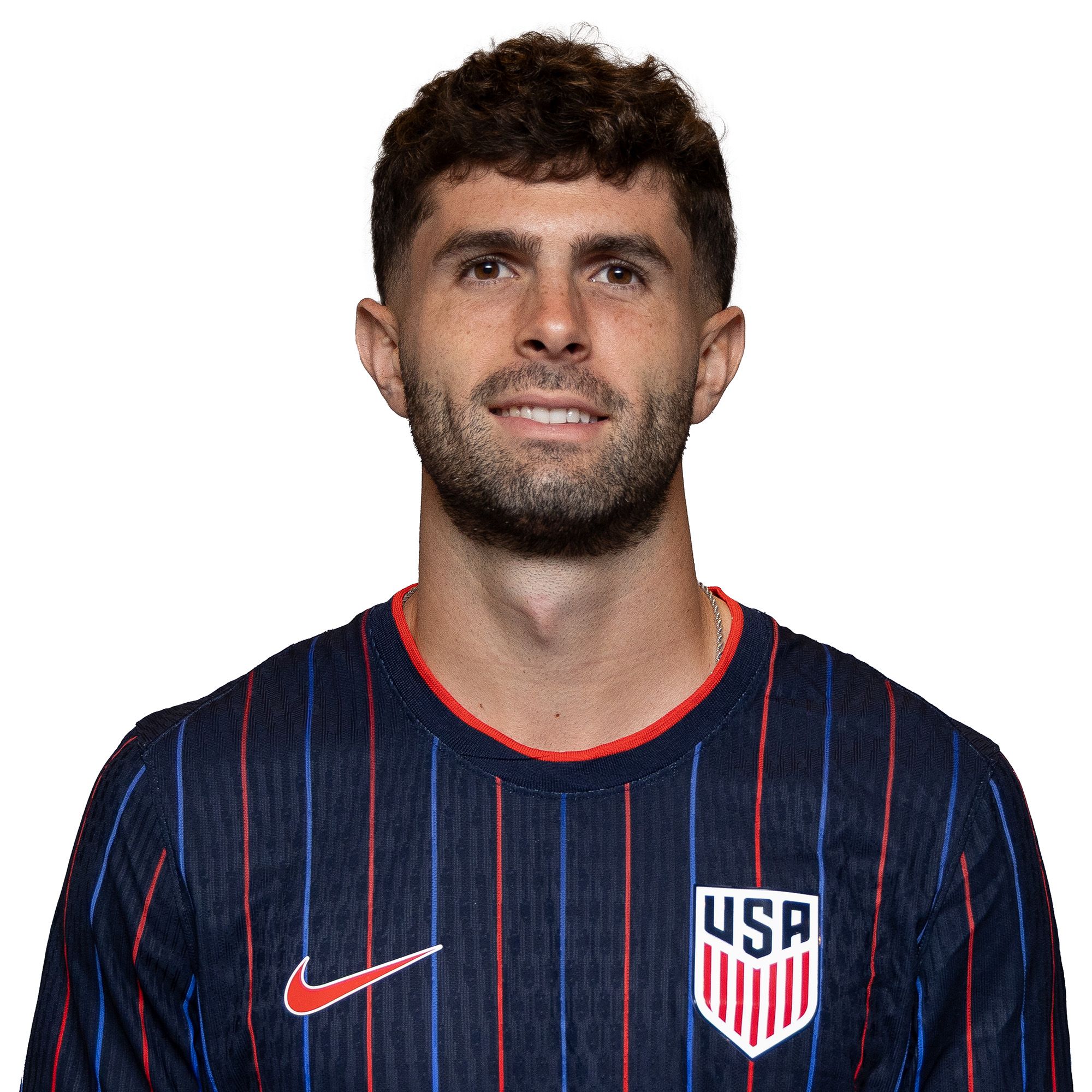
Contextual celebrity photograph from an official U.S. Soccer portrait session, included for football setting.
Below the tiger, Pulisic has Roman numerals reading XII XIII MMXIII. They refer to December 13, 2013, the day he scored and assisted against Brazil for the United States under-17 team. He was only 15, which makes the tattoo feel less like a random date and more like a marker for the moment his future started to look real.
Dates can be tricky tattoos to read in a moving photograph. The wrist bends, the ink can be hidden by tape or a sleeve, and the numerals may sit at an angle to the camera. Still, the date has been consistently reported and the placement fits with the visible band of ink beneath the tiger. It gives the sleeve a timeline: the animal is a personal symbol, while the numerals point back to a specific football memory.
That combination is one of the better ways to build a sleeve. A big image catches the eye, then a smaller line of lettering rewards anyone who looks closer. The date doesn’t need to dominate the arm. It works because it sits in the negative space below the larger design and adds a quiet piece of history.
How the collection changed
Higher up the arm, Pulisic has a bald eagle with an American flag behind it. The design is much more openly connected to national identity than the tiger. He plays for the United States, and the eagle gives that part of his career a strong visual symbol without needing a long explanation.
There is also a crown with the word “Philly” beneath it. Pulisic was born in Hershey, Pennsylvania, but he has a clear connection to Philadelphia sports, including the 76ers. The crown adds a hometown-region reference to an arm that already includes football memories and a very American eagle image.
From a design point of view, the eagle and flag are useful because they occupy more surface area than a small wrist tattoo. They help the upper arm feel finished and give the sleeve a second visual anchor above the tiger. The crown and lettering then bring the scale back down. Big feathers, a flag background, a compact crown and smaller text can sit together without everything competing for the same amount of attention.
Photographs don’t always show the full arrangement at once. A sleeveless match shot may reveal the shoulder but hide the wrist. A raised-arm celebration does the opposite. That is why the safest description sticks to what the images and Pulisic’s own comments support: an eagle, an American flag, a Philly reference and a sleeve built around several personal symbols.
Sources
Contextual World Cup portrait showing Pulisic in a national-team setting.
One of the hardest pieces to read in ordinary match coverage is the long quote on Pulisic’s arm. It comes from Napoleon Hill: “Desire is the starting point of all achievement, not a hope, not a wish, but a keen, pulsating desire which transcends everything.” The lettering runs through the sleeve rather than sitting in a small, separate box.
Long text changes how a sleeve feels. A tiger gives you a single image. A quote creates a direction for the eye, especially when the lines follow the natural length of the arm. The words also add a different texture to the collection. Instead of more shading or another animal, the quote gives the upper arm a readable, almost poster-like element.
It is easy to overstate the symbolism of a quote tattoo, so the straightforward reading is probably the best one here. The words are about ambition and achievement, which makes sense for an athlete who was building a professional career from a very young age. The tattoo doesn’t need a dramatic hidden meaning to fit his story. The message is already clear on the skin.
For tattoo planning, this is a good example of why lettering needs room. A phrase this long can become muddy if it is squeezed into a narrow space or surrounded by too much detail. Pulisic’s sleeve gives the text enough surface to breathe, while the darker images around it stop the lettering from making the entire arm look flat.
Final thoughts
Contextual AC Milan action photograph showing how Pulisic’s movement changes the view.
Another piece on the left forearm is a chess queen. Pulisic has spoken about playing chess with N’Golo Kanté during lockdown, and the design connects to that interest. The word “Mate” appears alongside the queen. It works as a chess reference, but it also has a family connection through his grandfather’s name and Pulisic’s middle name, Christian Mate.
This is one of the more personal details because the design does two jobs at once. At first glance, it is simply a chess piece. Look longer and the lettering adds another layer. That kind of double meaning tends to age well in a tattoo because it doesn’t rely on one public event or one season of a career.
The queen also gives the sleeve a different silhouette from the tiger and eagle. Animals and flags have irregular edges. A chess piece has a more controlled outline, which adds a little structure among the softer shading. On the arm, that contrast keeps the collection from turning into one continuous mass of dark realism.
Conclusion
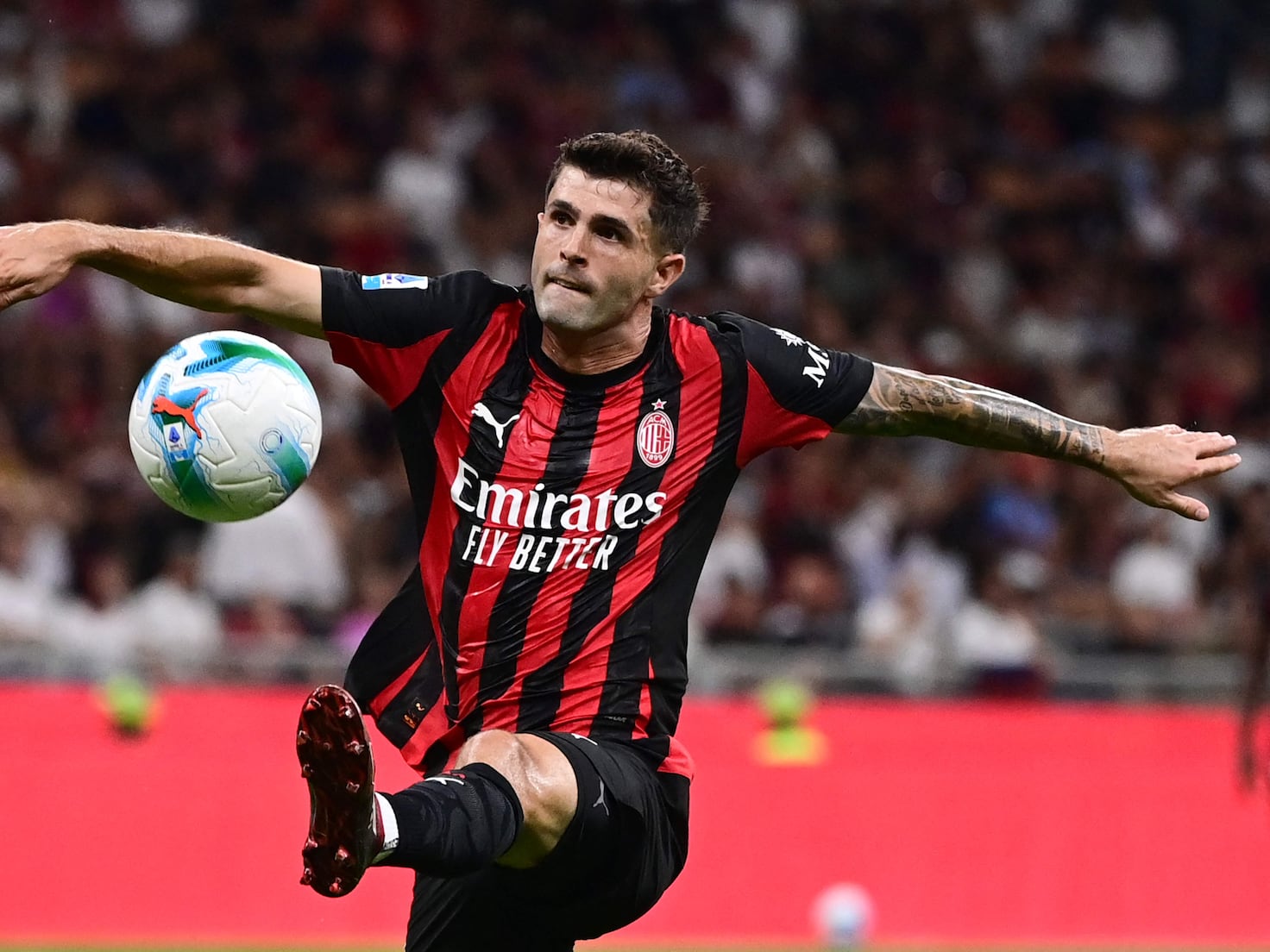
Contextual Italian league action photograph included for football setting.
Pulisic’s sleeve isn’t all solemn dates, ambition quotes and national symbols. He also has a tattoo of Mike Wazowski from Monsters, Inc., shown standing on a Champions League ball. The character brings a much lighter mood to the collection and fits with the way Pulisic has talked about enjoying the film. It is the playful break in the sleeve.
The football is the detail that makes the design feel specific to him. Mike Wazowski alone would be a pop-culture tattoo. Put him on a Champions League ball and the image becomes a small celebration of Pulisic’s career with Chelsea, including the club’s 2020–21 Champions League win.
Playful tattoos can be useful in a sleeve because they interrupt the seriousness of the darker pieces. A cartoon character has a different line quality and a different emotional temperature from an eagle or a quote. It stops the arm from reading like a formal memorial wall. The collection can hold ambition, family, country, football and a favorite movie without forcing all of them into one style.
Ideas to borrow without copying
Pulisic’s tattoos are a good reminder that a sleeve doesn’t have to be planned as one giant image. The arm appears to have grown over time, with new designs adding different kinds of meaning. The tiger supplies the instantly recognizable centre. The Roman numerals keep an early football memory close. The eagle, flag and Philly crown widen the personal geography. The quote adds words, the queen adds a private reference, and Mike Wazowski keeps the mood from becoming too heavy.
There are a few practical ideas worth stealing. First, choose one piece that can carry the visual identity of the whole sleeve. Second, leave room for lettering instead of treating it as an afterthought. Third, let a smaller or funnier tattoo change the rhythm. A collection becomes more believable when every design doesn’t try to be the biggest or deepest one.
The photographs also show why placement matters as much as the drawing. Pulisic’s tiger works in a celebration because the forearm can turn toward the camera. The quote reads along the arm instead of across it. The upper-arm eagle gives the sleeve scale. Even the queen and the cartoon character benefit from being part of a larger arrangement rather than floating alone.
If you like the look but don’t want a full sleeve, the easiest starting point is the same one Pulisic’s collection uses: pick a focal image, then build around your own dates, people, places or obsessions. You don’t need to copy a tiger or an eagle to borrow the layout. What makes the arm work is the mix of large imagery, compact lettering, personal references and one piece that doesn’t take itself too seriously.
Christian Pulisic’s ink is recognizable because it has a clear visual hook, but it stays interesting because the rest of the sleeve isn’t just variations on that hook. The tiger may be the photograph everyone remembers. The date, quote, queen, eagle, Philly lettering and Mike Wazowski are what make the collection feel like a person rather than a brand.