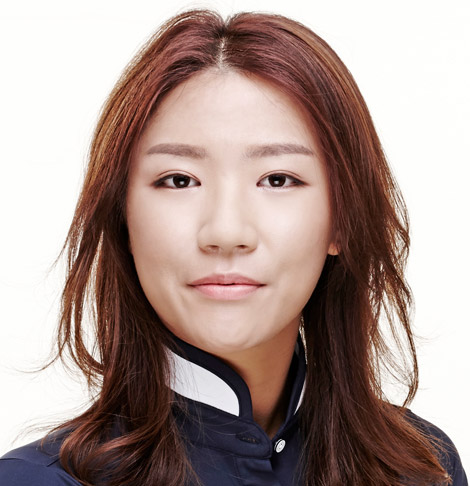
Lydia Ko’s tattoos are small and specific. The design that drew attention in 2025 links her three Olympic medals to the cities where she won them.
Ko won silver in Rio de Janeiro in 2016, bronze in Tokyo in 2021 and gold in Paris in 2024. She worked with her regular artist in South Korea on a fine-line skyline built from those places.
The Olympic skyline tattoo
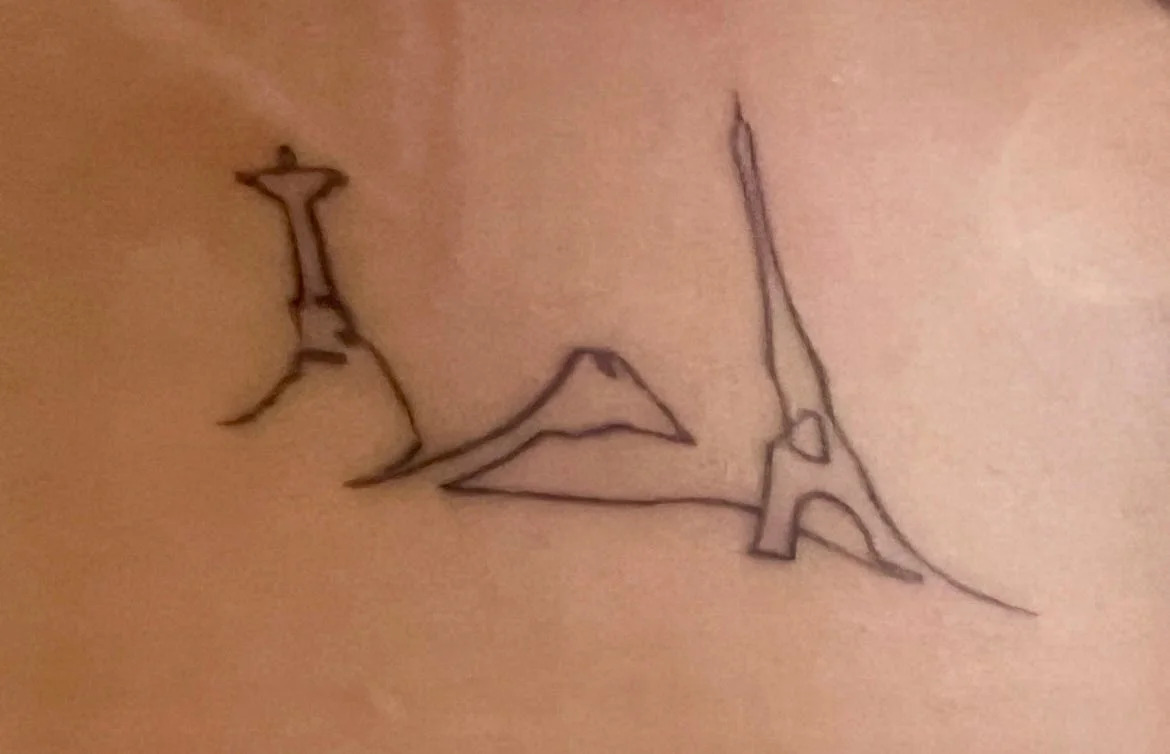
The arm design uses Christ the Redeemer for Rio, Mount Fuji for Tokyo and the Eiffel Tower for Paris. Each landmark is sized to match the medal: Rio is smallest, Tokyo sits between it and the largest Paris landmark, which marks her gold.
The differing sizes give the sequence a clear order without turning it into a scorecard. At first it reads as a small landscape; the medal story comes through when you recognize the landmarks.
The line is light and sketch-like. Christ the Redeemer is a narrow silhouette, Fuji a low triangle and the Eiffel Tower an open outline. The shapes reward a closer view rather than relying on heavy detail.
First marks
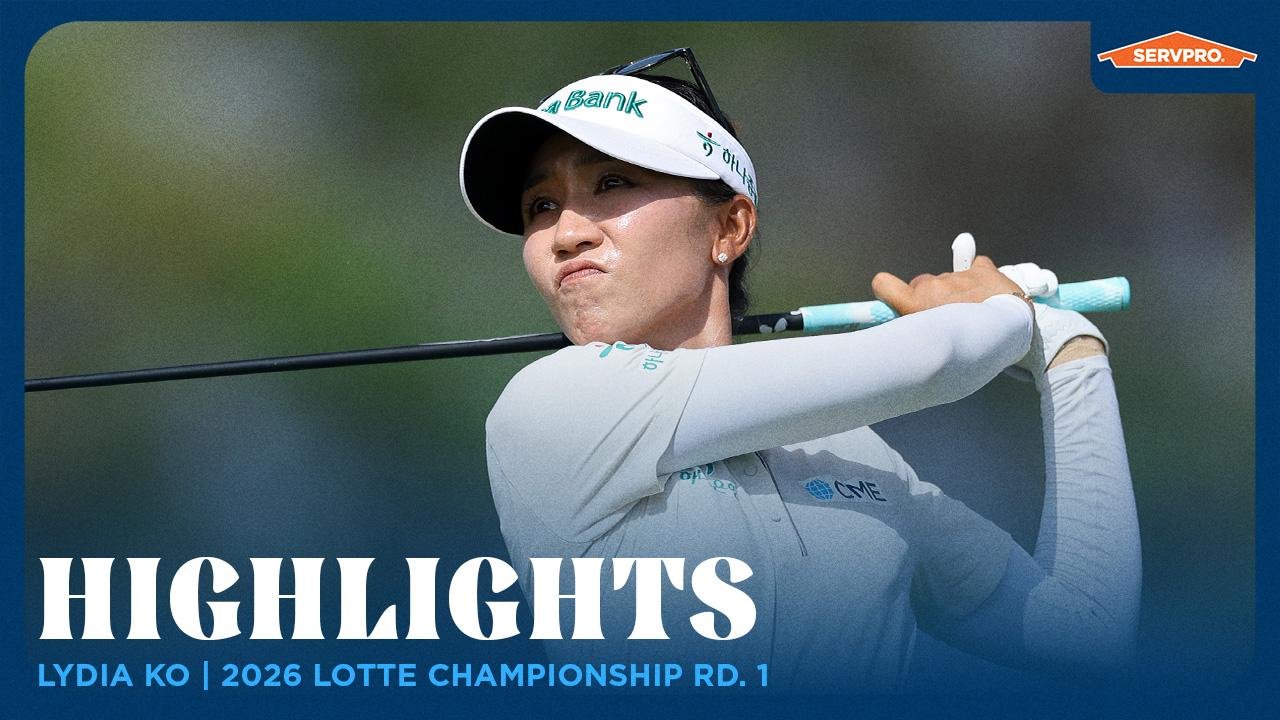
Ko got her first tattoo at 16 after winning her first LPGA Tour event. Roman numerals on her right wrist mark the victory date, tying the design to a specific milestone without spelling it out.
She got the Olympic rings after her first Games in 2016. The skyline extends that idea: it connects the three Olympic chapters and the cities where they happened.
The pieces stay small, with open space around them. Ko’s collection uses fine lines and restrained placement rather than a dense sleeve or large scene.
On the course
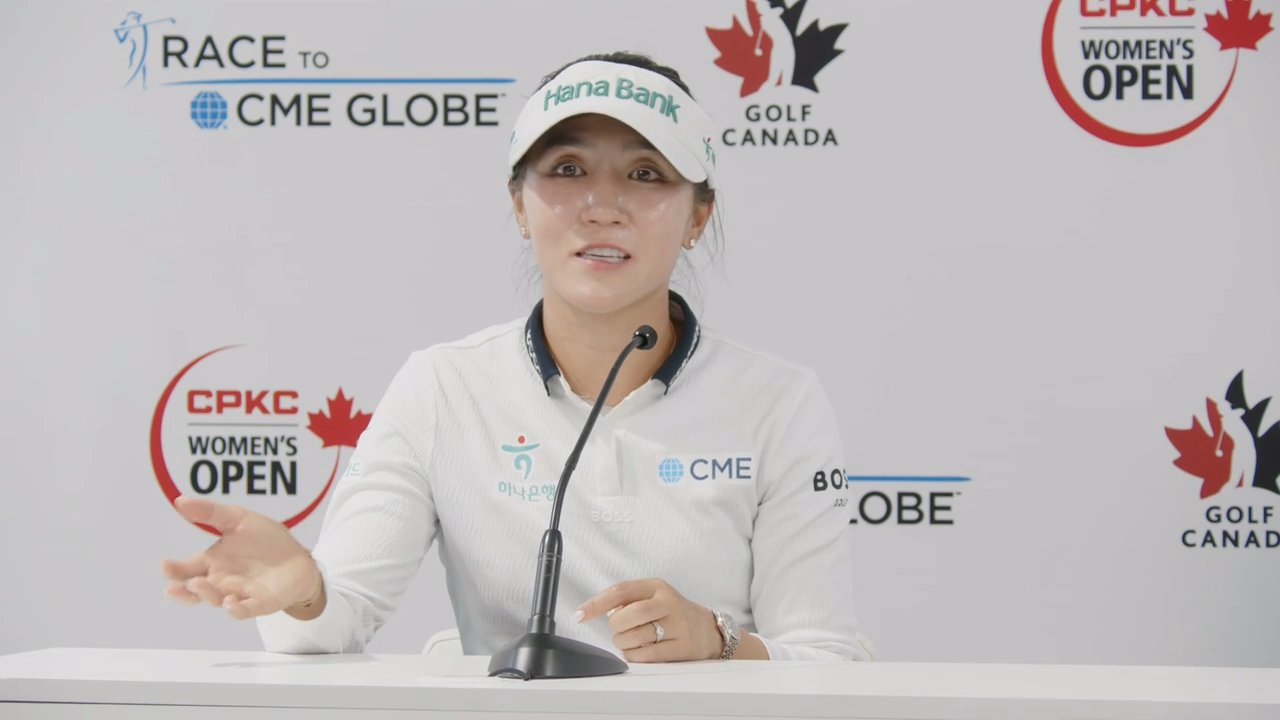
Ko turned professional as a teenager, became the youngest amateur winner in LPGA history, reached world number one at 17 and became the youngest player to qualify for the LPGA Hall of Fame under the criteria cited in the article.
Those are major milestones, but the tattoos remain compact. The skyline doesn’t need a date beneath every landmark; Ko knows which Games each one represents.
Using the cities keeps the design tied to more than medal symbols. Each place stands for a trip and competition as well as a result, without writing out every detail.
The sequence
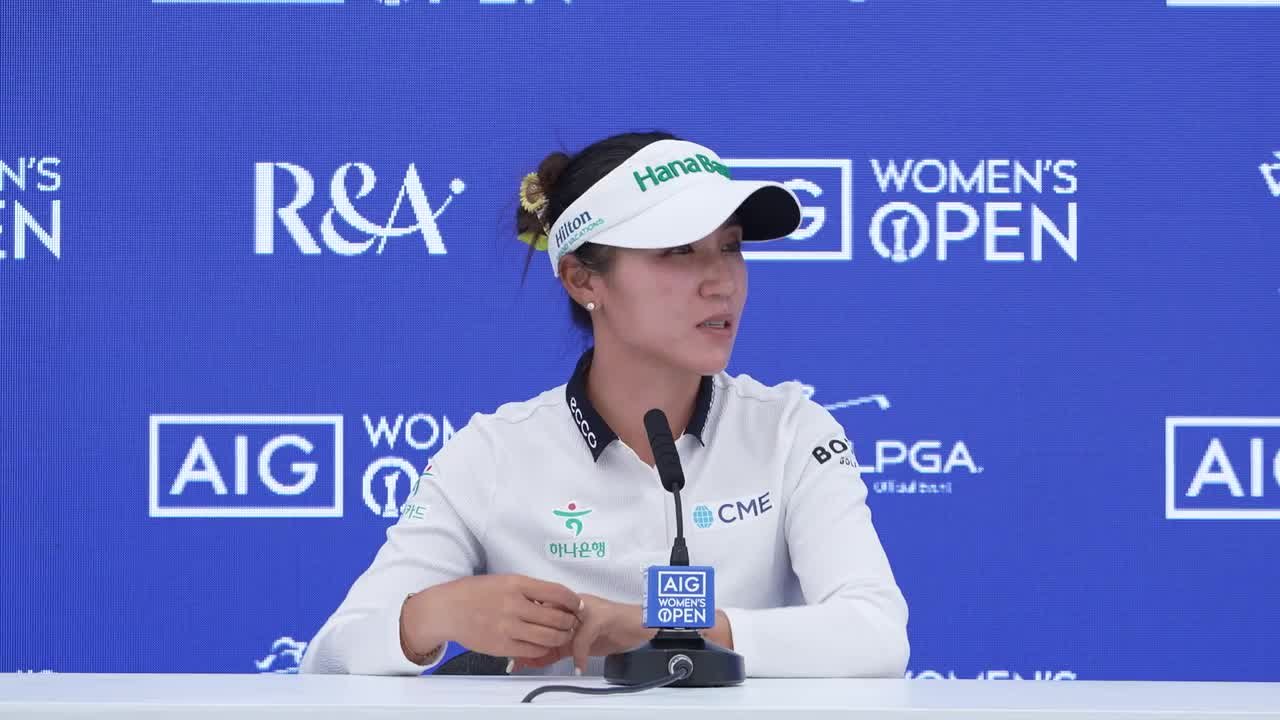
Christ the Redeemer marks Rio and the silver, Mount Fuji marks Tokyo and the bronze, and the Eiffel Tower marks Paris and the gold. The left-to-right sequence reads like a small timeline.
The landmarks are simplified rather than drawn as detailed postcards. At this scale, clear outlines and space between them help the design stay legible.
For a travel-inspired tattoo, three recognizable silhouettes connected by one line can carry a larger story without turning into a full map. Ko’s larger Paris landmark also gives the sequence visual balance.
A closer look
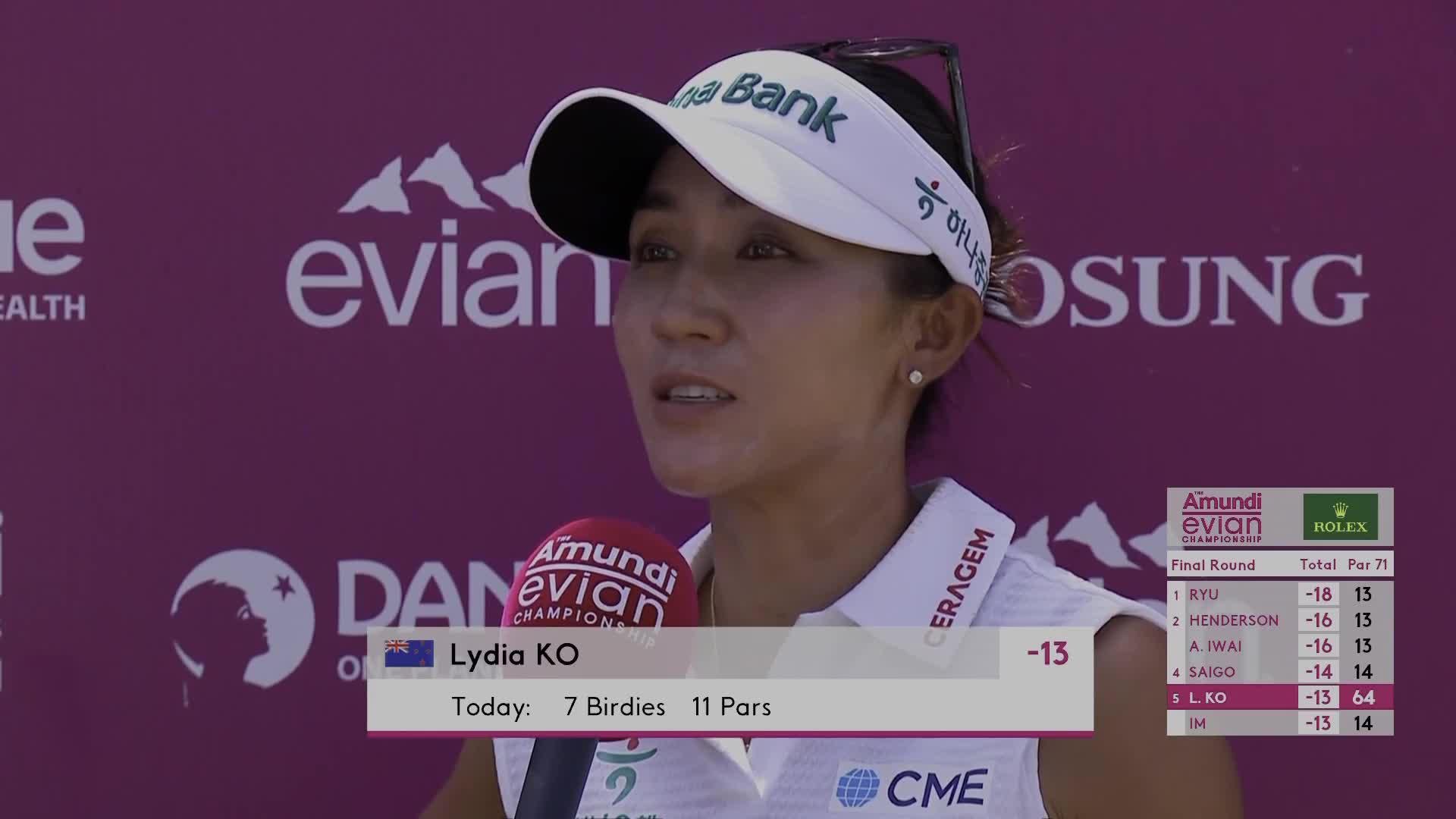
The piece avoids the obvious shorthand of medal-colored circles, a large 2024 or a golf club. It uses landmarks that are specific to Ko’s Olympic history.
The skyline sits beside her Olympic rings and the Roman-numeral date. Together, the tattoos mark a first win, her Olympic debut and the three-Games medal sequence.
The landmarks are familiar, but their order gives them a private reference. In Ko’s design, Paris means the gold that completed the set; the context changes what the image says.
Ideas to borrow without copying
If you like this structure, start with three places that matter to you and choose one clear landmark from each. An artist can arrange them to follow the curve of your arm.
A commemorative tattoo doesn’t need to look like a plaque. A date, a few numerals or a line of landmarks can hold a long memory without displaying every detail.
Fine-line outlines need enough room between shapes. Discuss viewing angle, size and how much detail can remain readable as the arm bends and moves.
Ko’s sequence has a clear beginning and end. If your own places don’t form a timeline, an artist can balance them by height or visual weight instead.
For Ko, one line links Rio, Tokyo and Paris with silver, bronze and gold. The skyline records the route as well as the results.
The medals were won in public; the tattoo stays understated. The landmarks are widely recognized, but the sequence belongs to Ko’s three Olympic experiences.