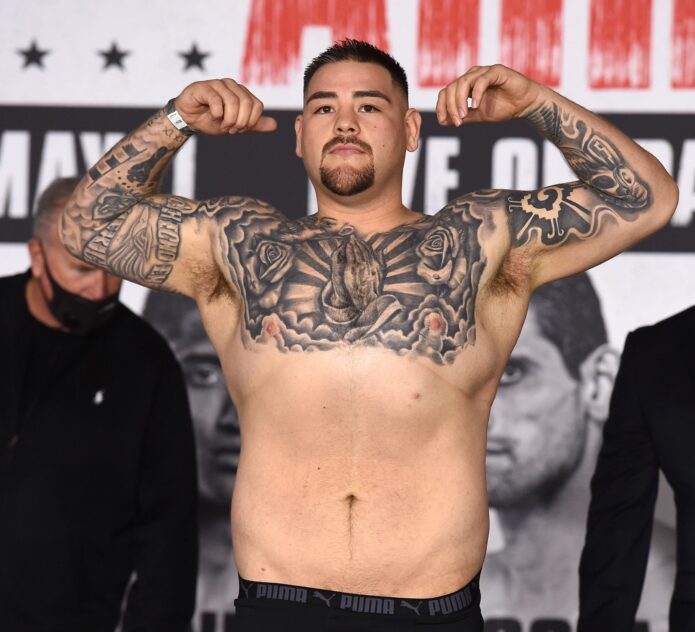
Andy Ruiz Jr.’s tattoos cover most of his upper body. The former heavyweight champion has ink across his chest, shoulders, arms, neck, and back. From the front, black-and-gray work frames his torso. The back piece is larger still, running from his neck down across his back.
If you like religious imagery, roses, lettering, portraits, or tattoos that follow the body’s shape, Ruiz’s collection offers a few clear placement ideas. The pieces have different roles: some read in a quick weigh-in photo, while others need a closer look or a full view of his back.
The collection has grown over time. His chest and sleeve work came first; the later back tattoo adds a much larger centerpiece. The designs vary, but similar shading, line weight, and religious imagery help them sit together.
This guide looks at the parts visible in public photos: the central chest design, praying hands, roses, arm lettering and sleeve work, and the back piece with an angel and the word “Victorious.” The point isn’t to copy Ruiz’s tattoos. It’s to look at how the placement works and how you might adapt the ideas to your own body.
Andy Ruiz Jr.’s chest tattoo sets the whole look
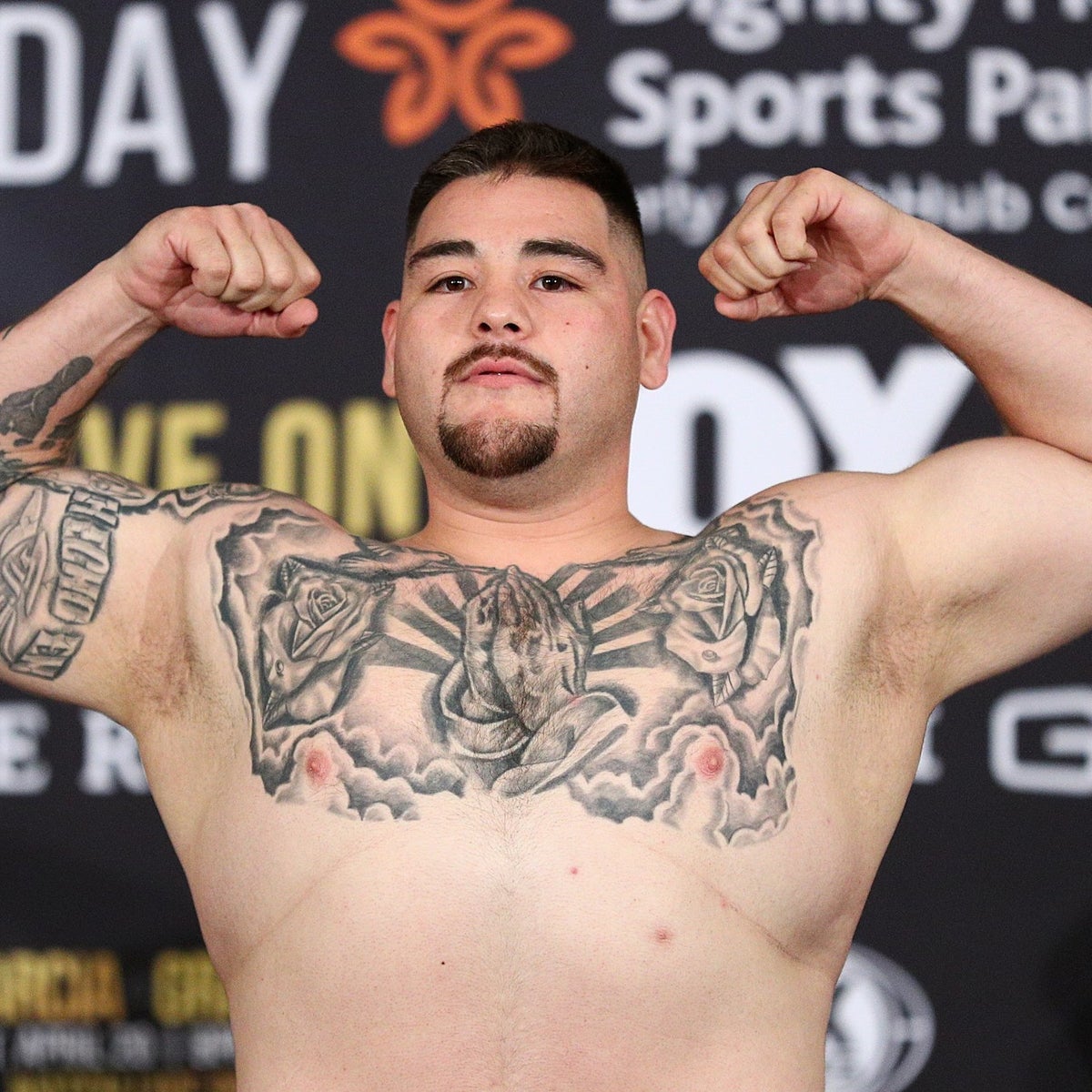
In a clear weigh-in portrait, the chest design stretches from one shoulder to the other and down toward the upper stomach. Praying hands sit at the center, with light, cloud-like shading around them. Roses on either side fill the width of the chest and keep the hands from looking like a symbol placed on its own.
The artist had to make the design work with the body’s movement as well as its shape. The pectorals read like two connected panels. Darker lines near the shoulders draw the eye toward the middle, while lighter shading leaves some space along the lower edge.
A chest tattoo feels more finished when the outer edges have a plan. It doesn’t need perfect symmetry, but the artist should know where the piece ends, where to leave skin open, and how later work could connect. The roses soften the border around Ruiz’s central image and help the chest read as one design.
If you’re planning a similar piece, begin with your own proportions instead of a flash sheet. Check the width from armpit to armpit and decide how far the design should wrap around your ribs. The subject can be religious, floral, or something personal. Give it room, and let the surrounding shading support it.
The praying hands tattoo anchors his chest
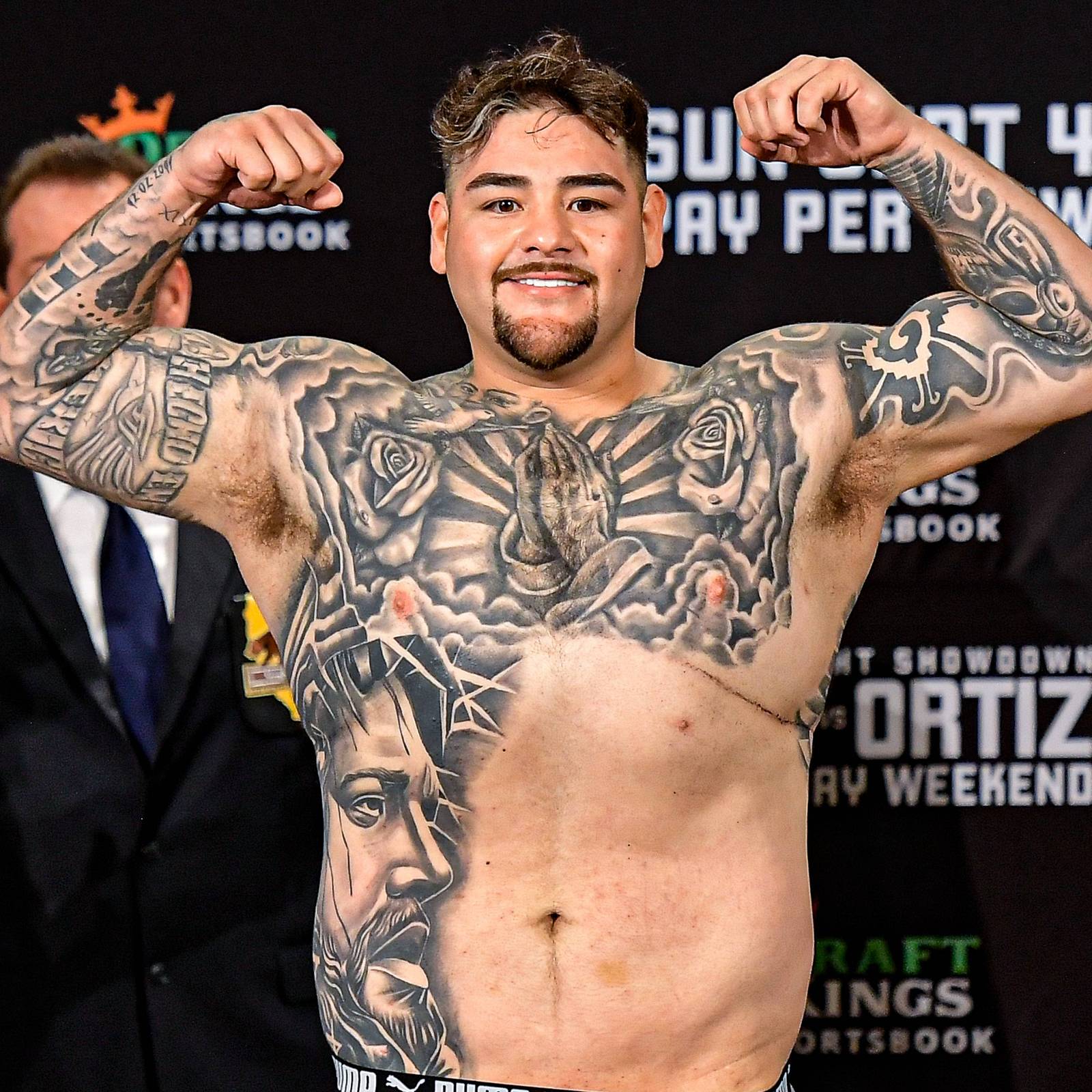
The praying hands are the first thing many people notice in Ruiz’s front-facing photos. They sit in the middle of the chest, then the eye moves out to the roses and darker sleeve work. That clear focal point helps a large tattoo avoid feeling like one solid patch of detail.
Religious imagery can carry personal meaning, but its shape matters too. The hands form a vertical line: the fingers point upward and the wrists meet below. Rays or clouds spread out around them, giving the center room against the wider background.
The shading keeps the hands distinct. Darker areas behind them add contrast, and lighter gaps keep the whole chest from becoming one heavy block. That contrast helps a detailed image stay readable as the tattoo ages.
Think about how you want the design to sit on your torso. A straight-on image can feel formal; a slight curve may follow the chest more naturally or connect with shoulder and rib work. Ask to see the stencil while you’re standing normally, not only with your chest pushed out.
Scale matters here. Small praying hands can work on an upper chest or inner arm, but Ruiz’s composition needs space for the fingers, rays, and flowers. If you want that level of detail, give the design enough skin to hold it. Shrinking a complex image can make it harder to read.
The arm lettering and sleeve work add a clear identity
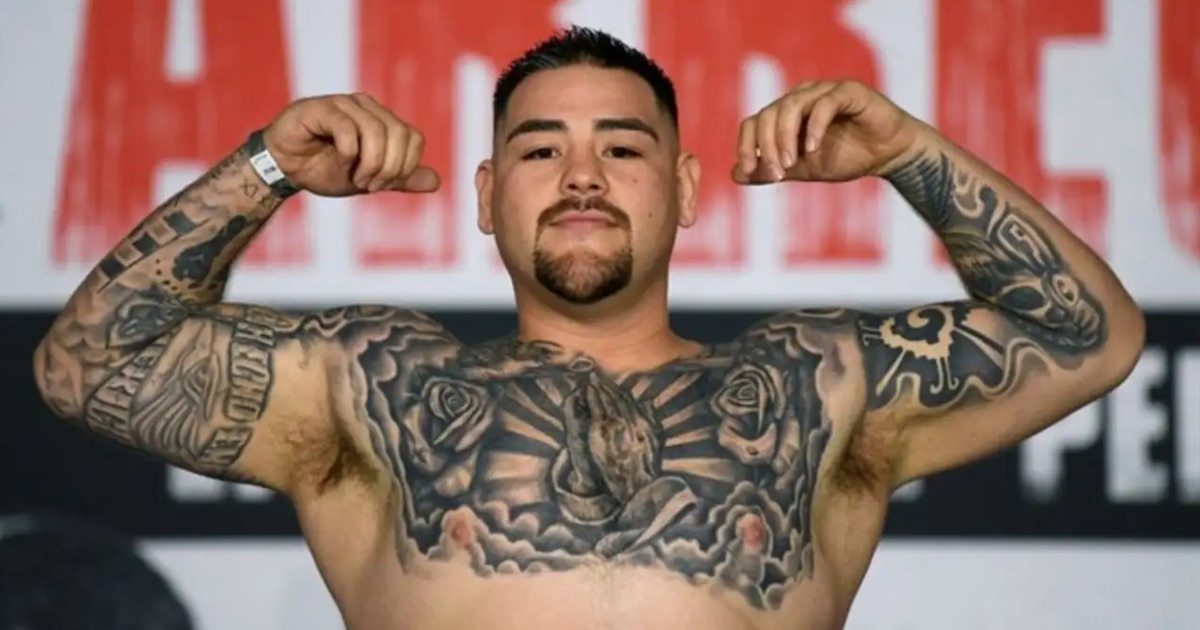
Ruiz’s arms combine lettering, dark ornamental shapes, and portrait-style work. In photos, the designs wrap around the biceps and forearms instead of sitting like separate stickers. Some parts are dense; small gaps of skin give the words and symbols room to show.
One reported phrase in his collection is “Hecho en México,” a reference to his Mexican identity. The arm gives the words a natural line to follow along the muscle, with black-and-gray work around them. It’s a personal detail without needing a large flag or bright color.
Lettering needs room to age. Fine lines can soften over time, especially on a busy forearm. Ruiz’s heavier style is one way to keep words legible: use a firm outline, space the letters, and keep the surrounding work quieter where the text needs attention.
Related shading can also help tattoos from different sessions fit together. You don’t have to plan a whole sleeve at once, but it helps to tell your artist how dark and dense you want the finished arm to be.
If you’re adding words to a sleeve, consider how the skin moves. The outside forearm is easy to show, but it shifts when you turn your wrist. Check the stencil from a few angles so the lettering sits well in ordinary positions.
The Victorious back tattoo changes the scale
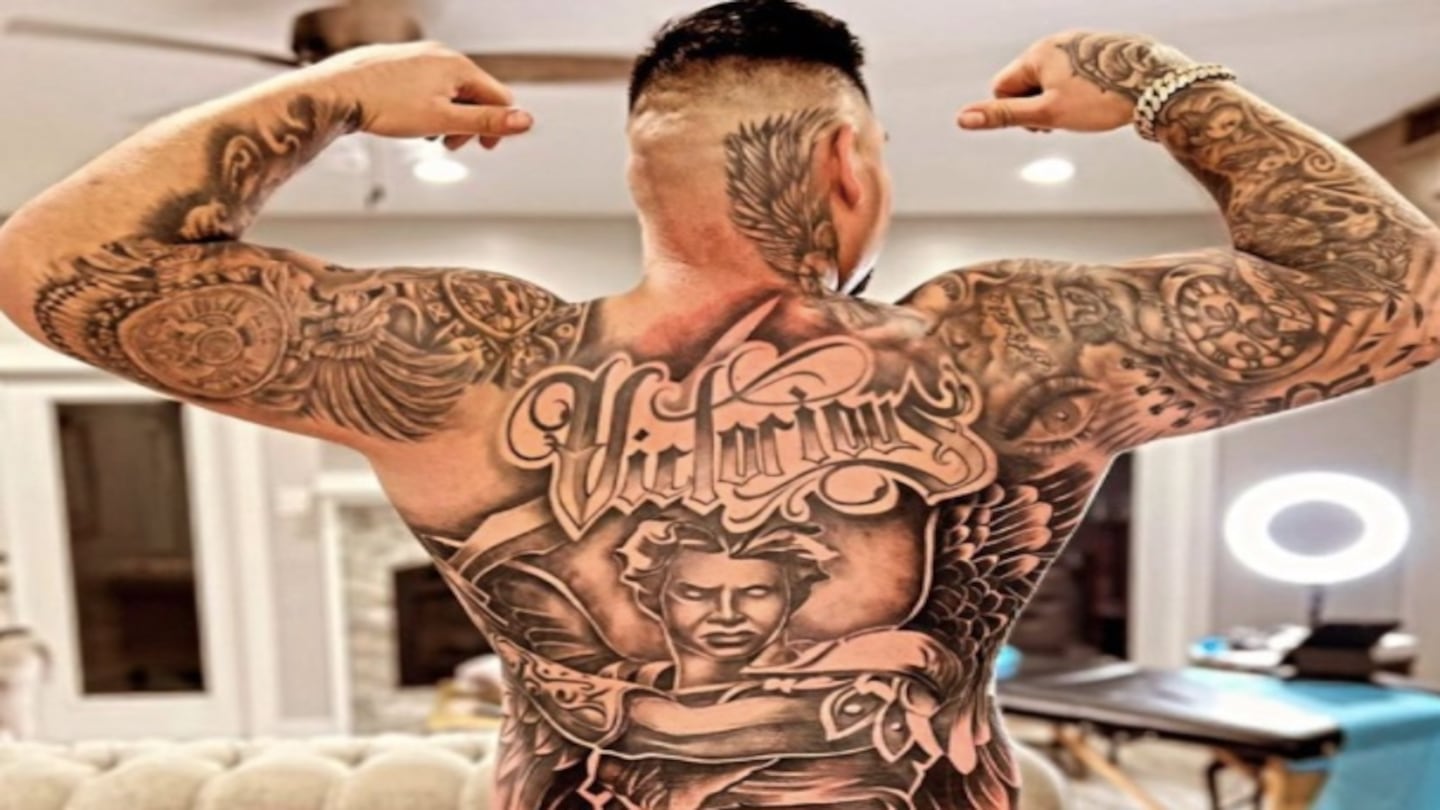
The back tattoo is a much bigger project. Ruiz has a design that starts at the neck and runs down across the back toward the lower body. It includes an angel or winged warrior, the word “Victorious,” and decorative shading around the main figure. The piece is meant to read as a whole, not as a small mark between the shoulder blades.
The lettering across the shoulders catches the eye first. Below it, the figure gives the tattoo a vertical center. Ruiz already has ink across his arms and shoulders, so the black-and-gray treatment also helps the back piece sit alongside that older work.
Victorious works as part of the composition, not just a caption underneath it. The word is large enough to read as an image from a distance, before someone can make out every detail.
A full back tattoo should be designed for a body that moves. The spine, shoulder blades, waist, and lower back shift as you bend or twist. A central figure can follow the spine while wings or ornamental lines spread over the shoulder blades. Good placement makes the design follow the body.
A piece this large may take several sessions, and healing can affect training, clothes, and sleep. Talk through the order of the work before starting. Beginning with the main figure and adding the background later can help keep the focal point clear.
Newer ink makes the collection feel lived in
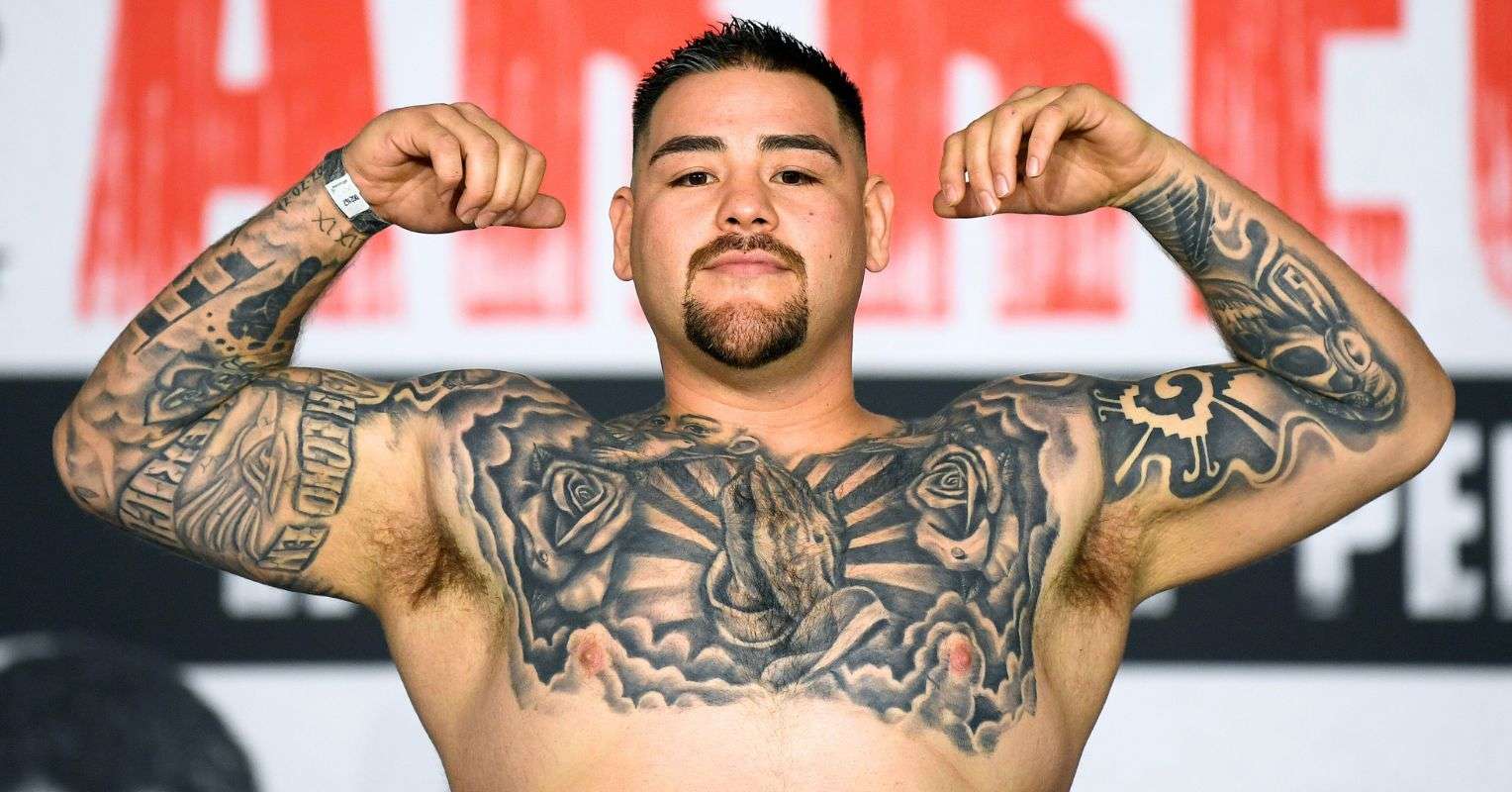
The newer tattoos add to Ruiz’s older work. In press portraits, you can see designs across his chest, arms, and side. A portrait or large shaded area can sit beside roses and lettering without every piece matching exactly.
That kind of collection builds as people go. Some tattoos are large and central; others fill a space or mark a different time. Ruiz’s black-and-gray shading, religious references, and large placements give the work a shared feel, even when individual pieces differ.
Clothes change which tattoos stand out. A bare chest shows the full composition; a T-shirt brings the arms forward; a boxing robe can cover nearly everything except the hands and neck. If you’re choosing a spot for a new tattoo, consider when you want it visible and when you don’t.
The best celebrity tattoo inspiration is usually a placement idea, not a direct copy. You might like Ruiz’s central chest image but choose a family portrait, flowers, or a symbol of your own. You can borrow the scale of his back piece without using the same angel or lettering. Keep the structure that appeals to you and choose a subject with personal meaning.
The praying hands and roses make Ruiz’s chest easy to recognize. His sleeves carry the black-and-gray work down his arms, and the “Victorious” back tattoo gives the collection a second focal point. Together, the pieces follow the shape of his body.
If you’re planning a larger project, start with the area you want to define and choose one focal image. Decide how much open skin to leave around it, and consider where future work could go. An artist can help connect separate tattoos without forcing them into one theme. Ruiz’s collection shows how placement can follow the body as the work grows.
The video below offers another view of Ruiz’s chest, arms, and back beyond a single press photo.
One thought on “Andy Ruiz Jr. Tattoos: Praying Hands, Back Ink and More”