
DDG’s tattoos mix large, easy-to-spot pieces with small details that show up only when he turns a hand, lifts a sleeve or leans toward a camera. Together, they touch on family, Pontiac, faith and short reminders he keeps close. The collection feels like a record of ideas added over time, rather than one design planned all at once.
If you like tattoos with stories but don’t want every inch of skin covered, DDG’s mix is worth a look. It moves between black-and-gray work, lettering, Roman numerals and small symbols. The pieces vary in size and style, but they don’t all need to match.
This guide focuses on designs that show clearly in photos and interviews. DDG has explained some of them; others are harder to identify. Where the details are uncertain, it’s better to describe what can be seen and leave the meaning open.
DDG’s arm sleeve is built around numbers and movement
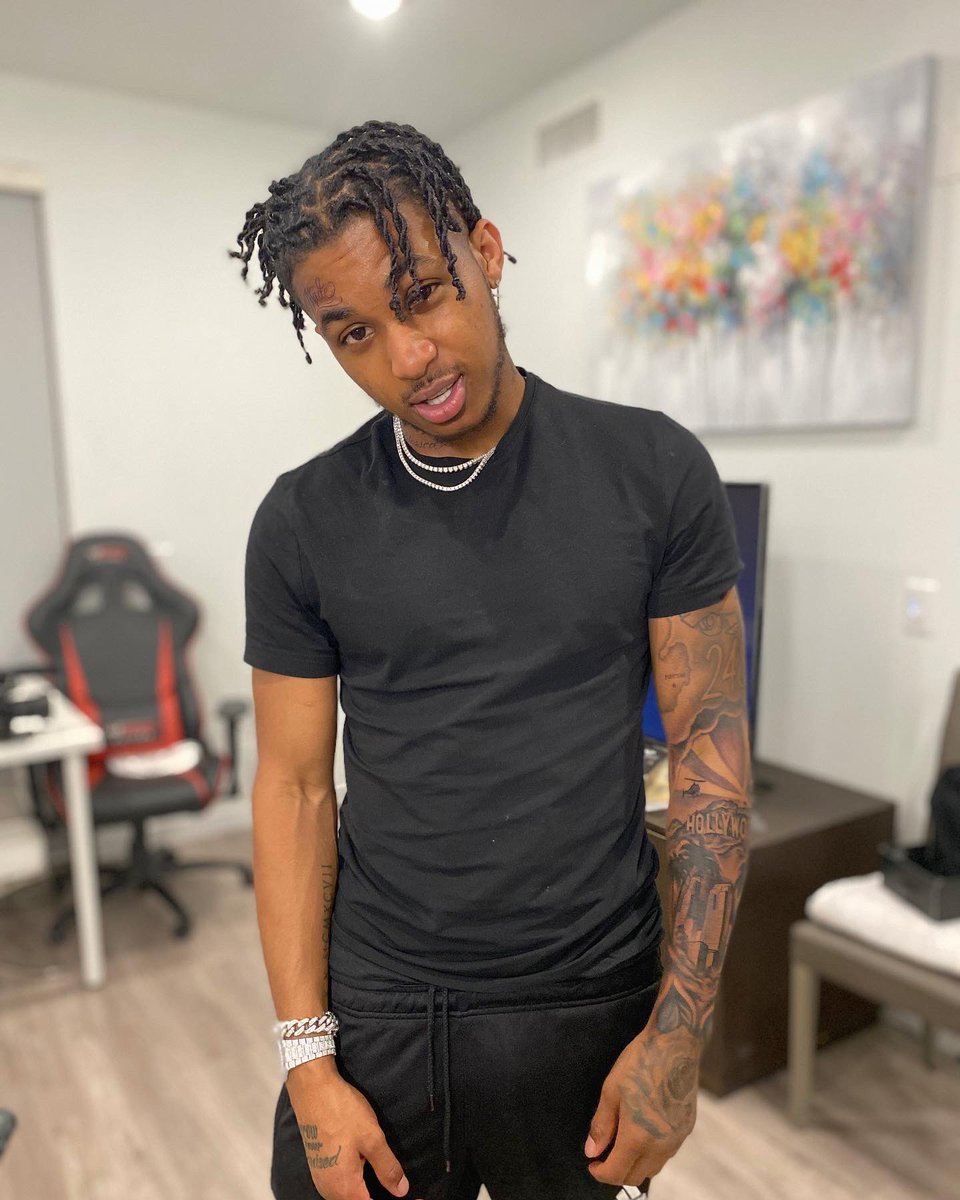
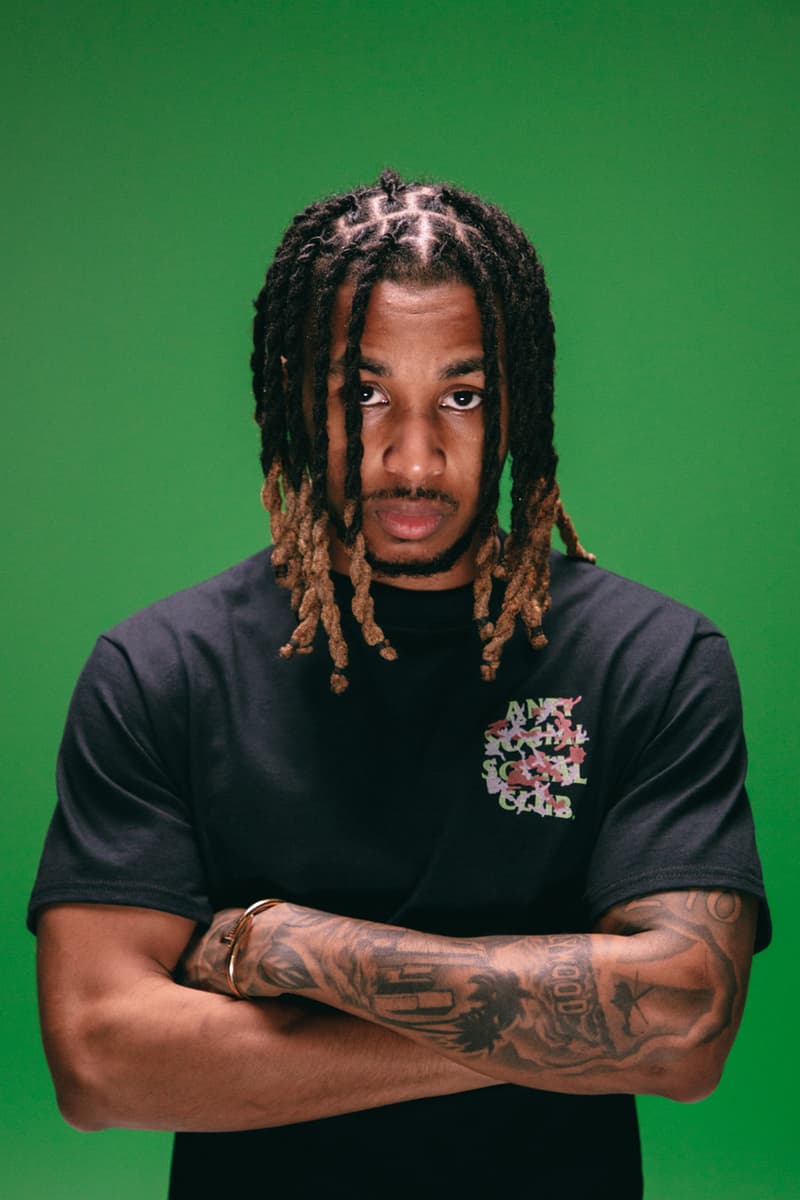
His arm tattoos make the strongest first impression. Clear photos show ink running across the forearms, with numbers, shaded shapes and lettering leading from one design to the next. No single image takes over the whole arm, so the sleeve still has movement when he gestures or holds a microphone.
Black ink carries most of the weight, and the gaps between designs keep the arm from reading as one dark block. If you’re planning a sleeve, open skin can let the main pieces stand out while the arm still feels filled.
Text sits beside more graphic work. The lettering gives the eye something to read, and the shading around it ties the words into the shape of the arm. If a phrase crosses an elbow or wrist, check how it looks when the joint bends; a flat-screen mockup won’t show that.
The pieces also show why it helps to think beyond the next tattoo. Smaller designs can build into a sleeve over time, but planning their placement early leaves room for a piece that needs space, especially on the forearm where it’s easy to see.
The 248 tattoo gives the collection a hometown anchor

The number 248 is one of the easiest parts of DDG’s ink to recognize. It points back to Pontiac, Michigan, and gives the collection a hometown reference. A few digits can carry a place or a starting point without needing a picture of it.
A location tattoo doesn’t have to be a map or street sign. An area code, transit number or neighborhood abbreviation can make the same kind of reference in a compact design. It’s easy to wear and easy to read without a long explanation.
DDG has described the Roman numerals on his arm as a birthday reference. That gives them a personal purpose beyond decoration. A tattoo can look simple to someone else and still be specific to the person who wears it.
For a number tattoo, the font changes the feel. Roman numerals look traditional and ordered; block numbers are more direct, while a handwritten style can feel softer. When the number already carries meaning, a simple treatment can be enough.
Placement matters too. An outer forearm keeps the number in view; a date near the ribs, chest or upper arm can feel more private. Check how the digits read with your arm relaxed and bent. A small change in spacing can make the tattoo look clear or crowded once it heals.
DDG’s family-name tattoo scroll is the most personal piece
DDG has said his first tattoo was a scroll of family names, which he got at eighteen. That history gives the design a purpose beyond decoration: it keeps the names of relatives close. It remains one of the more personal pieces in his collection for that reason.
A scroll gives a list a clear shape. The words can follow the curve of the body, while the rolled ends add detail around the names. It’s a familiar format, but the story behind this one makes it specific to DDG.
The hometown number tells viewers where he’s from; the scroll names the family members he chose to include. Both ideas are easy to read, though the list invites a closer look. They give the collection more than one kind of story.
If you’re considering names, check the lettering at the size it will be tattooed. A typeface that looks elegant in a large mockup may lose its thin lines on skin. Leave enough room between names, and confirm their order and spelling before the appointment.
The family scroll doesn’t have to be the biggest tattoo to matter most. It can sit among larger pieces and still be the personal center of a collection. A scroll, banner or framed list gives names a structure without needing extra decoration.
The hand tattoos add small messages and strong contrast
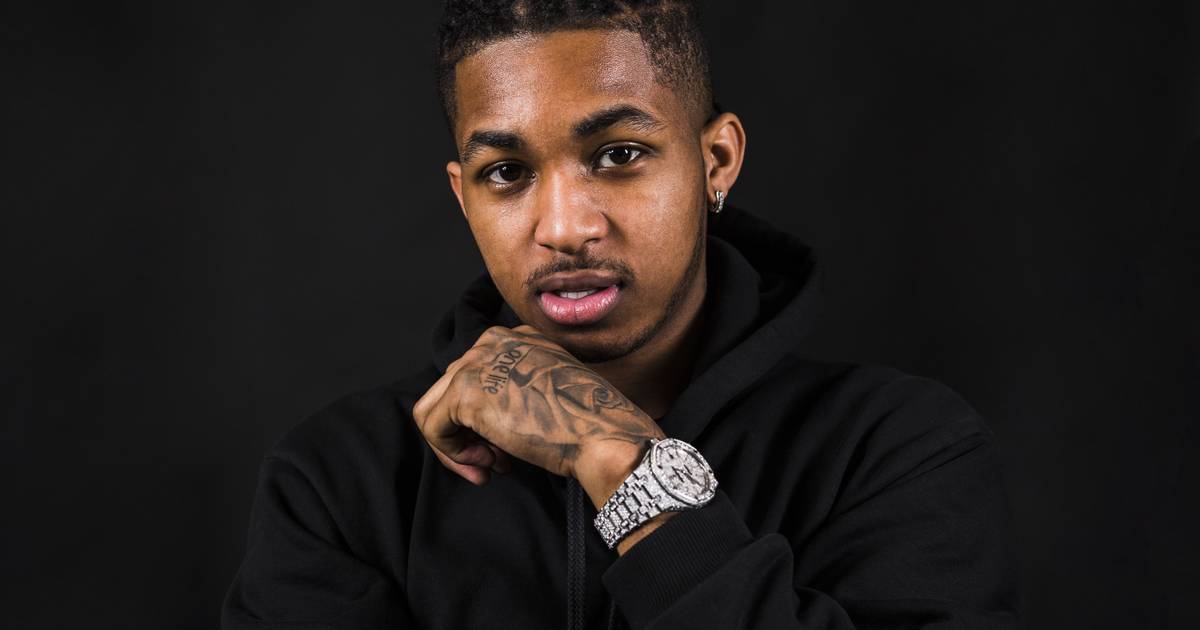
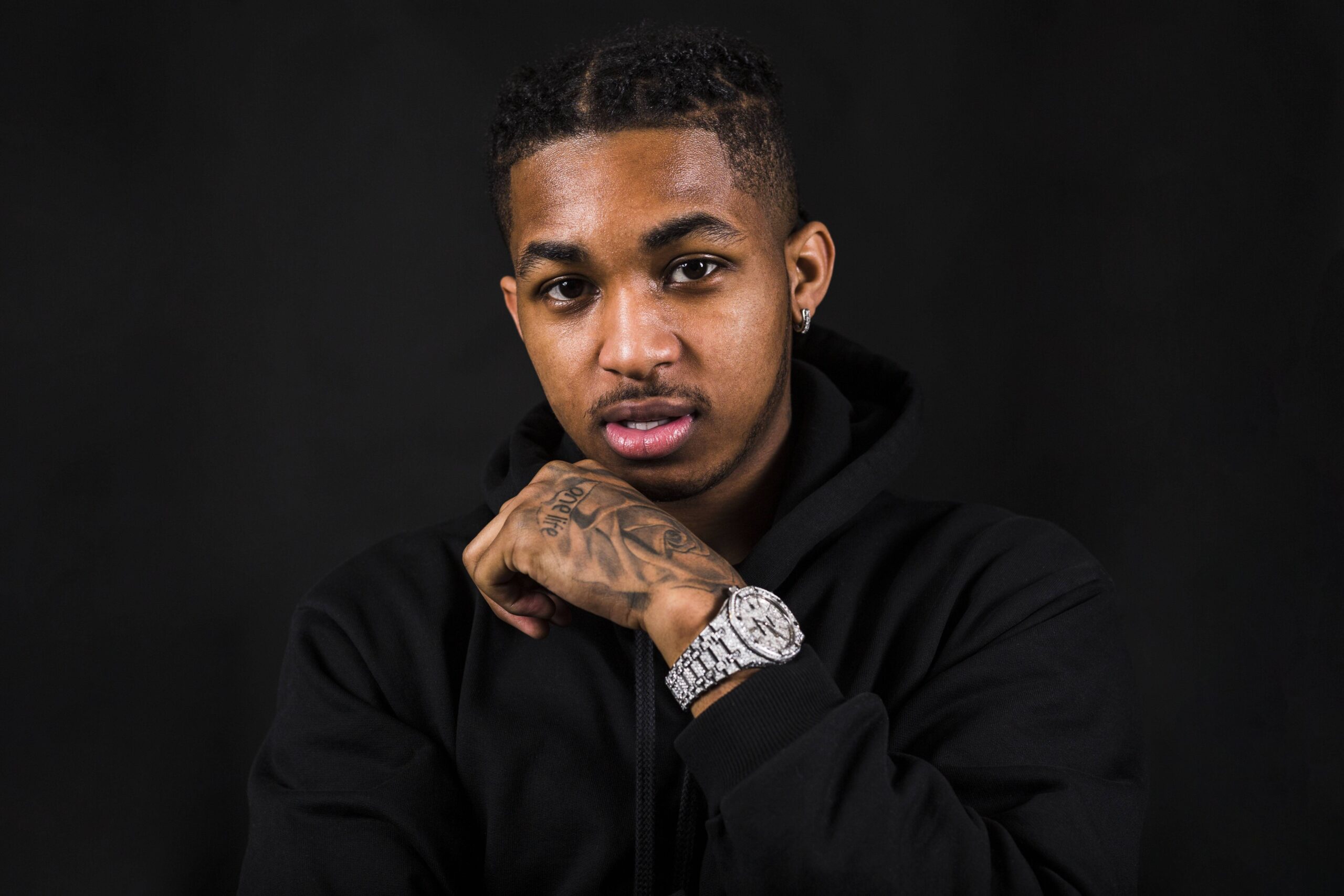
The hand ink sits close to the face in many portraits, so even a small word or symbol can catch the eye. DDG’s hand tattoos include short messages such as “one life” and “tomorrow is never promised”, along with a rose that has been described as a symbol of balance. The phrases are brief, but they give the designs a personal note.
Short lettering works on the hand because it can be read quickly. There isn’t much room for a long quote, so the idea has to be pared back to a few words. If you like the look, try several versions of the phrase before choosing one. The clearest option may be the one with the least text.
The rose brings a different shape to the hand. The words are direct; the flower can carry different associations, depending on the wearer. In DDG’s collection, it has been described as a symbol of balance and keeps the hand work from being all lettering.
Hands move constantly, and small lines can fade or blur sooner there than on less active skin. That doesn’t make a hand tattoo a bad choice, but the design needs enough weight to stay readable. Clear lettering, good spacing and an artist who knows the placement all matter.
“One life” and “tomorrow is never promised” both point to time and urgency. The birthday numerals and hometown number carry identity in a different way. Together, the details make the collection feel more considered than a set of unrelated symbols.
The chest and neck ink finish the DDG look
DDG’s chest tattoo is associated with Philippians 4:13, a Bible verse often linked with strength through faith. The words sit close to the center of his body, giving the tattoo a more personal feel even when it’s visible in an open shirt or stage outfit.
The neck tattoo reads DDG. It’s direct and hard to hide, unlike a family scroll or date. Instead of pointing to a memory or belief, the lettering puts his name in a prominent place. The chest and neck show different sides of the collection: a verse kept close and a name plainly on view.
Placement does much of the work here. Chest lettering can stay private until the wearer chooses to show it; neck ink is visible with most outfits. If you’re choosing between those areas, think about how often you want the tattoo seen. A neck piece changes the look of everyday clothes, while a chest tattoo can be covered.
These tattoos give the collection different roles. The arms have movement and detail; the hands carry short reminders; the chest holds a faith reference and the neck carries his name. With each area doing something distinct, the pieces can sit together without competing, even if they were added years apart.
Putting the ideas together for your own collection
The useful idea in DDG’s tattoos isn’t one design to copy. It’s the way family, hometown, faith, time and identity appear in different sizes and places. The full mix is recognizably his, but the approach can work with stories of your own.
Write down the things you actually want to carry with you: a family name, a place, a date, a short phrase or a symbol. Then decide which ideas you’re comfortable showing and which you’d rather keep closer to the body. That makes placement a real choice instead of an afterthought.
Pick a visual style that can connect the tattoos without making them all look alike. DDG’s collection uses black ink, lettering, numbers and familiar symbols. You might prefer fine lines, traditional color or geometric shapes. A shared line weight, spacing or type style can tie the pieces together while each one keeps its own meaning.
Think carefully about highly visible spots. Hands and neck are on display most days; the chest and upper arm give you more control. Consider your work, family and comfort before choosing a tattoo that’s hard to cover. Planning is simply making sure the design still fits your life after the photos are taken.
DDG’s collection brings several ideas together: a scroll of family names, the 248 for Pontiac, a rose beside the hand lettering and a verse on the chest. Each piece has its own place, and the tattoos feel connected without needing to match exactly.