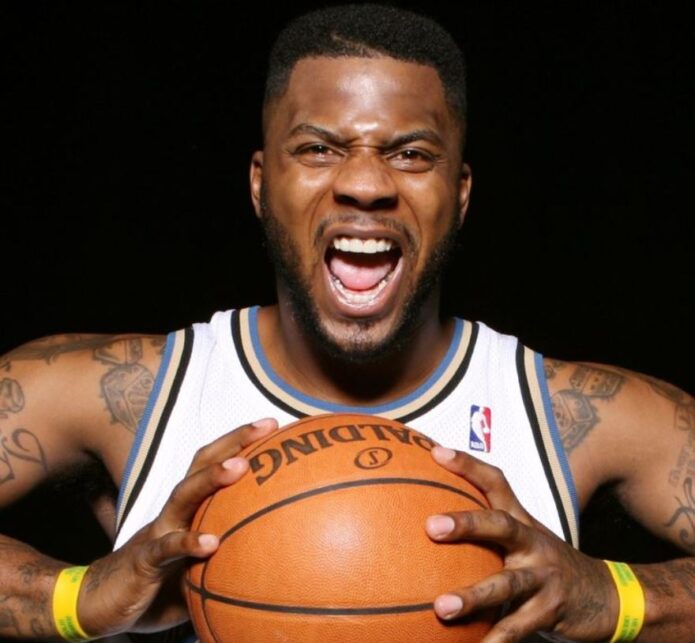
DeShawn Stevenson’s tattoos are as recognisable as his presence on the court. Ink covers his arms, neck, hands and face, with designs tied to his family, faith, basketball career and personal outlook.
The collection brings together portraits, names, numbers, religious symbols, sports references and a touch of humour. It appears to have grown over time rather than following one planned style, so different parts tell different stories.
This guide looks at the details visible in the photos: the arm portraits, neck and face pieces, basketball imagery and career numbers. The featured image shows his face; the inline photos focus on the tattoos.
DeShawn Stevenson’s family name tattoos
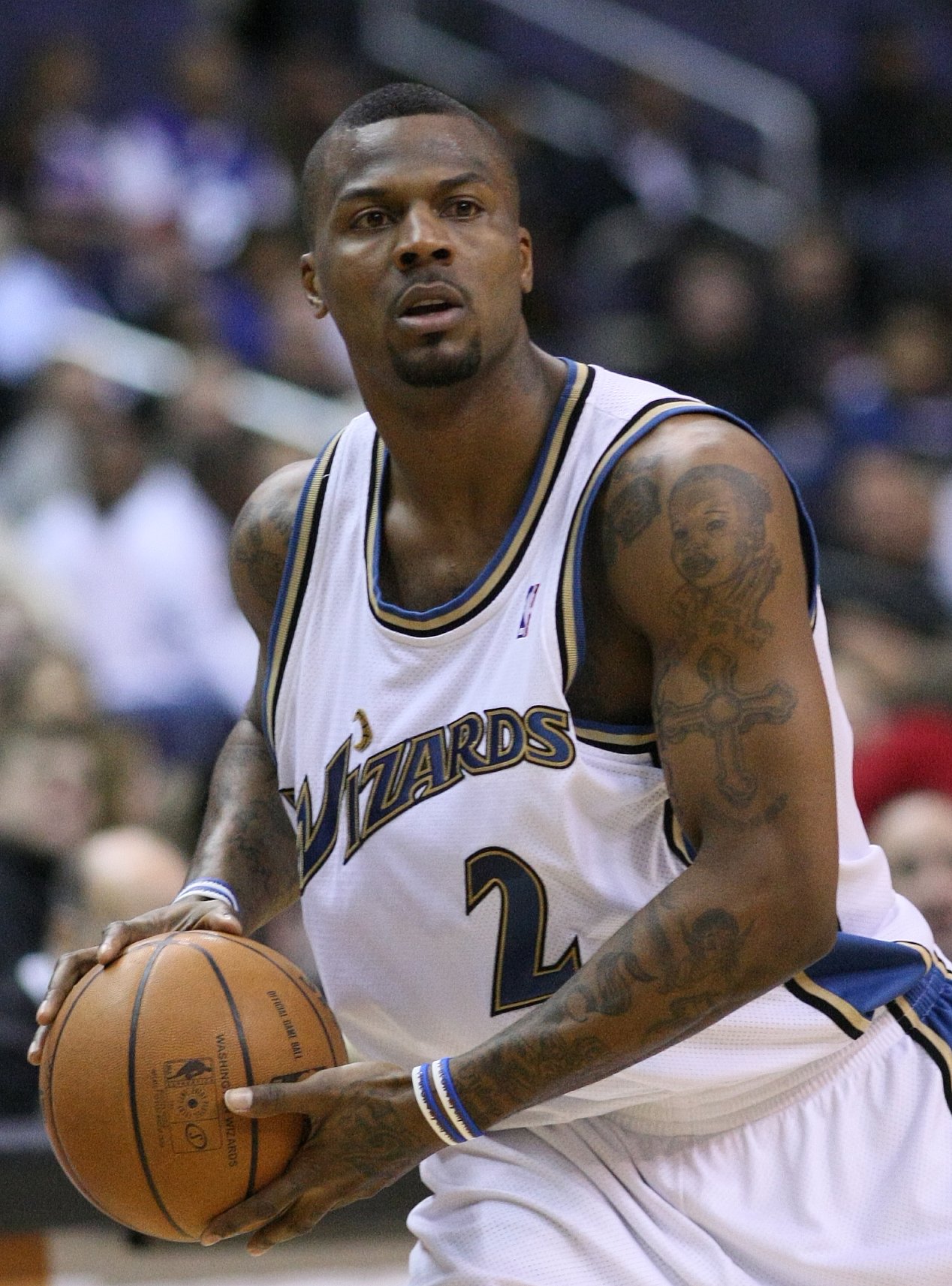
Family runs through Stevenson’s collection. His children’s names and portraits appear on his arms and face, giving the tattoos a personal centre beyond basketball. The portraits make fatherhood part of the story he carries in public.
Londyn Taylor Stevenson’s name sits on the side of his face, where it is difficult to miss. A face tattoo is a lasting, visible choice; the name appears in interviews, games and photographs as part of Stevenson’s public image.
He also has portraits of his children on his arms and biceps. Portraits need enough space and contrast for the features to remain clear. Set among lettering and symbols, these images feel like part of a family record rather than standalone designs.
The family pieces give the collection a personal centre. Numbers mark parts of Stevenson’s playing career, while names and portraits point to the people closest to him. A sleeve can combine large portraits with smaller writing, provided each important piece has room.
His mother, Genice Taylor, is also represented by a name tattoo near his wrist. Names in a visible spot can serve as a daily reminder for the wearer, while still showing clearly in photos.
The references to real people and memories give the collection its character. Even simple lettering carries a specific connection, which makes it different from a set of basketball symbols chosen only for appearance.
DeShawn Stevenson’s neck and face tattoos
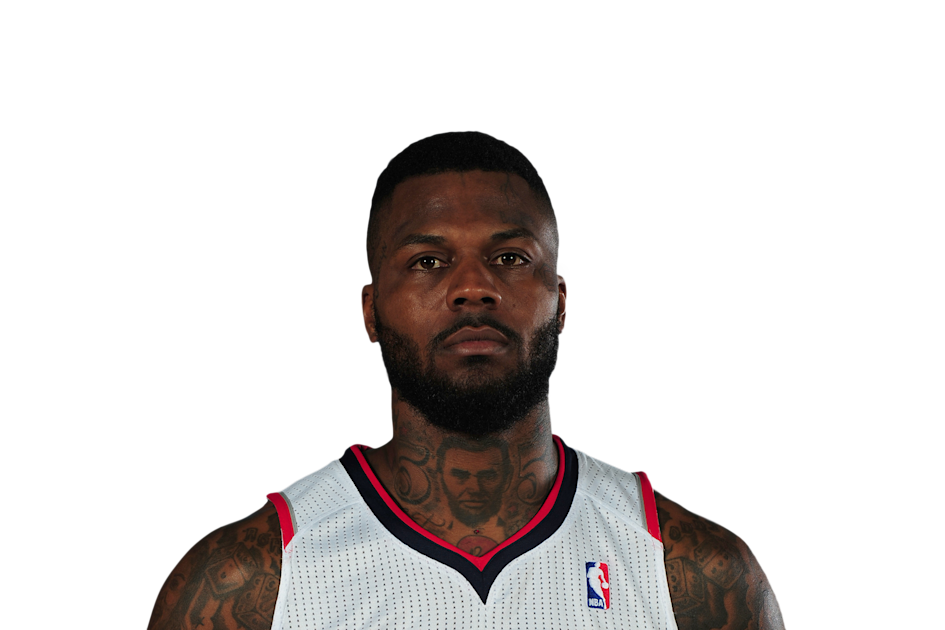
The neck and face designs are among the most noticeable parts of Stevenson’s collection. A portrait of Abraham Lincoln sits at the front of his neck, with the number five on each side. Stevenson has said the fives point to the five-dollar bill and help identify Lincoln.
Here, the image and numbers work together: the portrait draws attention, and the fives add context. Without them, a viewer might recognise a historical figure but miss the reference to the bill.
A backward Pittsburgh Pirates P appears on his cheek. Stevenson has discussed the team and Barry Bonds when explaining the idea. It is a personal reference that tends to prompt a question instead of reading as a familiar logo at first glance.
Stevenson has described the crack tattoo on his forehead as a reminder that he does not crack under pressure. The mark has a playful look, but the message is about staying steady when things get difficult.
Face tattoos are visible in every setting, without clothing to cover them. Stevenson has explained the ideas behind these pieces, so their visibility is tied to references he chose for himself.
Visibility deserves careful thought. A neck or face tattoo becomes part of how a person appears in photographs and public life. Stevenson’s designs connect to his own story, but anyone considering similar placement should be comfortable seeing the tattoo every day.
DeShawn Stevenson’s basketball and killer instinct tattoo
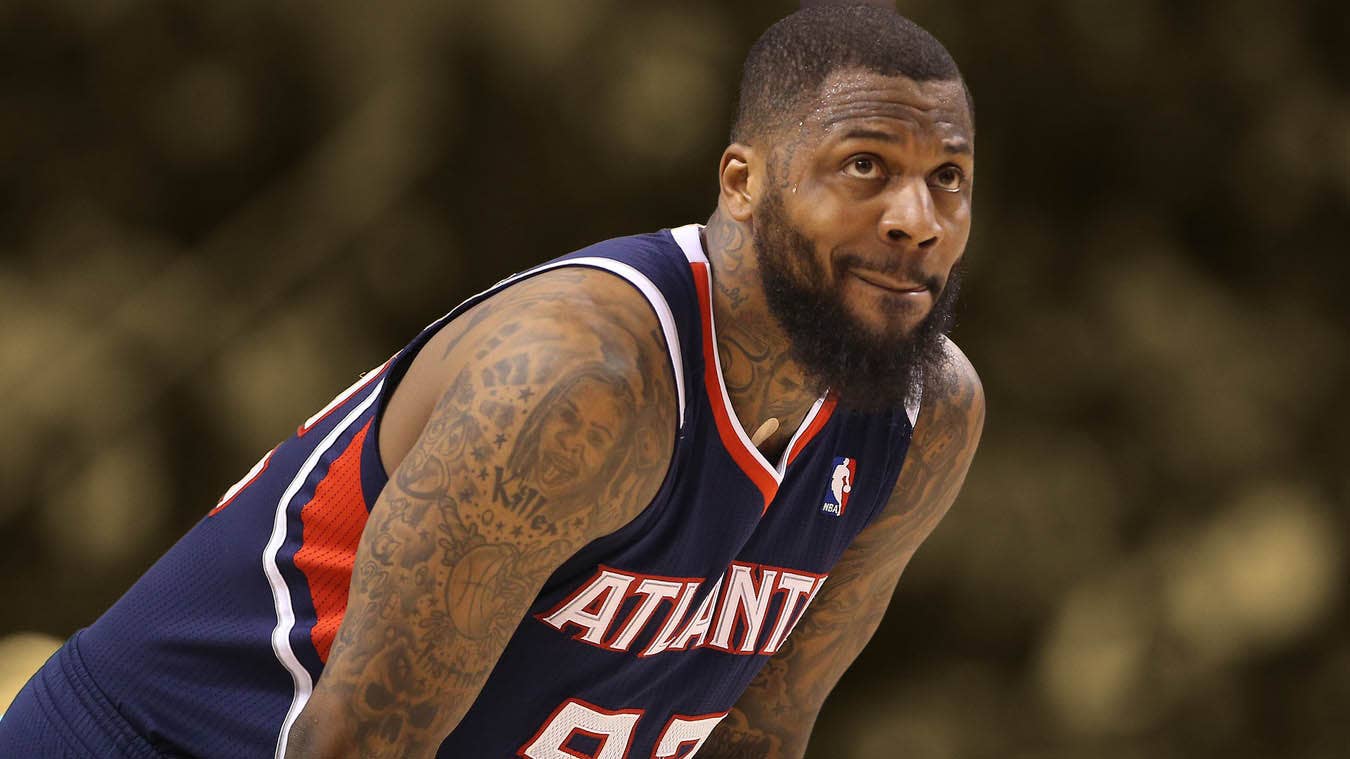
Basketball appears in several of Stevenson’s tattoos. One prominent design combines a ball, a dagger and the words “Killer Instinct,” linking the sport to the competitive approach he has described through his play.
The dagger adds tension to the basketball image, and the lettering tells the viewer how to read it. The idea is about intensity in competition, rather than simply being a fan of the sport.
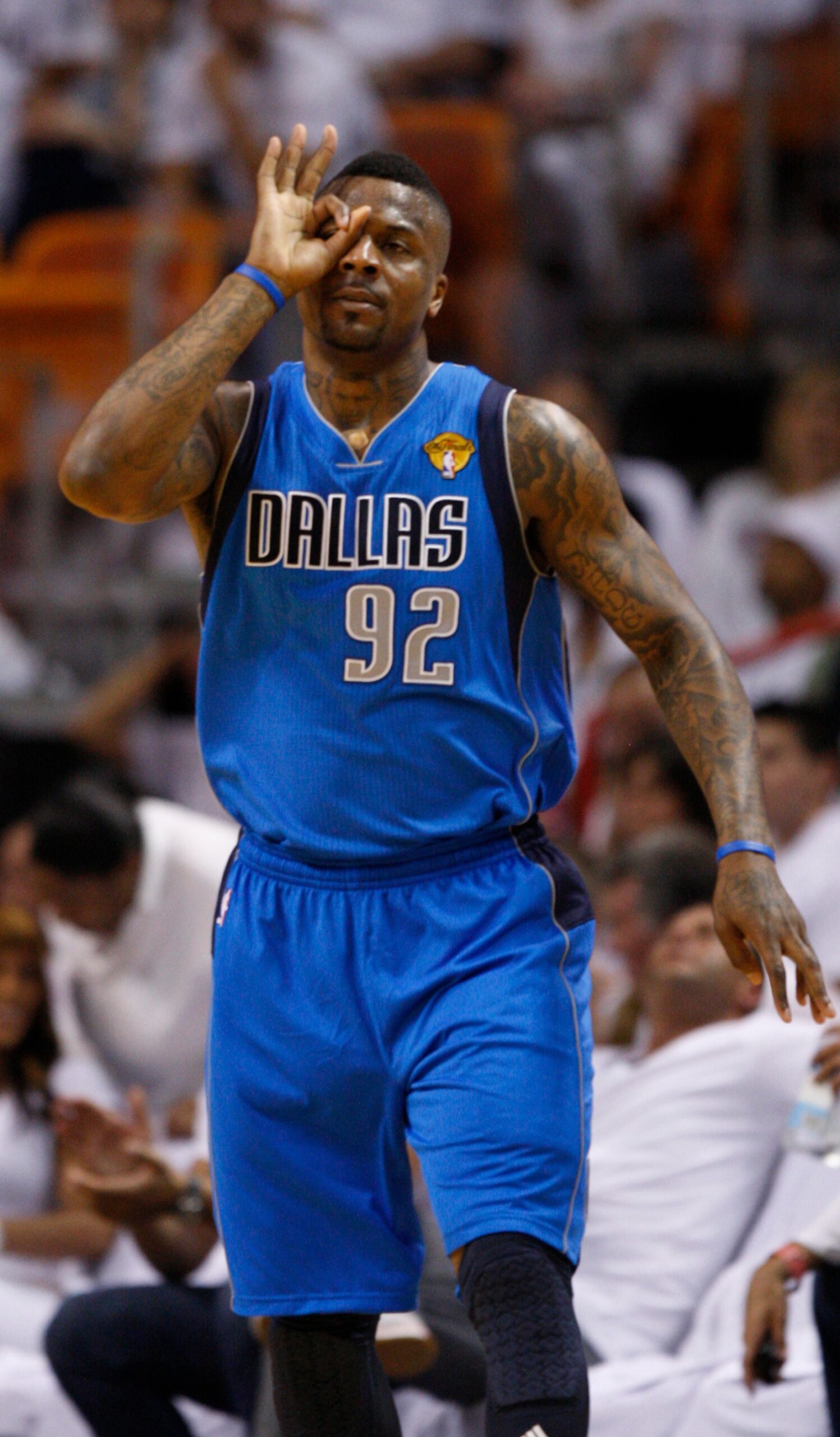
The number 92 also connects the tattoos to Stevenson’s career. It is linked to his time with the Atlanta Hawks and combines jersey numbers from earlier stops. A number becomes more personal when its history is clear to the wearer.
In the arm photos, basketball imagery appears beside writing, portraits and other symbols. The collection is varied, but the placement lets the designs sit together without requiring every piece to match.
“Killer Instinct” makes the sports reference a statement about mindset. It points to focus and competitiveness, giving the design a meaning beyond a team logo.
The words narrow the meaning of the ball and dagger. Text can clarify an image when the phrase has a direct connection to the wearer, as this one does to Stevenson’s approach to basketball.
DeShawn Stevenson’s religious tattoos
Religious references appear across Stevenson’s arms, including crosses, praying hands and Bible lettering. They sit alongside the more prominent sports and face tattoos and reflect the faith he has spoken about.
The words “Holy Bible” on his forearm are among the clearest religious details. The lettering identifies the reference directly and links it to the surrounding symbols.
Praying hands add another familiar Christian image. On Stevenson’s arm they sit among writing and other religious pieces, making them part of a larger group of references rather than a single isolated design.
Smaller crosses break up areas with portraits and lettering. They provide pauses across the sleeve and fill space without drawing as much attention as a face or larger scene.
The religious symbols are familiar, but their place in Stevenson’s collection is personal. A cross or praying hands can be a simple design and still carry meaning for the person wearing it.
For a faith-based sleeve, the photos offer a useful layout idea: choose one or two main pieces, then use smaller symbols or lettering to connect them. That leaves room for each element to stay readable.
DeShawn Stevenson’s numbers, words, and arm coverage
Numbers and short phrases give the collection another thread. The number 92 appears more than once, and “Taylor Made” connects the arm lettering to Stevenson’s family name.
“Taylor Made” can read as both a personal phrase and a reference to the Taylor name. That double meaning makes it more specific than a general motivational slogan.
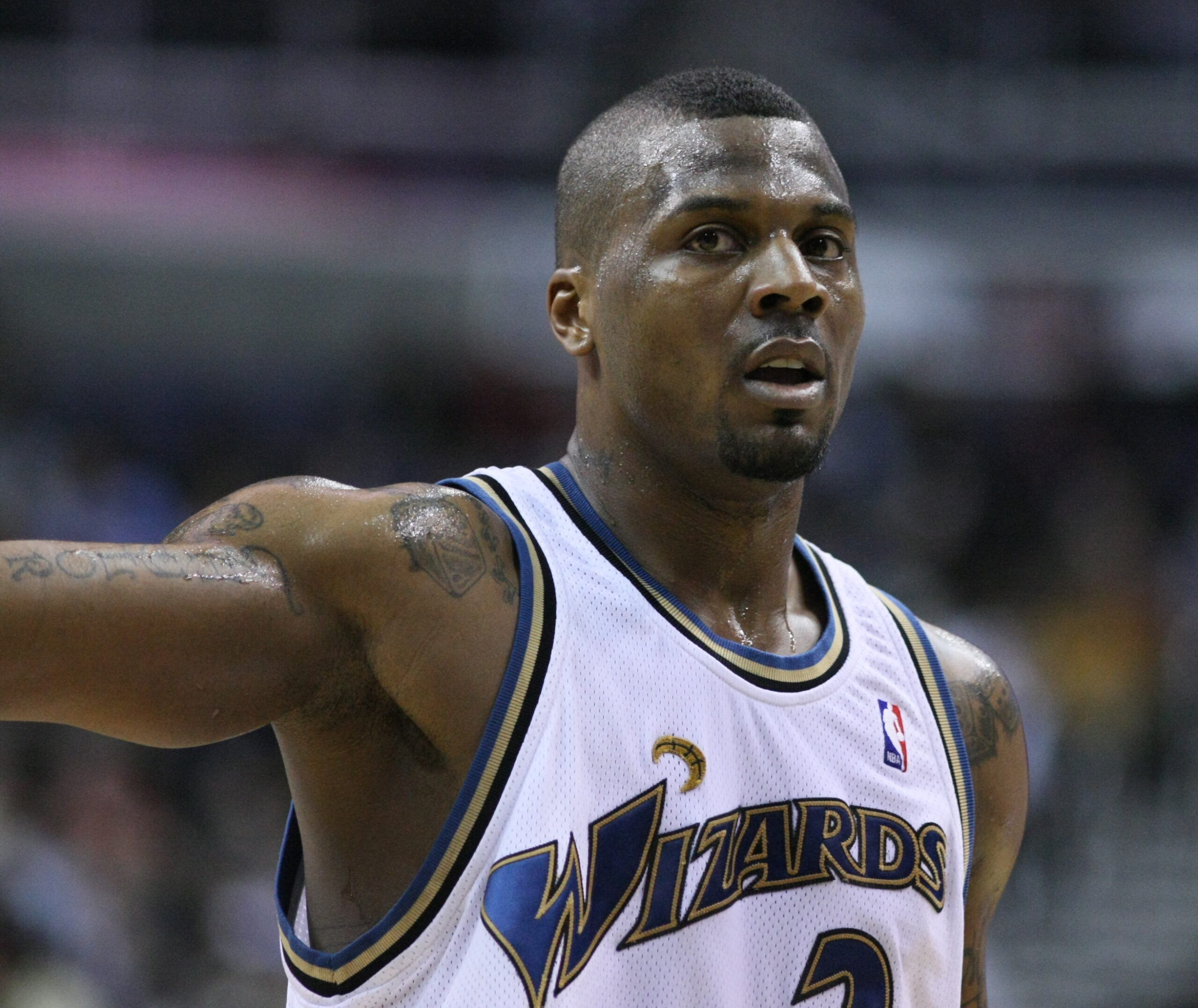
The tattoos also show how an arm collection can change over time. New work may fill open space or connect existing pieces. Stevenson’s tattoos do not look like one sleeve planned all at once; the body provides an order as they accumulate.
In game photos, the ink frames Stevenson’s shoulders and arms and remains visible when a jersey covers his chest. That placement affects how much of a collection shows in everyday clothes.
Specific words keep the lettering tied to Stevenson’s life. Family names, career numbers and phrases with a personal reference mean more than text chosen only for its shape.
Humour and odd details also keep the collection from feeling too formal. The forehead crack, backward logo and mix of portraits and sports imagery reflect choices that are distinctive to him.
What DeShawn Stevenson’s tattoos say about his style.
Stevenson’s tattoos read like a personal archive: family portraits beside religious symbols, career numbers beside phrases and a historical figure alongside a team logo. The subjects vary, but each is connected to his life.
The unexpected references are part of what makes the collection memorable. Lincoln on a basketball player’s neck and a backward Pirates logo are specific choices, not simply designs picked from a trend.
For athlete tattoo ideas, the collection offers a few different directions. A number can mark a career chapter; a portrait can honour family; a religious image can represent belief; and a phrase can carry more than one meaning.
The photos show the ink, while Stevenson’s explanations connect it to his life. A design tends to stay meaningful when the wearer has a clear reason for choosing it.
Browse our athlete tattoo guides to compare how other players use portraits, lettering and placement. Keep the ideas that fit your life and set the rest aside.
Stevenson’s tattoos do not follow one narrow theme, but they share a point of view: family, faith and basketball all have a place. That mix is why the collection remains recognisable.