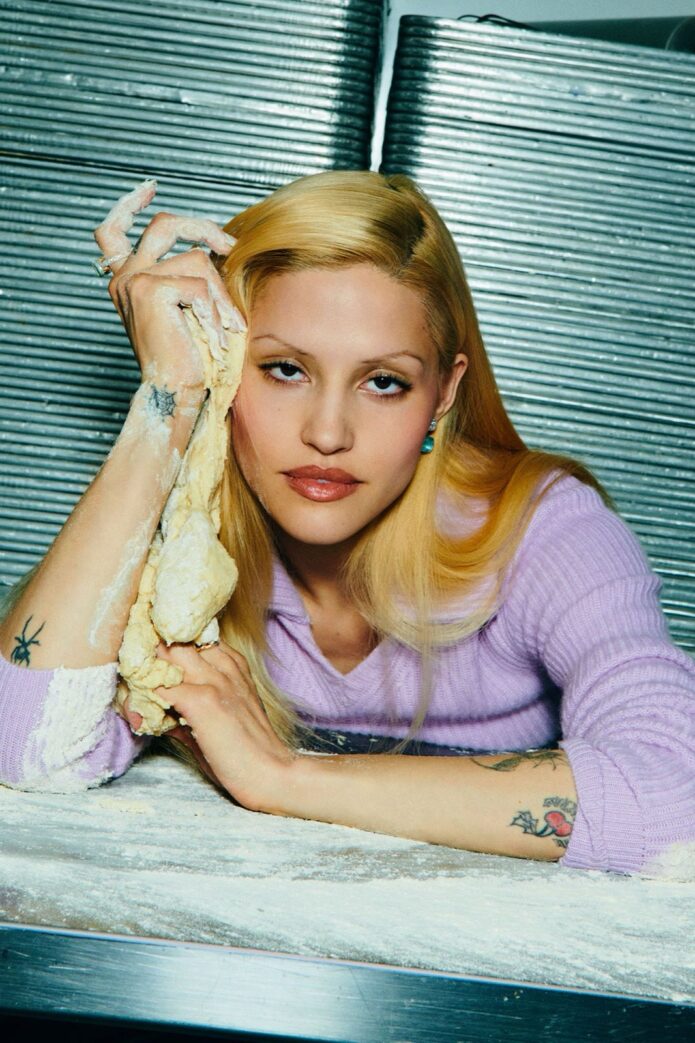
Gabbriette Bechtel’s tattoos feel inseparable from her style. The model and internet personality often wears black and favors dramatic silhouettes, and her ink is just as individual: bright stars, tiny hearts, bold arm designs, hand tattoos and larger pieces that make her skin part of the outfit. Some look carefully planned; others feel spontaneous, playful or a little rough around the edges.
That variety is what makes the collection fun to look at. It isn’t one tidy sleeve or a single theme, but more like a visual diary that has grown with her life, work and taste. Gabbriette has also talked about the tattoo artists and models who inspired her, especially Jane Moseley, whose hand-poked work helped shape her early ideas. Here’s a closer look at the pieces that are clear in photos, what she has discussed and what’s best left as visual detail rather than fact.
Gabbriette’s tattoo collection is built around small symbols
A good place to start is with the smaller marks. Gabbriette’s arms have little stars, hearts, insects and fine-line details that work like punctuation. They break up the larger designs and keep the overall look from feeling too heavy. A tiny tattoo can contribute as much to the mood as a large one, especially beside a bare shoulder or a simple black dress.
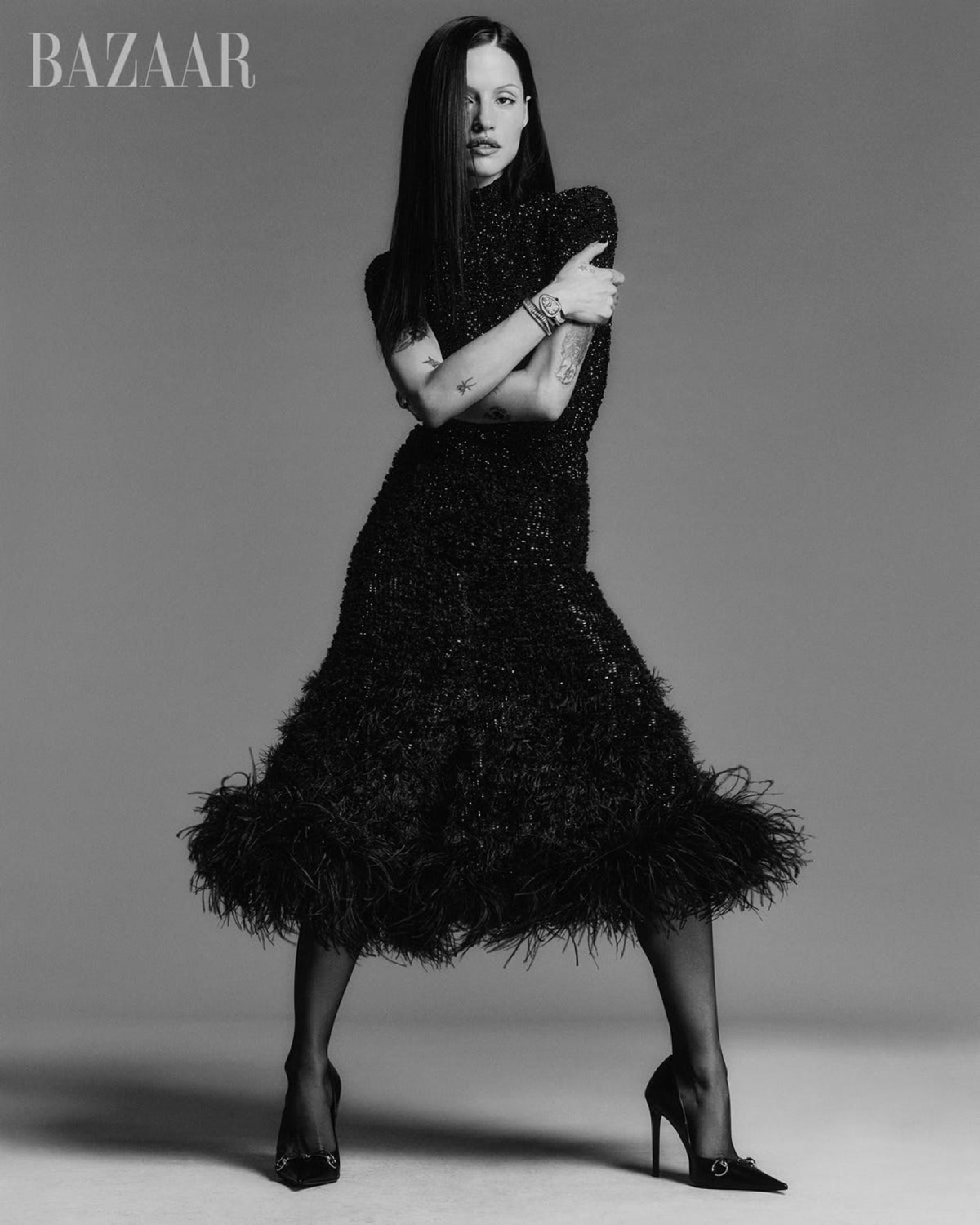
In close-up, the small designs sit at different angles, giving the collection a sense of having grown over time instead of being applied all at once. That’s a useful idea for anyone planning several tattoos: repeating one exact style can look polished, but different line weights and shapes often make a personal collection feel more alive.
The hand tattoos follow the same approach. A few marks show around her fingers and the back of her hand, where even a tiny symbol changes the look of jewellery, nails and sleeves. They don’t need a long explanation to register; their placement already does a lot.
The stars and heart tattoos add a softer side
Gabbriette’s stars are among the most recognizable details in the collection. They appear in clusters and different sizes, with a loose, almost sticker-like feel. Stars can be sentimental or decorative, and sometimes both. On her, they suit the contrasts in her look: sweet shapes against dark clothes, fine marks beside bolder blackwork, and playful details in serious fashion images.
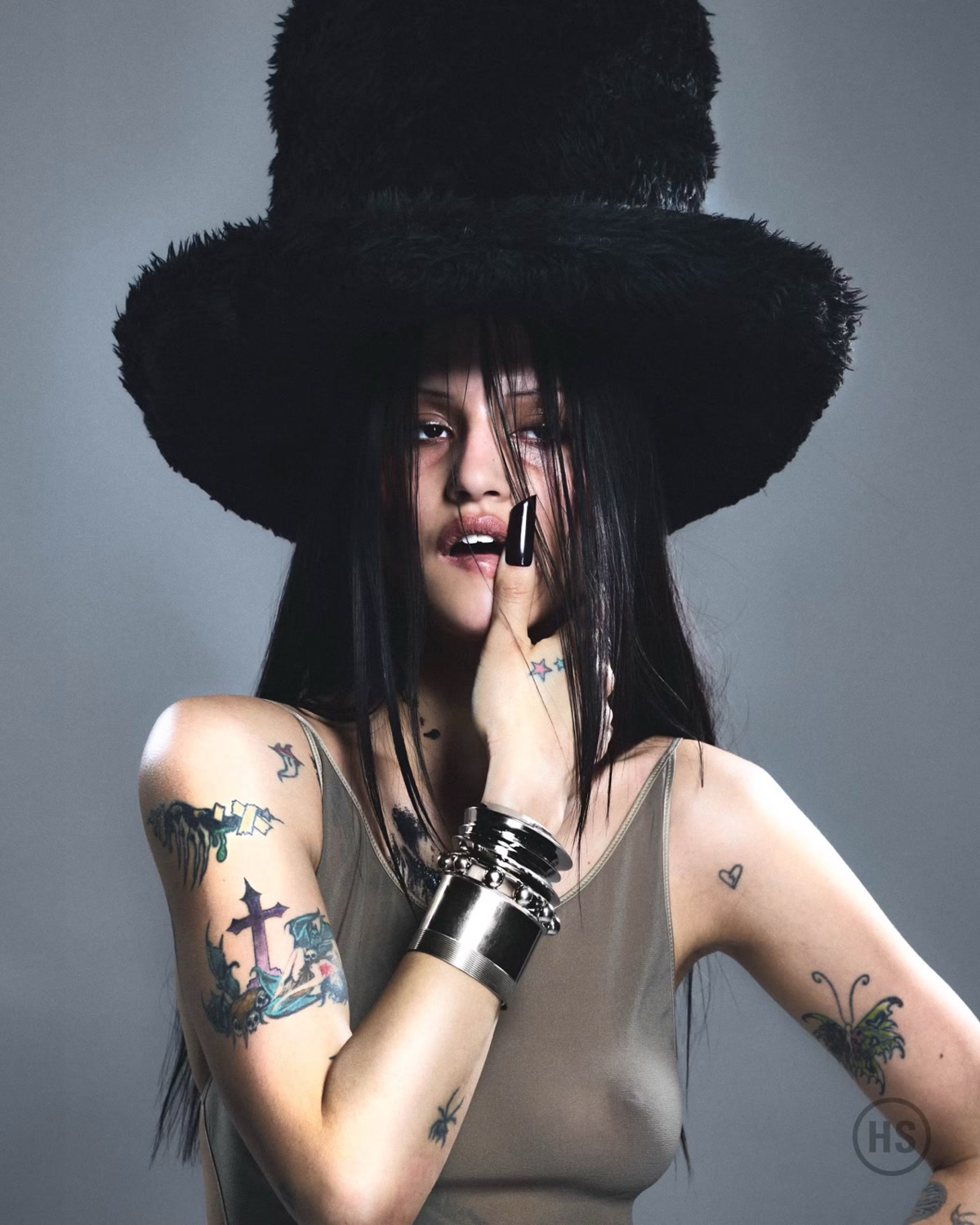
This portrait makes the variety across her arms easy to see. A heart sits apart from the heavier pieces, while stars and darker shapes make the lower section feel busier. There’s some color, but the collection still hangs together because the placement feels considered. Rather than covering her skin with one large design, Gabbriette uses smaller motifs to create movement from shoulder to forearm.
That’s also why the tattoos photograph so well. They’re visible when her arms are bare without taking over the whole image. A design may peek out from a strap, sit against a white top or become part of an all-black look. The collection feels playful without seeming random, and the mix of tiny symbols and larger shaded work gives it a recognizable rhythm.
There’s a practical side to this approach, too. A small heart or star can be a good first tattoo and still leave room to add something larger nearby later. The early design can become part of a composition rather than getting in its way.
Her arm tattoos are where the collection gets bolder
The small symbols set the tone, but Gabbriette’s arms carry much of the visual weight. Some pieces are darker and more illustrative, with a rough-sketch quality; others bring in flashes of green, blue or red. The mix makes the collection feel more like a scrapbook than a traditional sleeve.
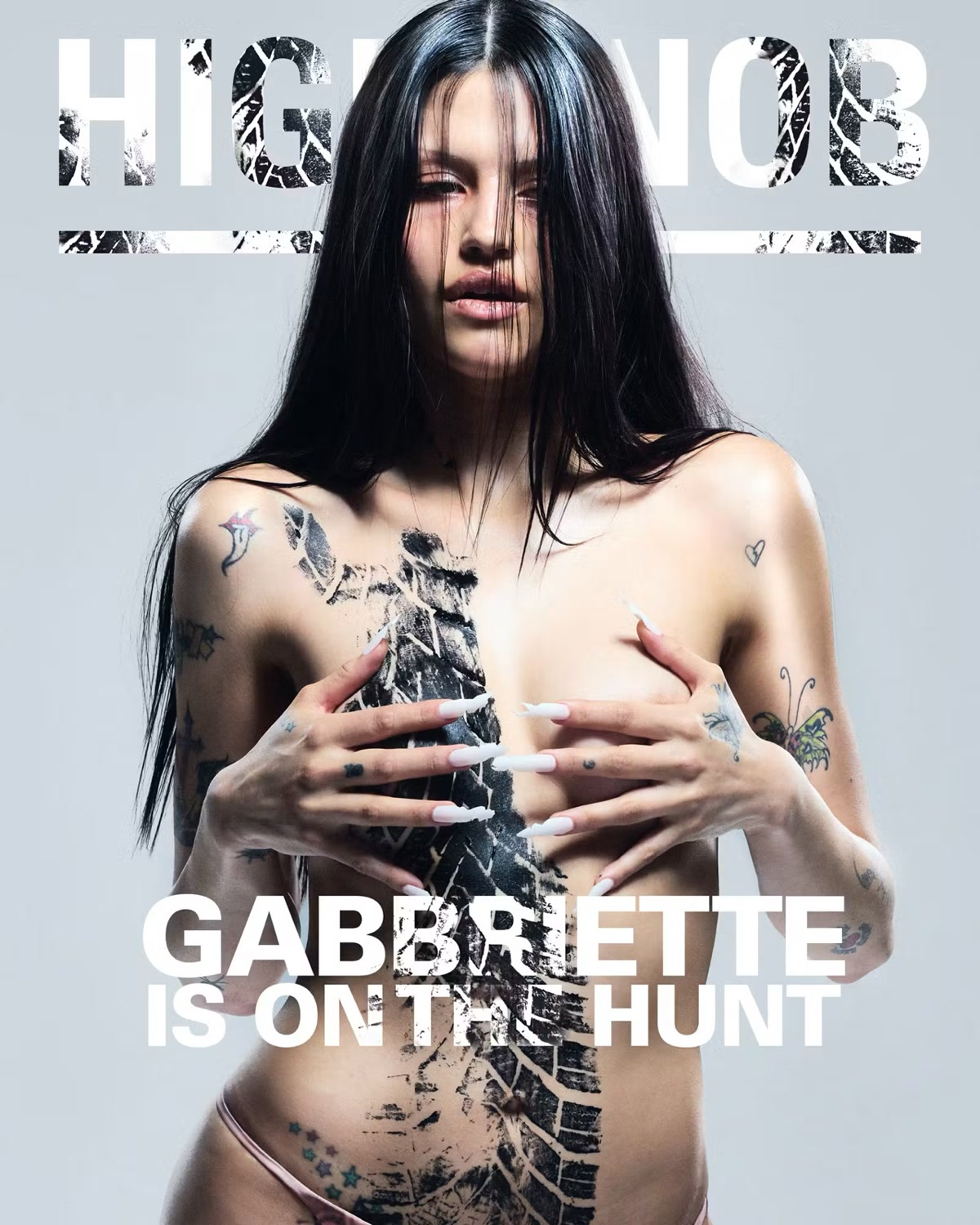
This portrait shows how the arm tattoos became part of her public image. The designs span the upper arm toward the elbow, with separate pieces close enough to feel connected. Her chest and hands have smaller marks as well, so the eye moves around instead of stopping at one isolated tattoo.
Gabbriette has described getting tattoos as part of finding her own style. That helps explain why the collection doesn’t seem designed to please everyone. Some lines are rough, outlines are strong and a few motifs feel unusual. The appeal is personal. Her tattoos look chosen for attitude as much as for decoration.
What she wears changes how the arm pieces read. A sleeveless top makes them the main accessory; a long sleeve can hide most of the collection and leave one small symbol showing. That flexibility likely works well with her modelling career. The ink doesn’t compete with the clothes, but it gives each look a point of view.
Shoulder, collarbone, and upper-body pieces fill the gaps
Not all of Gabbriette’s tattoos are on her arms. Fashion photos show designs around her shoulders, collarbone and upper torso. A jacket or high-neck top can hide them, while a strappy outfit makes them easier to see. Shoulder tattoos also shift with the viewing angle, so the same piece can look different in a front-facing portrait and a side view.
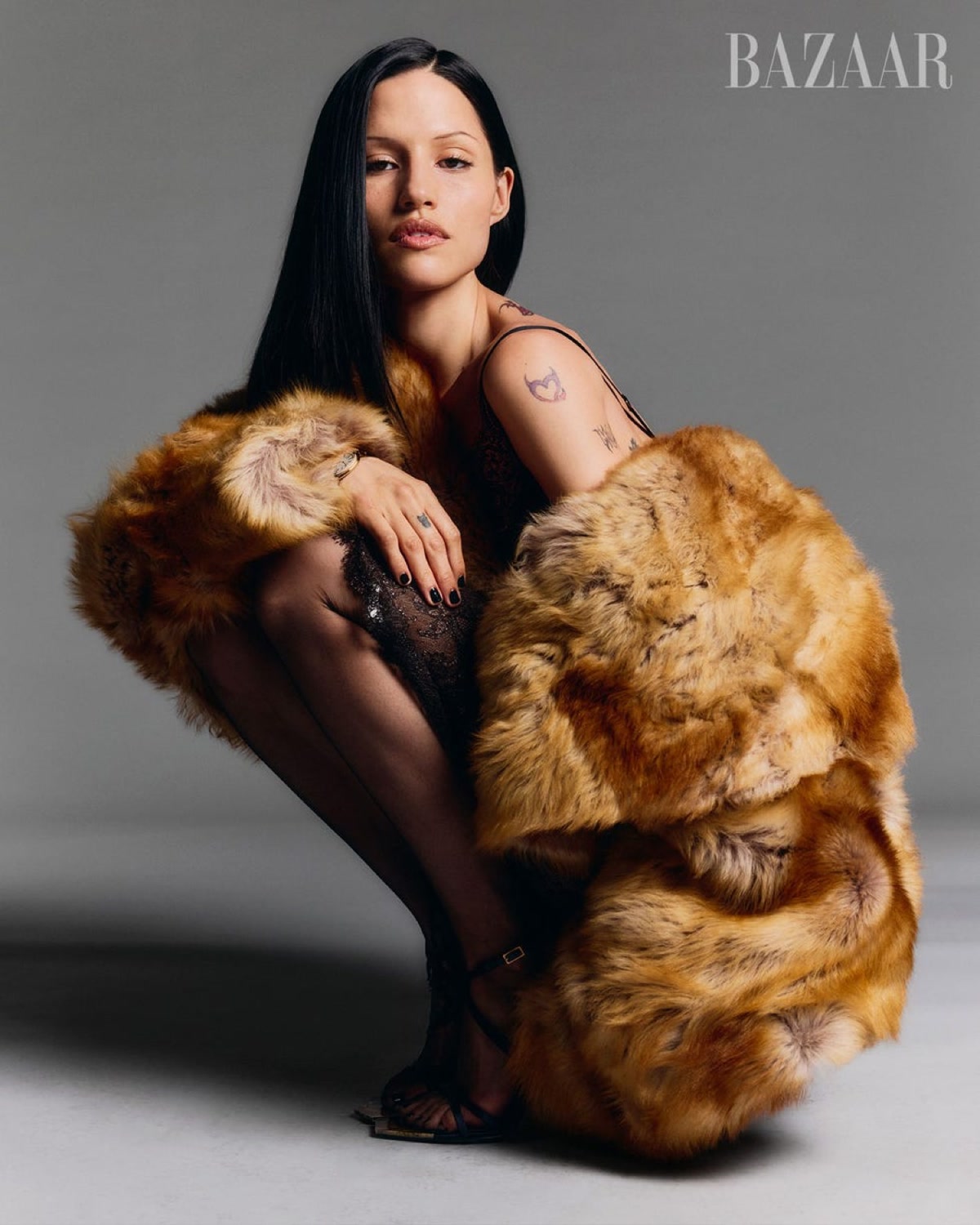
The shoulder design in this image looks softer and more faded than the darker pieces on her arms. That variety is part of the appeal. It suggests tattoos from different times, artists and moods; they don’t all have to match to feel like they belong together.
Small marks around her fingers and hand echo the symbols on her arms. Across the whole collection, those details link separate areas. The eye can travel from shoulder down the arm and toward the hand without needing one continuous sleeve.
Upper-body tattoos also show how placement can work with clothing. A small collarbone design can sit like a pendant; a shoulder motif can frame a bare neckline; a darker piece under sheer fabric becomes part of the texture. Those are styling effects as well as tattoo choices, whether or not each design was planned for a photo shoot.
The meaning is personal, and not every design needs a fixed explanation
Gabbriette’s public image makes people curious about every tattoo and what it means. Some details have been discussed, but many are best described with care. We can identify a star, heart, butterfly or hand-poked shape without claiming to know the private story behind it.
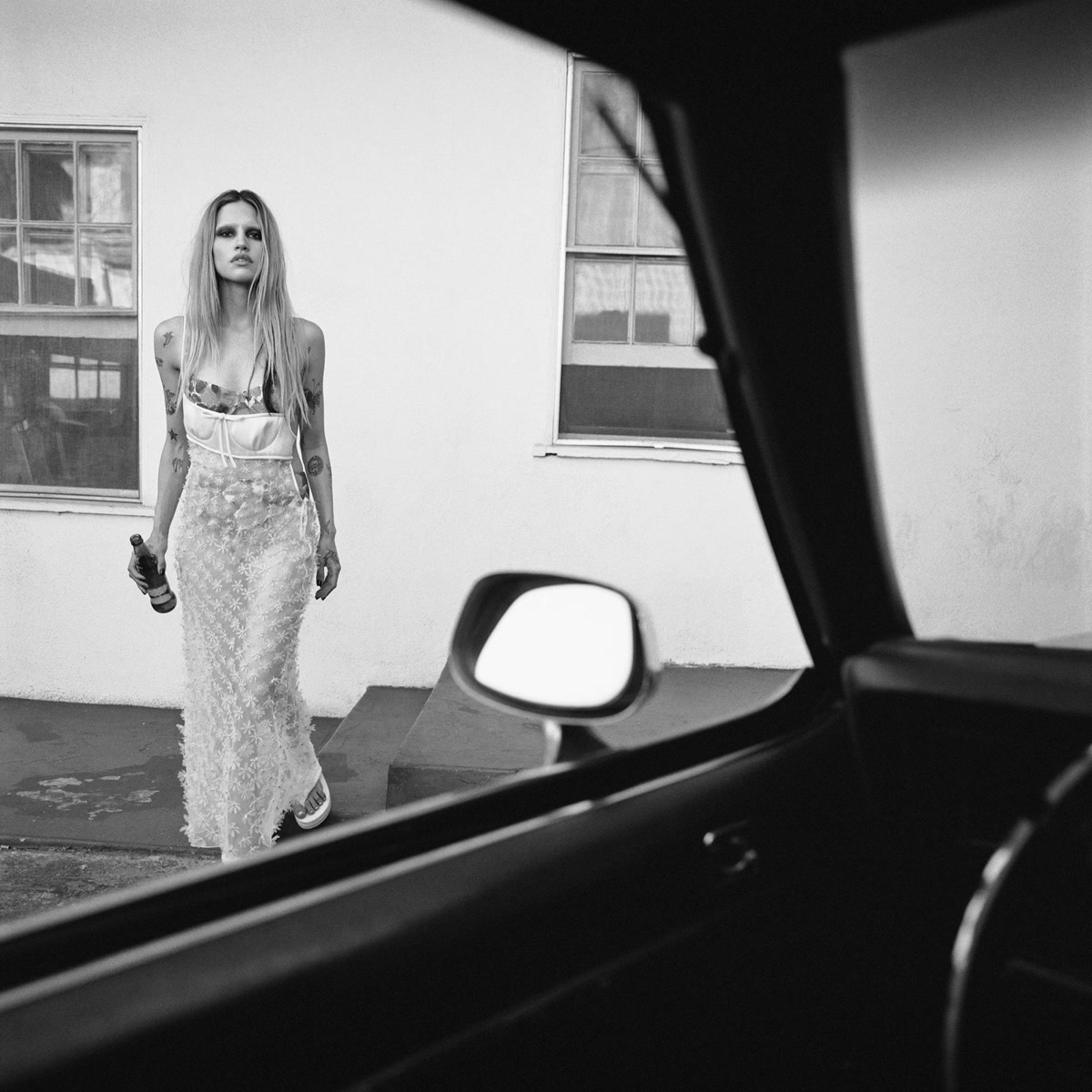
This wider photo shows how much the collection depends on placement. The tattoos run across her arms, shoulders and hands while leaving plenty of open skin. That balance works with delicate clothes and gives bolder looks an edge. It also shows why a single close-up can’t tell the whole story.
Gabbriette has described tattoos as self-expression and linked her style to the artists and people who influenced her. That’s a more grounded way to understand the collection than fitting every symbol into one neat story. A tattoo might be a memory, a joke, a design she loved or simply an image that felt right at the time.
Tattoos also change with their wearer. People add cover-ups, let old lines fade or decide a once-important image no longer represents them. Gabbriette’s collection looks open to that kind of evolution. Some designs are crisp and colorful, while others seem older and softer. Together, they show someone comfortable letting her skin keep a record of different eras.
If you like celebrity collections that combine personal symbols with a strong visual identity, compare her layered approach with Halsey’s tattoos. The styles are different, but both show how ink can become part of a musician or model’s image without becoming the whole story.
Why her collection stands out:
The tattoos don’t look overly managed. Fashion photos may be polished, but the ink still feels lived in: tiny stars next to larger colorful work, a delicate heart beside a darker illustration, hand tattoos among rings, long nails and sleeves. That friction gives the collection its personality.
The tattoos also work a bit like a wardrobe. A black dress makes the ink look graphic; a pale dress brings out the color. A close-up can make one small mark the focus, while a full-length photo shows how the designs fit together. The tattoos stay the same, but their role changes with the setting.
For anyone planning a similar collection, the lesson isn’t to copy one design. Think about spacing and scale, and how later work might fit around the first few pieces. Start with images that matter to you, leave some breathing room and don’t worry if every tattoo comes from the same visual style. Gabbriette’s collection works because it feels accumulated, not manufactured.
There’s no need to invent a meaning for every mark. Sometimes a tattoo is simply one that makes you feel more like yourself. Gabbriette’s stars, hearts, arm pieces and upper-body designs create that impression: expressive, occasionally messy and closely tied to how she presents herself. That’s why people keep noticing them, even when the outfit is doing most of the talking.
Watch: Gabbriette spends a day in London in this Vogue video.