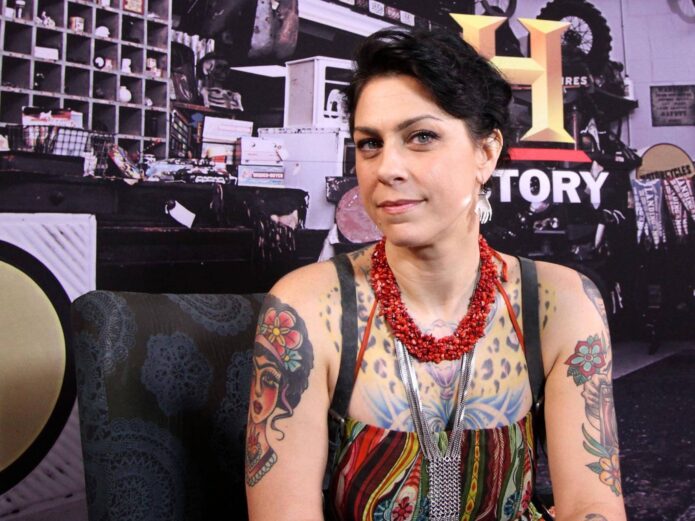
Colby’s tattoos have grown over many years around artists, family, bugs, music, heritage and burlesque. Interviews put the collection at more than thirty designs, though the exact count matters less than how they fit together: a torso she calls pagan suit of armor, a violin-shaped back, insects on the left arm and a Frida portrait on the right. Words appear too, including Irish Blood, English Heart and Hold Fast.
Colby has described herself as collecting tattoos. She gives artists a theme and trusts them to develop it. Some designs have a clear story; others are known mostly through photos.
The pagan suit of armor covers Colby’s chest and stomach
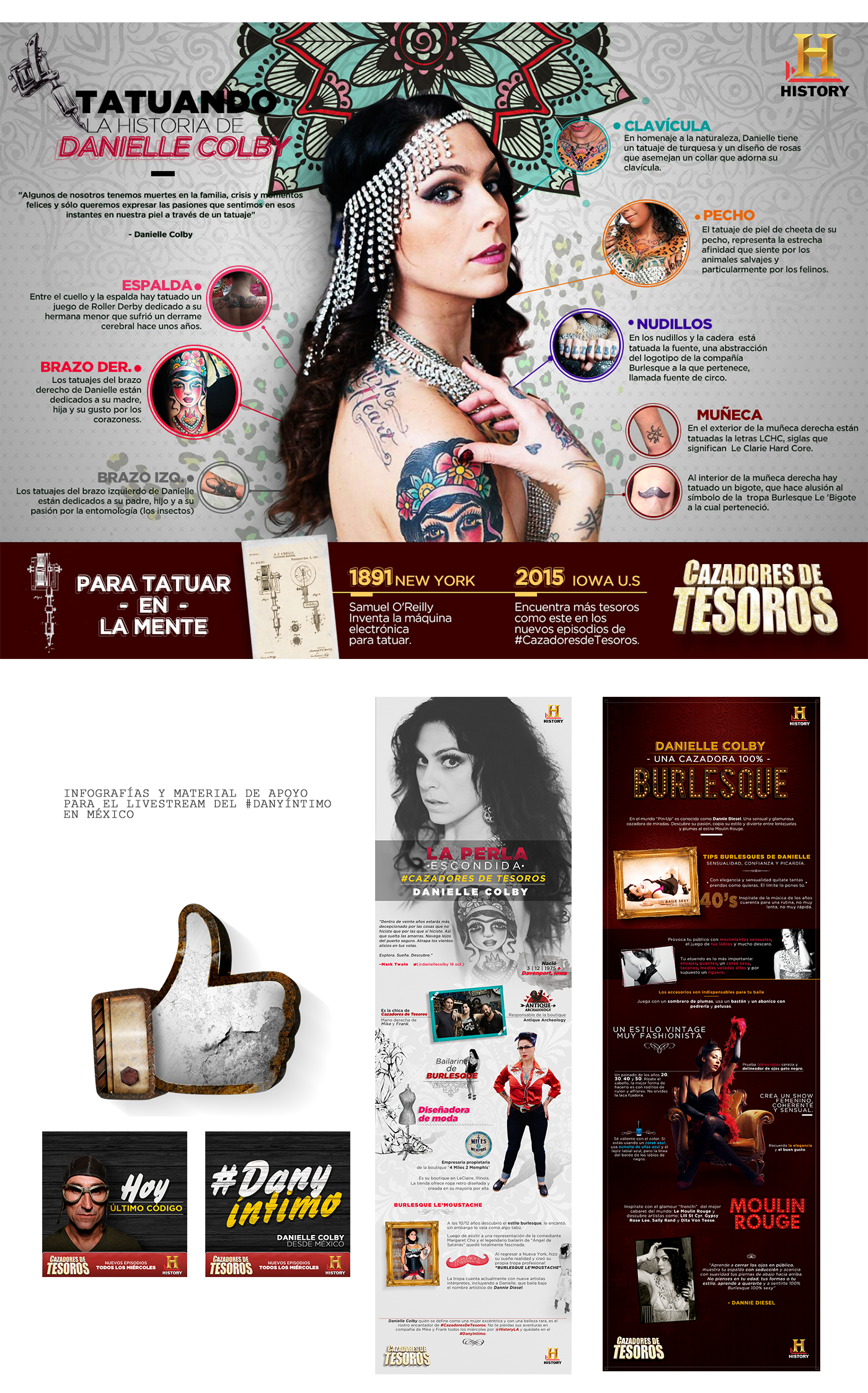
Patrick Cornalo of Speakeasy Custom Tattoo developed the pagan suit of armor across Colby’s chest and stomach. She says she brings him a theme and trusts his vision to build around it. The phrase describes a connected project, not a single emblem.
A chest tattoo can be read on its own; the armor is meant to work as overlapping shapes, panels and symbols. Photographs often show only part of the torso at a time.
Colby’s interest in vintage performance history adds context. She collects burlesque costumes and documents the women who wore them. No source says the armor copies a historical garment, but the broader project fits her interest in themed visual worlds and the artists who create them.

The violin-shaped back is the collection’s most unusual piece of body mapping.
Several tattoo profiles describe Colby’s back as a violin, with oversized F-holes on either side. The body supplies the instrument’s outline: it is not a small violin picture, but a composition built across her back.
A front-facing television shot cannot show the whole design. A portrait from behind reveals the F-holes and the way the piece follows the shoulder blades, though clothing or pose may hide the lower section.
The F-holes are large enough to read across the back, shaping the space around them instead of serving as random filler. The design changes how the surrounding tattoos are seen.
Entomology gives Colby’s left arm its subject
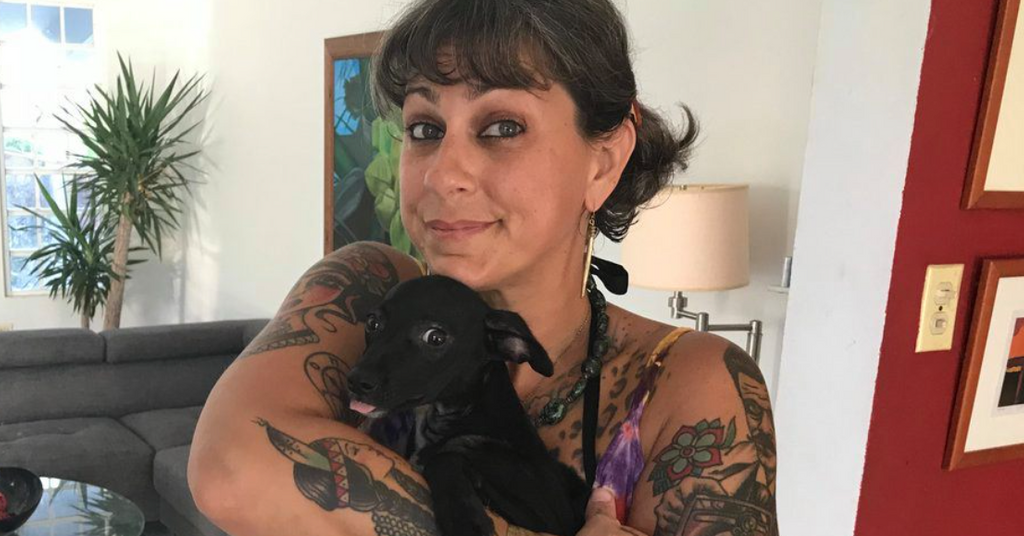
Colby told YuppiePunk that Chewie was finishing her left arm as an entomology project. She loves bugs; that is the theme.
A beetle, moth or other insect gives the arm different shapes and textures to work with. Fine wing lines can sit beside darker shading, and new pieces can be added without repeating the same composition.
Stage lights can flatten fine legs and wings, while a turned forearm hides the edge of a design. Colby’s interview explains the entomology theme; the photographs show how much of the arm is covered.
Frida brings a portrait to the right arm
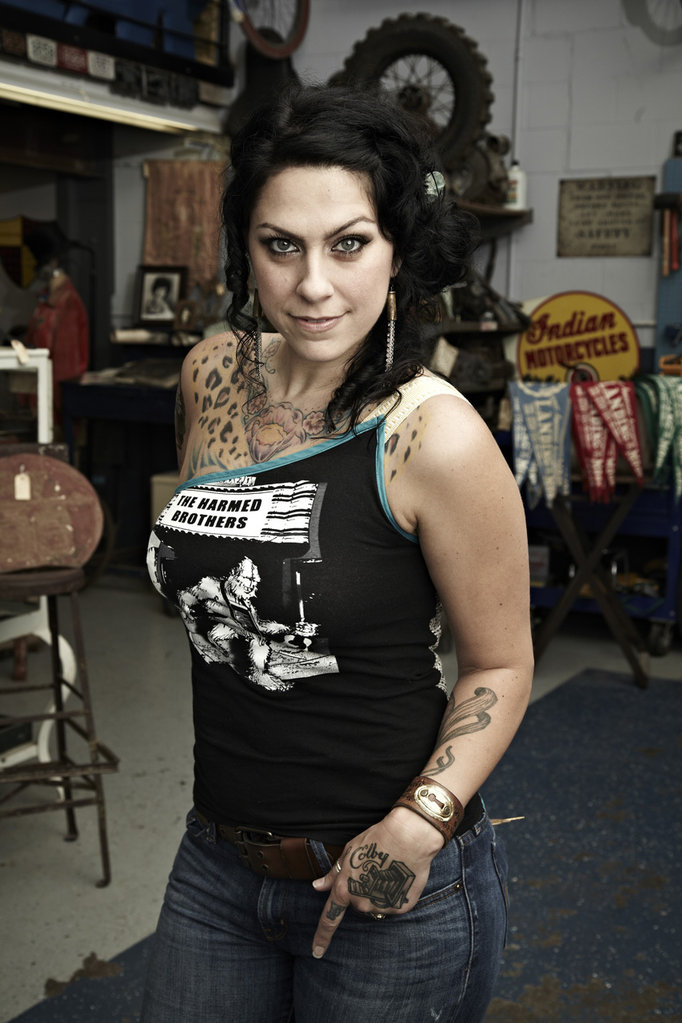
Colby has identified a Frida portrait on her right arm as work by Alex Strangler. Knowing the subject and artist gives this entry a firmer basis than guessing from a photograph.
A face gives the arm a focal point, while the insects rely on many smaller shapes. That contrast lets Frida sit beside the entomology work without making the arm look uniform.
Colby names her collaborators and talks about trusting their vision. The tattoo’s identity includes both the subject on the skin and the artist’s approach to rendering it.
Irish Blood, English Heart crosses Colby’s shoulders
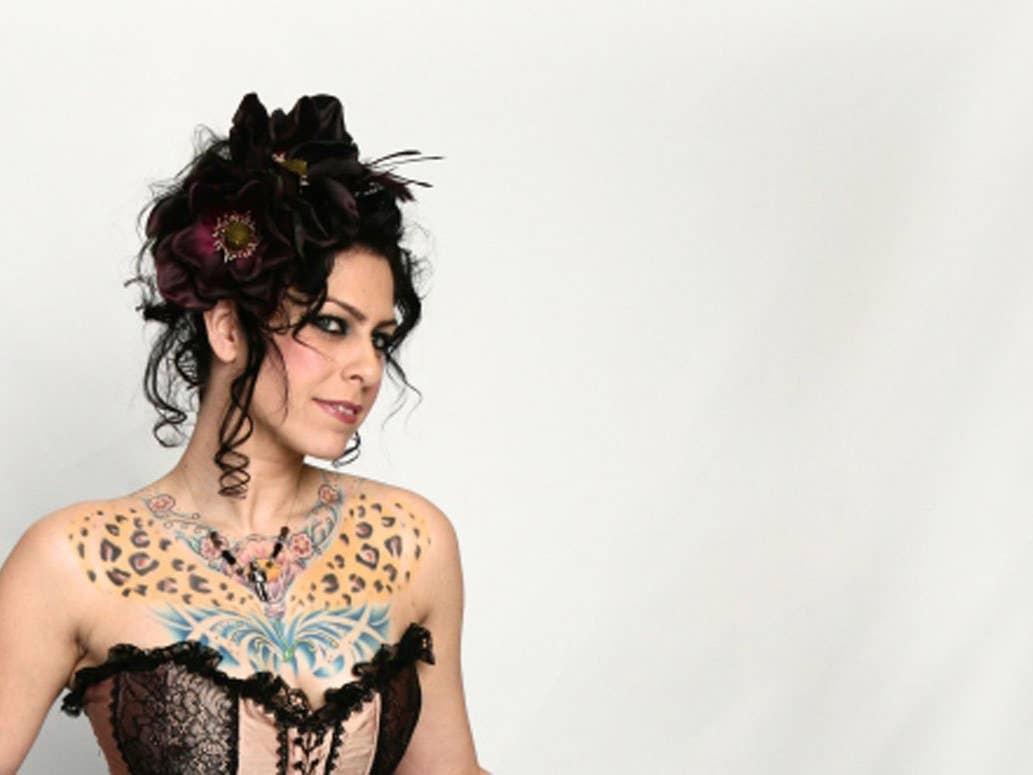
The words Irish Blood, English Heart run across Colby’s shoulders. Lettering reads in a glance, while the armor, violin and insects invite a closer look.
The phrase connects with the Irish heritage Colby has discussed. Its wording and placement are clear without adding a wider story about her family.
Posture changes how the line reads. A raised arm can stretch the shoulders; a relaxed pose makes the words easier to follow. Some television photos show only part of the phrase.
Hold Fast brings the knuckles into view
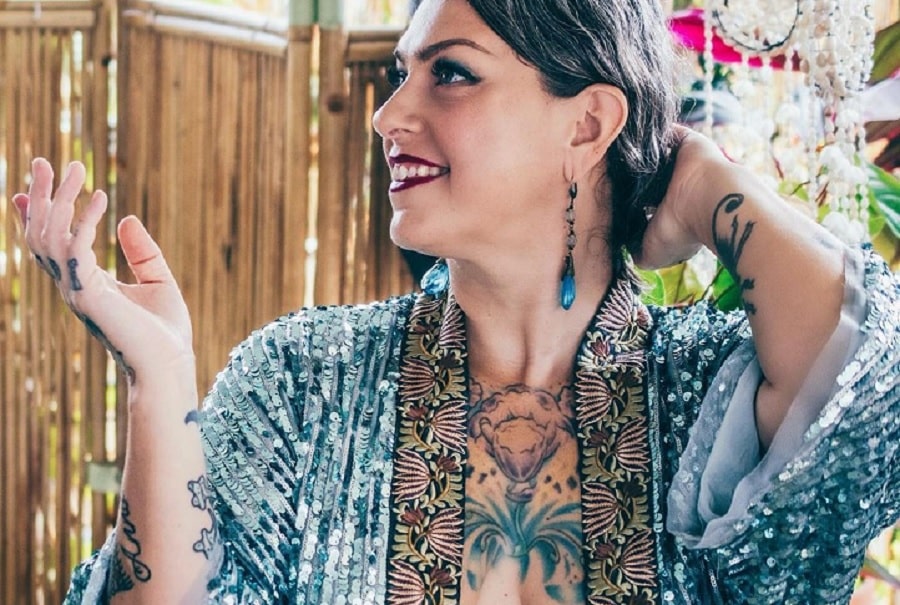
Colby told YuppiePunk that Chewie tattooed Hold Fast across her knuckles. The short phrase is easy to notice whenever she reaches for something or gestures on camera.
The wording draws on sailor and working-class tattoo traditions, but the interview does not give a personal explanation for Colby’s choice. Readers can take the phrase as written; no story behind it has been reported.
Why Colby’s collection works as a map
Read by location, the designs have their own threads: armor across the torso, a violin on the back, insects on the left arm, Frida on the right, Irish Blood across the shoulders and Hold Fast on the knuckles.
Colby has talked about artists continuing the work and about trusting them with a theme. New photographs may reveal additions or details older coverage missed; no single article gives a final count.
The appeal is how distinct ideas share the same body. Armor, a violin, insects, a portrait and short phrases each keep their own look, while the artists help them belong together.